Search the collection

Filter By

Object Type / Material
Africa
Department
Date
Show Only:
  • As part of the Met's Open Access policy, you can freely copy, modify and distribute this image, even for commercial purposes.
    APIPublic domain data for this object can also be accessed using the Met's Open Access API
  • Objects with changed or unknown ownership in continental Europe between 1933-1945. Learn more
More than 10,000 results
Sort by:
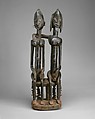
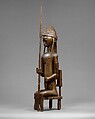
Gwantigi, Bamana numu (blacksmith), Wood, Bamana peoples
Bamana numu (blacksmith)
15th–17th century
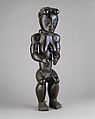
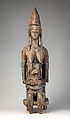
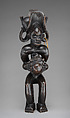
Karan-wemba (female figure mask), Mossi blacksmith, Ceiba(?) wood, metal, Mossi peoples
Mossi blacksmith
19th–first half 20th century
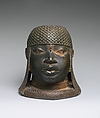
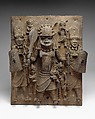
Ùhúnmwèlaò (head of an ọ́bà), Ìgùn Ẹ́rọ̀nwwọ̀n (brass-casting guild) artists, Brass, Edo peoples
Ìgùn Ẹ́rọ̀nwwọ̀n (brass-casting guild) artists
Early 15th–mid-16th century
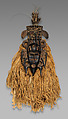
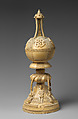
Gwandusu, Bamana numu (blacksmith), Wood (Cordyla africana or Lonchocarpus), applied organic materials, Bamana peoples
Bamana numu (blacksmith)
15th–17th century
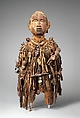
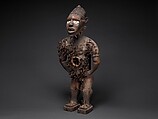
Nkisi (power figure), Kongo artist and nganga (ritual specialist), Wood, pigment, resin, iron, brass, tin, cloth, plant fiber cord, beads, cowrie shells, bone or ivory, arrows, leather, seeds, animal horn, Kongo peoples
Kongo artist and nganga (ritual specialist)
19th–first half of 20th century
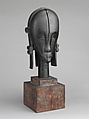
Nlô byeri (reliquary guardian head), Betsi-Fang artist, Wood, copper alloy, palm oil, Betsi-Fang peoples
Betsi-Fang artist
19th century
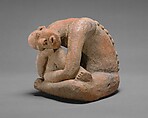
Seated figure, Middle Niger artist, Terracotta, Middle Niger civilization
Middle Niger artist
13th century
Bata (ram) mask for a beete performance, Kwele artist, Wood, pigment, kaolin, Kwele peoples
Kwele artist
19th–first half of 20th century
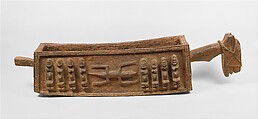
Aduno Koro (Ark of the World) vessel with ancestral figures, Dogon blacksmith, Wood, Dogon peoples
Dogon blacksmith
16th–19th century
Dance crest, Ejagham artist, Wood, animal hide, cane, iron, pigment, bone or ivory, Ejagham peoples
Ejagham artist
19th–mid-20th century
Mwanangana (lord of the land) playing a sanza, Chokwe artist, Wood (uapaca), cloth, plant fiber, beads, dye, resinous coating, Chokwe peoples
Chokwe artist
19th century (before 1869)
Plaque with Warrior and Attendants, Ìgùn Ẹ́rọ̀nwwọ̀n (brass-casting guild) artists, Brass, Edo peoples
Ìgùn Ẹ́rọ̀nwwọ̀n (brass-casting guild) artists
ca. 1540–70
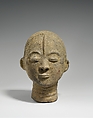
Nsodie (memorial head), Akan artist, Terracotta, Akan peoples
Akan artist
17th–mid-18th century
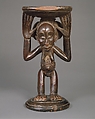
Lupona (royal seat), Ngongo ya Chintu, formerly known as the "Buli Master"  Democratic Republic of Congo, Wood, metal studs, Luba or Hemba peoples
Ngongo ya Chintu, formerly known as the "Buli Master"
ca. 1840–1870
Seated couple, "Barnes Foundation Master", Wood, copper and iron alloy, applied organic materials, Dogon peoples
"Barnes Foundation Master"
18th–early 19th century
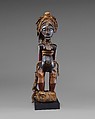
Nkishi (community power figure), Songye artist and nganga (ritual specialist), Wood, copper, brass, iron, fiber, snakeskin, leather, fur, feathers, mud, resin, Songye peoples
Songye artist and nganga (ritual specialist)
19th–first half of 20th century
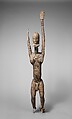
Priest with raised arms, Dogon blacksmith, Wood, applied organic materials, Dogon peoples
Dogon blacksmith
14th–17th century
Eyema byeri (reliquary guardian figure), Okak-Fang artist, Wood, copper alloy, palm oil, Okak-Fang peoples
Okak-Fang artist
19th century
Kpeliye’e headdress, Senufo artist, Wood, horns, quills, raffia fiber, cotton cloth, feathers, metal, applied organic materials, Senufo peoples
Senufo artist
19th–mid-20th century
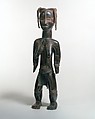
Female portrait lü me (figure in wood), Zlan of Belewale, Wood, fiber, pigment, cloth, metal, Dan peoples
Zlan of Belewale
Sonzlanwon
First half 20th century
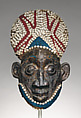
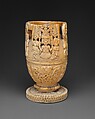
Lidded saltcellar, Temne or Bullom artist(s), Ivory, Temne or Bullom peoples
Temne or Bullom artist(s)
ca. 1490–1530
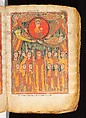
Book of the Gospels, Northern Highlands artist, Parchment (vellum), acacia wood, tempera, ink
Northern Highlands artist
late 14th–early 15th century
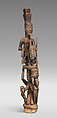
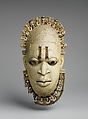
Pendant mask of Ìyọ́bà Idià, Ìgbèsànmwà (ivory- and wood- carving guild) artists, Ivory, iron, brass, coal, traces of iron oxides, Edo peoples
Ìgbèsànmwà (ivory- and wood- carving guild) artists
16th century
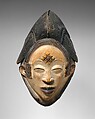
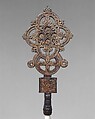
Mäsqälä qǝddase (liturgical cross), Ezra, Wood, tin
Ezra
ca. 1500
Mukudj (mask), Punu artist, Wood, pigment, kaolin, Punu peoples
Punu artist
mid-19th–mid-20th century
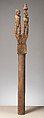
Hazomanga finial, Sakalava artist, Katrafay wood (Cedrelopsis grevei), pigment, Sakalava peoples
Sakalava artist
17th–late 18th century
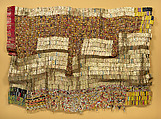
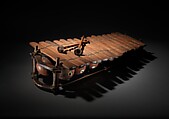
Bala, Wood, gourd, hide, membrane, Malinke
Malinke
19th century
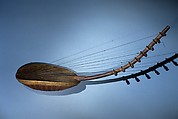
Ennanga, Ganda, Wood, vegetal fiber, snake skin, hide, Ganda people
Ganda
19th century
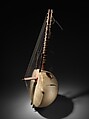
Kora, Mamadou Kouyaté (d. 1991)  (bridge by Djimo Kouyaté)  Mandinka people, Gourd, goat skin, antelope-hide, ebony, metal, wood, Mandinka people, Senegambia
Mamadou Kouyaté (d. 1991) (bridge by Djimo Kouyaté)
ca. 1960
Crescent-Shaped Pendant with Confronted Birds, Gold, cloisonné enamel, turquoise; filigree
11th century
Brazier of Rasulid Sultan al-Malik al-Muzaffar Shams al-Din Yusuf ibn 'Umar, Brass; cast, chased, and inlaid with silver and black compound
second half 13th century
Pair of Minbar Doors, Wood (rosewood and mulberry); carved and inlaid with carved ivory, ebony, and other woods
ca. 1325–30
Statuette of a Royal (?)  Woman with the Cartouches of Necho II on her Arms, Silver
610–595 B.C.
Cosmetic Box with a Swivel Top, Ivory, Egyptian Blue
ca. 1550–1458 B.C.
Mummy Mask of a Woman, Cartonnage, plaster, paint, plant fibers
A.D. 60–70
Artist's Gridded Sketch of Senenmut, Limestone, ink
ca. 1479–1458 B.C.
Chair of Reniseneb, Wood, ebony, ivory
ca. 1450 B.C.
Head of a princess from a group statue, Quartzite
ca. 1352–1336 B.C.
Head Attributed to Arsinoe II, Limestone (Indurated)
278–270 B.C.
Head of a goddess, quartzite
ca. 1295–1270 B.C.