Search the collection

Filter By

Antimony
Geographic Location
Department
Date
Show Only:
  • As part of the Met's Open Access policy, you can freely copy, modify and distribute this image, even for commercial purposes.
    APIPublic domain data for this object can also be accessed using the Met's Open Access API
  • Objects with changed or unknown ownership in continental Europe between 1933-1945. Learn more
Showing 28 results
Sort by:
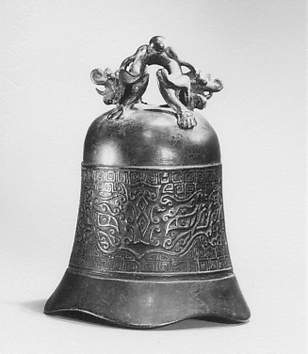
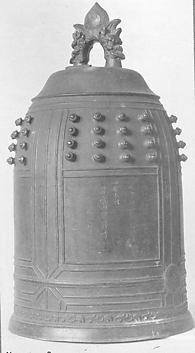
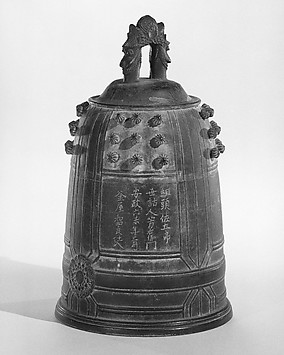
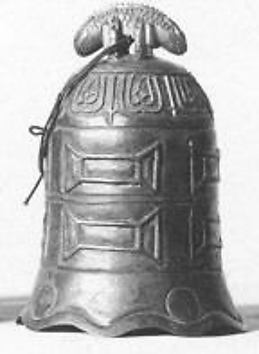
Densho, Leaded bronze (trace of antimony), Japanese
Japanese
19th century
ca. 2050–2000 B.C.
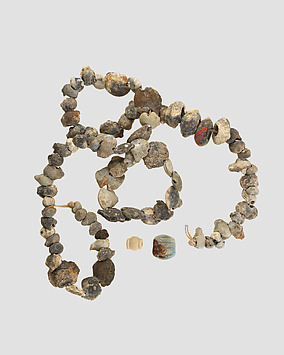
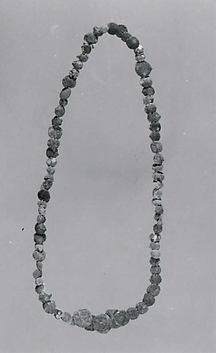
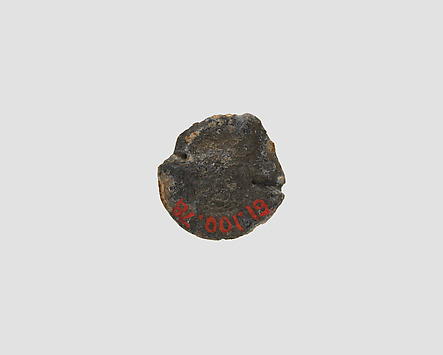
Beads, Antimony (?), Iran
Iran
ca. 9th century BCE
Beads, Antimony (?), shell, string, Iran
Iran
ca. 9th century BCE
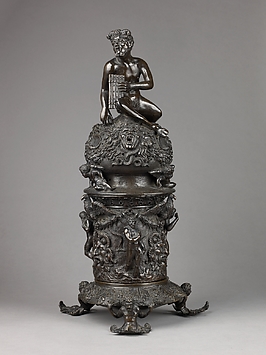
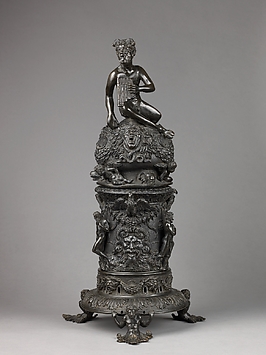
Perfume Burner Surmounted by a Satyr, Desiderio da Firenze  Italian, Binary alloy (copper, tin, with traces of zinc, iron, nickel, silver, and antimony); a brown to olive green patina and minor traces of gilding.
Desiderio da Firenze
ca. 1530–40
Perfume Burner Surmounted by a Satyr, Desiderio da Firenze  Italian, The cover and body are binary bronze (copper and tin, with traces of zinc, iron, nickel, silver, and antimony); the foot is cast in brass (copperzinc alloy with very minor amounts of tin, lead, and the usual copper impurities of iron, nickel, silver, and antimony).
Desiderio da Firenze
ca. 1540–50
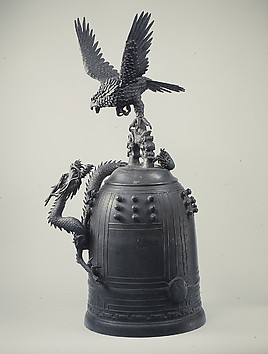
Bell, Leaded bronze (antimony present), Chinese
Chinese
late 19th century
Chan Chung, Leaded brass--contains tin and antimony., Chinese
Chinese
late 19th century
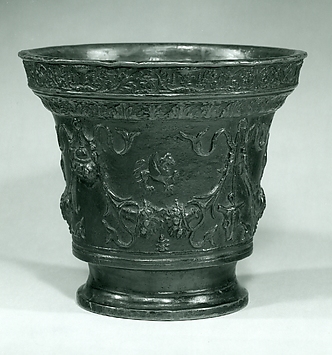
Mortar, Alberghetti Foundry , Venice, Copper alloy with a high content of tin, some lead, and no trace of zinc; the usual trace elements of iron, nickel, silver, and antimony are present, confirming that this is an alloy of fire-refined copper, certainly dating before about 1880; dark brown patina., Italian, Venice
Alberghetti Foundry
1551–80, (model), (possibly cast in France, first half of the 19th century)
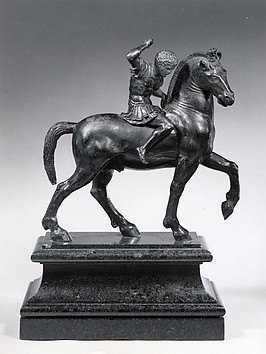
Warrior on Horseback, Desiderio da Firenze  Italian, Ternary alloy of copper, zinc and tin, with small traces of<br/>lead, iron, nickel, silver, and antimony (both horse and rider);<br/>Black lacquer patina under a chocolate brown patina (on<br/>both horse and rider); the eyes of the horse are inlaid with<br/>silver.
Desiderio da Firenze
ca. 1540
Densho (殿鐘), Leaded Bronze (trace of antimony), Japanese
Japanese
ca. 1856
Densho, Leaded bronze with trace of antimony Material analyzed by Conservation Department, 20 August 1976. Tested by energy-dispersive x-ray fluorescence spectometry, Japanese
Japanese
late 18th century
Chan Chung, Leaded bronze (antimony present), Chinese
Chinese
late 19th century
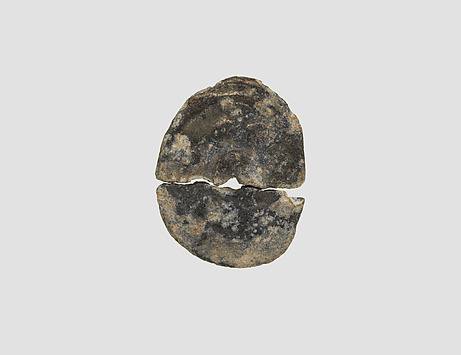
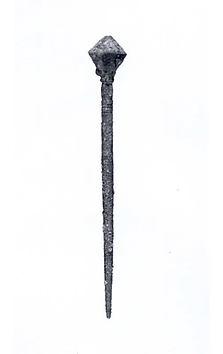
Pin, Antimony, Iran
Iran
ca. 9th century BCE
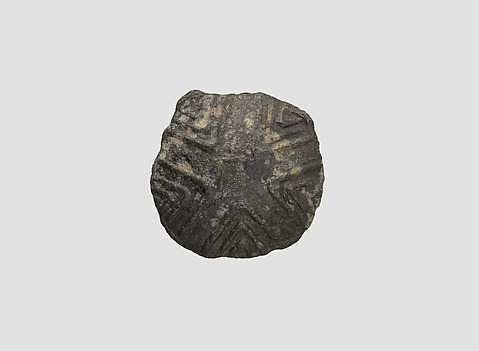
Button, Antimony, Iran
Iran
ca. 9th century BCE
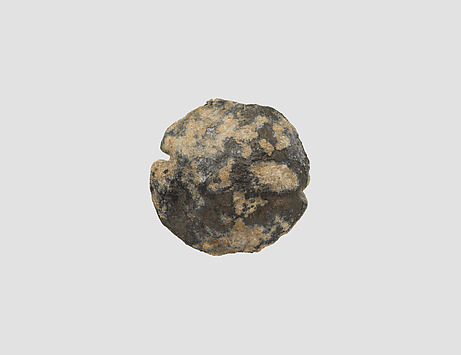
Bead, Antimony, Iran
Iran
ca. 9th century BCE
Bead, Antimony, Iran
Iran
ca. 9th century BCE
Bead, Antimony, Iran
Iran
ca. 9th century BCE
Bead, Antimony, Iran
Iran
ca. 9th century BCE
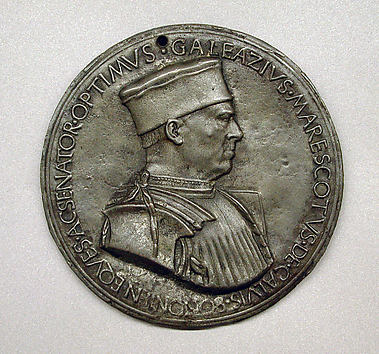
Galeazzo Marescotti, Noble of Bologna, (1407–1503), Savelli Sperandio  Italian, Bronze, coated with antimony, Italian
Savelli Sperandio
1478–82
Japanese
late 19th century
Japanese
19th century
Japanese
19th century
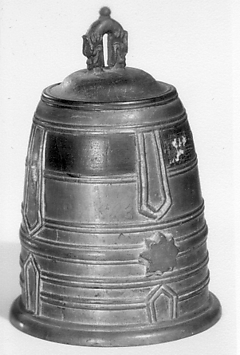
Japanese
19th century
Japanese
19th century
Japanese
19th century
South American
late 19th century
Japanese
19th century