Search the collection

Filter By

Archery
Geographic Location
Department
Date
Show Only:
  • As part of the Met's Open Access policy, you can freely copy, modify and distribute this image, even for commercial purposes.
    APIPublic domain data for this object can also be accessed using the Met's Open Access API
  • Objects with changed or unknown ownership in continental Europe between 1933-1945. Learn more
Showing 932 results
Sort by:
Crossbow of Count Ulrich V of Württemberg (1413–1480), Heinrich Heid von Winterthur  probably Swiss, Wood (European hornbeam), horn, animal sinew, staghorn, birch bark, iron alloy, copper alloy, pigment, German, probably Stuttgart
Heinrich Heid von Winterthur
dated 1460
Crossbow, Wood (European hornbeam), horn, animal sinew, animal glue, birch bark, staghorn, iron alloy, hemp, leather, Central European, possibly Austria
Central European, possibly Austria
ca. 1425–75
Crossbow (Halbe Rüstung) with Winder (Cranequin), Johann Gottfried Hänisch the Elder  German, Steel, wood (walnut), staghorn, copper alloy, hemp, leather, silk, gold, iron alloy, wool, crossbow, German, probably Dresden; winder, possibly German
Johann Gottfried Hänisch the Elder
crossbow, ca. 1720–30; winder, ca. 1575–1600
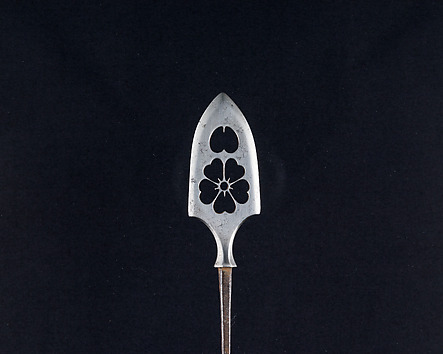
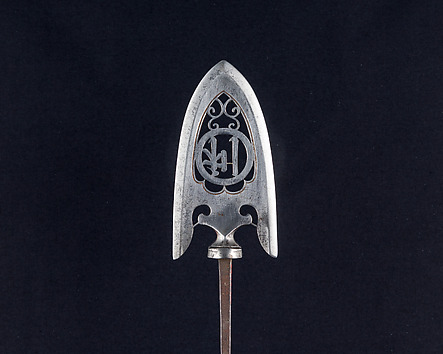
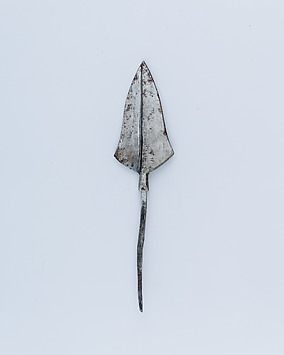
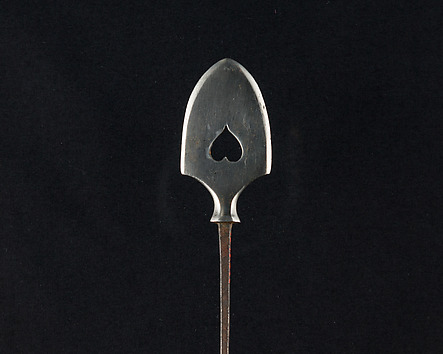
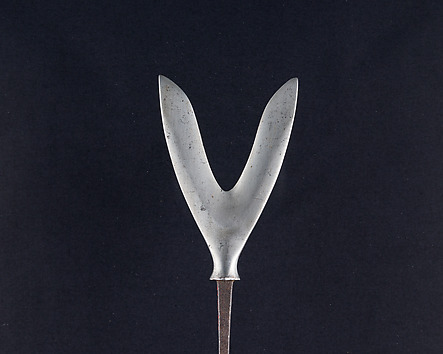
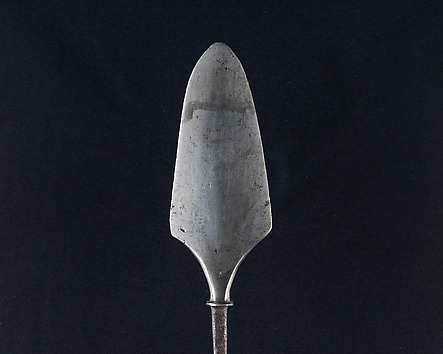
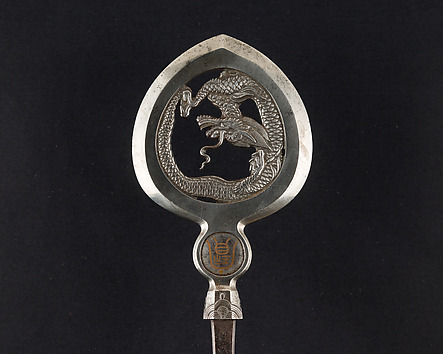
Ceremonial Arrowhead (<i>Yanone</i>), Umetada Motoshige  Japanese, Steel, Japanese
Umetada Motoshige
dated 1645
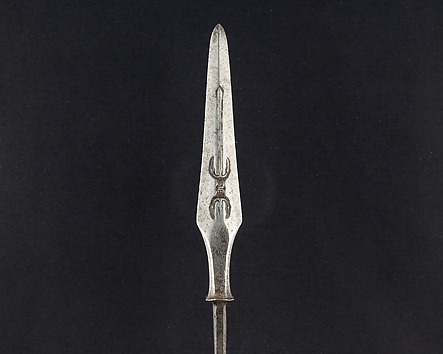
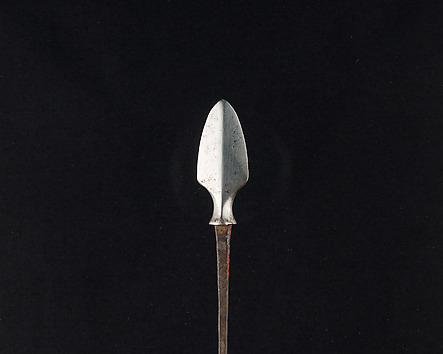
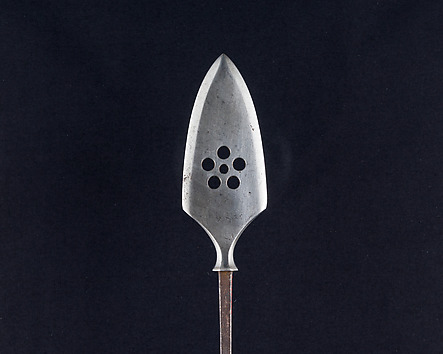
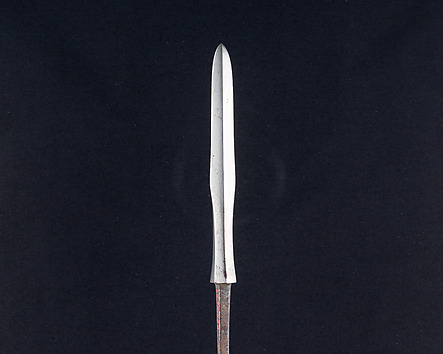
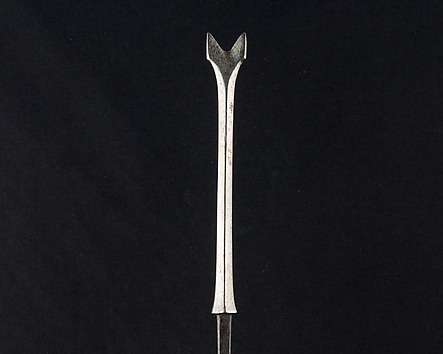
Ceremonial Arrowhead (<i>Yanone</i>), Umetada Motoshige  Japanese, Steel, Japanese
Umetada Motoshige
dated August 1645
Display Stand for Arrowheads, Wood, lacquer, copper alloy, Japanese
Japanese
18th–19th century
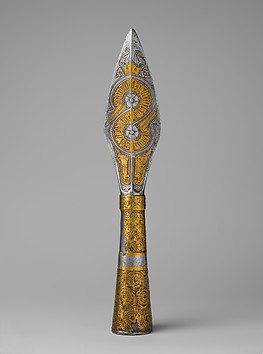
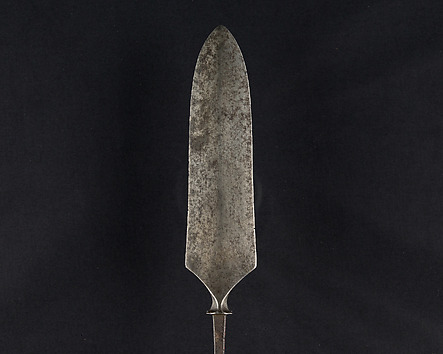
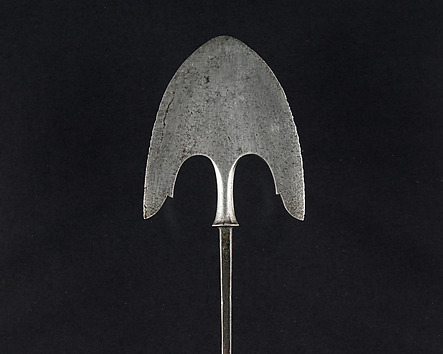
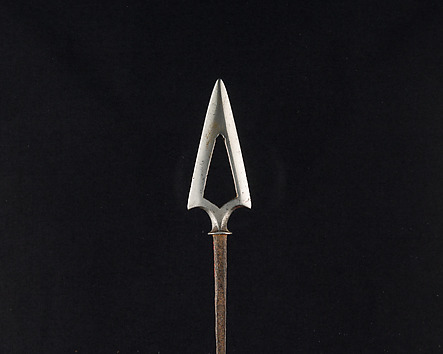
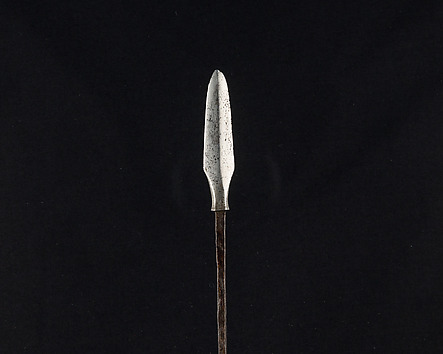
Ceremonial Arrowhead, Steel, copper alloy, Bohemian, probably Prague
Bohemian, probably Prague
ca. 1437–39
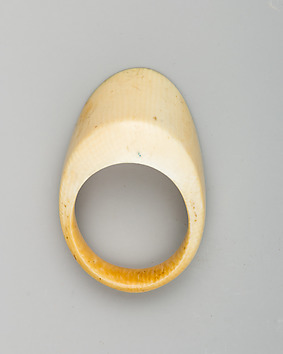
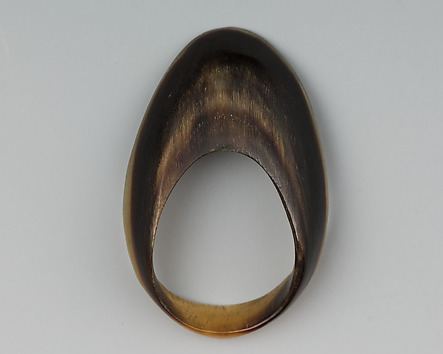
Archer's Ring (清   扳指), Bone, Chinese
Chinese
17th–19th century
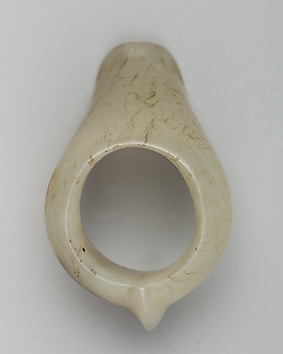
Archer's Ring (清   扳指), Jade, Chinese
Chinese
17th–19th century
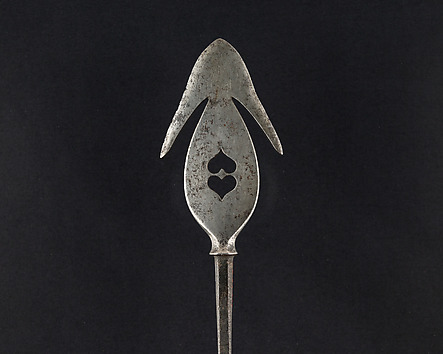
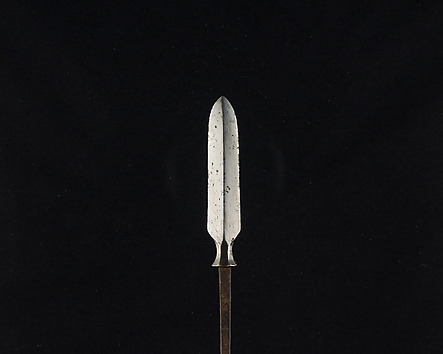
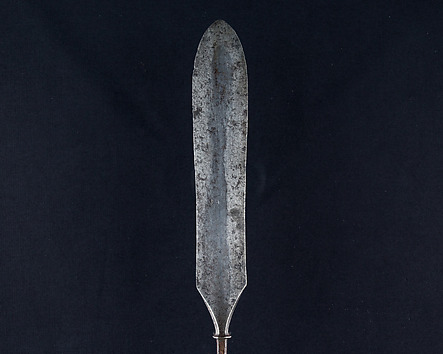
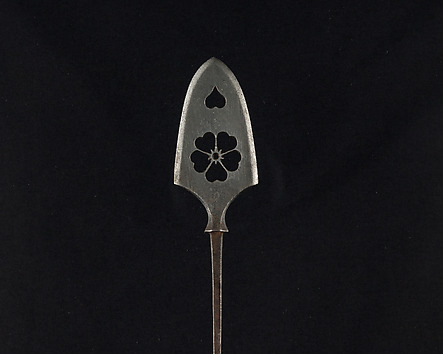
Ceremonial Arrowhead (<i>Yanone</i>), Umetada Motoshige  Japanese, Steel, Japanese
Umetada Motoshige
dated 1645
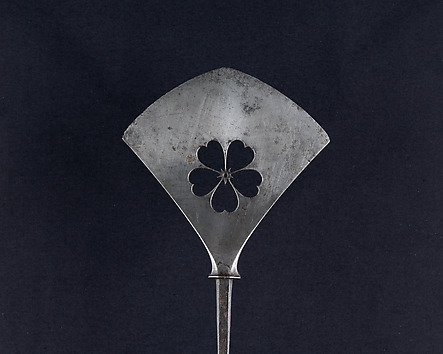
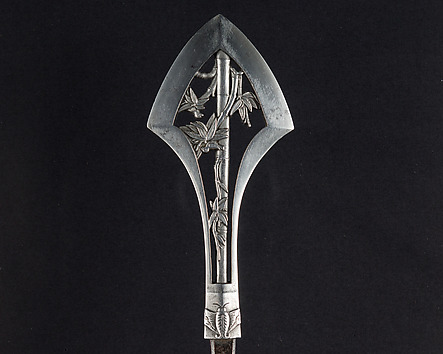
Ceremonial Arrowhead (<i>Yanone</i>), Umetada Motoshige  Japanese, Steel, Japanese
Umetada Motoshige
dated 1645
Ceremonial Arrowhead (<i>Yanone</i>), Umetada Motoshige  Japanese, Steel, Japanese
Umetada Motoshige
dated 1645
Archer's Ring with Taoist Symbols (清   扳指), Wood, Chinese
Chinese
19th century
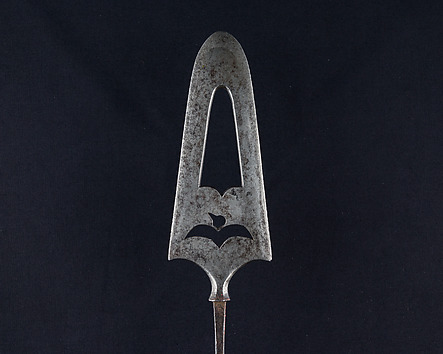
Ceremonial Arrowhead, Steel, copper alloy, Bohemian, probably Prague
Bohemian, probably Prague
1437–39
Crossbow (Halbe Rüstung) with Winder (Cranequin), Johann Gottfried Hänisch the Elder  German, Steel, wood, staghorn, copper alloy, hemp, wool, gold, iron alloy, German, Dresden
Johann Gottfried Hänisch the Elder
dated 1742
Cranequin (Crossbow Winder), Steel, horn (bovine), copper alloy, gold, hemp, leather, German, probably Nuremberg
German, probably Nuremberg
dated 1727
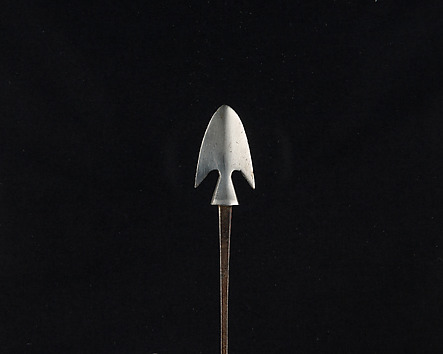
Ceremonial Arrowhead, Steel, copper alloy, Bohemian, probably Prague
Bohemian, probably Prague
1437–39
Archer's Ring (清   扳指), Amber, Chinese
Chinese
17th–19th century
Archer's Ring (清   扳指), Wen Zhao  Chinese, Ivory, Chinese
Wen Zhao
17th–19th century
Pellet and Bolt Crossbow Combined with a Wheel-Lock Gun, Jacob Floris , published in Antwerp in 1564. Central European, Steel, wood (cherry), staghorn, hemp, felt, Central European; possibly Southern German or Austrian
Jacob Floris
ca. 1570–1600
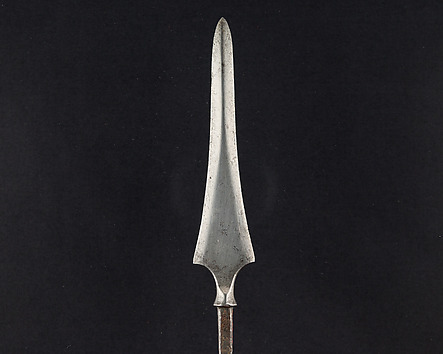
Three Ceremonial Arrowheads, Steel, copper alloy, Bohemian, probably Prague
Bohemian, probably Prague
ca. 1437–39
Cranequin from the Armory of Emperor Maximilan I (reigned 1493/1508–19), Steel, wood (fruitwood, possibly pear), copper alloy, Western or Central European, the Netherlands or Austria
Western or Central European, the Netherlands or Austria
ca. 1505–19
Six Crossbow Bolts, Steel, wood (oak), staghorn, pigment, Central European, possibly German
Central European, possibly German
early 16th century; 14.25.1576g, probably 17th or 18th century
Archer's Arm Guard (Bracer), Copper alloy, Belgian
Belgian
dated 1752
Quiver with Eleven Crossbow Bolts, Wood (oak, probably birch), tanned hide (possibly badger), paper, leather, steel, iron alloy, Western or Central European; quiver, possibly German
Western or Central European; quiver, possibly German
quiver, probably early 16th century; bolts, 14th–16th century
Archer's wrist guard, Leather
ca. 1981–1550 B.C.
Tibetan or Chinese
19th century
Japanese
19th century
Japanese
19th century
Japanese
19th century
Japanese
19th century
Chinese
19th century
Japanese
19th century
Japanese
19th century
Japanese
19th century
European, possibly German
probably 16th century
European, possibly German
probably 16th century
European, possibly German
probably 16th or 17th century
Central European, possibly Germany
probably 17th or 18th century
Bow Case, Quiver, and Belt (gzhu shubs dang mda' shubs), Leather, shellac, pigment, wood, iron, gold, Tibetan or Mongolian
Tibetan or Mongolian
15th–17th century