Search The Collection
Filter By
Chasubles
Geographic Location
Date / Era
Department
Show Only:
- As part of the Met's Open Access policy, you can freely copy, modify and distribute this image, even for commercial purposes.API
Public domain data for this object can also be accessed using the Met's Open Access API
Objects with changed or unknown ownership in continental Europe between 1933-1945. Learn more
Showing 142 results
Sort by:
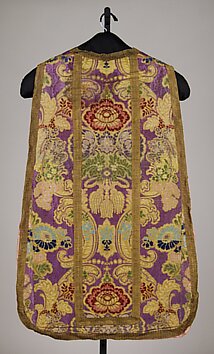
probably Italian
ca. 1875
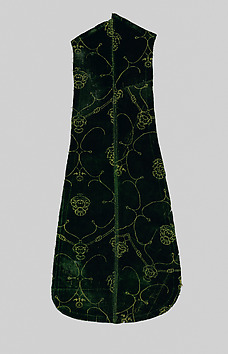
Italian
mid-15th century
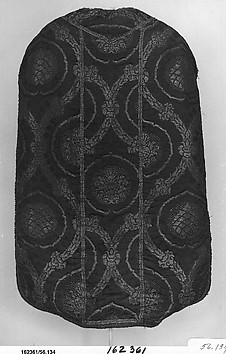
Italian
16th century
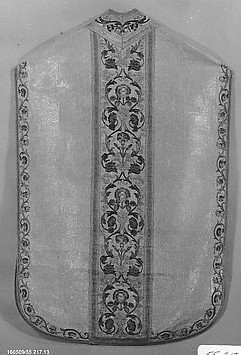
Italian
Late 19th century
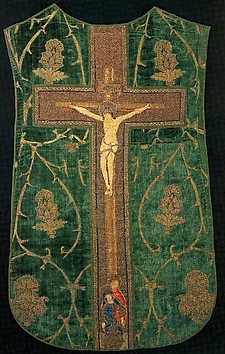
Italian, Spanish, or Turkish; German
15th century
Italian
ca. 1890
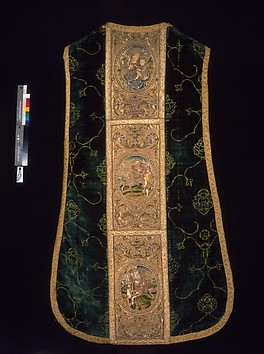
Italian
mid-15 century (chasuble); first quarter 16th century (orphreys)
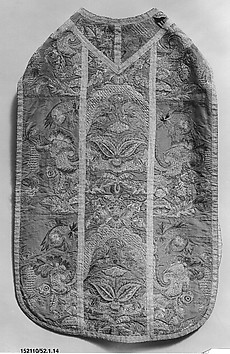
Italian or Central European
18th century (needlework), cut and applied onto current support at a later date
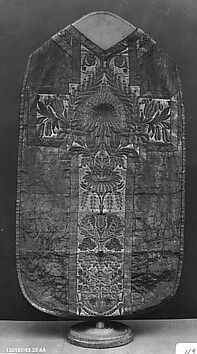
French
19th century
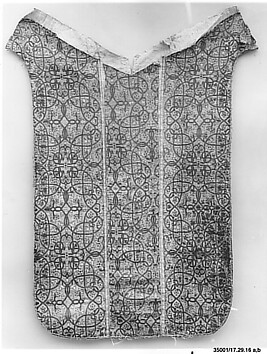
Spanish
16th century
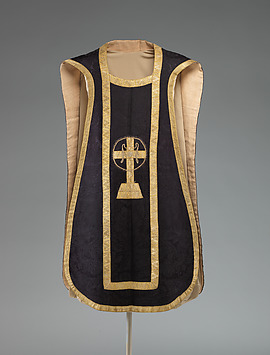
Italian, probably Rome
late 18th–early 19th century

Italian
mid-18th century
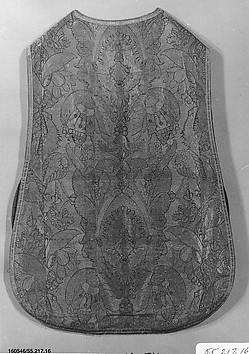
Italian
ca. 1720
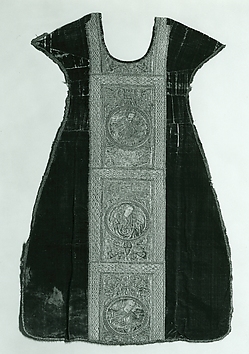
Spanish
16th century
Italian, possibly
mid-16th century
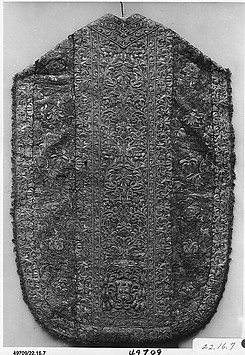
Italian, Sicily
1589–90
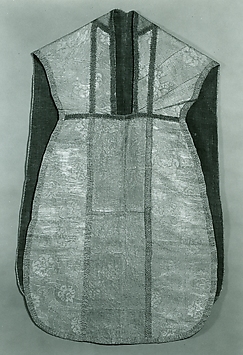
Italian
16th century
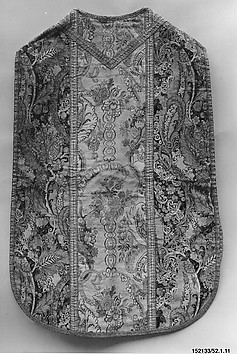
Italian
19th century
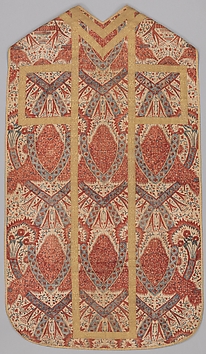
Indian, Coromandel Coast and Central European, for European market
ca. 1725, patched and reassembled in current form ca. 1775

Italian
Late 15th century
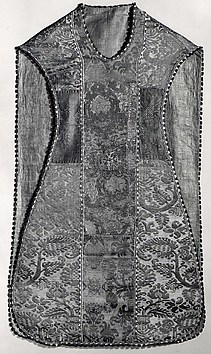
Spanish
late 16th or early 17th century
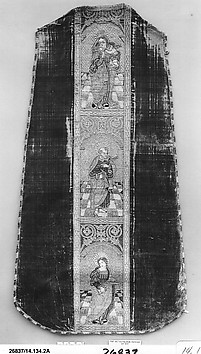
Spanish
ca. 1575 (embroideries), ca. 1800 (velvet) cut, patched and assembled ca. 1890
Central European, probably
ca. 1625
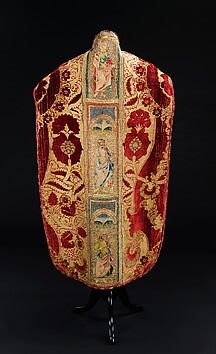
Spanish
ca. 1550, cut, patched and reassembled at a later date
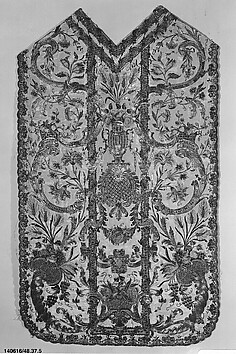
Italian
mid-19th century
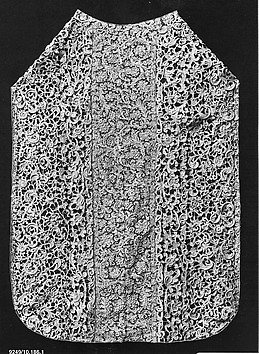
Italian, Venice
second half of 17th century

Italian
17th–18th century
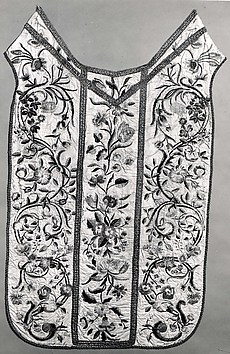
Italian
late 17th or early 18th century
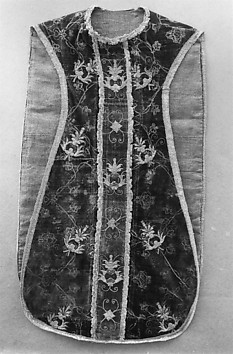
British
15th–16th century
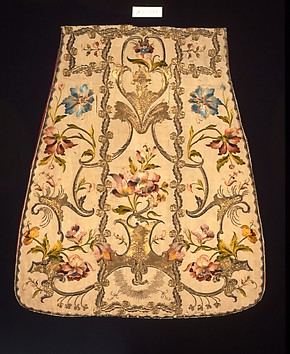
Italian
18th century
French
first half 18th century
Spanish
ca. 1575 (embroideries), ca. 1800 (velvet) cut, patched and assembled ca. 1890
Italian or Chinese, for European market
Second half of the eighteenth century
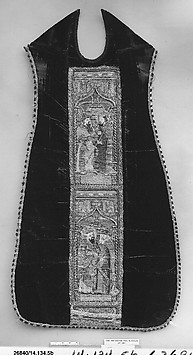
French
15th century
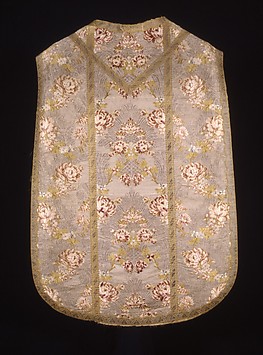
Italian or French
late 17th or early 18th century
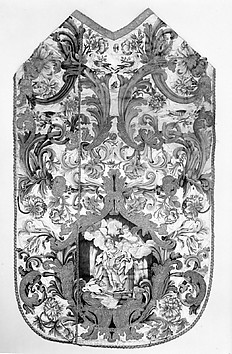
Italian
late 17th century (textile); 18th century (current appearance)
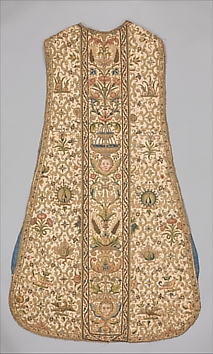
French
16th century
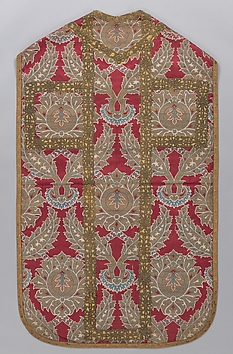
17th century
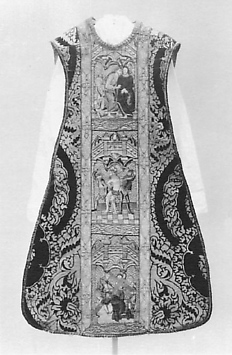
Italian or Spanish
late 15th century
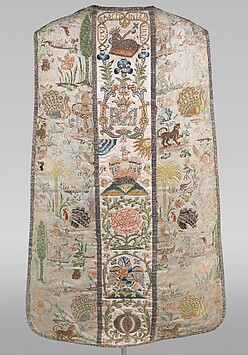
Portuguese
ca. 1720 (figurative woven silk), ca. 1775 (embroidered orphrey), cut patched and reassembled ca. 1775