Search the collection

Filter By

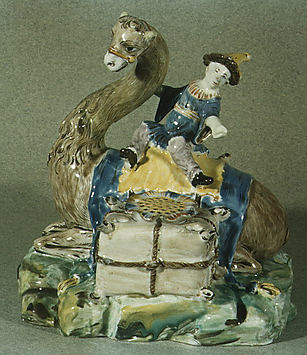
Inkstands
Geographic Location
Department
Date
Show Only:
  • As part of the Met's Open Access policy, you can freely copy, modify and distribute this image, even for commercial purposes.
    APIPublic domain data for this object can also be accessed using the Met's Open Access API
Showing 61 results
Sort by:
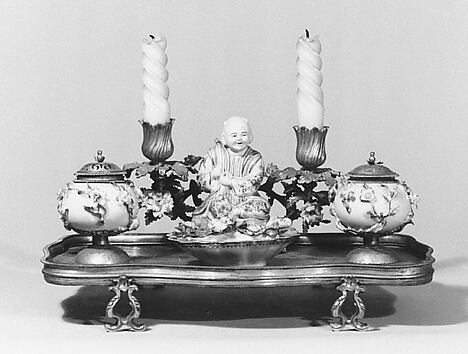
Inkstand (écritoire), Villeroy  French, Soft-paste porcelain, gilt-bronze mounts, French, Villeroy
Villeroy
Jean-Joseph de Saint Germain
ca. 1740–48
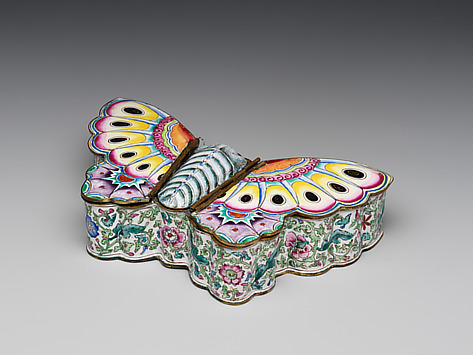
Inkstand in the shape of a butterfly, Painted enamel on copper alloy, China
China
19th century
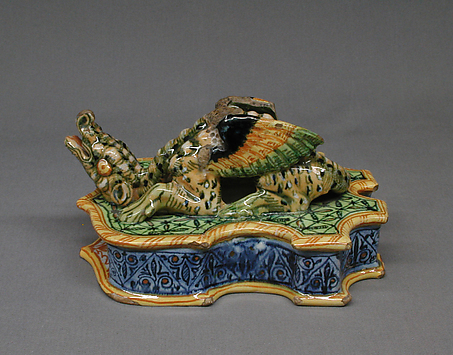
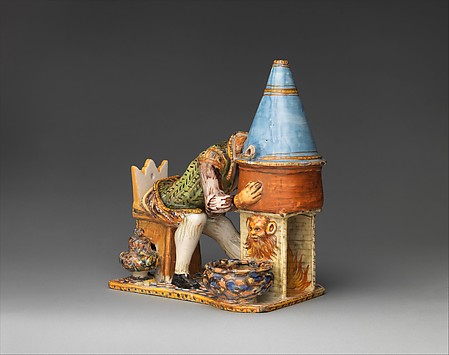
Inkstand with Apollo and the Muses, Patanazzi family  Italian, Maiolica (tin-glazed earthenware), Italian, Urbino
Patanazzi family
Raphael (Raffaello Sanzio or Santi)
1584
Christ and the Woman of Samaria, Lead-glazed earthenware, French, Avon
French, Avon
early 17th century
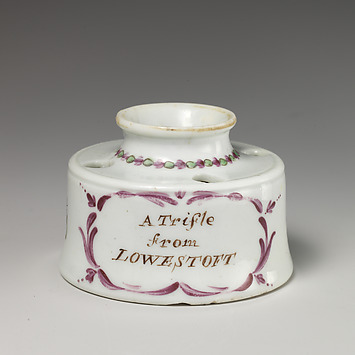
Inkstand, Lowestoft  British, Soft-paste porcelain, British, Lowestoft
Lowestoft
ca. 1780
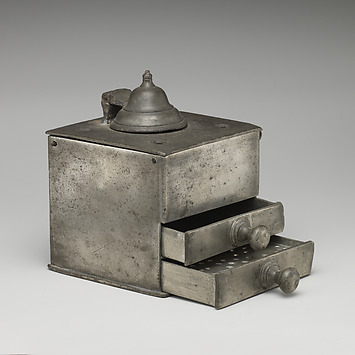
Inkstand, William Crolius  American, Stoneware, American
William Crolius
1773
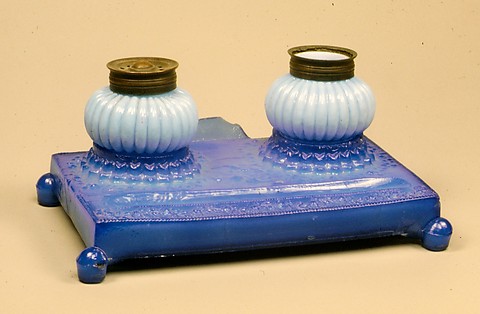
Inkstand, Boston & Sandwich Glass Company  American, Pressed and blown-molded glass, pewter
Boston & Sandwich Glass Company
1830–40
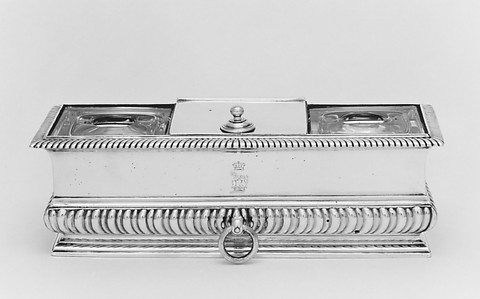
Inkstand, John Coney  American, Silver, American
John Coney
1710–20
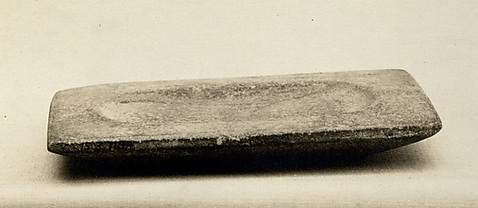
Palette, Grey stone
ca. 1981–1640 B.C.
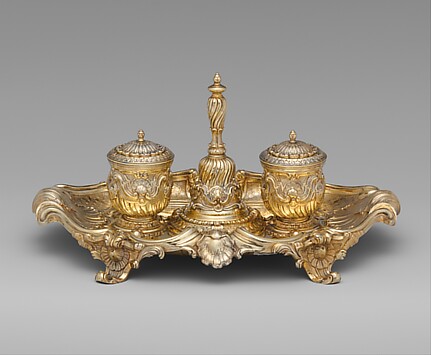
Inkstand, Francesco Ladatte  Italian, Silver gilt, Italian, Turin
Francesco Ladatte
Andrea Boucheron
ca. 1753
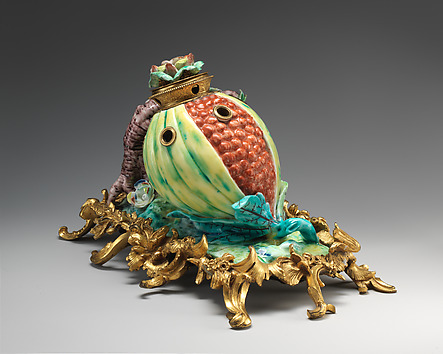
Inkstand in the form of a pomegranate in a gilt-bronze mount, Chantilly  French, Soft-paste porcelain, gilded bronze, French, Chantilly or Villeroy
Chantilly
Villeroy
porcelain ca. 1735, mounts ca. 1740–50 and later
1800–1900
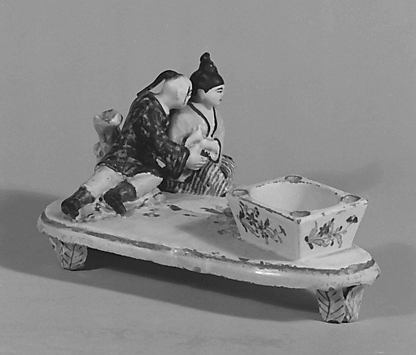
Inkstand, Faience (tin-glazed earthenware), French, Sceaux
French, Sceaux
ca. 1750
Inkstand, Salt-glazed stoneware, German, Westerwald
German, Westerwald
18th century
Inkstand, Daniel Garnier, Silver, British, London
Daniel Garnier
1697–98
Inkstand, Hard-paste porcelain, gilt bronze, glass, French
French
18th–19th century
Inkstand, John Plimmer, Silver, British, London
John Plimmer
1802
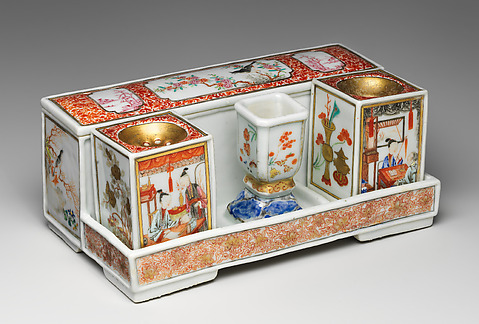
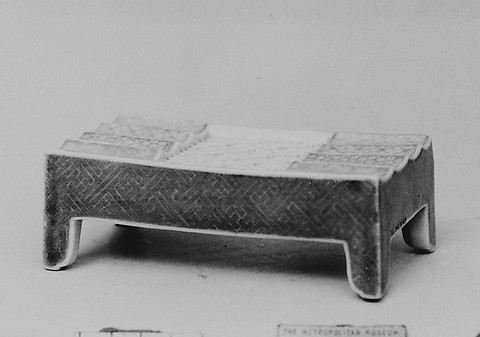
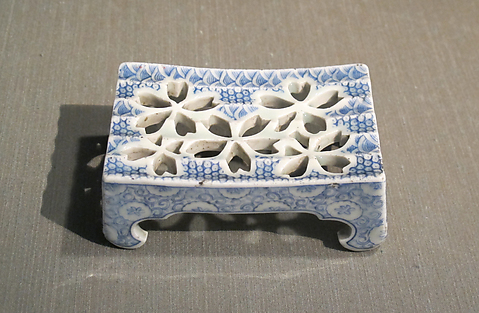
Inkstand, Porcelain decorated in blue under the glaze; the top pierced (Arita ware, Imari type), Japan
Japan
1800
Inkstand, Porcelain with underglaze blue; top perforated (Arita ware, Imari type), Japan
Japan
mid-19th century
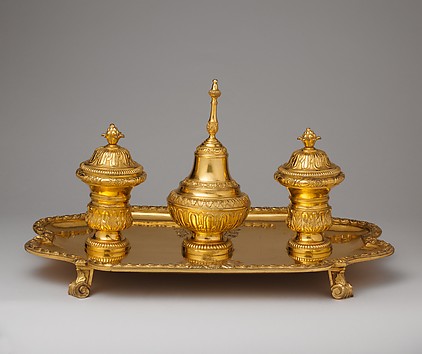
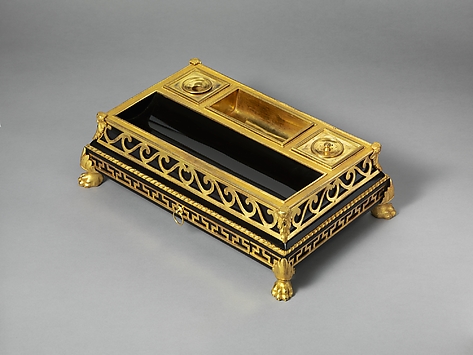
Inkstand, Gilt bronze, French
French
ca. 1730
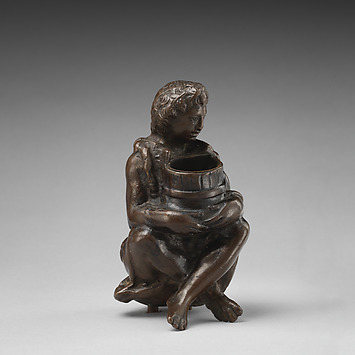
Boy with a barrel, Bronze, black lacquer patina, probably Italian
probably Italian
16th century (?)
Boy with a barrel, Bronze, black lacquer patina, probably Italian
probably Italian
16th century (?)
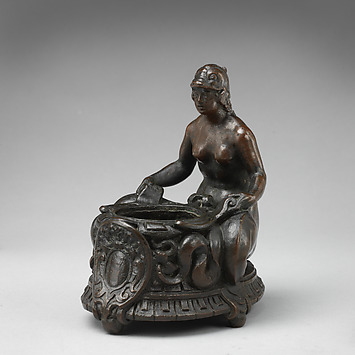
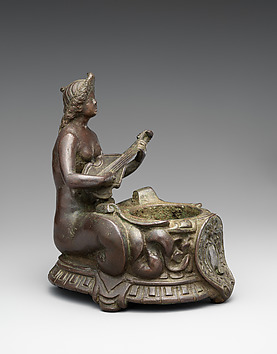
Mermaid with ink pot, Bronze, Italian, possibly Venice
Italian, possibly Venice
16th century
Inkwell (one of a pair) surmounted by finial figure representing History, Bronze, Possibly Northern Italian
Possibly Northern Italian
17th century or later
Inkwell (one of a pair) surmounted by finial figure representing vigilance, Bronze, Possibly Northern Italian
Possibly Northern Italian
17th century or later
Inkstand, Peter Harache I, Silver, British, London
Peter Harache I
1690–91
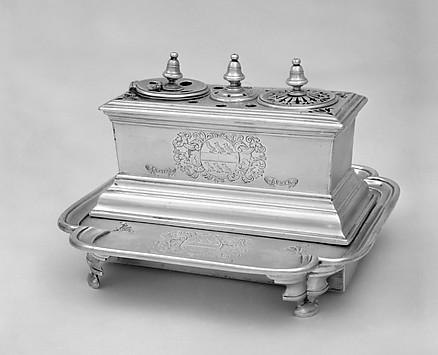
Inkstand on a tray, Samuel Lee, Silver, British, London
Samuel Lee
1726
Inkstand, Johannes Zeschinger, Tin-glazed earthenware, German, Höchst
Johannes Zeschinger
18th century
Inkstand, Ludwigsburg Porcelain Manufactory  German, Hard-paste porcelain, German, Ludwigsburg
Ludwigsburg Porcelain Manufactory
ca. 1760
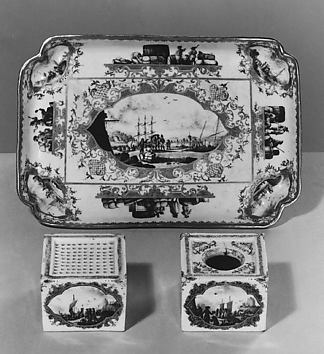
Tray (part of an inkstand), Meissen Manufactory  German, Hard-paste porcelain, German, Meissen
Meissen Manufactory
ca. 1735
Inkstand, Royal Porcelain Manufactory, Naples  Italian, Soft-paste porcelain, Italian, Naples
Royal Porcelain Manufactory, Naples
ca. 1765
Mermaid playing a lute, Bronze, Italian, possibly Venice
Italian, possibly Venice
1550–1600
Inkstand, Simon Pantin I  British, Silver, British, London
Simon Pantin I
1725–26
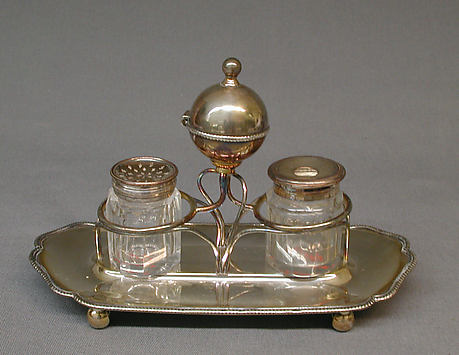
Inkstand, Sheffield plate, glass, British
British
ca. 1815
Inkstand, Bronze, Italian, probably Padua
Andrea Cinelli
late 18th century
Inkstand, Bronze, German
German
ca. 1530–50
Inkstand, Hard-paste porcelain, Chinese, for European market
Chinese, for European market
1750–70
Inkstand, Silver gilt, British, after Italian original
British, after Italian original
19th century, after 16th or 18th century original
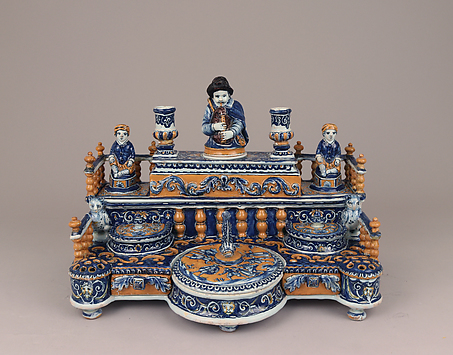
Inkstand (Écritoire), Faience (tin-glazed earthenware), French, possibly Lille
French, possibly Lille
18th century
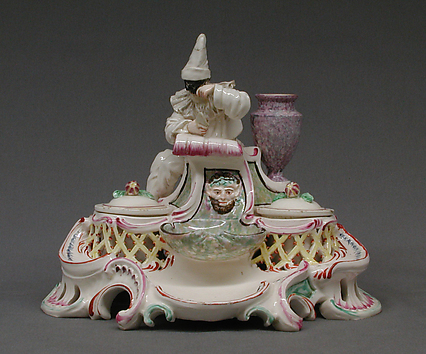
Inkstand, Paul-Louis Cyfflé  French, Faience (tin-glazed earthenware), French, St. Clement
Paul-Louis Cyfflé
ca. 1760