Search the collection

Filter By

Lead bronze
Geographic Location
Department
Date
Show Only:
  • As part of the Met's Open Access policy, you can freely copy, modify and distribute this image, even for commercial purposes.
    APIPublic domain data for this object can also be accessed using the Met's Open Access API
  • Objects with changed or unknown ownership in continental Europe between 1933-1945. Learn more
Showing 49 results
Sort by:
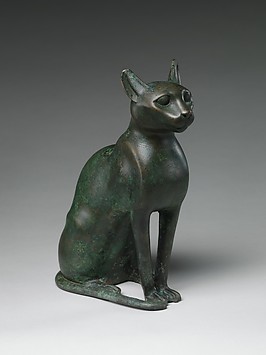
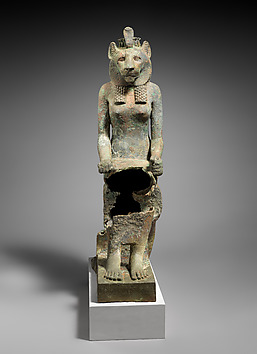
Cat Statuette intended to contain a mummified cat, Leaded bronze
332–30 BCE
Kushite official, subsequently modified, Leaded bronze, gold leaf
ca. 712–664 B.C.
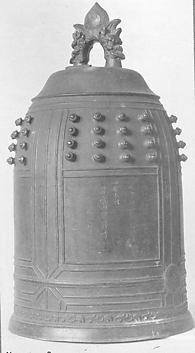
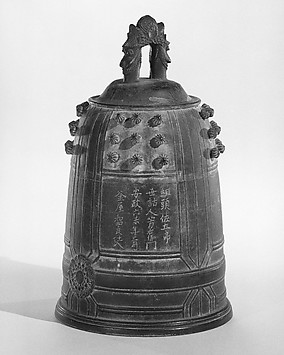
Densho, Leaded bronze (trace of antimony), Japanese
Japanese
19th century
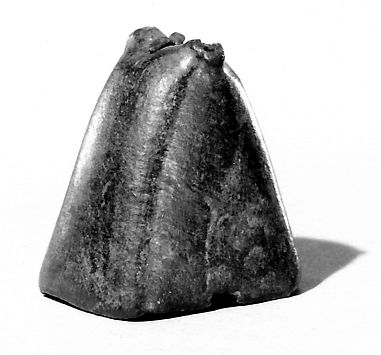
Bell, Leaded bronze, Greek
Greek
3rd or 4th century BCE (?)
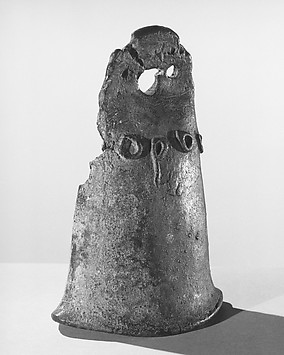
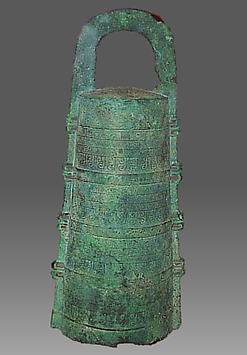
Dōtaku ( 銅鐸 ), Leaded bronze (arsenic present), Japanese
Japanese
1st century BC
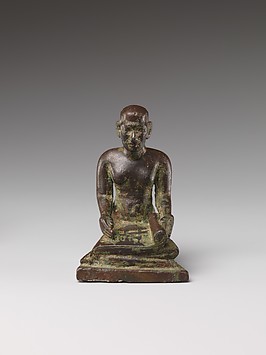
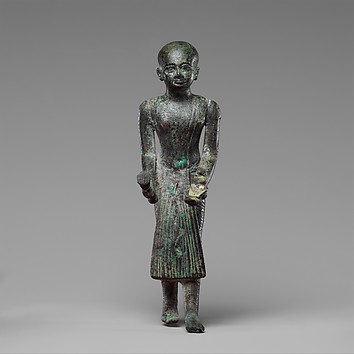
Scribe statuette, Leaded bronze
332–30 B.C.
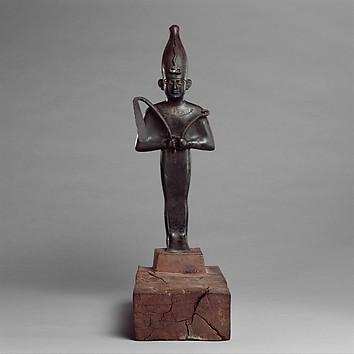
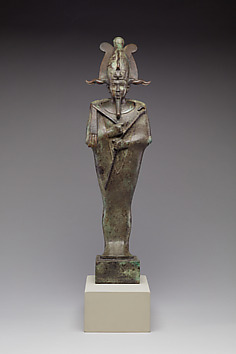
Statuette of Osiris, Leaded bronze
664–332 BCE
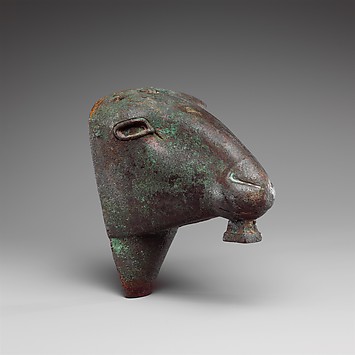
Ram head made for attachment to a barque, Leaded bronze, precious metal leaf, copper alloy inlay in eye rims
ca. 1070–664 BCE
Priest with vase and censer, Leaded bronze, gold leaf on censer and vessel
ca. 945–712 B.C.
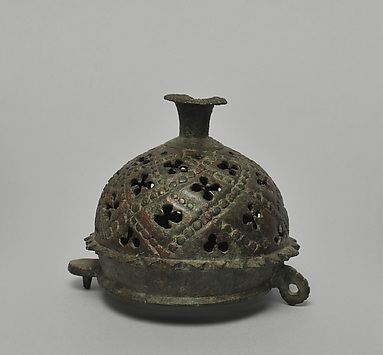
Censer, Leaded bronze
525–332 B.C.
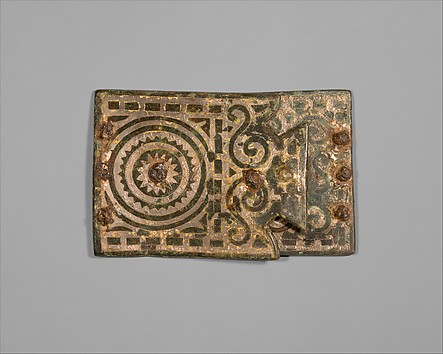
Belt Clasp, Leaded bronze, inlaid silver, iron rivets, Celtic
Celtic
2nd century BCE
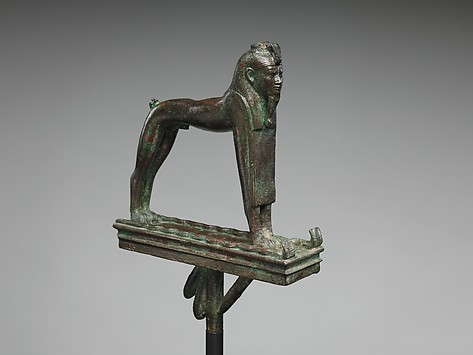
<em>Sib</em> sphinx for a barque, Leaded bronze
ca. 664–525 BCE
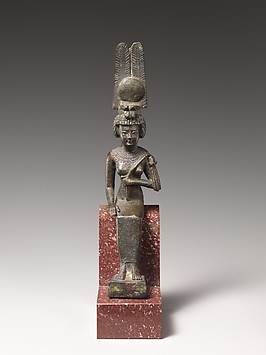
Khereduankh, the mother of Imhotep, Leaded bronze
332–30 B.C.
Statue of lion-headed Wadjet inscribed for Minirdis, son of Panehsy and of Aarwt(?) whose parents are Horwedja and Nitocris, Leaded bronze
664–525 BCE
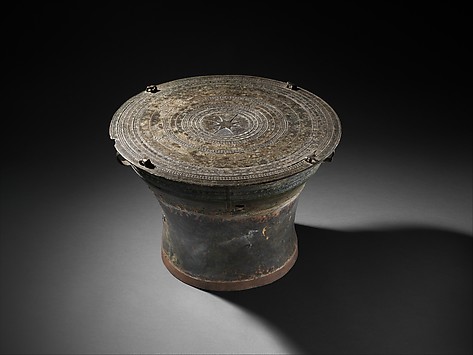
Mahōra Thuk (กลองมโหระทึก), Leaded bronze, possibly Thai
possibly Thai
14th–17th century
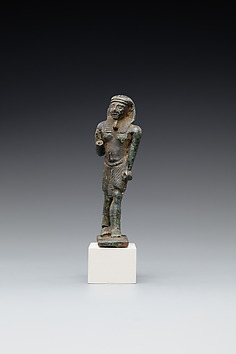
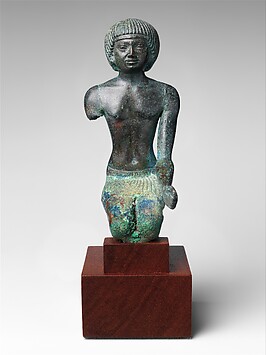
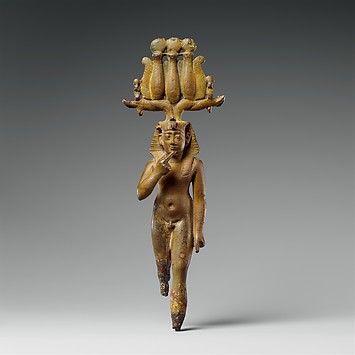
Male figure in a nemes and shendyt kilt, Leaded bronze
30 B.C.–A.D. 300
Osiris offered by the Astronomer of the House of Amun, Ibeb, Leaded bronze; precious-metal leaf; inlays of other materials; wood base with ink or black paint inscription
ca. 1070–712 B.C.
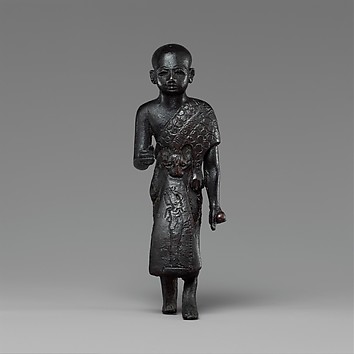
Priest in a leopard skin cloak with an inscription and Osiris on his skirt, Leaded bronze
ca. 712–650 B.C.
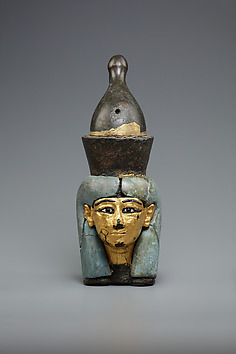
Attachment in the form of the head of a goddess wearing the double crown, Leaded bronze, gold and electrum sheet on crown, Egyptian blue and glass inlays
ca. 1070–664 B.C.
A child god, probably Harpokrates, Leaded bronze, formerly gilded
1st century B.C. or earlier
Bastet, Leaded bronze, precious metal and black bronze inlays
664–30 B.C.
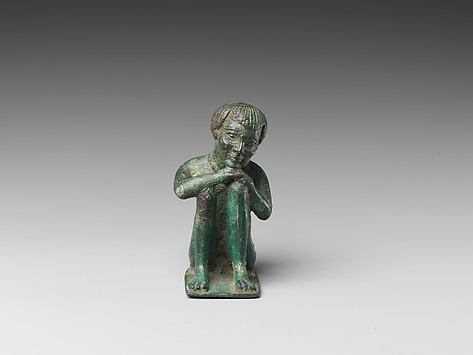
Man squatting with head resting on his hands on his knees, Leaded bronze
332–30 B.C.
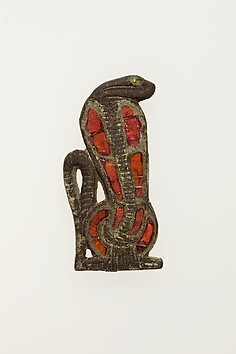
Uraeus for freize, Leaded bronze, glass, gold leaf
664–30 B.C.
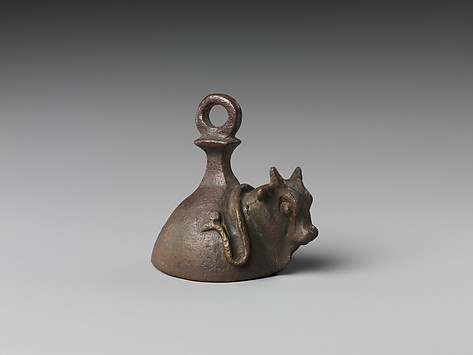
Bell with head of a bovine wearing a yoke ending in uraei, Leaded bronze
332–30 B.C.
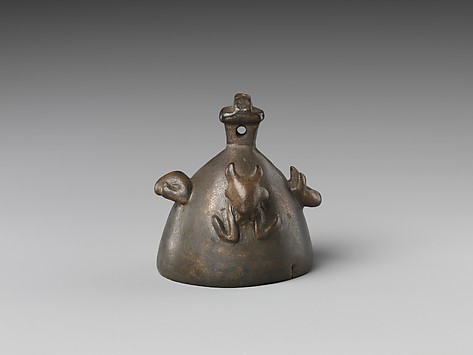
Bell with heads of a ram, a jackal, and a bovine wearing a yoke ending in uraei, Leaded bronze
332–30 B.C.
Uraeus for freize, Leaded bronze, glass, gold leaf
664–30 B.C.
Caryatid Mirror Depicting a Young Girl, Leaded bronze
ca. 1295–1070 B.C.
Statuette of Anhur (Onuris), Leaded bronze
ca. 1070–664 BCE
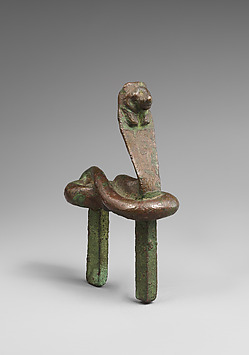
Figure of a rearing cobra with lion head, Leaded bronze
664–30 BCE
332–30 B.C.
Cylinder seal, Copper alloy (leaded bronze)
ca. late 2nd millennium BCE
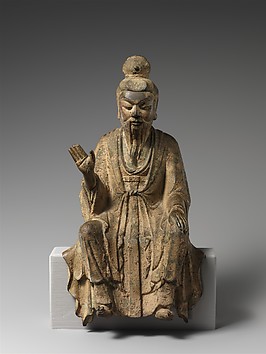
Daoist Immortal, probably Laozi (老子)
, High-leaded bronze, China
China
10th century
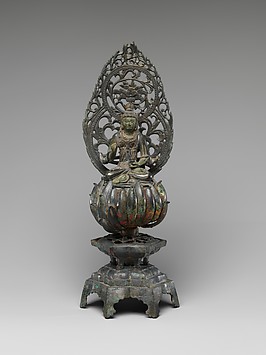
Bodhisattva, Leaded bronze; lost-wax cast, China
China
10th century
La Kang, Leaded bronze, Thai
Thai
late 19th century
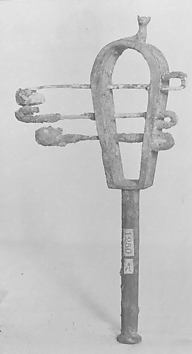
Seshesh, leaded bronze, possibly Italian (Ancient Roman)
possibly Italian (Ancient Roman)
1st century CE
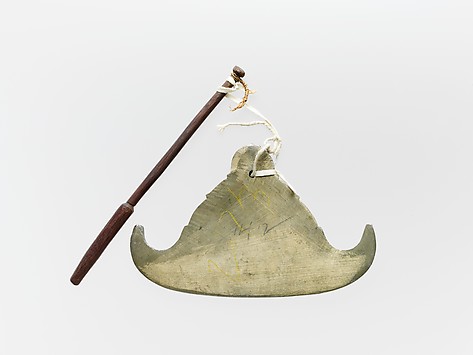
Seshesh, Leaded bronze., Roman?
Roman?
1st–2nd century
Bell, Leaded bronze, Italian (Ancient Roman)
Italian (Ancient Roman)
100 BC–200 AD?
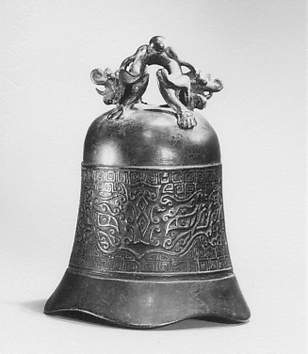
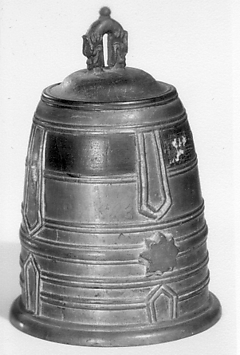
Bell, Leaded bronze (antimony present), Chinese
Chinese
late 19th century
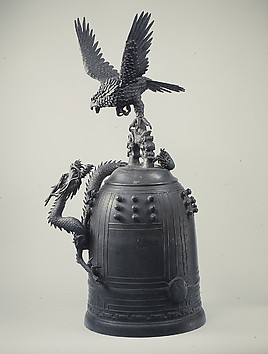
Densho (殿鐘), Leaded Bronze (trace of antimony), Japanese
Japanese
ca. 1856
Densho, Leaded bronze with trace of antimony Material analyzed by Conservation Department, 20 August 1976. Tested by energy-dispersive x-ray fluorescence spectometry, Japanese
Japanese
late 18th century