Search the collection

Filter By

Legs
Geographic Location
Department
Date
Show Only:
  • As part of the Met's Open Access policy, you can freely copy, modify and distribute this image, even for commercial purposes.
    APIPublic domain data for this object can also be accessed using the Met's Open Access API
  • Objects with changed or unknown ownership in continental Europe between 1933-1945. Learn more
Showing 162 results
Sort by:
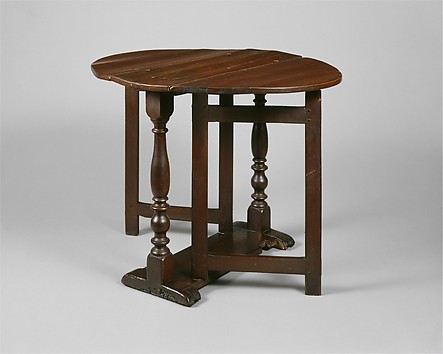
Gate-leg Drop-leaf Table, Yellow pine, American
American
1700–1750
Gate-leg Table, Walnut, American
American
1700–1725
Gate-leg table, Sweet gum, yellow poplar, American
American
1690–1730
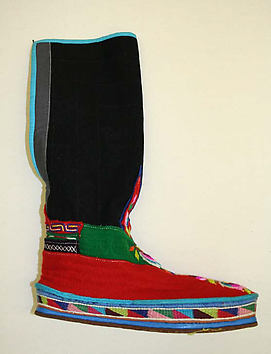
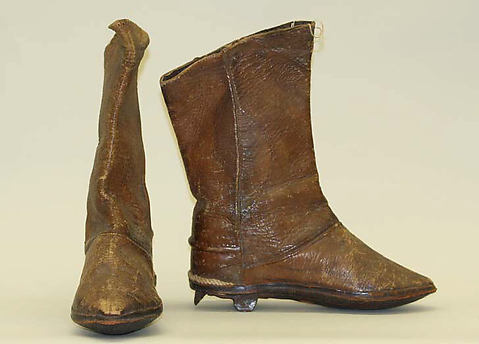
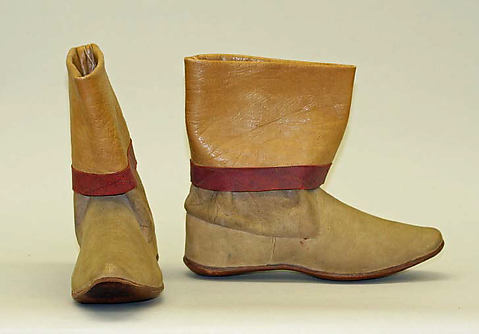
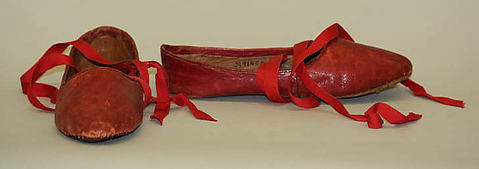
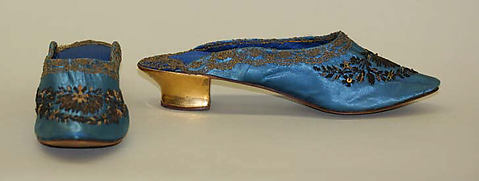
Pair of Ankle Shoes, Leather (sole), wood (heal), silk velvet, metal wrapped thread, twisted wire, spiral wire, and metallic sequins, wool (elastic band); embroidered
late 19th century–early 20th century
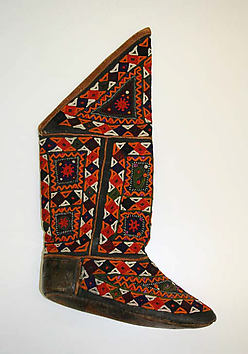
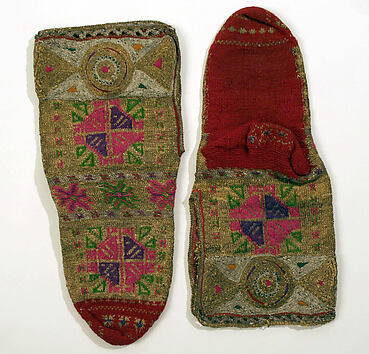
Bindalli wedding slippers, Leather sole, painted wood heel, silk velvet, metal-wrapped thread, twisted wire, spiral wire, and embroidery
late 19th–early 20th century
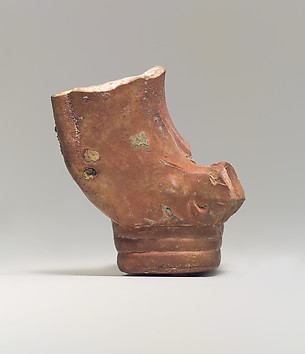
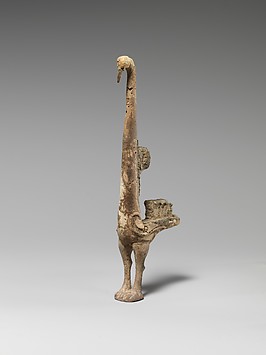
Terracotta vessel in the shape of a bent leg, Terracotta, Etruscan
Etruscan
ca. 550–500 BCE
Bronze left leg and foot, Bronze, Roman
Roman
1st or 2nd century CE
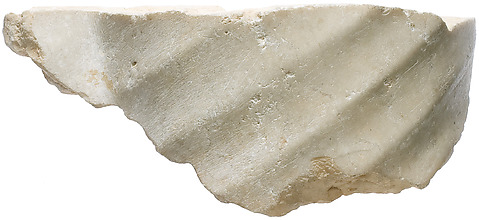
Marble leg of a table with a tiger's head, Marble, Roman
Roman
1st–2nd century CE
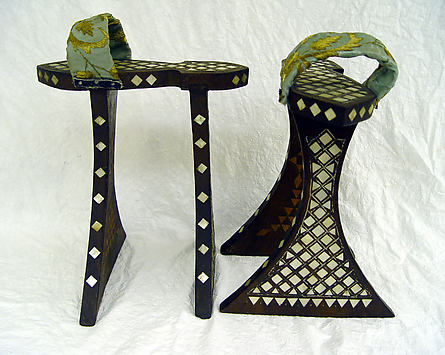
Hammam Shoes, Wood, mother-of-pearl, velvet, metal-wrapped thread, and metal
19th century
Gilt bronze horse's hoof and fetlock, Bronze, Gold, Roman
Roman
1st or 2nd century CE
Fragment of a terracotta plaque, Terracotta, Greek, Cretan
Greek, Cretan
7th century BCE
Mummified leg of beef case, Limestone
ca. 2323–2255 B.C.
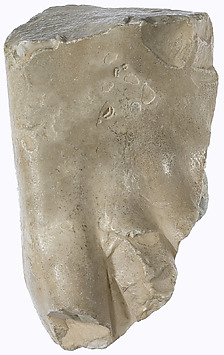
Arm or leg (?), Indurated limestone
ca. 1353–1336 B.C.
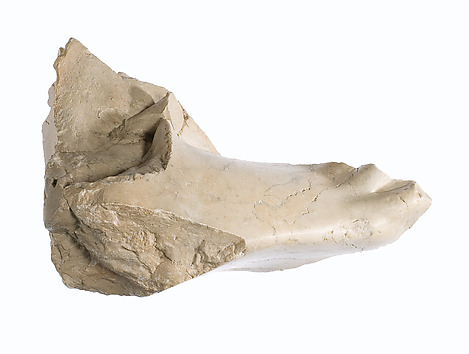
Arm or leg (?) with prominent long bone, Indurated limestone
ca. 1353–1336 B.C.
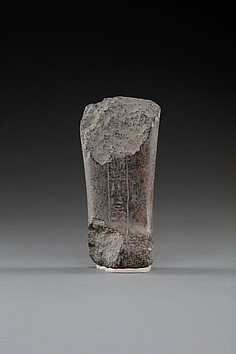
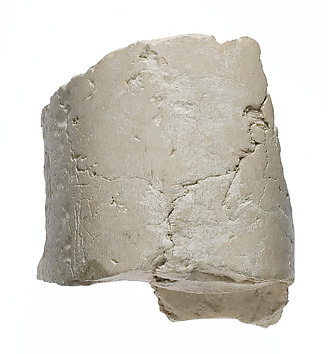
Arm at wrist, leg at knee (?), Indurated limestone
ca. 1353–1336 B.C.
Relief horses' legs, Limestone, paint (mostly modern)
ca. 1353–1336 B.C.
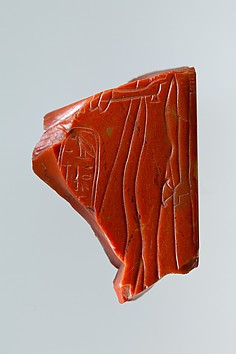
Statue fragment from a standing figure whose back pillar has cartouche of Ramesses II, and the figure of queen Nefertari incised on side, Red Jasper
ca. 1279–1213 B.C.
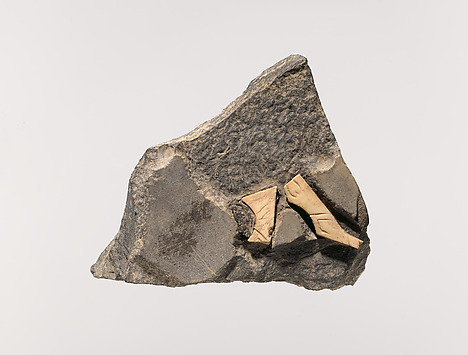
Right foot and leg of Akhenaten or Nefertiti prostrate, Indurated limestone
ca. 1352–1336 B.C.
Right foot of Akhenaten or Nefertiti prostrate, Indurated limestone
ca. 1352–1336 B.C.
Foot and leg of Akhenaten or Nefertiti prostrate, Indurated limestone
ca. 1352–1336 B.C.
Foot and leg of Akhenaten or Nefertiti prostrate, Indurated limestone
ca. 1352–1336 B.C.
Leg (?), with pleated garment, Indurated limestone
ca. 1353–1336 B.C.
Leg from a Model Bed, Wood
ca. 1550–1295 B.C.
Lion furniture leg, Faience
4th century B.C.
Lower part of furniture leg with lion feet and frustrum, Faience
664–30 B.C.
Lower body of a shabti of  a man called Apepi, Limestone
ca. 1981–1550 B.C.
Shabti legs, Serpentinite, paint
ca. 1850–1640 B.C.
Shabti legs, Green faience
ca. 1850–1750 B.C.
Scarab Inscribed with a Blessing Related to Amun (Amun-Re), Faience
ca. 664–525 B.C.
Leg of a Model Bed, Wood
ca. 1550–1295 B.C.
Ox leg dish, Ivory
ca. 1550–1295 B.C.
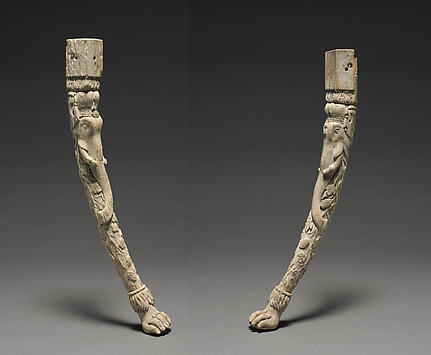
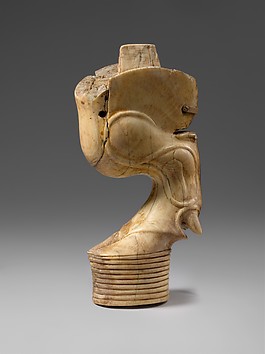
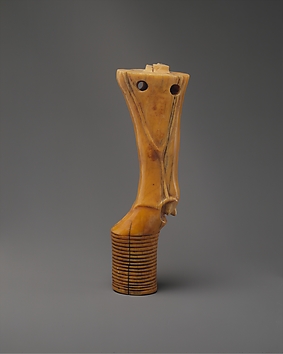
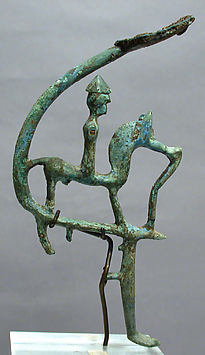
Royal throne leg with equestrian warrior, Ivory with traces of polychrome and iron armature, Eastern India, Odisha
Eastern India, Odisha
17th century
589–570 B.C.
589–570 B.C.
Rhodian
1st quarter of the 6th century BCE
ca. 1295–1070 B.C.
ca. 1188–1186 B.C.
ca. 1295–1070 B.C.
ca. 1295–1070 B.C.
ca. 1295–1070 B.C.