Search The Collection
Filter By
Rattles
Geographic Location
Date / Era
Department
Show Only:
- As part of the Met's Open Access policy, you can freely copy, modify and distribute this image, even for commercial purposes.API
Public domain data for this object can also be accessed using the Met's Open Access API
Objects with changed or unknown ownership in continental Europe between 1933-1945. Learn more
Showing 426 results
Sort by:
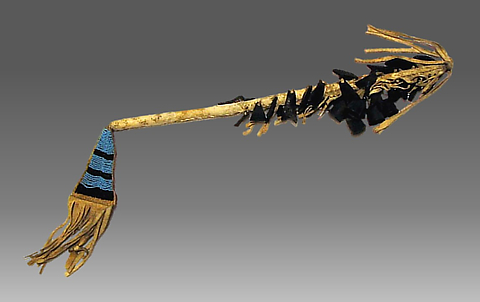
Native American (Chippewa - Ojibwe)
19th century
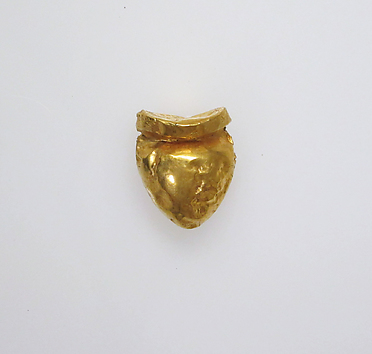
Greek
6th century BCE
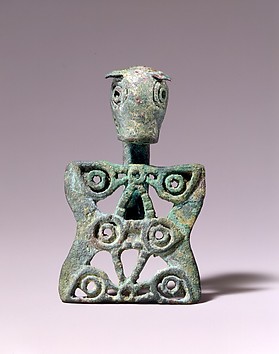
Northeast China
7th–6th century BCE
Peru; north coast (?)
8th–mid-16th century
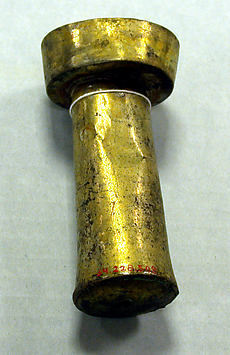
Peru; north coast (?)
8th–mid-16th century
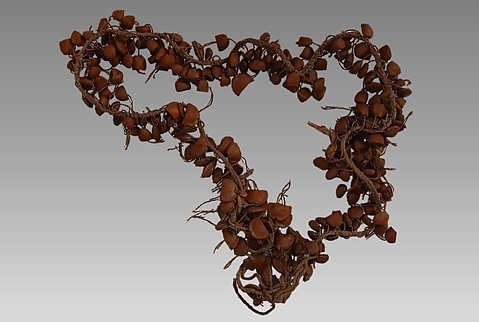
Native American (Guyanese: Demerara)
19th century

Peru; north coast (?)
8th–mid-16th century
664–332 B.C.
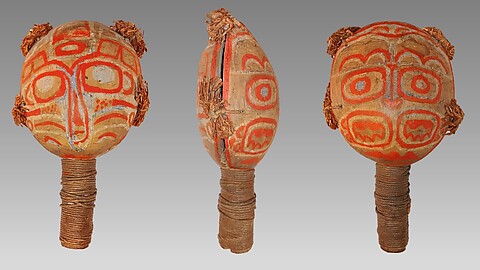
Native American (Northwest Coast)
late 19th century
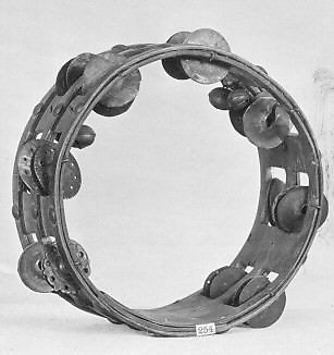
Portuguese
early 19th century
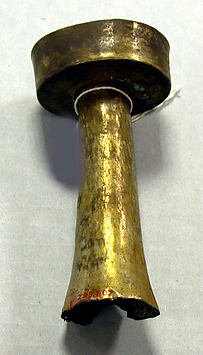
Peru; north coast (?)
8th–mid-16th century
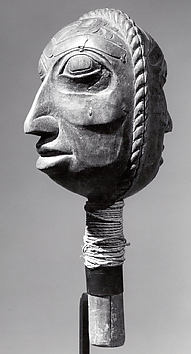
Kwakwaka’wakw (Kwakiutl)
19th–20th century
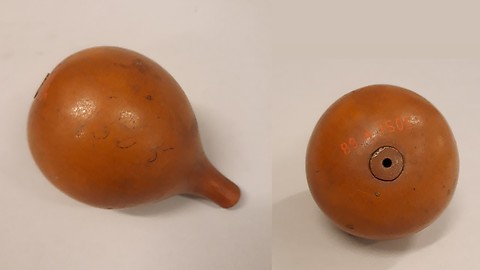
Native American (Guyanese)
late 19th century
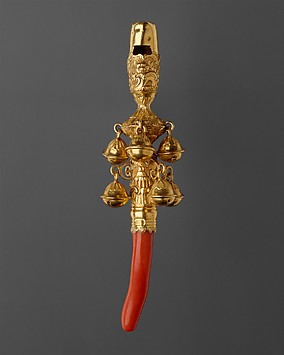
Nicholas Roosevelt
1755–68
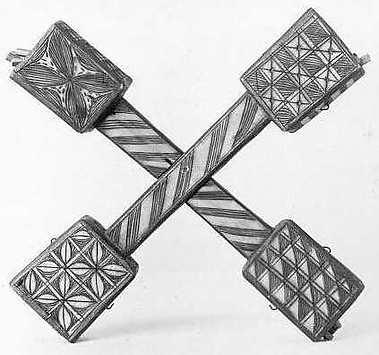
Gabonese
late 19th century
Bakwe, Grebo or Kru people
18th century (?)
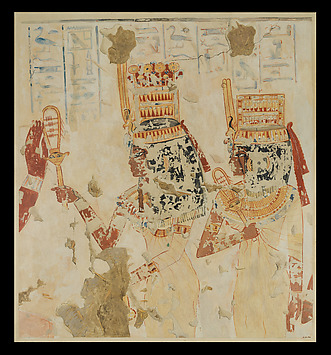
Charles K. Wilkinson
ca. 1400–1352 B.C.
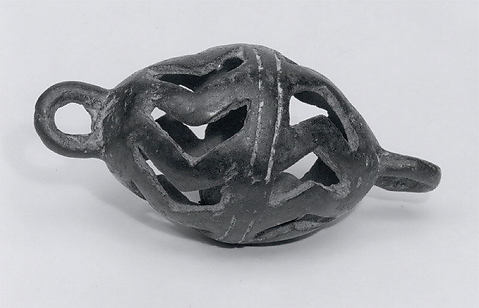
Iran
ca. 9th–8th century BCE
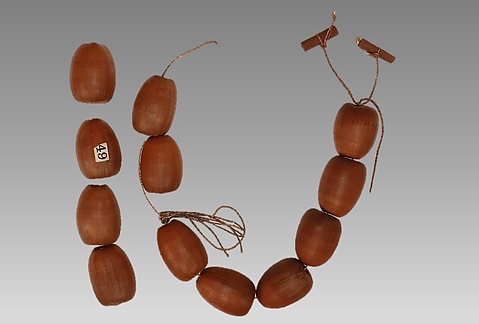
Native American (Yukian)
19th century
Africa (northern)
late 19th century
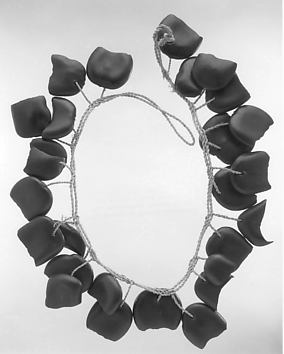
African
20th century
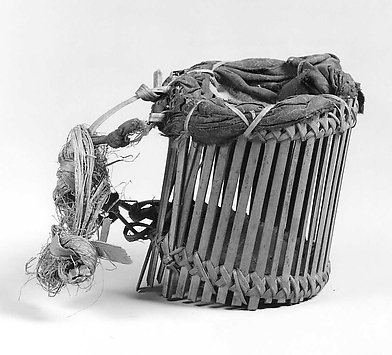
Gabonese
ca. 1850–1910
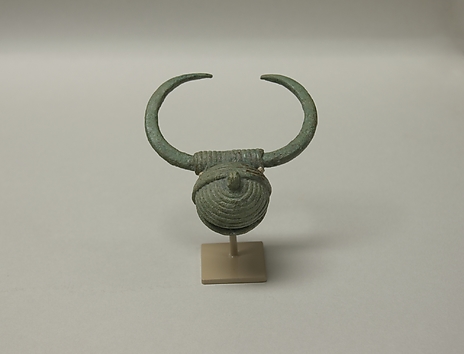
Thailand (Ban Chiang)
ca. 300 BCE–200 CE
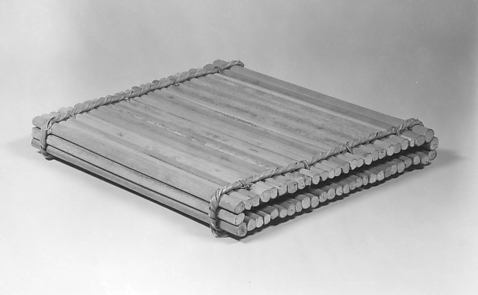
Latin Percussion
20th century
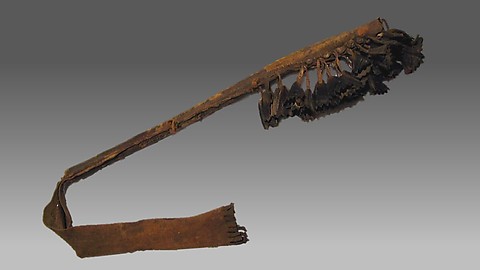
Native American (Lakota, Sioux)
19th century
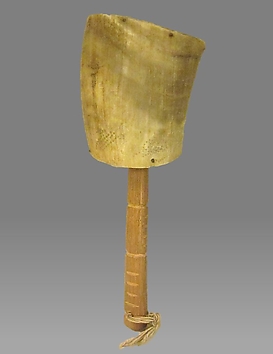
Native American (Seneca,Alleghany band)
19th century
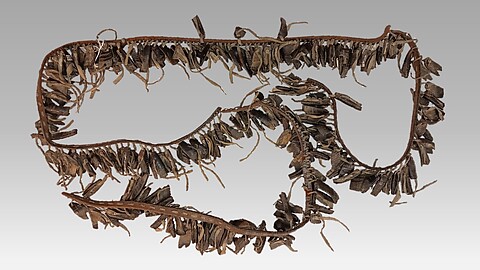
Native American (Osage, possibly)
19th century
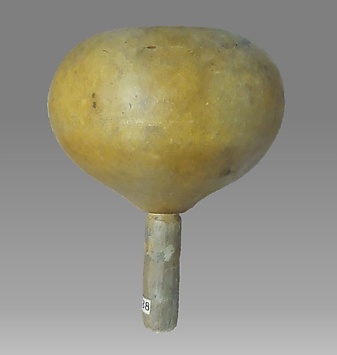
Zuni tribe
19th century
Chinese
19th century
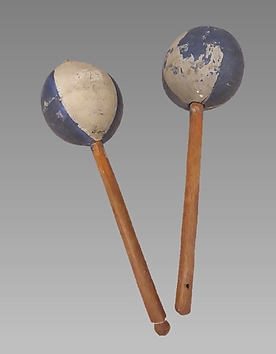
Cuban
late 19th century
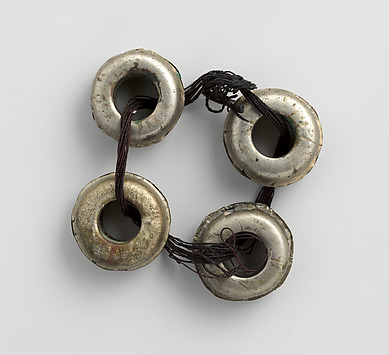
Afghan
mid-20th century
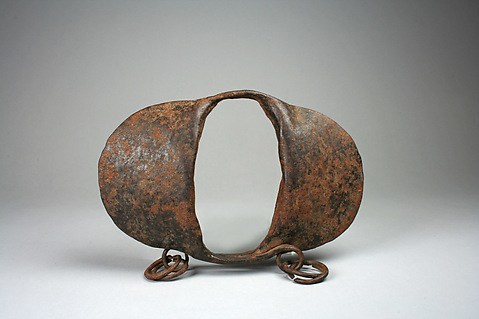
Ghanaian
19th–20th century
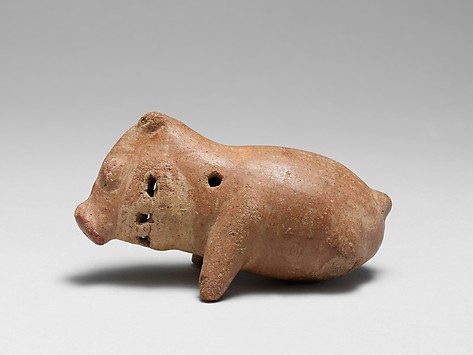
Pre-Columbian
19th century
15th century or later
.jpg)
Native American (Southern Plains)
19th century
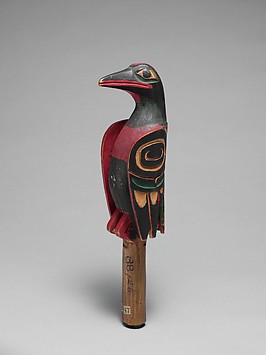
Native American (Haida)
19th century
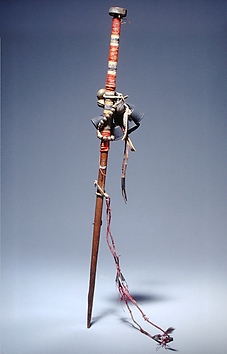
Native American (Sioux or Dakota)
19th century
Roman?
1st–2nd century
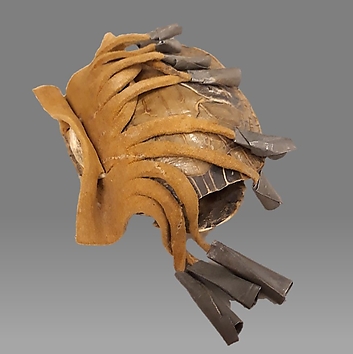
Native American (Hopi)
19th century
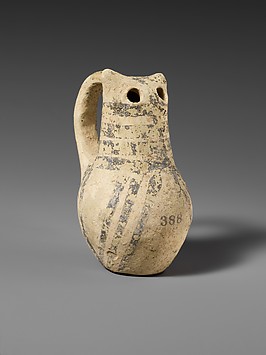
Cypriot
1600–1450 BCE