Search the collection

Filter By

Sagemono
Geographic Location
Department
Date
Show Only:
  • As part of the Met's Open Access policy, you can freely copy, modify and distribute this image, even for commercial purposes.
    APIPublic domain data for this object can also be accessed using the Met's Open Access API
  • Objects with changed or unknown ownership in continental Europe between 1933-1945. Learn more
Showing 540 results
Sort by:
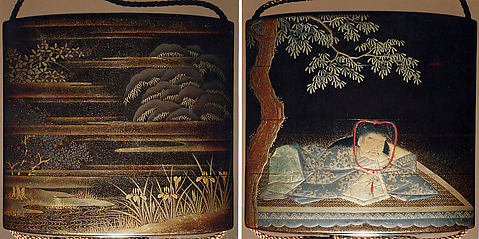
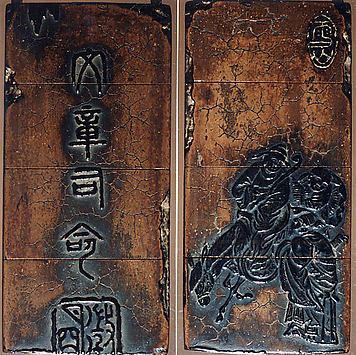
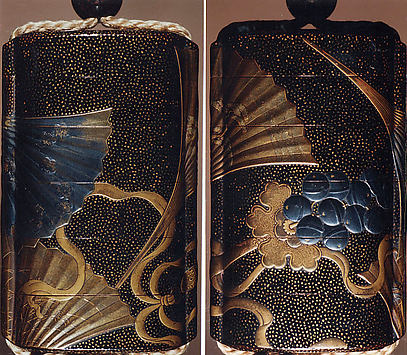
Inrō with floating fans, Lacquered wood with gold and silver togidashimaki-e and hiramaki-e <br/> Ojime: lacquer bead with maki-e decoration <br/> Netsuke: ivory toggle of Shōki, the Demon Queller, Japan
Japan
first half 19th century
Case (Inrō) with Design of Bean Vine, Mochizuki Hanzan  Japanese, Case: powdered gold (maki-e) on lacquer with ceramic, lead, and mother-of-pearl inlays; ceramic seal on base; Fastener (ojime): alloy of silver and copper with design of mice in rice cakes; Toggle (netsuke): lacquer with design of lotus leaf and caterpillar in lead and ivory inlays, Japan
Mochizuki Hanzan
18th century
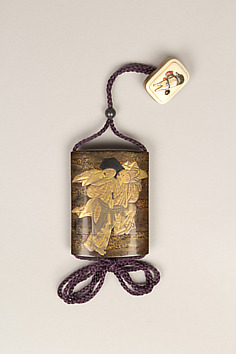
Case (Inrō) with Design of Deity of Longevity (Jurōjin) (obverse); Boy Offering a Tortoise (reverse), Tachibana Gyokuzan, Fundami sprinkled lacquer, gold and colored hiramakie sprinkled and polished lacquer, takamakie sprinkled and polished lacquer relief, and foil decoration; Netsuke: lacquered wood figure of Juro-jin; Ojime: zogan metal, Japan
Tachibana Gyokuzan
Hanabusa Itchō
19th century
Case (Inrō) with Design of Hotei (Putai) Carrying a Small Boy (obverse); Boy Carrying Gourd-Flask (reverse), Tokoku Fuzui, Gold lacquer with ivory and wood inlay; Netsuke: ivory and lacquered wood figure, Ojime: gold bead with face of Daikoku, god of good fortune, Japan
Tokoku Fuzui
Hanabusa Itchō
late 19th century
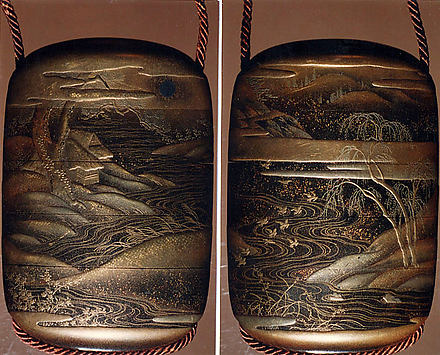
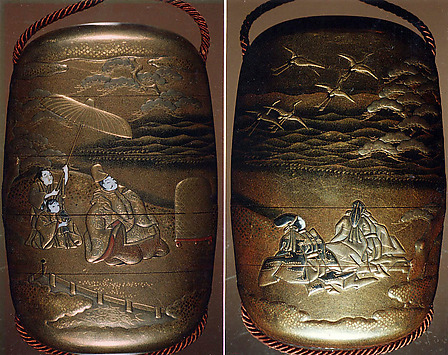
Inrō in the Shape of Mount Fuji with a Crossing Ferry and Procession

, Kajikawa  Japanese, Two cases; lacquered wood with gold and silver takamaki-e, hiramaki-e, togidashimaki-e, cut-out gold foil on nashiji lacquer ground<br/>Netsuke: ivory; Ryūgūjō (The Dragon King's undersea palace) in a clam<br/>Ojime: agate bead, Japan
Kajikawa
Hanabusa Itchō
late 18th–early 19th century
Case (Inrō) with Design of Ebisu and Daikoku Dancing beneath New Year's Decorations, Nikkōsai, Gold lacquer with gold and colored hiramkie sprinkled and polished lacquer and ivory inlay; Netsuke: polished wood button; Ojime: red lacquer bead; Interior: nashiji and fundame, Japan
Nikkōsai
Hanabusa Itchō
19th century
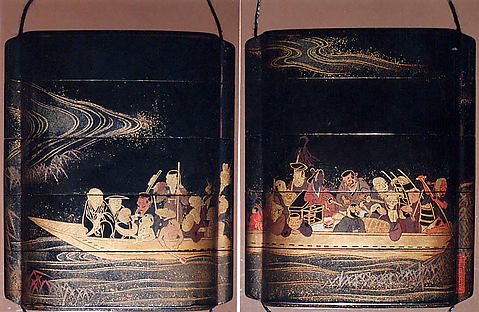
Case (Inrō) with Design of the Seven Gods of Good Fortune Fording a River, Nakayama Komin  Japanese, Gold lacquer with gold hiramkie sprinkled and polished lacquer, nashiji (pear skin) lacquer, and mother-of-pearl, ivory, and wood inlay; Interior: nashiji and fundame; Netsuke: wood-framed ivory plaque with bird and flower inlay; Ojime: lacquer Daikoku's hammer, Japan
Nakayama Komin
late 19th century
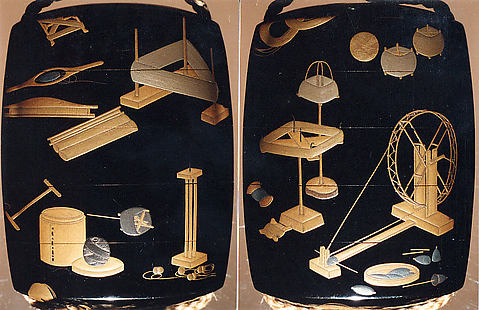
Case (Inrō) in the Shape of an Ink Stick with Design of Hotei (Putai) (obverse); Musical Instruments (reverse), Shibata Zeshin  Japanese, Roiro ('waxen') lacquer with black hiramakie sprinkled and polished lacquer and takamakie sprinkled and polished lacquer relief; Interior: roiro; Netsuke: nut carved with Chinese sages and attendants; Ojime: carved peach stone with landscape and figures, Japan
Shibata Zeshin
Ogawa Haritsu (Ritsuō)
19th century
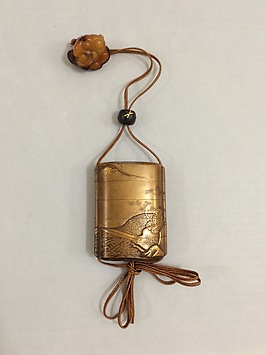
Case (Inrō) with Design of Boats, Waves and Reeds (Tale of Genji), Brushed wood with gold and silver hiramakie sprinkled and polished lacquer and pewter and mother-of-pearl inlay; Interior: plain; Ojime: quartz bead; Netsuke: carved wood badger, Japan
Japan
19th century
Inrō with Stylized Waves, Shibata Zeshin  Japanese, Gold lacquer with pewter inlay; Ojime: bronze and gold jar; Netsuke: carved tortoiseshell turtle, Japan
Shibata Zeshin
Ogata Kōrin
19th century
Case (Inrō) with Design of Courtier and Lady in a Boat (from the Tale of Genji), Ogata Kōrin  Japanese, Gold maki-e and mother-of-pearl inlay <br/>Ojime: wood-and-gilt bead in shape of sake bottle <br/>Netsuke: ivory with lacquer design of toys, Japan
Ogata Kōrin
18th century
Case (Inrō) with Design of Bugaku Hat (obverseI; Shō Flute and Cymbals (reverse), Sprinkled gold lacquer with inlaid mother-of-pearl, pottery, and pewter; Interior: nashiji and fundame; Ojime: marble; Netsuke: wood with lacquer decoration of books, Japan
Japan
19th century
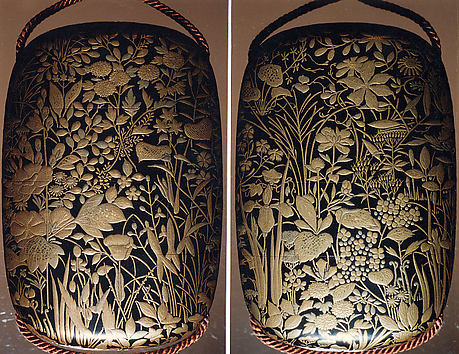
Case (Inrō) with Design of Chrysanthemums, Black and sprinkled gold lacquer; Ojime: tiger-eye bead; Netsuke: cluster of masks carved in ivory, Japan
Japan
19th century
Case (Inrō) with Design of Chrysanthemums by a Stream, Sprinkled gold lacquer; Ojime: agate, Netsuke: carved wood frog on old bucket, Japan
Japan
19th century
Case (Inrō) with Design of "Nonomiya" (Shrine in the Fields), from The Tale of Genji, chapter 10 (obverse);  Seven Autumn Flowers Growing beside a Torii and Fence, based on "Sakaki," a Chapter from The Tale of Genji (reverse), Sprinkled gold lacquer with inlaid mother-of-pearl, pewter,raden; Interior: nashiji and fundame, Japan
Japan
19th century
Case (Inrō) with Designs of Chrysanthemums and Bamboo-Woven Fence, Lacquer with mother-of-pearl and pewter; Interior: roiro and fundame; Ojime: gilt iron bead perforated in floral design; Netusuke: mother-of-pearl inlay, ivory, gold, and red and black lacquer in design of flying bird, Japan
Japan
ca. 1800
Case (Inrō) with Design of Deer and Maple Trees (obverse); Mount Fuji (reverse), Case: lacquer with pottery plaques; Fastener (ojime): coral; Toggle (netsuke): red lacquer carved with design of Chinese figure and plant, Japan
Japan
ca. 1820
Case (Inrō) with Design of Grapevine, Case: gold and colored lacquer on black lacquer with mother-of-pearl and pewter inlays; Fastener (ojime): silver vase (signed: Tenni); Toggle: (netsuke): gold with design of cricket and dragonfly with autumn grasses, Japan
Japan
18th–19th century
Case (Inrō ) with Design of a Gourd Vine, Koma Yasutada  Japanese, Case: gold, colored lacquer, gold leaf, and gold foil on red lacquer; Fastener (ojime): metal with design of flowers and insects; Toggle (netsuke): ivory and lacquer carved in the shape of a Noh dancer, Japan
Koma Yasutada
18th century
Case (Inrō) with Design of Nonomiya (Shrine in the Fields), from The Tale of Genji, chapter 10, Gold maki-e with black lacquer <br/>Ojime: bronze with openwork and inlay of water birds on stream <br/>Netsuke: carved red lacquer, Japan
Japan
early 19th century
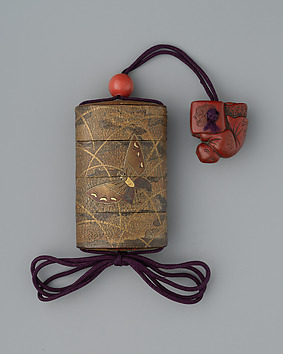
Case (Inrō) with Design of Dewdrops and Insects on Autumn Grasses in Basket, Yamada Jōkasai (1681–1704)  Japanese, Sprinkled gold lacquer with mother-of-pearl, stone, and metal<br/>Ojime: ovoid gold bead decorated with grasses<br/>Netuske: black wood carved as a piece of firewood, Japan
Yamada Jōkasai (1681–1704)
19th century
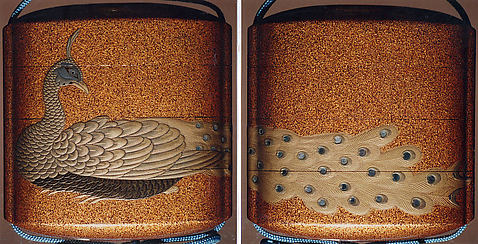
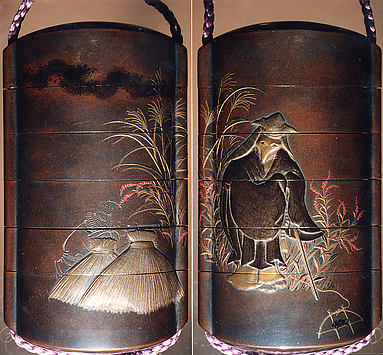
Inrō with Autumn Ivy

, Koma Kyūhaku VI  Japanese, Four cases; lacquered wood with gold, silver, and color (iroko) togidashimaki-e on black lacquer ground<br/>Netsuke: ivory; folded letter decorated with paulownia and Genji incense symbols <br/>Ojime: oblong bead; gilt bronze with openwork design of autumn flowers, Japan
Koma Kyūhaku VI
early 19th century
Case (Inrō) with Design of Maple Leaves on Conventionalized Waves, Sprinkled gold and silver lacquer with inlaid mother-of-pearl; ojime is nut carved with dragon motifs; netsuke is dancer carved in wood with ivory bugaku mask; Interior: nashiji, fundame and roiro, Japan
Japan
ca. 1820
Case (Inrō) with Design of Chinese Woman at Court Feeding a Parrot, Roiro (waxen) lacquer decorated with incised gold and metal, ceramic, ivory, and coral inlay, Japan
Japan
late 18th century
Case (Inrō) with Design of Chinese Women at Court, Roiro (waxen) lacquer decorated with incised gold; Ojime: stone bead, Netsuke: carved ebony monkey, Japan
Japan
late 18th–early 19th century
Case (Inrō) with Design of Chinese Scholar Seated at Low Desk (obverse); Lady Using Brush (reverse), Hasensai Senjin  Japanese, Lacquer decorated with sprinkled and polished hiramakie lacquer, carved ivory, and mother-of-pearl inlay; Ojime: coral bead, Netsuke: ivory flower, Japan
Hasensai Senjin
19th century
Case (Inrō) with Design of Buddhist Angel (obverse); Pine Forest (reverse), Tōyō  Japanese, Silver shibuichi lacquer decorated with roiro (waxen) lacquer and gold sprinkled and polished hiramakie lacquer; Ojime: coral bead; Netsuke: metal zogan inlay pine tree, Japan
Tōyō
late 18th century
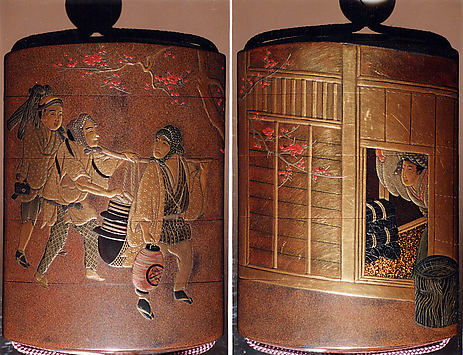
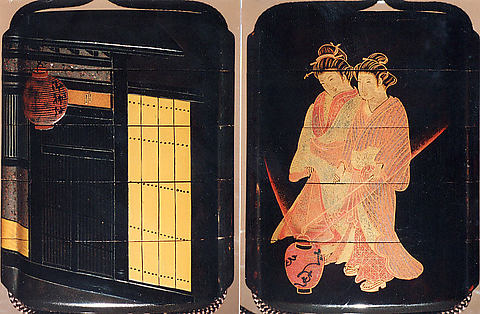
Case (Inrō) with Design of a Teahouse (obverse) Three Travelers En Route (reverse), Yamada Jōkasai (1681–1704)  Japanese, Lacquer decorated with sprinkled hiramakie lacquer, sprinkled and polished takamakie lacquer relief, and nashiji (pear skin) lacquer; Ojime: ivory and gold lacquer bead; Netsuke: carved wood bird (signed Shuko), Japan
Yamada Jōkasai (1681–1704)
19th century
Case (Inrō) with Design of Seated Courtier Drinking Sake and a Young Woman with Maple Leaves, Kajikawa Katsuhira  Japanese, Nashiji (pear-skin) lacquer decorated with togidashi sprinkled and polished lacquer and metal inlay; Ojime: metal drum inlaid with gold; Netsuke: carved wood figure, Japan
Kajikawa Katsuhira
Hagiya Katsuhira
late 18th–19th century
Inrō with the Queen Mother of the West (Seiōbo); Boy with a Peach (reverse)

, Four cases; lacquered wood with gold, silver, and color (iroko) togidashimaki-e on gold ground<br/>Netsuke: gold takamaki-e chrysanthemums (signed: Shigenori)<br/>Ojime: gold bead with chrysanthemum and butterflies in relief, Japan
Japan
mid- 19th century
Case (Inrō) with Design of Court Lady in a Boat (obverse); Willow Tree (Asazuma) (reverse), Silver inlay with incised and applied gold decoration <br/>Ojime: silver bead <br/>Netsuke: bronze disk with metal inlay, Japan
Japan
late 18th–19th century
Case (Inrō) with Design of Ōni (Demon) Standing Behind Cloak of Arhat (obverse); Fly Whisk (Hossu) beneath Pine Tree (reverse), Tokoku  Japanese, Wood ebony, carved relief with inlay of ivory, metal and malachite; Interior: plain;  Netsuke: Jurojin on crane; Ojime: Child climbing rope, Japan
Tokoku
19th century
Case (Inrō) with Design of Momotarō and Dog on the way to the Island of the Devils (obverse); Monkey with Pheasant (reverse), Kogyoku Tokayo  Japanese, Lacquer with sprinkled, polished, and relief makie gold and silver, metal inlay; Interior: gyobu nashiji and fundame; Netsuke: Eight masks, Japan
Kogyoku Tokayo
19th century
Case (Inrō) with Design of Courtier Cleaning Another's Ear (obverse); Courtier Laughing (reverse), Kajikawa Hidetaka  Japanese, Lacquer, roiro, gold, brown and red togidashi, nashiji; Netsuke: fukurokuju<br/>Interior: nashiji and fundame, Japan
Kajikawa Hidetaka
18th–19th century
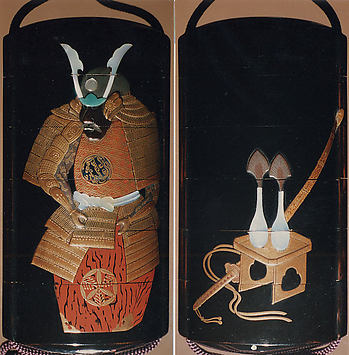
Case (Inrō) with Design of a Suit of Armor (obverse); Flasks for Boys Festival (reverse), Yamada Jōkasai (1681–1704)  Japanese, Gold and colored lacquer with inlaid mother-of-pearl on ro-iro black lacquer; ojime: metal bead inlaid with silver; netsuke: carved ebony inlaid with ivory design of Daruma, Japan
Yamada Jōkasai (1681–1704)
second half of the 19th century
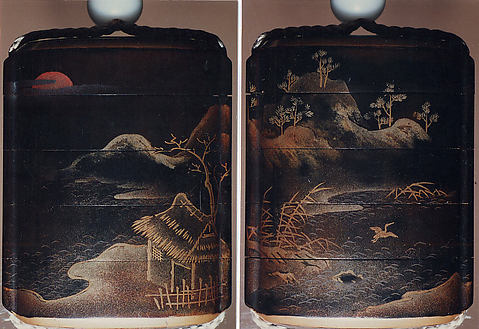
Inrō with the Seven Sages of the Bamboo Grove, Tōyō  Japanese, Three cases; lacquered wood with gold and silver hiramaki-e, togidashimaki-e, and gold foil cutouts on black lacquer ground Netsuke: box with flowers; lacquered wood with hiramaki-e Ojime: coral bead, Japan
Tōyō
second half of the 18th century
Inrō with the Noh Play Dōjōji (obverse) and Flowering Cherry Tree (reverse), Four cases; lacquered wood with gold, silver, color hiramaki-e, togidashimaki-e on gold ground<br/>Netsuke: treasure ship with seven gods of good fortune; ivory<br/>Ojime: wood bead, Japan
Japan
mid-19th century
Case (Inrō) with Design of Young Woman with Flower Basket of Plum Blossoms (obverse); Four Large Characters (reverse), Kafu Mochikaze  Japanese, Roiro lacquer with gold and colored sprinkled and polished makie, mother-of-pearl inlay;  Interior: roiro, hirame & fundame; Netsuke: box with No dancer, Ojime: Bodhidharma, Japan
Kafu Mochikaze
19th century
Inrō with God of Longevity (Jurōjin) and a Stag (obverse) and Long-Tailed Turtle (Minogame) under Bamboo (reverse), Somada School Artist  Japanese, Four cases; lacquered wood with gold hiramaki-e, togidashimaki-e, nashiji (“pear-skin ground”), gold foil cutouts, and mother-of-pearl inlay on black lacquer ground Netsuke: manju type, basket with chrysanthemums; lacquered wood with mother-of-pearl inlay Ojime: carved red lacquer bead, Japan
Somada School Artist
late 18th–early 19th century
Case (Inrō) with Design of Man Blowing on a Brazier to Make Tea, Lacquer, roiro, gold and coloured togidashi; Interior: nashiji and fundame; Netsuke: mouse; Ojime: floral bead, Japan
Japan
18th–19th century