Search the collection

Filter By

Thrones
Geographic Location
Department
Date
Show Only:
  • As part of the Met's Open Access policy, you can freely copy, modify and distribute this image, even for commercial purposes.
    APIPublic domain data for this object can also be accessed using the Met's Open Access API
Showing 33 results
Sort by:
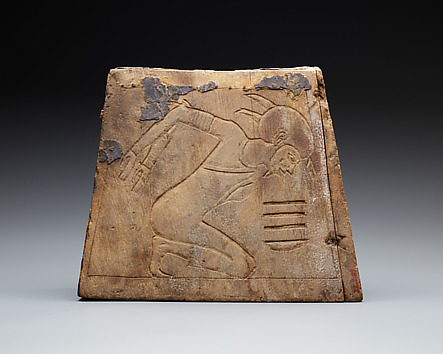
A Polymorphic Deity, Wood
390–30 BCE
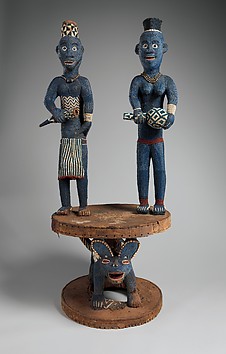
Throne of Njouteu, Grassfields carver and master beader, Wood, glass beads, cloth, cowrie shells, Bamileke
Grassfields carver and master beader
Late 19th–early 20th century
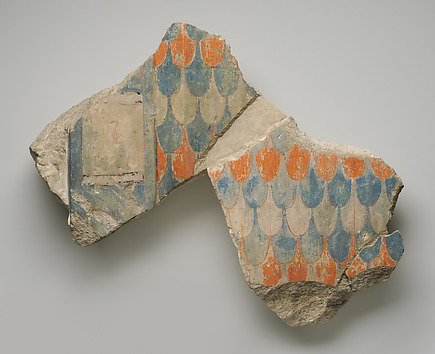
Relief fragment with feather pattern, Limestone, paint
ca. 2040–1300 B.C.
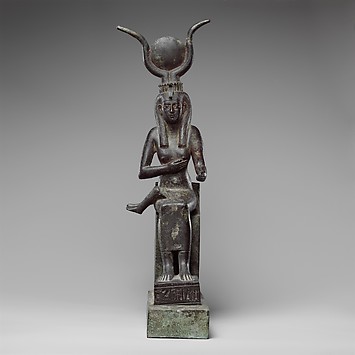
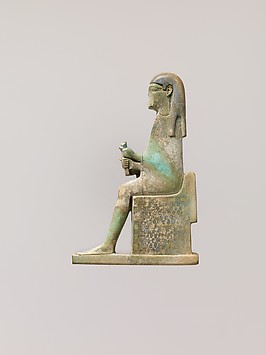
Statuette of Isis nursing Horus (missing above the legs), inscribed for Hor son of Padihorresnet, Bronze, gilded silver, electrum; separate leaded bronze throne
611–594 B.C.
Fragment of statue of Thutmose III, Grey Schist
ca. 1479–1425 B.C.
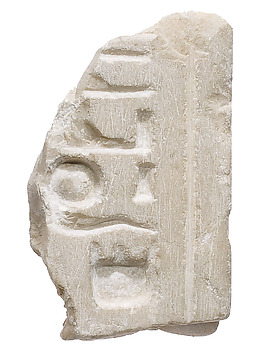
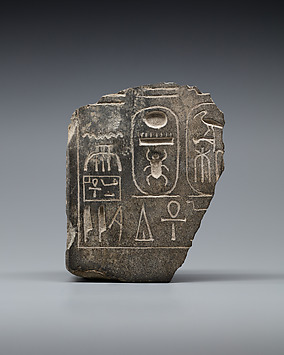
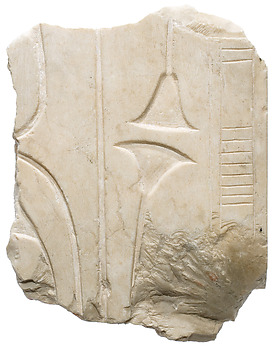
Throne fragment with inscription referring to king and queen, Indurated limestone
ca. 1353–1336 B.C.
Throne back, Indurated limestone
ca. 1353–1336 B.C.
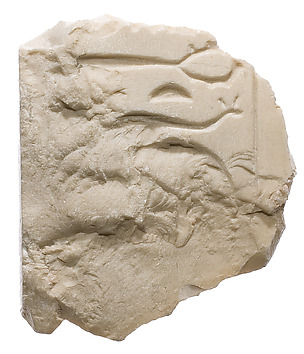
Throne block with Nefertiti titulary, border pattern, Indurated limestone
ca. 1353–1336 B.C.
Throne fragment, Indurated limestone
ca. 1353–1336 B.C.
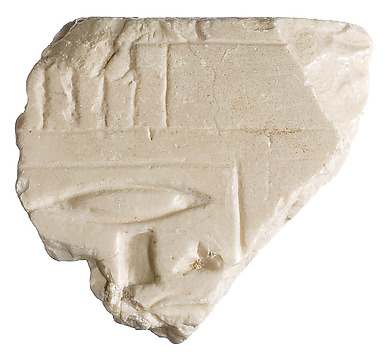
Throne block with princess title and and border pattern, Indurated limestone
ca. 1353–1336 B.C.
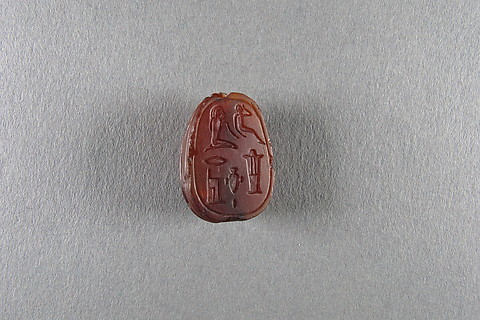
Scarab, Sard
ca. 1070–664 B.C.
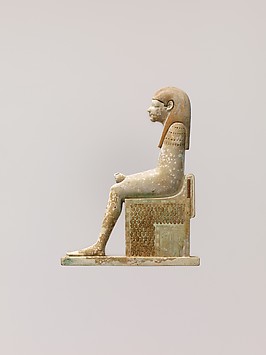
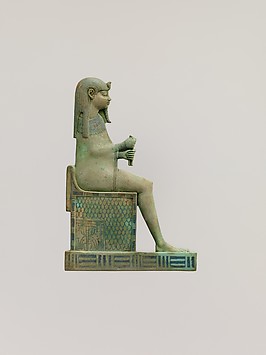
Inlay depicting enthroned god Shepsi, Faience
4th century B.C.
Inlay depicting enthroned god, Faience
4th century B.C.
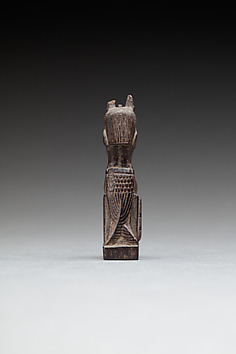
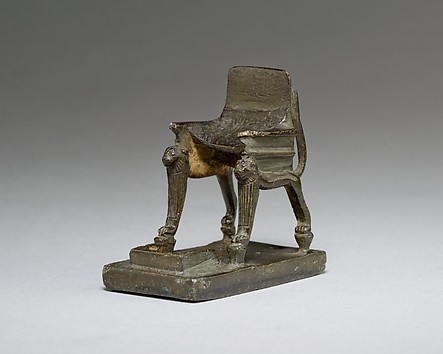
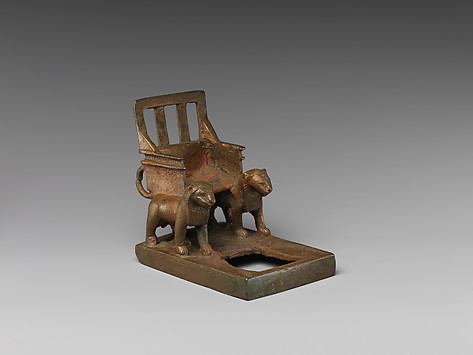
Throne for Statuette of a Deity, Cupreous metal
664–332 B.C.
Lower part of inlay of enthroned mummiform god, Faience, Paste
4th century B.C.
Support for a chair leg, Wood (tamarisk), silver gold leaf traces
664–525 B.C.
Scarab with blessing, Egyptian Blue
ca. 945–525 B.C.
God's throne supported by two striding lions, cupreous metal
332–30 B.C.
Inlay depicting enthroned god, Faience
4th century B.C.
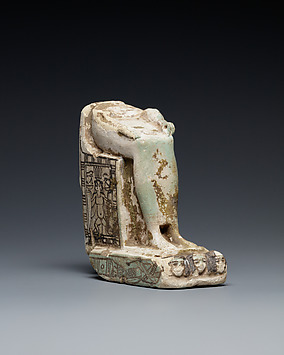
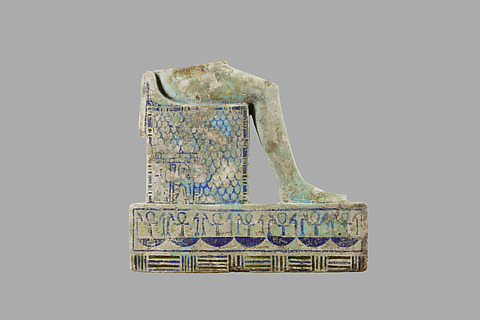
Lower half of a goddess on a throne with Bes figures, its base formed by prostrate captives, Faience
ca. 1295–1070 B.C.
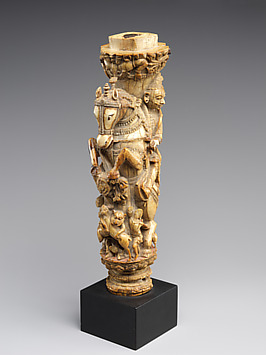
Royal throne leg with equestrian warrior, Ivory with traces of polychrome and iron armature, Eastern India, Odisha
Eastern India, Odisha
17th century
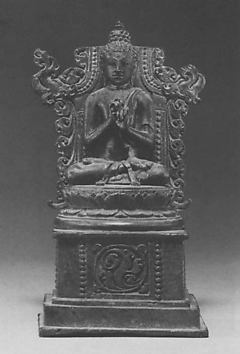
Seated Transcendent Buddha Vairochana, Buddha: silver;  pedestal and throne back: bronze, Indonesia (Java)
Indonesia (Java)
ca. second half of the 10th century
ca. 1327–1323 B.C.
ca. 1070–664 B.C.
ca. 1550–1070 B.C.
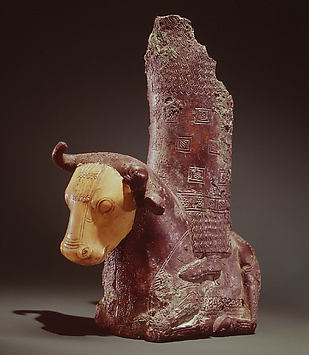
Part of a throne with deity on a bull, Bronze, plastic restoration, Urartian
Urartian
ca. late 8th–7th century BCE
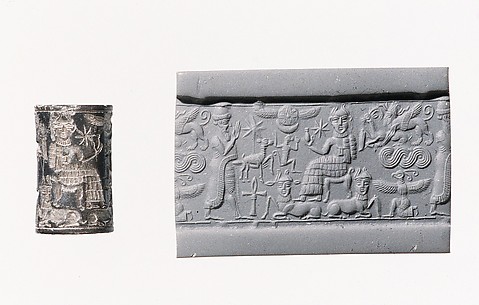
Cylinder seal and modern impression: royal worshiper before a god on a throne; human-headed bulls below, Hematite
ca. 1820–1730 BCE
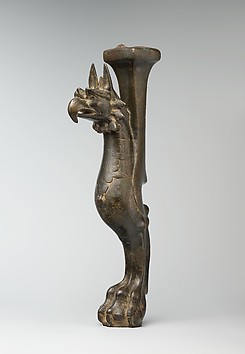
Throne Leg in the Shape of a Griffin, Bronze; cast around a ceramic core and chased
late 7th–early 8th century
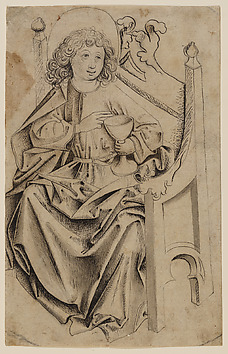
Saint John the Evangelist, Upper Rhine (Switzerland), Pen and blackish brown ink and gray wash over a black chalk underdrawing (still partially visible in the foliate forms of the throne at the upper right), the thin, pale lines of the preliminary ink drawing clearly distinguishable from the thicker, darker ones on top of them, which have dense, felt-like accumulations of tiny strokes in some of the shadows, but are by the same hand; traces of a curved line in black chalk and partly in brush and gray ink in the lower corners and at the upper right., Upper Rhine (Switzerland)
Upper Rhine (Switzerland)
ca. 1480
Indonesia (Java)
late 9th–10th century (?)
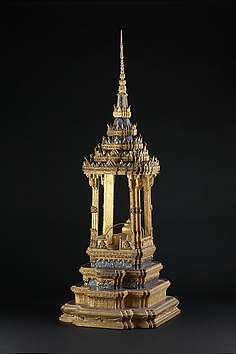
Thailand
19th century
Norman de Garis Davies
ca. 1323–1295 B.C.
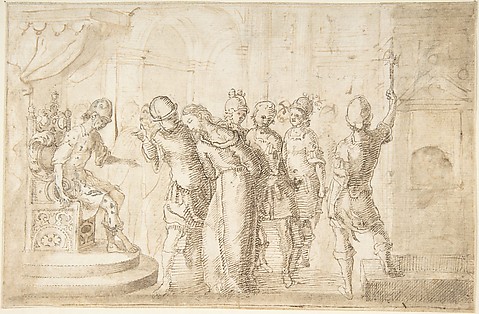
Christ Brought Before Pontius Pilate, Anonymous, Spanish, School of Seville, 17th century  Spanish, Pen and light brown ink, brush and light brown wash, reinforced with pen and dark brown ink, highlighted with white gouache (oxidized) on figure of Pilate and throne, over traces of black chalk underdrawing. Lower border of composition outlined with pen and dark brown ink. On off-white paper
Anonymous, Spanish, School of Seville, 17th century
17th century