English
DonateMembershipTickets

Search for Art

Search Tips
1-42 of 230 results for Hotei
Sort by:
Show only
Images
1
Date
For BCE dates, enter a negative number. E.g. For 2000 BCE, enter -2000.
–
Artist / culture
Object type / material
Match
 
Show results matching
selected filters.
Geographic location
Match
 
Show results matching
selected filters.
Department
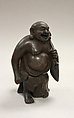
Netsuke of Hotei with Bag, Wood, Japan
Japan
19th century
Hotei Opening His Bag which Is Full of Small Boys, Kita Busei  Japanese, Woodblock print (surimono); ink and color on paper, Japan
Kita Busei
Hotei, Kano Tan'yū  Japanese, Hanging scroll; ink on paper, Japan
Attributed to Kano Tan'yū
probably 17th or 18th century
Hotei, flanked by panels of birds, Kenkō Shōkei  Japanese, Paint on paper, Japan
After Kenkō Shōkei
late 15th century
Netsuke of Hotei with Bag and Gourd, Wood, Japan
Japan
19th century
Hotei, Ogata Kōrin  Japanese, Hanging scroll; ink on paper, Japan
Ogata Kōrin
after 1704
Figure of Hotei, White porcelain partly glazed (Hirado ware), Japan
Japan
18th century
Hotei Flowers, Kubo Shunman  Japanese, Part of an album of woodblock prints (surimono); ink and color on paper, Japan
Kubo Shunman
19th century
Netsuke of Hotei, Ivory, Japan
Japan
19th century
Hōtei Pointing to the Moon, Shinno Noami, Hanging scroll; ink on paper, Japan
Attributed to Shinno Noami
15th century
Hotei and Child, Stoneware covered with thin glaze (Bizen ware), Japan
Japan
1820
Figure of Hotei, Clay covered with a thin glaze (Bizen ware, Imbe style), Japan
Japan
18th century
Netsuke of Hotei with a Fan, Wood and ivory, Japan
Japan
19th century
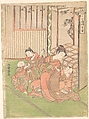
Disguised or Transformed Hotei, Isoda Koryūsai  Japanese, Woodblock print; ink and color on paper, Japan
Isoda Koryūsai
ca. 1769
God Hotei and Children, Porcelain decorated with enamels (Arita ware, Imari type), Japan
Japan
1750
Netsuke of Hotei with Bag, Ivory inlay with various materials, Japan
Japan
19th century
Netsuke of Hotei and Bag with Fan, Wood, Japan
Japan
19th century
Hotei Admiring the Moon, Ikei Shūtoku 惟馨周徳  Japanese, Hanging scroll; ink on paper, Japan
Formerly attributed to Ikei Shūtoku 惟馨周徳
probably 19th century
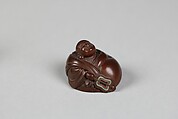
Netsuke of Hotei and Bag, Wood, Japan
Japan
19th century
Netsuke of Daikoku with Hotei, Ivory with silver and gold inlay (?), Japan
Japan
19th century
Netsuke of Bag Containing a Figure of Hotei, Wood, ivory, Japan
Japan
18th–19th century
Freshwater Jar (Mizusashi), Named “Hotei”, Stoneware with natural ash glaze (Iga ware), Japan
Japan
ca. 1600
Censer in form of a God (Hotei), Stoneware covered with glaze (Bizen ware), Japan
Japan
1650
Netsuke of Hotei Seated in an Armchair, Ivory ornamented with lacquer, Japan
Japan
19th century
Netsuke of Hotei and Chinese Boy (Karako), Ivory, Japan
Japan
19th century
Netsuke of Fukurokujin, Hotei and Benten in Sake Dish, Ivory, Japan
Japan
mid-19th century
Hotei, Kano Takanobu  Japanese, Hanging scroll; ink and color on paper, Japan
Kano Takanobu
Calligrapher Tetsuzan Sōdon
1616
Sword guard (<i>Tsuba</i>) Depicting Hotei (布袋図鐔), Copper-silver alloy shibuichi), gold, copper-gold alloy (shakudō), copper, Japanese
Japanese
ca. 1810–50
Hotei and a Child

, Ono no Ozū (Ono no Tsū)  Japanese, Hanging scroll; ink on paper, Japan
Ono no Ozū (Ono no Tsū)
dated 1624 (Genna 10)
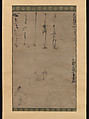
Hotei with a Child, Ono no Ozū (Ono no Tsū)  Japanese, Hanging scroll; ink on paper, Japan
Ono no Ozū (Ono no Tsū)
1624
Hotei Pointing at the Moon, Fūgai Ekun  Japanese, Hanging scroll; ink on paper, Japan
Fūgai Ekun
1650
Case (Inrō) with Design of Hotei (Putai) Carrying a Small Boy (obverse); Boy Carrying Gourd-Flask (reverse), Tokoku Fuzui, Gold lacquer with ivory and wood inlay; Netsuke: ivory and lacquered wood figure, Ojime: gold bead with face of Daikoku, god of good fortune, Japan
Tokoku Fuzui
After a painting by Hanabusa Itchō
late 19th century
Case (Inrō) in the Shape of an Ink Stick with Design of Hotei (Putai) (obverse); Musical Instruments (reverse), Shibata Zeshin  Japanese, Roiro ('waxen') lacquer with black hiramakie sprinkled and polished lacquer and takamakie sprinkled and polished lacquer relief; Interior: roiro; Netsuke: nut carved with Chinese sages and attendants; Ojime: carved peach stone with landscape and figures, Japan
Attributed to Shibata Zeshin
After an inro by Ogawa Haritsu (Ritsuō)
19th century
Snowball Pushed by Hotei and a Child, White porcelain (Hirado ware), Japan
Japan
mid-19th century
Ōtsu-e of Kabuki Actor Playing the Outlaw Hotei Ichiemon, of the “Karigane Five”, Hanging scroll; hand-colored woodblock print on paper, Japan
Japan
early 18th century
The Actor Arashi Koroku IV in the Final Farewell Performance of His Career (Shōgai onagori kyōgen) as the Female Bandit Hotei Oichi, Shunkōsai Hokushū 春好斎北洲  Japanese, Woodblock print (nishiki-e); ink and color on paper; vertical ōban, Japan
Shunkōsai Hokushū 春好斎北洲
1826
Inrō in the Shape of a House

, Two cases; lacquered wood with gold and silver takamaki-e, hiramaki-e, togidashimaki-e, cutout gold foil application on black lacquer ground<br/>Netsuke: ivory; Hotei in a bag<br/>Ojime: metal bead, Japan
Japan
late 18th–early 19th century
Case (Inrō) with Design of Cricket and Muskmelon Plants, Case: powdered gold (maki-e) on brown and black lacquer with stained-ivory inlay; Fastener (ojime): metal; Toggle (netsuke): ivory carved in the shape of Hotei and children playing around a screen, Japan
Japan
late 19th century
Potted Pine Tree Drum and Seven Herbs Planted in a Box, Sunayama Gosei  Japanese, Woodblock print (surimono); ink and color on paper, Japan
Sunayama Gosei
18th–19th century
Bowl, White porcelain decorated with blue under the glaze, iron red and gold, green, yellow, purple and black enamels (Arita ware), Japan
Japan
1750
Young Man Playing a Noh Drum, Suzuki Harunobu  Japanese, Woodblock print; ink and color on paper, Japan
Suzuki Harunobu
Famous Themes for Painting Study Known as “The Garden of Painting” (Gaen)

, Kano Tan'yū  Japanese, One of a pair of handscrolls; ink on paper, Japan
Kano Tan'yū
1670

Content Notice

The Metropolitan Museum of Art presents over 5,000 years of art from around the world, and our online collection reflects ongoing work conducted over the course of our more than 150-year history. You may encounter objects or images that may be inappropriate for some viewers or information that may be outdated.