English
DonateMembershipTickets

Search for Art

Search Tips
1-42 of 2,323 results for Meiji Japan
Sort by:
Show only
Images
Date
For BCE dates, enter a negative number. E.g. For 2000 BCE, enter -2000.
–
Artist / culture
Object type / material
Match
 
Show results matching
selected filters.
Geographic location
Match
 
Show results matching
selected filters.
Department
Mutsuhito, The Meiji Emperor, Uchida Kuichi  Japanese, Albumen silver print from glass negative with applied color
Uchida Kuichi
1873
In the Court of the Meiji Temple, Tokyo, Japan, Werner Bischof  Swiss, Gelatin silver print
Werner Bischof
1952
Vase with Butterflies

, Katō Tomotarō  Japanese, Porcelain with cobalt blue, pink, and white under transparent glaze, Japan
Katō Tomotarō
late 19th century
Unlined Summer Kimono (Hito-e) with Crickets, Grasshoppers, Cricket Cages, and Pampas Grass

, Gauze-weave silk with paste-resist dyeing, hand-painted details, and gold thread, Japan
Japan
early 20th century
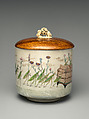
Freshwater Jar (Mizusashi) with Insect Procession, Makuzu Kōzan I (Miyagawa Toranosuke)  Japanese, Stoneware with polychrome enamels and gold over transparent glaze; wood lid, ivory knob (Makuzu ware), Japan
Makuzu Kōzan I (Miyagawa Toranosuke)
1870–80s
Incense Burner in Form of a Praying Mantis, Iron, gold, silver lining, Japan
Japan
second half 19th century
Gourd-shaped hanging wall basket for flowers (Kake-hanakago), Bamboo, rattan, Japan
Japan
second half 19th century
Vase, Inoue Ryōsai III  Japanese, Porcelain covered with a celadon glaze, the top covered with colored glazes, Japan
Inoue Ryōsai III
1890
Buddhist Figures and Their Attributes [Meiji edition] (Meiji zōho shoshū butsuzō zui)  明治増補諸宗佛像図彙, Kino Shūshin 紀秀信  Japanese, Ink on paper, Japan
Kino Shūshin 紀秀信
ca. 1850
Examples of the Flower Arrangement (Meiji shinsen risshō senkashiki)  明治新撰千花式, Yagi Unkei 八木雲渓  Japanese, Ink on paper, Japan
Yagi Unkei 八木雲渓
1889
Bowl, Nin'ami Dōhachi (Takahashi Dōhachi II)  Japanese, Clay partly covered with glaze; reserves forming patterns having slip dots in the center, covered with a transparent glaze (Kyoto ware), Japan
Nin'ami Dōhachi (Takahashi Dōhachi II)
19th century
Wedding obi (sash), Plain-weave silk with silk- and gold-thread supplementary weft patterning, Japan
Japan
early 20th century
Sake Bottle (Tokkuri) in the Shape of an Eggplant, Stoneware with iridescent iron glaze and rice straw ash (Bairin ware), Japan
Japan
second half 19th century
Farce of the Death at stone bridge from the series Hurrah for Japan! One Hundred Victories, One Hundred Laughs (Nihon banzai hyakusen hyashushō), Kobayashi Kiyochika  Japanese, Woodblock print; ink and color on paper, Japan
Kobayashi Kiyochika
October 1904
Western Clothing from the series An Array of Auspicious Customs of Eastern Japan (Azuma fūzoku, fukuzukushi-Yōfuku), Yōshū (Hashimoto) Chikanobu  Japanese, Triptych of woodblock prints; ink and color on paper, Japan
Yōshū (Hashimoto) Chikanobu
1889
Print from the series Long Live Japan: One Hundred Victories, One Hundred Laughs, Kobayashi Kiyochika  Japanese, Woodblock print (nishiki-e); ink and color on paper, Japan
Kobayashi Kiyochika
1904–5
Print from the series Long Live Japan: One Hundred Victories, One Hundred Laughs, Kobayashi Kiyochika  Japanese, Woodblock print (nishiki-e); ink and color on paper, Japan
Kobayashi Kiyochika
1904–5
Case (Inrō) with Design of Fifty-Three Stations of the Tokaidō in Japan, Lacquer, kinji, gold and silver hiramakie, takamakie, gold foil and kirigane; Interior: nashiji and fundame, Japan
Japan
19th century
“Ceremonial Attire” from the series An Array of Auspicious Customs of Eastern Japan (Azuma fūzoku, fukuzukushi: Tairei fuku), Yōshū (Hashimoto) Chikanobu  Japanese, Triptych of woodblock prints; ink and color on paper, Japan
Yōshū (Hashimoto) Chikanobu
ca. 1889
Illustration of the Commanders who Pacified Western Japan, Receiving the Emperor's Gift Cups (Saigoku chinbu shoshō tenpai o tamau no zu), Yōshū (Hashimoto) Chikanobu  Japanese, Woodblock print; ink and color on paper, Japan
Yōshū (Hashimoto) Chikanobu
July, 1877
Illustration of the Commanders who Pacified Western Japan, Receiving the Emperor's Gift Cups (Saigoku chinsei shoshō tenpai o tamawaru no zu), Yōshū (Hashimoto) Chikanobu  Japanese, Triptych of woodblock prints; ink and color on paper, Japan
Yōshū (Hashimoto) Chikanobu
September, 1887
Unidentified artist
1861–1864
Case (Inrō) with a Fox from the Kyōgen Play "The Fox Hunter" (Tsurigitsune) (obverse); Haystacks and Stream from the Kyōgen Play "Hakuzosu" (reverse), Shibata Zeshin  Japanese, Gold and colored lacquer on wood<br/>Signed: Zeshin<br/>Ojime: carved wooden dragon (signed: Ichiryūsai Furuta)<br/>Netsuke: ceramic figure of Kaduzōsu (signed: Eiraku), Japan
Shibata Zeshin
19th century
Case (Inrō) with Fox Wedding Procession, Shibata Zeshin  Japanese, Colored lacquer and gold maki-e on wood<br/><br/>Netsuke: ivory in form of fox reclining on large leaf; Ojima: gold bead; connecting cord, dark green silk Inro with netsuke and ojime, Japan
In the style of Shibata Zeshin
19th century
Street Scene in the Outskirts of Edo on an Evening in Winter, Kobayashi Kiyochika  Japanese, Woodblock print; ink and color on paper, Japan
Kobayashi Kiyochika
ca. 1878
Illustration of the Opening of Azuma Bridge in Tokyo (Tokyo meisho no uchi azuma bashi shinchiku no zu), Inoue Yasuji  Japanese, Triptych of woodblock prints; ink and color on paper, Japan
Inoue Yasuji
1887
Candlestick, Copper alloy, Japan
Japan
second half 19th century
Brush and Ink Drawings after Life and Paintings, Sketchbook; Ink on mulberry paper, Japan
Japan
1895 (?)
Square Tray, Shibata Zeshin  Japanese, Wood, maki-e, Japan
Attributed to Shibata Zeshin
The Poet Li Bo's Visit to Mount Emei, Shiokawa Bunrin  Japanese, Pair of six-panel folding screens; ink and gold on paper, Japan
Shiokawa Bunrin
1875
Stencil, Paper, silk, Japan
Japan
Dish with Camellias, Porcelainwith underglaze blue (Nabeshima ware), Japan
Japan
early 20th century
Writing Box with Design of Chinese-Style Flower Arrangement (Inside: Design of Geese), Ogawa Haritsu (Ritsuō)  Japanese, Gold maki-e on black lacquer, Japan
Style of Ogawa Haritsu (Ritsuō)
19th century
Tiered Box (Jūbako) with Design of Boats and Plovers, Shibata Zeshin  Japanese, Gold maki-e on black and brown lacquer, with mother-of-pearl inlay and pewter, Japan
Shibata Zeshin
second half of the 19th century
Miniature Inrō with Design of Firewood-laden Boats on Waves, Shibata Zeshin  Japanese, Gold maki-e with mother-of-pearl inlay on black lacquer; netsuke of hardwood with cloisonne, Japan
Shibata Zeshin
copied from a design by Hon'ami Kōetsu
19th century
Tray with decoration of cherry blossoms and floating rafts, Gold and silver maki-e on black lacquer, Japan
Japan
19th–20th century
Writing Box with Matching Poem Card Box, Gold and silver makie with colored lacquers and silver inlay on black lacquer, Japan
Japan
19th century
Writing Box (Suzuribako) and Writing Table (Bundai) with Pines at Takasago and Sumiyoshi

, Yukio Yukio II  Japanese, Lacquered wood with gold, silver takamaki-e, hiramaki-e, cut-out gold foil on nashiji ground, silver inlay, silver fittings, Japan
Yukio Yukio II
early 20th century
Portable Picnic Set (sagejū) with Peonies

, Lacquered wood with gold, silver, red togidashimaki-e, hiramaki-e on black and nashiji lacquer ground, Japan
Japan
second half of the 19th century
Child's Kimono with Pine, Bamboo, Plum Blossoms, and Fans, Ikat-patterned plain-weave bast fiber (asa), Japan
Japan
late 19th–early 20th century
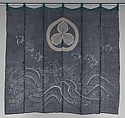
Noren with Design of Oak-Leaf Crest, Plovers, and Waves, Resist-dyed plain weave, probably hemp, Japan
Japan
Trousers ("hakama") associated with Kyogen, Hemp, Japan
Japan
late 19th century

Content Notice

The Metropolitan Museum of Art presents over 5,000 years of art from around the world, and our online collection reflects ongoing work conducted over the course of our more than 150-year history. You may encounter objects or images that may be inappropriate for some viewers or information that may be outdated.