Français
Faire un donDevenir membreBillets
Nous travaillons à la traduction de cette page dès que possible. Merci de votre compréhension.

Search for Art

Search Tips
38 results for maori
Sort by:
Show only
Images
Date
For BCE dates, enter a negative number. E.g. For 2000 BCE, enter -2000.
Artist / culture
Object type / material
Match
 
Show results matching
selected filters.
Geographic location
Match
 
Show results matching
selected filters.
Department
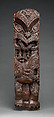
Amo (house post figure), Māori artist, Wood, Maori people, Te Arawa
Māori artist
ca. 1800
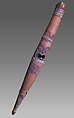
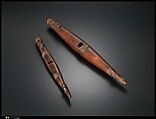
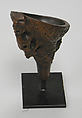
Pūtōrino, Maori, matai (Podocarpus spicatus) wood, cord, Maori people
Culture Maori
late 19th century
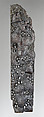
Epa (carved panel for a storehouse), Māori artist, Wood, Māori
Māori artist
Mid-18th century or earlier
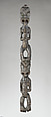
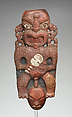
Tekoteko (gable figure), Māori artist, Wood, shell (pāua), Māori
Māori artist
Mid-18th century
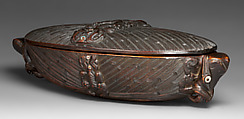
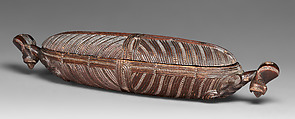
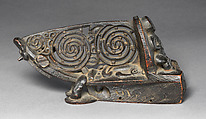
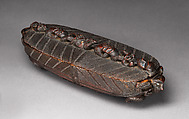
Papahou (treasure box), Māori artist, Wood, shell (pāua), Maori people
Māori artist
18th century
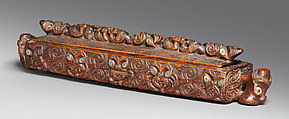
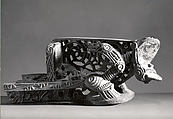
Waka huia (treasure box), Māori artist, Wood, shell (pāua), Maori people
Māori artist
mid-late 19th century
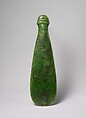
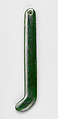
Mere pounamu (hand club), Māori artist, Nephrite jade (pounamu), Maori people
Māori artist
19th century
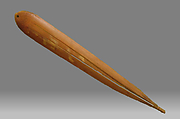
Flute (Putorino), Māori artist, Wood, fiber, Maori people
Māori artist
ca. 1800–1820
Turuturu (weaving peg), Māori artist, Wood, Maori people
Māori artist
Late 18th–early 19th century
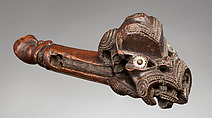
Architectural feature, Māori artist, Wood, shell (pāua), Maori people
Māori artist
19th century
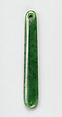
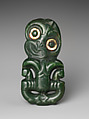
Kapeu (ear ornament), Māori artist, Nephrite jade (pounamu), Maori people
Māori artist
18th–early 19th century
Kuru (Ear Ornament or Pendant), Māori artist, Nephrite jade (pounamu), Maori people
Māori artist
18th–early 19th century
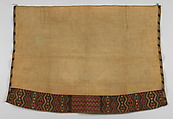
Kaitaka aronui (cloak), Māori artist, Flax (harakeke, Phormium tenax), wool, Maori people
Māori artist
mid-19th century
Tekoteko (gable figure), Māori artist, Wood, paint, Maori people, Te Arawa
Māori artist
1820s
Pūtōrino, Maori, matai (Podocarpus spicatus) wood, fiber cord, paua sea shell ablone, Maori
Culture Maori
late 19th century
Kooauau, wood, Maori
Maori
early 19th century
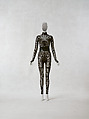
"Maori" top and "Kalinga" leggings, Yiqing Yin  French, (a, b) viscose, polyester, (c) lambskin, French
Designer Yiqing Yin
spring/summer 2015 haute couture
Manufacturer Fortuny
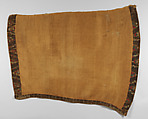
Cloak, New Zealand Flax (phormium tenax species), wool, Maori people, Kaitaka
Maori people, Kaitaka
19th century
Fiona Pardington
2002 (reprinted 2024)
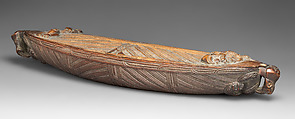
Treasure Box (Wakahuia), Wood, Maori people
Maori people
1820s–30s
Canoe bailer (Tiheru [?]), Wood, Maori people
Maori people
19th century
Treasure Box (Wakahuia), Wood, shell, feathers, fiber, Maori people
Maori people
1850s
Model Canoe Prow, Wood, shell, Maori people
Maori people
mid to late 19th century
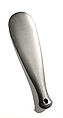
Club (Patu Onewa), Stone, Maori people
Maori people
19th century or earlier
Model Canoe Prow, Wood, shell, Maori people
Maori people
mid to late 19th century
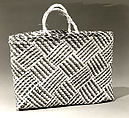
Carrying Basket (Kete Whakairo), Kerehi Makiwhara, Fiber, Maori people
Kerehi Makiwhara
mid-20th century
Feeding Funnel (Korere), Wood?, Maori people
Maori people
19th century
Greenstone pendant, Nephrite jade (pounamu), shell, pigment, and wax, Maori; Aotearoa New Zealand
Maori; Aotearoa New Zealand
19th century
Hand Club (Wahaika [?]), Wood, Maori people, Te Arawa
Maori people, Te Arawa
ca. 1890
Treasure Box (Wakahuia), Wood, mother-of-pearl, Maori people, Te Arawa
Maori people, Te Arawa
1830s–40s
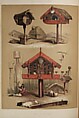
The New Zealanders, George French Angas  British, Illustrated book, London: T. McLean, 1847
Author George French Angas
1847
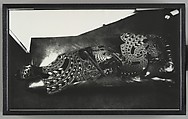
Vertigo, Shannon Bool  Canadian, Gelatin silver print
Shannon Bool
2015
Jew's Harp, Bamboo, fiber., New Zealander, Polynesian
New Zealander, Polynesian
19th century
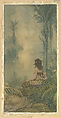
Aukland, New Zealand, Illustration for "A Song of the English", William Heath Robinson  British, Watercolor
William Heath Robinson
Author Related author Rudyard Kipling
ca. 1909
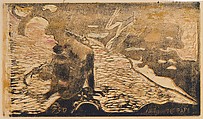
Auti Te Pape, Paul Gauguin  French, Woodcut printed in color on wove paper
Paul Gauguin
1893–94
Fiona Pardington
2006 (reprinted 2024)

Content Notice

The Metropolitan Museum of Art presents over 5,000 years of art from around the world, and our online collection reflects ongoing work conducted over the course of our more than 150-year history. You may encounter objects or images that may be inappropriate for some viewers or information that may be outdated.
How are these search results?