Search for Art
1-42 of 1,544 results for satyr
Sort by:
Show only
Images
Date
Artist / culture
Object type / material
Match
selected filters.
Geographic location
Match
selected filters.
Department
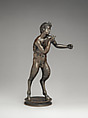
Antico (Pier Jacopo Alari Bonacolsi)
ca. 1510–ca. 1520
Greek
late 5th–4th century BCE
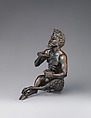
Workshop of Andrea Briosco, called Riccio
after 1600
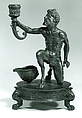
Workshop of Desiderio da Firenze
Workshop of Severo Calzetta da Ravenna
ca. 1530
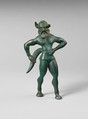
Etruscan
6th century BCE
Flemish
17th century
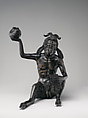
Andrea Briosco, called Riccio
second quarter of the 16th century

Roman
1st century CE
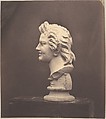
Roger Fenton
1854–58
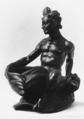
European
16th–17th century
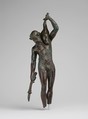
Greek
3rd–2nd century BCE
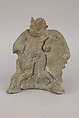
Reuben Nakian
ca. 1950
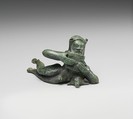
Etruscan
late 6th century BCE
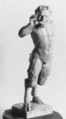
Flemish
17th century
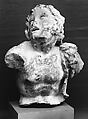
Roman
1st century CE
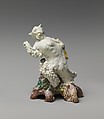
Factory Villeroy
ca. 1740
Etruscan
late 6th century BCE
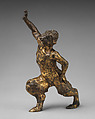
Northern Italian
16th–17th century
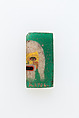
100 BCE–100 CE
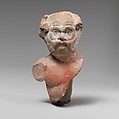
Greek, South Italian, Tarentine
4th century BCE
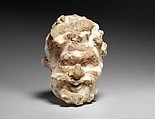
Greek
3rd–1st century BCE
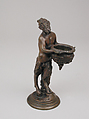
Imitator of Andrea Briosco, called Riccio
early 17th century
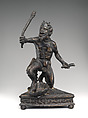
Manner of Andrea Briosco, called Riccio
16th century
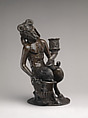
Northern Italian
ca. 1530–40
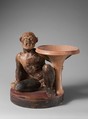
Etruscan
4th century BCE
Greek
ca. 325–300 BCE
After a composition by Joseph-Charles Marin
18th–19th century
Etruscan
late 4th century BCE
Etruscan
ca. 510–480 B.C
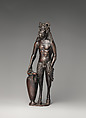
Andrea Briosco, called Riccio
ca. 1540–50
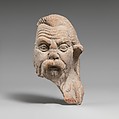
Greek, South Italian, Tarentine
4th century BCE
Cypriot
2nd century BCE
Cypriot
2nd century BCE
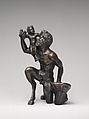
possibly Italian, Padua
16th century
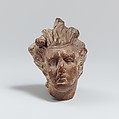
Greek, Asia Minor, Smyrna
2nd–1st century BCE
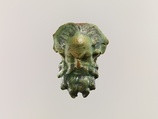
246–222 BCE
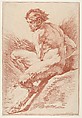
Gilles Demarteau
After François Boucher
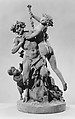
Clodion (Claude Michel)
late 18th century
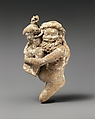
Greek, Tarentine
3rd century BCE
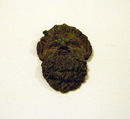
Greek
2nd century BCE
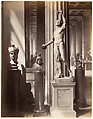
Stephen Thompson
1869–72
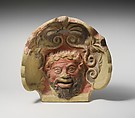
Etruscan, Cerveteri
4th century BCE
Content Notice
The Metropolitan Museum of Art presents over 5,000 years of art from around the world, and our online collection reflects ongoing work conducted over the course of our more than 150-year history. You may encounter objects or images that may be inappropriate for some viewers or information that may be outdated.