Nous travaillons à la traduction de cette page dès que possible. Merci de votre compréhension.

Search the collection

Filter By

Object Type / Material
Geographic Location
Department
Date
Show Only:
  • As part of the Met's Open Access policy, you can freely copy, modify and distribute this image, even for commercial purposes.
    APIPublic domain data for this object can also be accessed using the Met's Open Access API
Showing 1,319 results for satyr
Sort by:
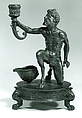
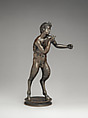
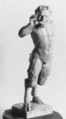
Satyr, Desiderio da Firenze  Italian, Copper alloy with a reddish brown patina; the base and shell with a dark brown patina.
Desiderio da Firenze
Severo Calzetta da Ravenna
ca. 1530
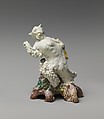
Satyr, Villeroy  French, Soft-paste porcelain, French, Villeroy
Villeroy
ca. 1740
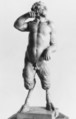
Satyr, Antico (Pier Jacopo Alari Bonacolsi)  Italian, Bronze, with remains of dark brown lacquer, Italian, Mantua
Antico (Pier Jacopo Alari Bonacolsi)
ca. 1510–ca. 1520
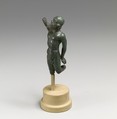
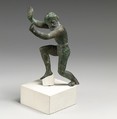
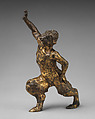
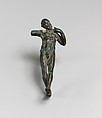
Bronze satyr, Bronze, Greek
Greek
late 5th–4th century BCE
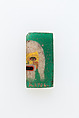
Inlay, satyr, Glass
100 BC–100 AD
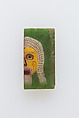
Inlay, satyr, Glass
100 BC–100 AD
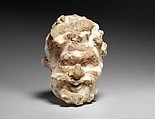
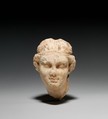
Marble head of a satyr, Marble, Pentelic ?, Greek
Greek
3rd–1st century BCE
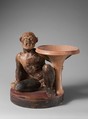
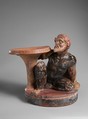
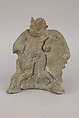
Terracotta stand with a satyr, Terracotta, Etruscan
Etruscan
4th century BCE
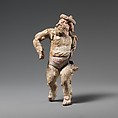
Terracotta statuette of a satyr, Terracotta, Greek, South Italian, Tarentine
Greek, South Italian, Tarentine
late 4th–early 3rd century BCE
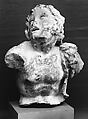
Marble statuette of a satyr, Marble, Pentelic ?, Roman
Roman
1st century CE
Bronze statuette of a satyr, Bronze, Etruscan
Etruscan
6th century BCE
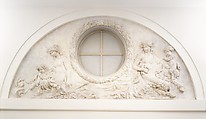
Satyresses and satyr children, Clodion (Claude Michel)  French, Stucco, French, Paris
Clodion (Claude Michel)
ca. 1781
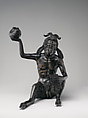
Seated satyr with silvered eyes, Andrea Briosco, called Riccio  Italian, Bronze, silver inlay (eyes), Italian, Padua
Andrea Briosco, called Riccio
second quarter of the 16th century
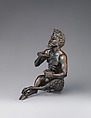
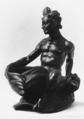
Seated satyr with a shell, Andrea Briosco, called Riccio  Italian, Bronze, Italian
Andrea Briosco, called Riccio
after 1600
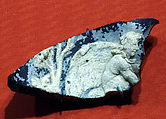
Cameo fragment with a satyr, glass, white on blue
27 B.C.–A.D. 14
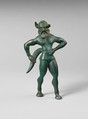
Bronze statuette of a dancing satyr, Bronze, Etruscan
Etruscan
late 5th century BCE
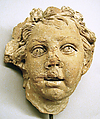
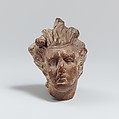
Terracotta head of a young satyr, Terracotta, Greek or Roman
Greek or Roman
1st century BCE–2nd century CE
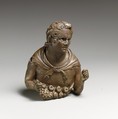
Bronze bust of a young satyr, Bronze, silver, copper, Roman
Roman
first half of the 2nd century CE
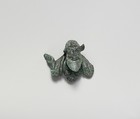
Bronze attachment with satyr head, Bronze, Etruscan
Etruscan
late 6th century BCE
Terracotta stand with a satyr, Terracotta, Etruscan
Etruscan
late 4th century BCE
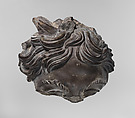
Greywacke head of a satyr, Greywacke, Roman
Roman
1st century CE
Terracotta head of a satyr, Terracotta, Greek, Asia Minor, Smyrna
Greek, Asia Minor, Smyrna
2nd–1st century BCE
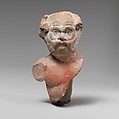
Terracotta bust of a satyr, Terracotta, Greek, South Italian, Tarentine
Greek, South Italian, Tarentine
4th century BCE
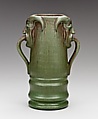
Vase with Satyr-head handles, William J. Walley, Stoneware; allover mat green glaze with darker areas, American
William J. Walley
ca. 1898–1919
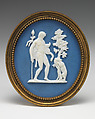
Satyr, Wedgwood and Bentley  British, Jasper ware, British, Etruria, Staffordshire
Wedgwood and Bentley
1769–80
Satyr, Bronze, European
European
16th–17th century
Satyr, Ivory, Flemish
Flemish
17th century
Satyr, Ivory, Flemish
Flemish
17th century
Satyr, Gilt bronze, Northern Italian
Northern Italian
16th–17th century
Satyr, Reuben Nakian  American, Terracotta
Reuben Nakian
ca. 1950
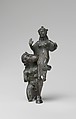
Bronze statuette of a satyr and maenad, Bronze, Etruscan
Etruscan
ca. 510–480 B.C
Marble head of a female satyr, Marble, Greek
Greek
3rd or 2nd century BCE
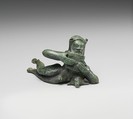
Bronze statuette of a reclining satyr, Bronze, Etruscan
Etruscan
late 6th century BCE
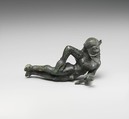
Bronze statuette of a reclining satyr, Bronze, Etruscan
Etruscan
6th century BCE
Bronze statuette of a satyr dancing, Bronze, Greek
Greek
2nd century BCE
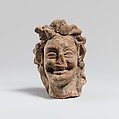
Terracotta head of a laughing satyr, Terracotta, Greek
Greek
3rd–1st century BCE
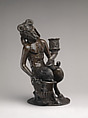
Seated satyr with an inkwell and a candlestick, Bronze, Northern Italian
Northern Italian
ca. 1530–40
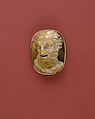
Cameo with the Head of a Satyr, Sardonyx with gold mount, probably Italian
probably Italian
late 18th or early 19th century
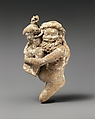
Terracotta statuette of a satyr and maenad, Terracotta, Greek, Tarentine
Greek, Tarentine
3rd century BCE
Kneeling Satyr, Andrea Briosco, called Riccio  Italian, Bronze, possibly Italian, Padua
Andrea Briosco, called Riccio
16th century