The James M. Kellogg Collection of Enameled Objects
The year 1753 saw the foundation of the first English producer of small, enameled objects, such as this. While York House in Battersea only existed for three years prior to going bankrupt, other manufacturers in London and in the Midlands at Bilston, Wolverhampton and Birmingham followed suit. For 70 years, Britain produced large quantities of enameled objects in competition with Continental Europe, including snuff and patch boxes, bonbonnières, nécessaires, scent bottles, tea caddies etc. Their bold designs, ranging from elegant and exuberant to amusing, sought to attract a diverse range of customers. Cheaper in their production than comparable objects made of gold, silver or porcelain, enamels reached a broad audience across the United Kingdom and indeed as far as the nascent United States.
Artwork Details
- Title: The James M. Kellogg Collection of Enameled Objects
- Date: second half of the 18th century
- Culture: British, various locations
- Medium: Enamel on copper
- Dimensions: various
- Classification: Enamels-Painted
- Credit Line: Gift of Mrs. James M. Kellogg, in memory of her husband, 2023
- Object Number: 2023.441.1–.96
- Curatorial Department: European Sculpture and Decorative Arts
More Artwork
A slider containing 5 items.
Press the down key to skip to the last item.
Press the down key to skip to the last item.
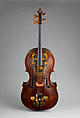
William Forster
1782

Léonard Limosin
1556
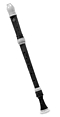
Joseph Bradbury
ca. 1700
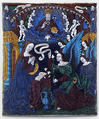
Enameler Workshop of Master of the Triptych of Louis XII
probably early 16th century
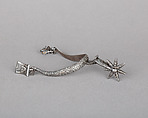
British
first half 17th century
Research Resources
The Met provides unparalleled resources for research and welcomes an international community of students and scholars. The Met's Open Access API is where creators and researchers can connect to the The Met collection. Open Access data and public domain images are available for unrestricted commercial and noncommercial use without permission or fee.
To request images under copyright and other restrictions, please use this Image Request form.
Feedback
We continue to research and examine historical and cultural context for objects in The Met collection. If you have comments or questions about this object record, please contact us using the form below. The Museum looks forward to receiving your comments.