
Lee Krasner (1908–1984) and Jackson Pollock (1912–1956) met as emerging artists in New York in the winter of 1941. They married in 1945 and moved to Springs, Long Island, where they remained entwined personally, artistically, and professionally until Pollock’s untimely death. While Pollock’s reputation historically eclipsed Krasner’s, today, both artists’ practices are rightly recognized as central to the innovations of art from the mid-20th century onwards. This exhibition continues and amplifies this reevaluation, on their own terms and in dynamic relation to each other.
Drawing its subtitle, Past Continuous, from a 1976 painting by Krasner, the exhibition traces parallel lives and practices—forged first by lived experience, then shadowed by memory. Krasner, born in Brooklyn to Jewish immigrant parents from what is now Ukraine, and Pollock, raised in Los Angeles and the American West, brought specific geographies and inheritances into a shared artistic context. Their early paths traced distinct strands of American modernism that would ultimately converge in the rupture known as Abstract Expressionism, a movement that valued the translation of inner feelings into dramatic visual action. In the wake of World War II, artists asked why art mattered and what it could be. For Pollock, his breakthrough was the “drip” technique, a radical mode of painting that flourished in a condensed but prolific period. Krasner’s varied practice was typified by ceaseless explorations of abstraction, often cued by her abiding interest in the possibilities of nature and color.
Krasner and Pollock: Past Continuous is the first major New York presentation devoted to either artist in more than 20 years. Featuring over 120 works, it is the first exhibition to look at the full arc of their careers together.
The exhibition is made possible by Kenneth C. Griffin and Griffin Catalyst, Marina Kellen French, and the Barrie A. and Deedee Wigmore Foundation.
Additional support is provided by Trevor and Alexis Traina, the Aaron I. Fleischman and Lin Lougheed Fund, The Huo Family Foundation, Joyce Kwok, Janice Lee and Joseph Bae, Dina Axelrad Perry, Alice and Tom Tisch, and the Horace W. Goldsmith Foundation.
The catalogue is made possible by the Pollock-Krasner Foundation.
Additional support is provided by Mattia de Luca, the Aaron I. Fleischman and Lin Lougheed Fund, The Robert David Lion Gardiner Foundation, Karen and Sam Seymour, the Wyeth Foundation for American Art, Suzanne Deal Booth, Ted Stebbins, and Kelly Williams and Andrew Forsyth.
Accessibility

To access a large-print version of the exhibition text, click here
Events
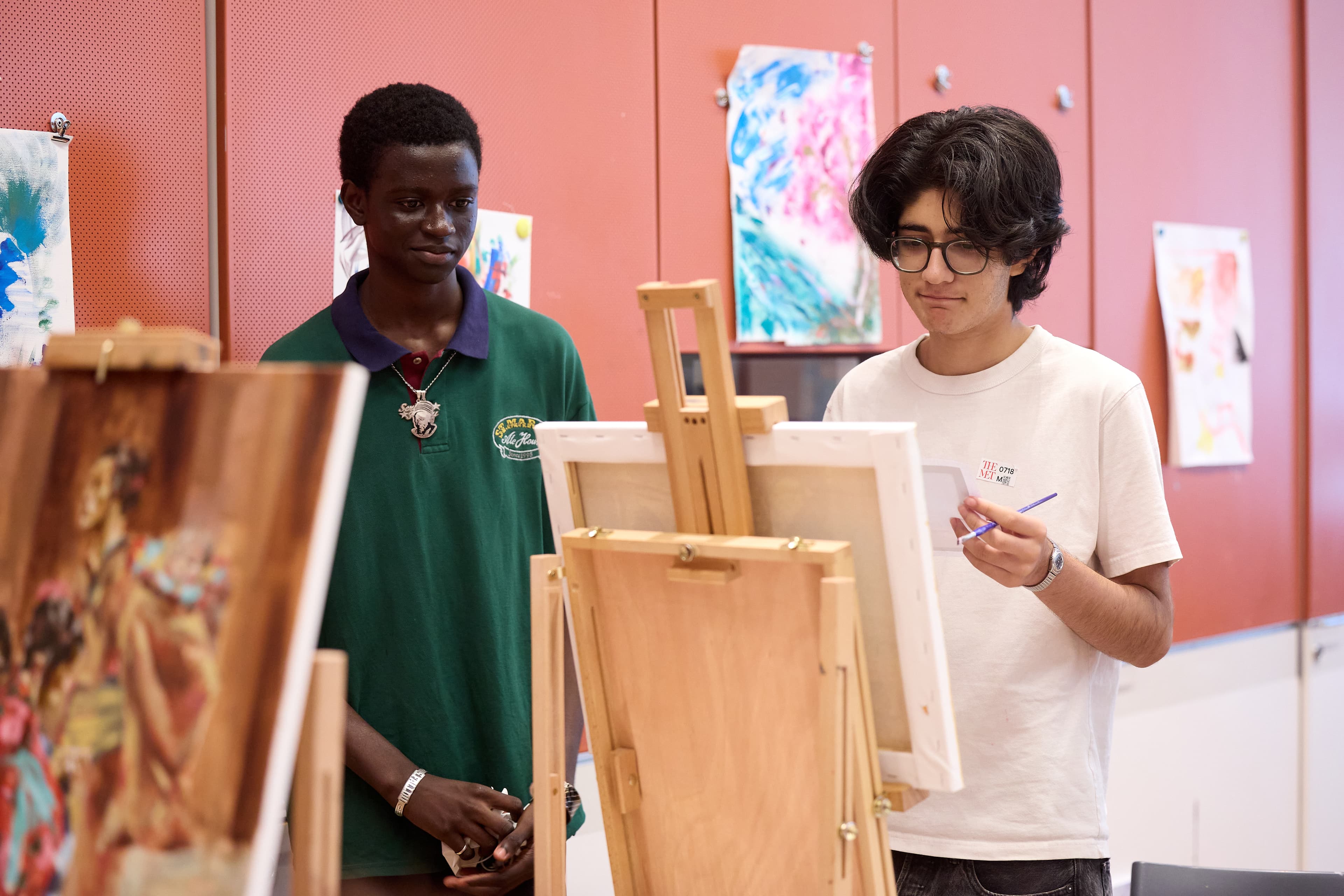
Teen Studio—Too Abstract (Ages 12–14)
Teen Studio—Too Abstract (Ages 15–18)
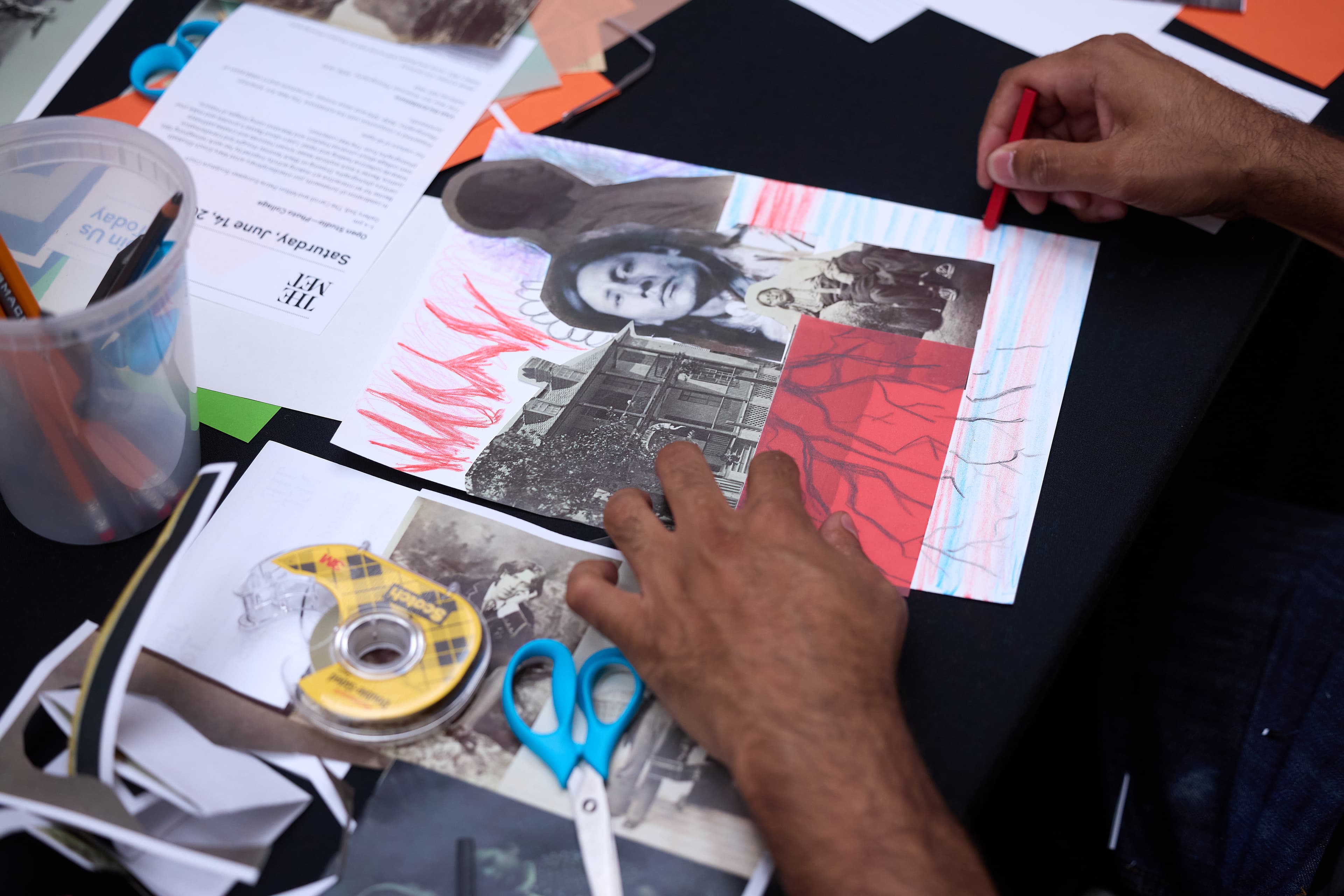
Open Studio—Collage, Process, and Pattern
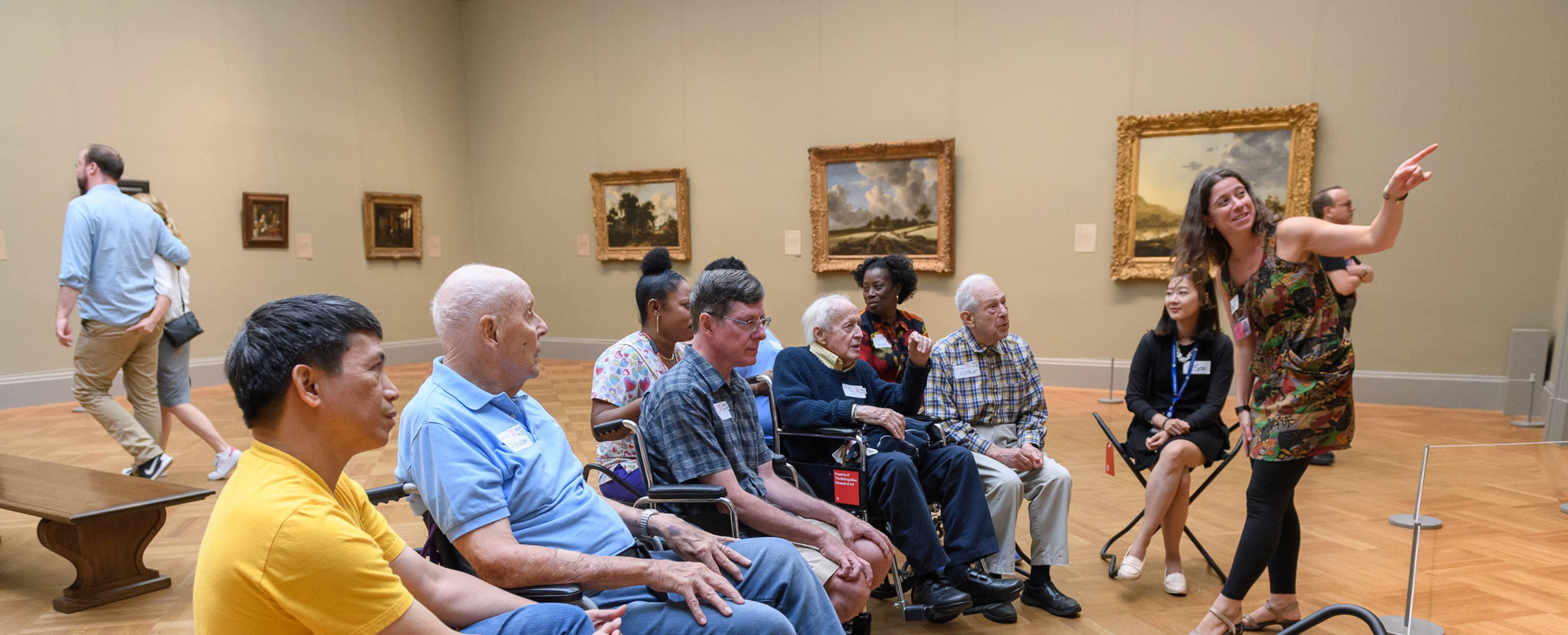
Met Escapes—Krasner and Pollock: Past Continuous
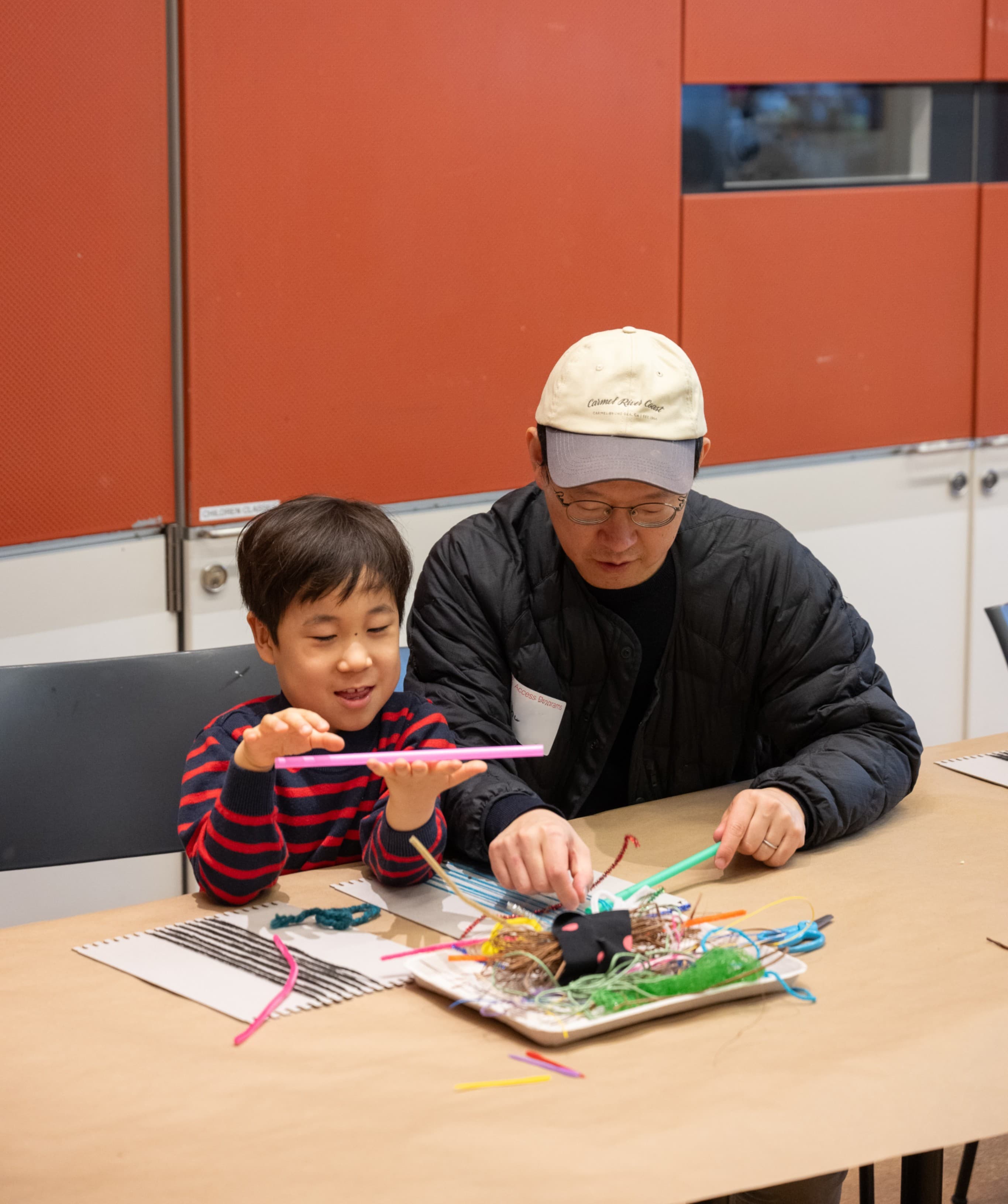
Discoveries (Ages 5–13)—Radical Rendering
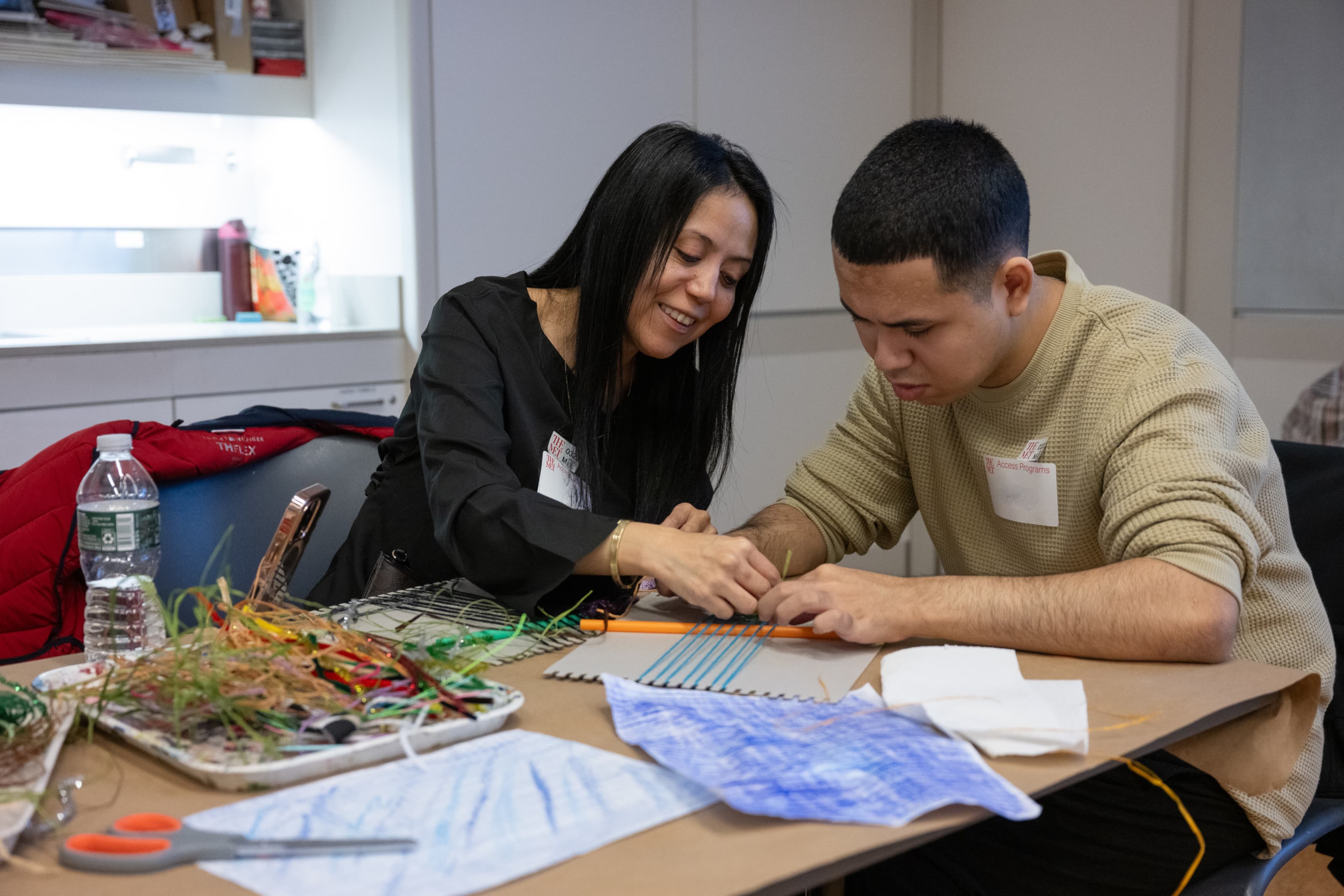
Discoveries (Ages 14–22)—Radical Rendering
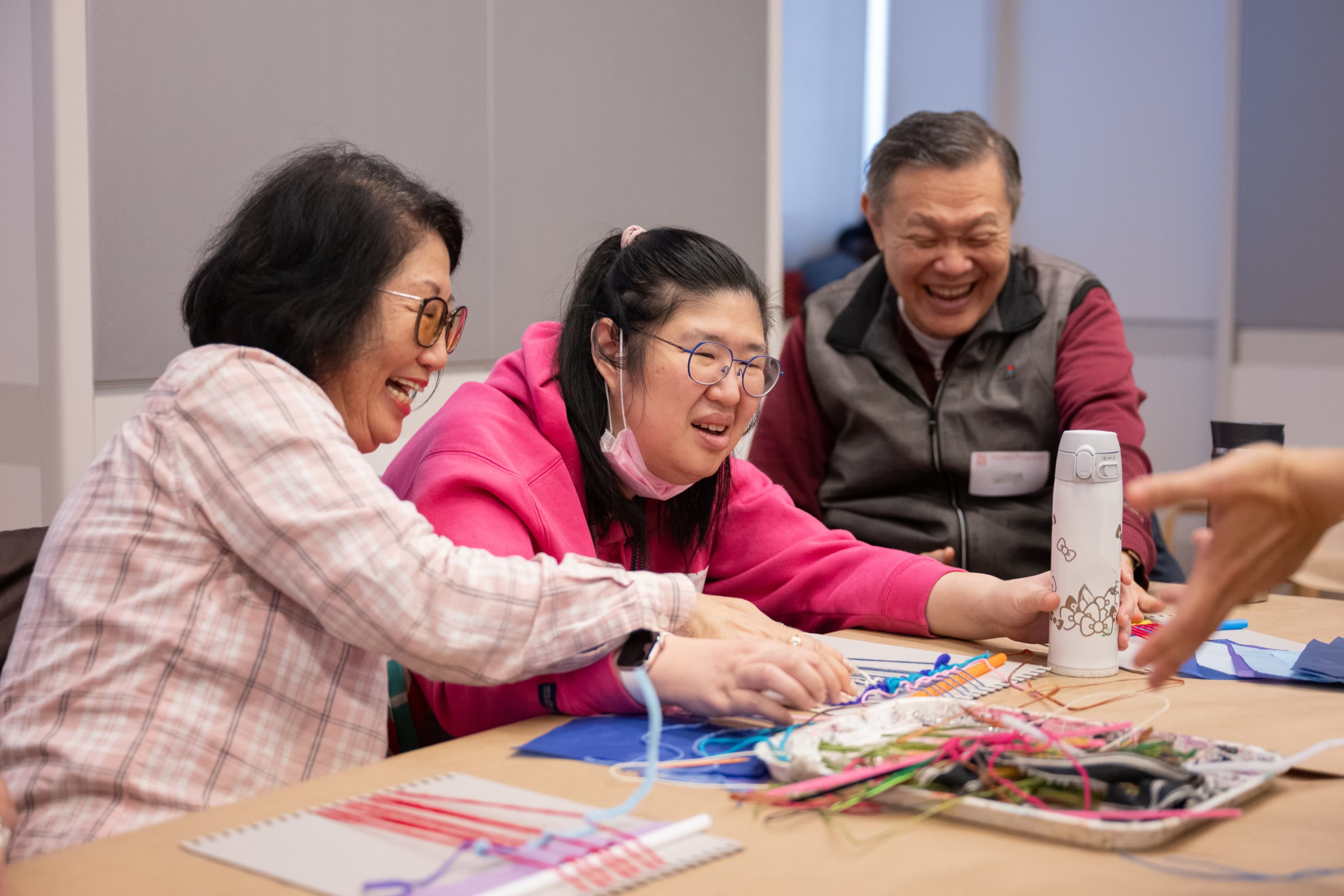
Discoveries (Ages 23+)—Radical Rendering
A knockout show.
Landmark show.
Groundbreaking.
Remarkable.
Exhibition Catalogue
Krasner and Pollock: Past Continuous
This volume highlights the range and art-historical importance of Krasner’s work, evaluates Pollock’s significance anew, and explores their distinct yet deeply interconnected artistic careers and legacies.
Image Credits
Lee Krasner (American, 1908–1984). Bald Eagle (detail), 1955. Oil, paper, and canvas collage on linen, 77 × 51 1/2 in. (195.6 × 130.8 cm). ASOM Collection © 2026 Pollock-Krasner Foundation / Artists Rights Society (ARS), New York
Learn more about The Robert David Lion Gardiner Foundation.