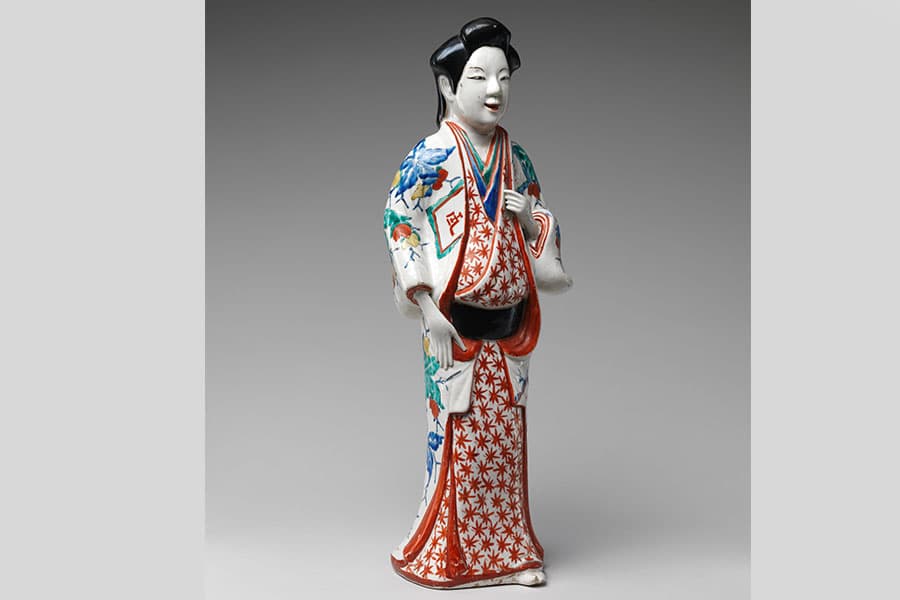
From the earliest hand-built figurines rooted in spiritual beliefs to the vibrant works that define today’s contemporary ceramic art scene, Japanese pottery reflects exceptional creativity and a refined sense of beauty. Its distinctiveness arises from the ingenuity and mastery of the potters, as well as the wide range of wares that have long supported daily life. This exhibition explores Japan’s extensive and rich history of ceramic art through approximately 350 extraordinary works presented in themes that offer fresh perspectives on the diverse forms and functions, from everyday tableware to vessels created for tea masters and elite households to modern sculptural compositions.
Japan’s earliest pottery dates back more than 12,000 years, when makers shaped and fired clay vessels for cooking and storage—objects that bear the traces of these early potters’ hands. Expertise transmitted from China and Korea in medieval times facilitated the development of new Japanese techniques and wares. Over time, the reverence for prized ceramics led to finding beauty even through damage. Japanese artisans developed kintsugi, the art of repairing broken ceramics with gold lacquer, restoring the damaged object’s function while making it even more precious and valuable. Japanese cuisine and dining aesthetics inspired vessels designed to harmonize with the color and texture of food. Many porcelains from the Edo period (1615–1868) are embellished with motifs drawn from the natural world or symbols of happiness, longevity, and good fortune.
Featuring refined ceramics and other artworks from the Museum’s Harry G. C. Packard Collection, this exhibition celebrates the 50th anniversary of this landmark acquisition that established the foundation of The Met’s Japanese art holdings. By placing ceramics in dialogue with related art forms—including lacquers, textiles, paintings, and woodblock prints—the display inspires curiosity about the multiverse of Japanese ceramics and its broader cultural contexts.
During the exhibition, a selection of artworks will come off view and be replaced by new works:
Rotation 1: January 19–May 12, 2026
Rotation 2: May 14–August 16, 2026
Rotation 3: August 29–December 8, 2026
Rotation 4: December 10, 2026–March 28, 2027
Rotation 5: April 10–August 8, 2027
The exhibition is made possible by the Mary Livingston Griggs and Mary Griggs Burke Foundation Fund.
Events
Art History Study Group—Japanese Porcelain