"When I assumed the pose of Perseus, I felt a sense of power, confidence, and strength."—Emmanuel von Schack, educator and ASL user
Learn more about this object: here
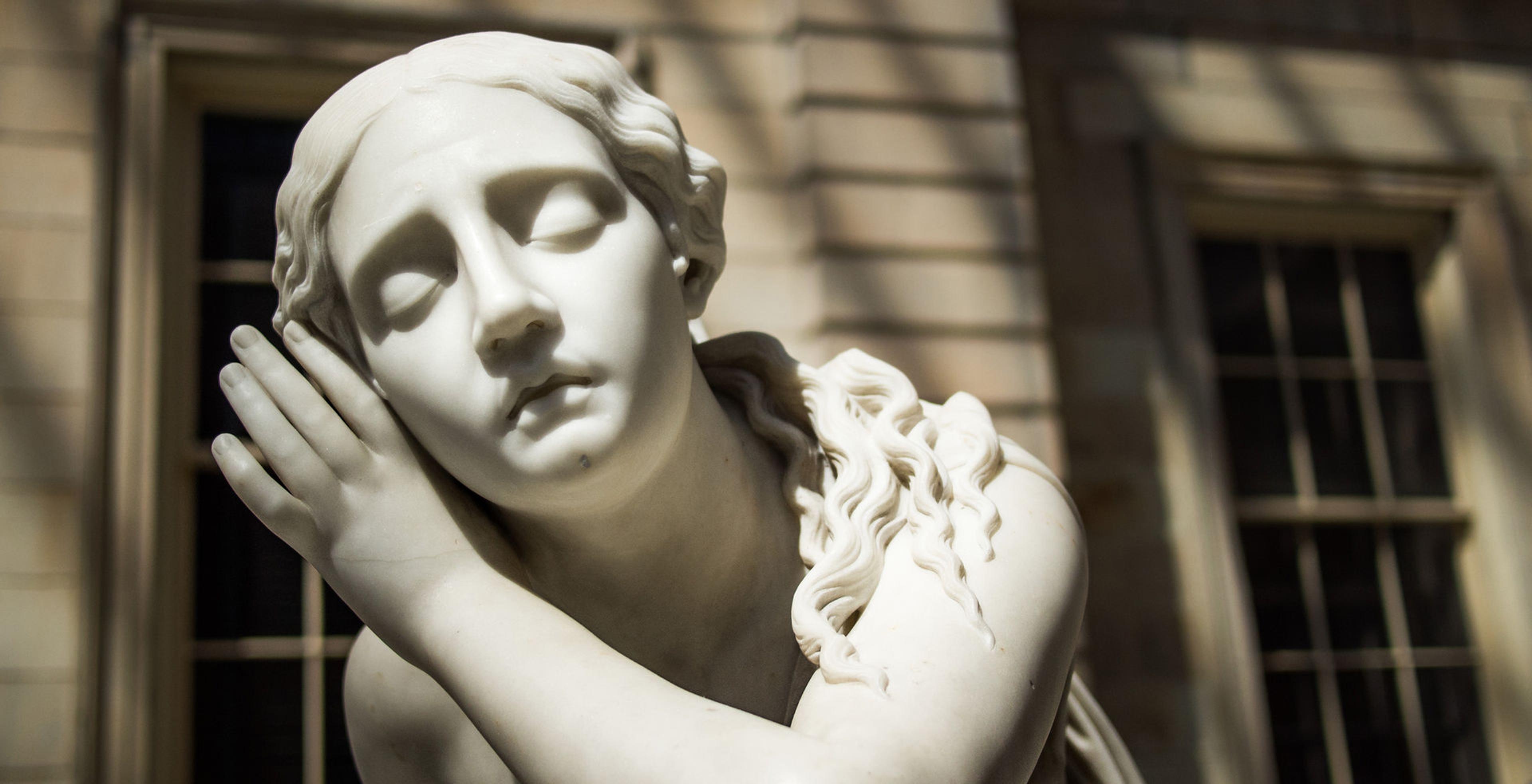
How does the sculpted body communicate? Hear from Met experts, leading authorities, and rising stars, each with a unique viewpoint on the language of gesture, facial expression, and pose.
See all viewpoints: here
Join the conversation: #MetViewpoints
After Victory
"When I assumed the pose of Perseus, I felt a sense of power, confidence, and strength." —Emmanuel von Schack, educator and ASL user
2 min. watch
Art Mentioned
Antonio Canova
Patron Commissioned by Count Jan and Countess Valeria Tarnowski
1804–6
More from The Met

How has art history overlooked the crucial role disability played in Pippin's painting?
Bryan Martin
July 26, 2023
"No place for a blind girl in a city of ash."
Georgina Kleege
July 10, 2023

Disabled and Deaf artists reflect on work from the Museum's collection.
Victoria Martinez
July 1, 2022
More in:Accessibility