Provenance Research at The Met
About Us
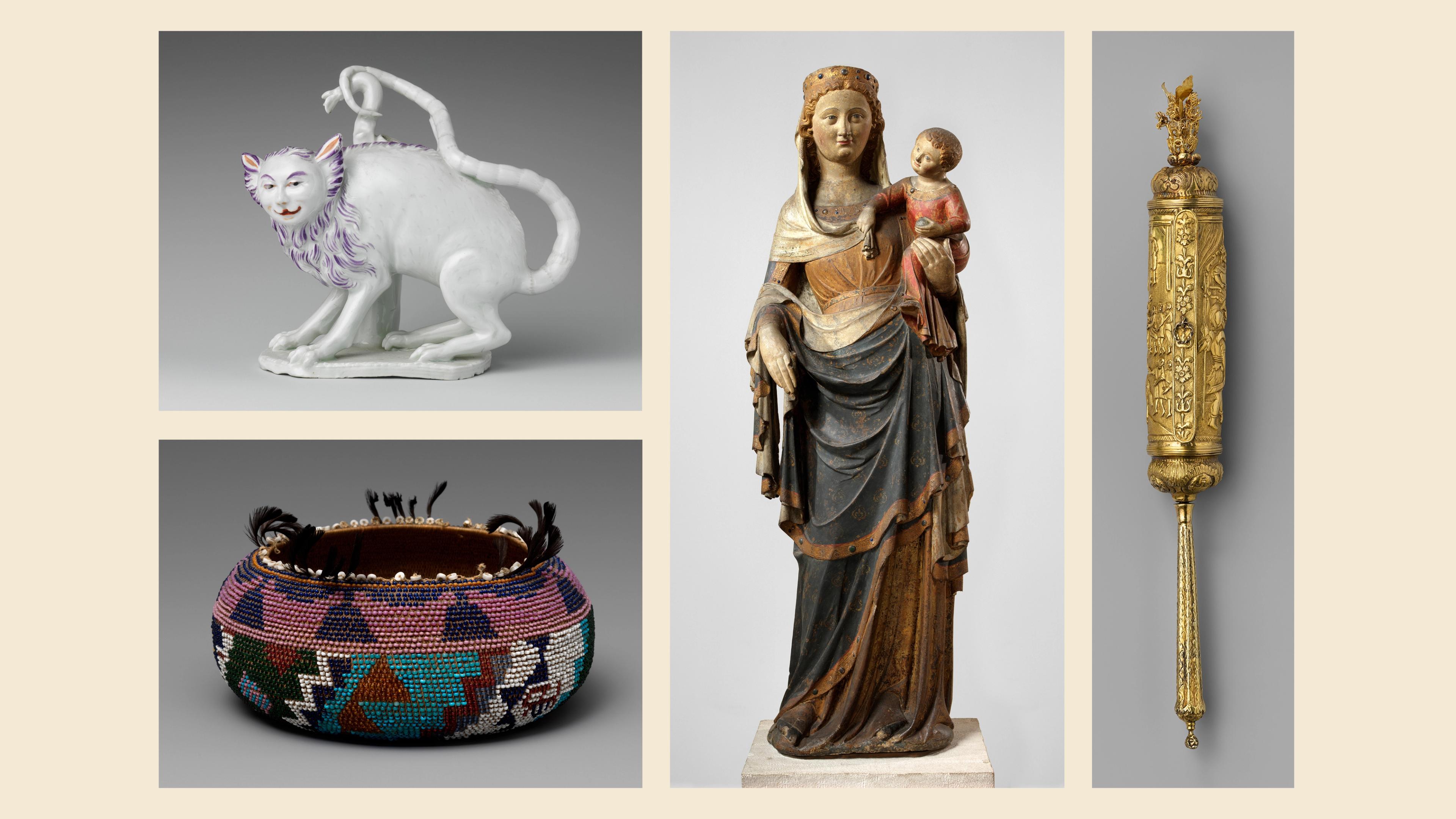
Every one of the more than 1.5 million objects in The Met collection has a unique history, purpose, and context. Part of the Museum’s mission is to research and present the provenance of every piece in our care. This work enables the Met to continuously expand and diversify the narratives we present in the galleries and on the website. When, how, and where was each piece in The Met’s stewardship created? Who made it, and why? What journey did it take to New York?
The provenance team works with The Met’s curators, conservators, and scientists, as well as internal and external partners, in conducting a systematic review of the provenance of the Museum’s holdings and ensuring that all objects entering the collection meet The Met’s strict collecting policies. The Met is a leader in the field in providing provenance information on most of our collection, with hundreds of thousands of objects available online.
For more information, read our FAQs about The Met collecting practices.
Collaborative Research Conducted by The Met and the Republic of Iraq
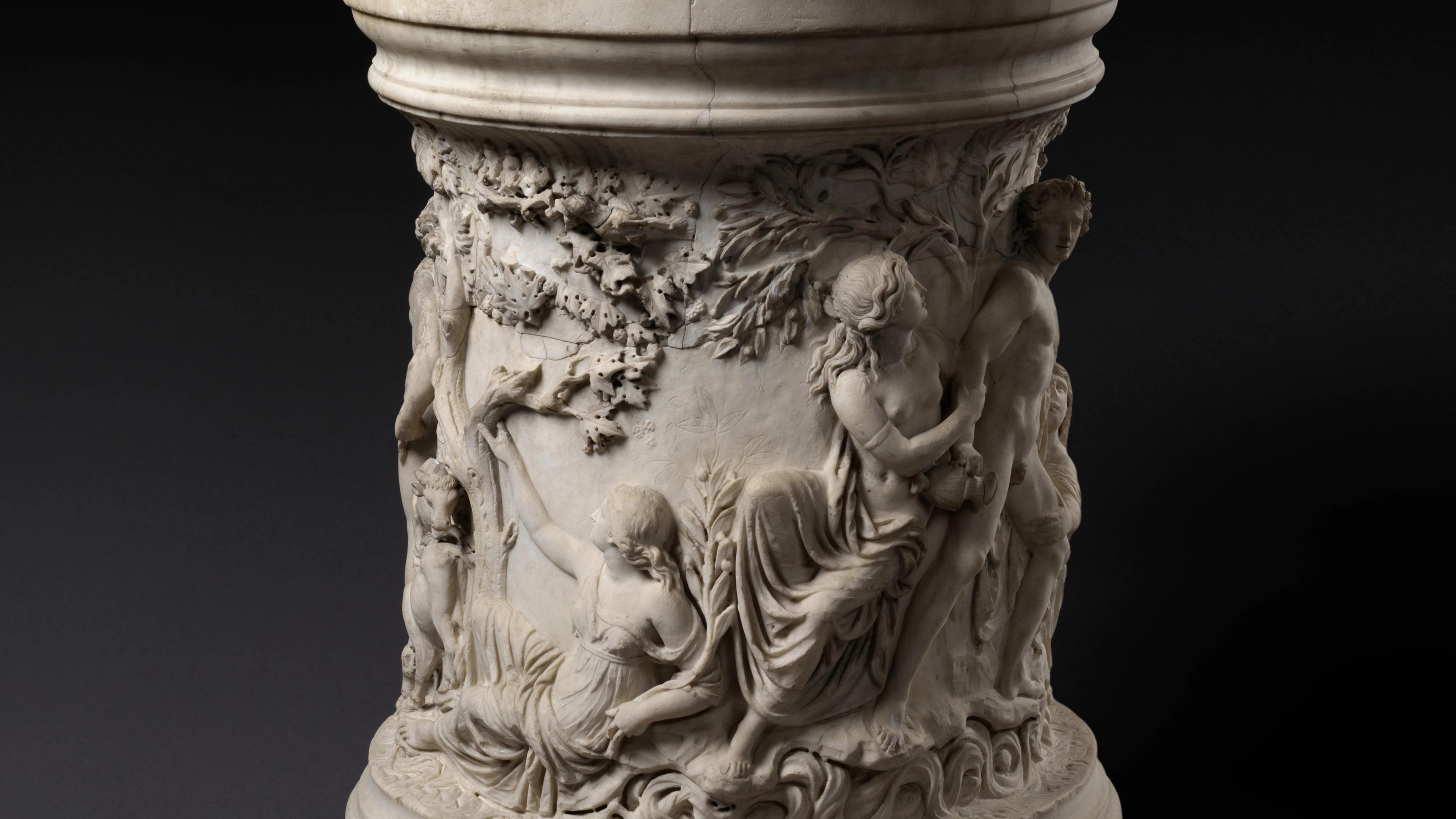
As part of this collaboration, The Met initiated the return of the sculpture Vessel Stand with Ibex to Iraq, which was marked by a ceremony held at the Museum.
Provenance Initiatives


Resources for Provenance Research
- Advanced Art SearchSearch 490,000+ works from 5,000 years of history.
- Provenance Research GuideA brief guide to books and online resources for provenance research
- Museum ArchivesFinding aids to Archival Collections and Museum history resources
- MetPublicationsExplore over 1,700 titles from the last six decades.
- New York and Paris Brummer Gallery RecordsRecords for objects that passed through the galleries between 1916-1947.
- Archival Labels for the Leonard A. Lauder Cubist CollectionExamine marks revealing sales and exhibition histories.
- Auction CatalogsThis collection, hosted by the Internet Archive, contains an ever-growing number digitized sales catalogs from the Met Libraries' collections. The catalogs date from the seventeenth through the mid-twentieth centuries, and are primarily from American and European auction houses.
- The Cloisters Archive CollectionPhoto albums, scholar and dealer records with finding aids and container lists
Articles, Audio, and Video
Featured

Expanding access to a landmark provenance and cultural heritage resource.