
Introduction
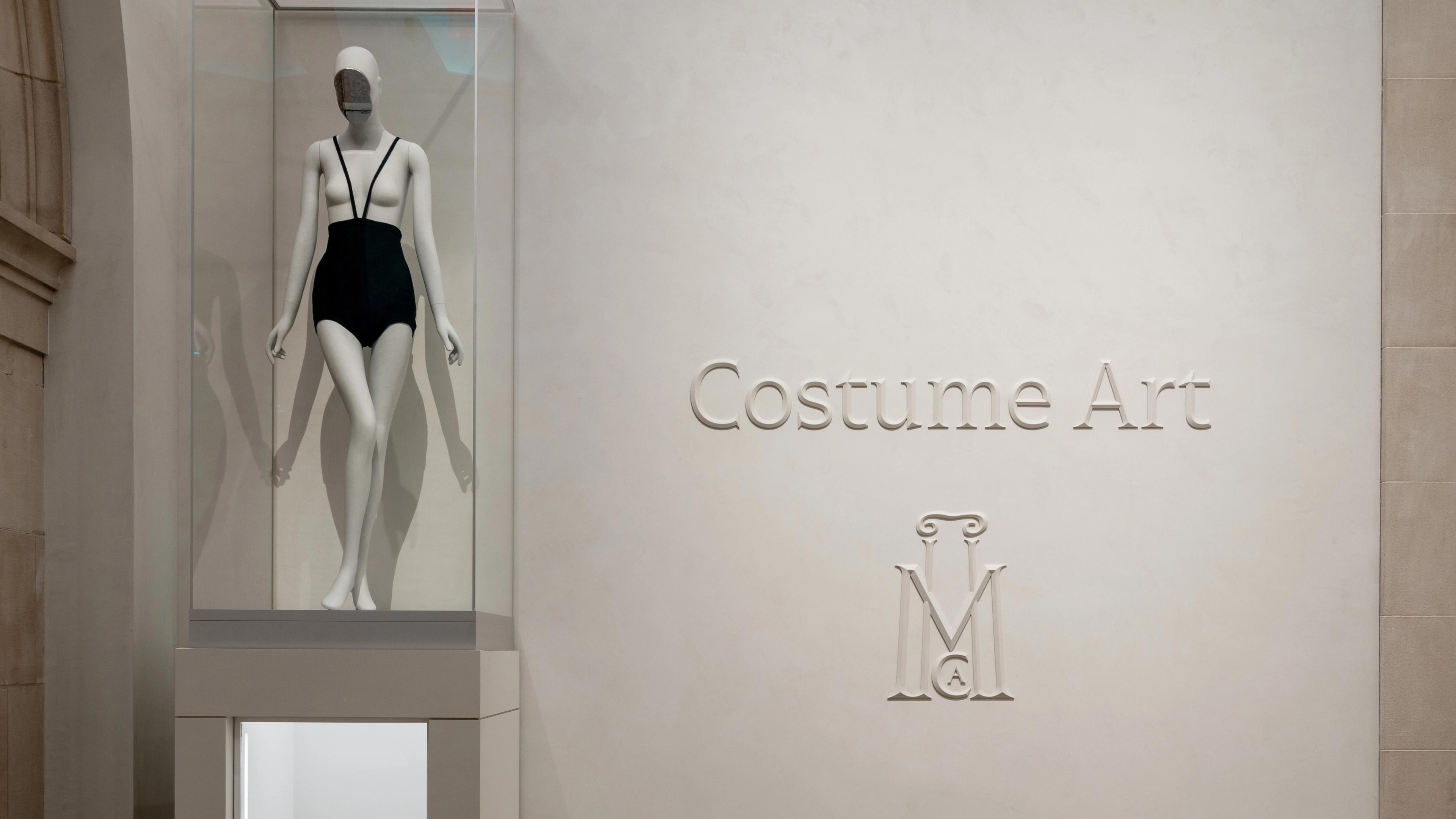
Across its nineteen collecting areas, The Metropolitan Museum of Art spans more than five millennia of artistic production, encompassing diverse cultures, geographies, and epistemic traditions. Within this heterogeneity, one constant persists: the human figure—and, more precisely, the dressed body. Draped, wrapped, tailored, armored, incised, painted, ornamented, and otherwise fashioned, the body appears throughout the galleries as a site where material form converges with social meaning.
Clothing does not simply cover. It mediates identity and articulates hierarchies of class, gender, belief, belonging, and difference, shaping how bodies are perceived and understood. Fashion, in this broad cultural sense, extends beyond an ancillary role to become intrinsic to the very structure of The Met collection—a connective thread linking works across time and place.
Through collaboration with departments across the Museum, garments from the permanent collection of The Costume Institute, together with select loans, enter sustained dialogue with painting, sculpture, works on paper, and the decorative arts. With thematically resonant juxtapositions, Costume Art invites viewers to perceive familiar works as representations in which clothing structures visibility and facilitates subjectivity, rather than as autonomous forms.
The exhibition proposes a decisive reorientation. Instead of treating fashion as illustrative supplement, it positions dress as an interpretive framework for reconsidering the politics of display. By placing fashion at the conceptual center of The Met, Costume Art expands aesthetics beyond detached contemplation toward lived embodiment, with the dressed body emerging not at the margins of art history but at its generative core.
Naked & Nude Body
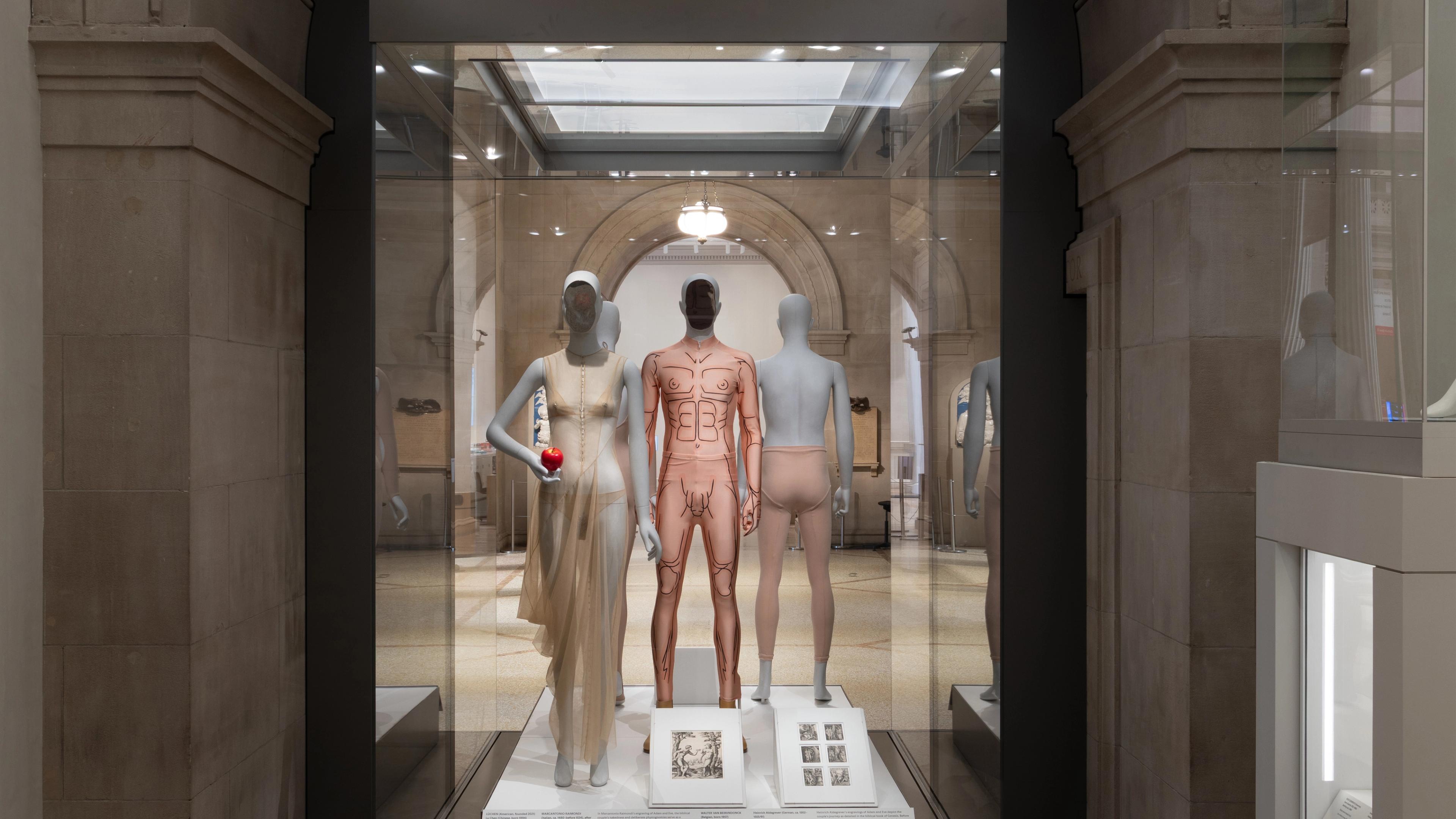
The relationship between fashion and the body begins with the unclothed form. Yet the nude is never neutral. Across history, ideals of beauty, modesty, and exposure have shaped how bodies are perceived, regulated, and desired. The distinction between the naked and the nude is foundational: nakedness denotes a condition of lived vulnerability, while the nude is a mediated construction—posed, aestheticized, and rendered culturally legible. Fashion, therefore, does more than veil the body; it frames how exposure is interpreted.
In Western traditions, the narrative of Adam and Eve crystallized a powerful paradigm. Before the Fall, nakedness signified unselfconscious innocence; afterward, it became a state of shame that demanded concealment. This transformation inaugurated a durable cultural logic in which clothing signals moral awareness. Designers have repeatedly unsettled that inheritance by staging nudity as devotion, spectacle, critique, futurism, or liberation.
Across cultures and historical periods, the exposed body oscillates between sacred emblem and social transgression. In this context, the naked and the nude do not stand in opposition to dress but operate along a continuum. Exposure becomes a visual language through which power, eroticism, autonomy, and vulnerability are negotiated and reimagined.
Selected Artworks
Bodily Being in Its Diversity
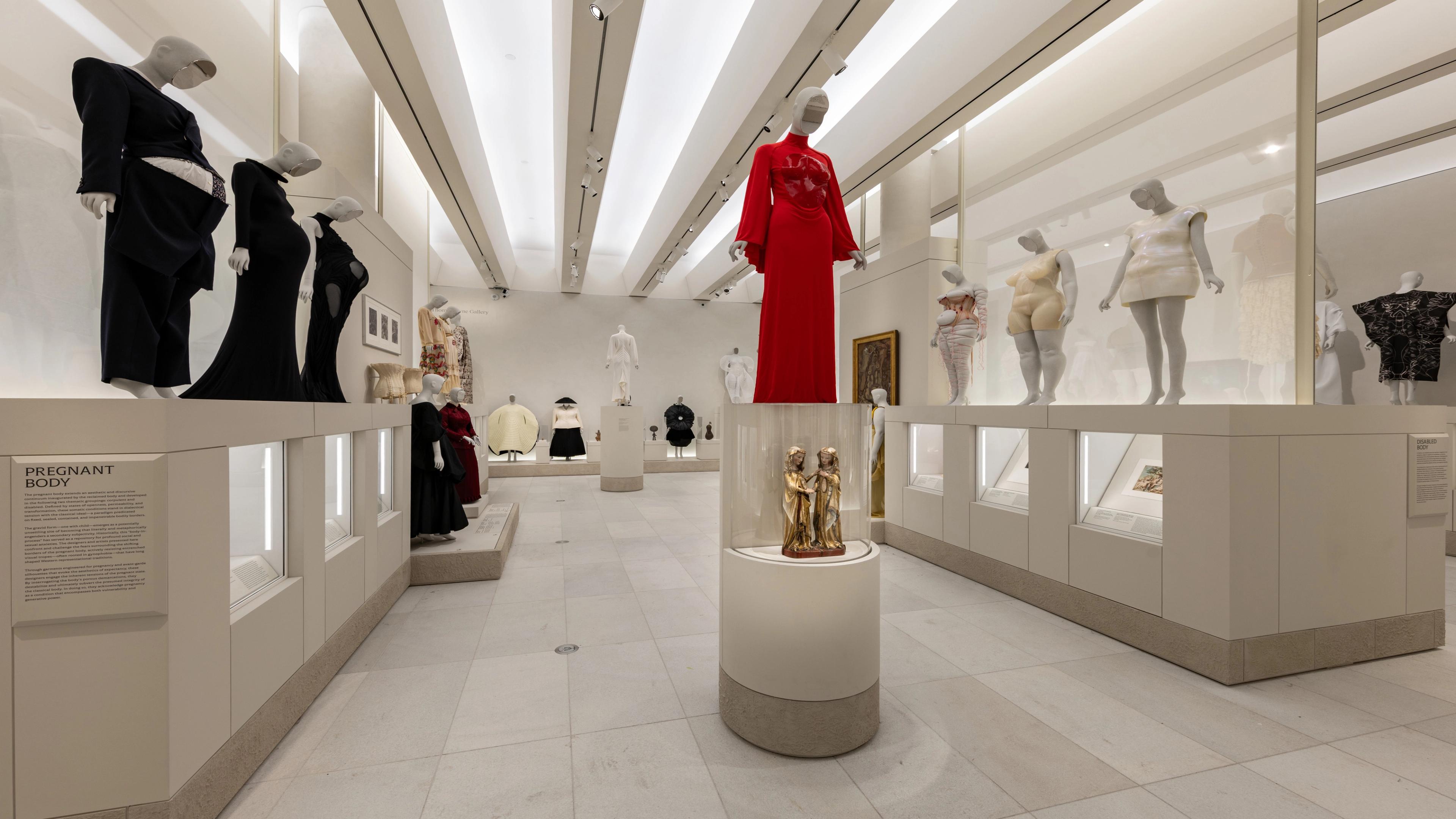
This gallery explores the body in its diversity—how fashion has idealized, distorted, and ultimately reclaimed diverse forms of embodiment. The pairings chart a conceptual trajectory from the normative archetype to the critical recognition of bodily plurality, situating fashion within shifting regimes of representation.
It begins with the Classical Body, rooted in the legacy of Greco-Roman antiquity, where harmony, proportion, and moral virtue coalesced into an idealized aesthetic paradigm. Although divested of its original civic symbolism, the classical body continues to underwrite contemporary standards of beauty and inform the formal lexicon of fashion. In counterpoint, the Abstract Body foregrounds fashion’s recurrent estrangement from anatomical verisimilitude. Corsetry, panniers, crinolines, and bustles deployed structural armatures to reconfigure the female silhouette into architectonic exaggerations. Such abstraction may suggest imaginative agency, yet it equally signals a disjunction between material body and sartorial artifice.
The Reclaimed Body marks a decisive turn from abstraction toward affirmation and sets the tone for the remainder of this portion of the exhibition. The Pregnant Body, the Corpulent Body, and the Disabled Body—historically excluded from prevailing norms—are centered through custom mannequins modeled on specific individuals. In upending entrenched equations of beauty, garments that reveal rather than conceal difference solicit relational recognition and empathetic engagement. By asserting distinct strengths and vulnerabilities, bodily diversity is reframed as fundamental to our shared human condition—one that the adjacent gallery examines not through difference, but through what all bodies hold in common.
Classical Body
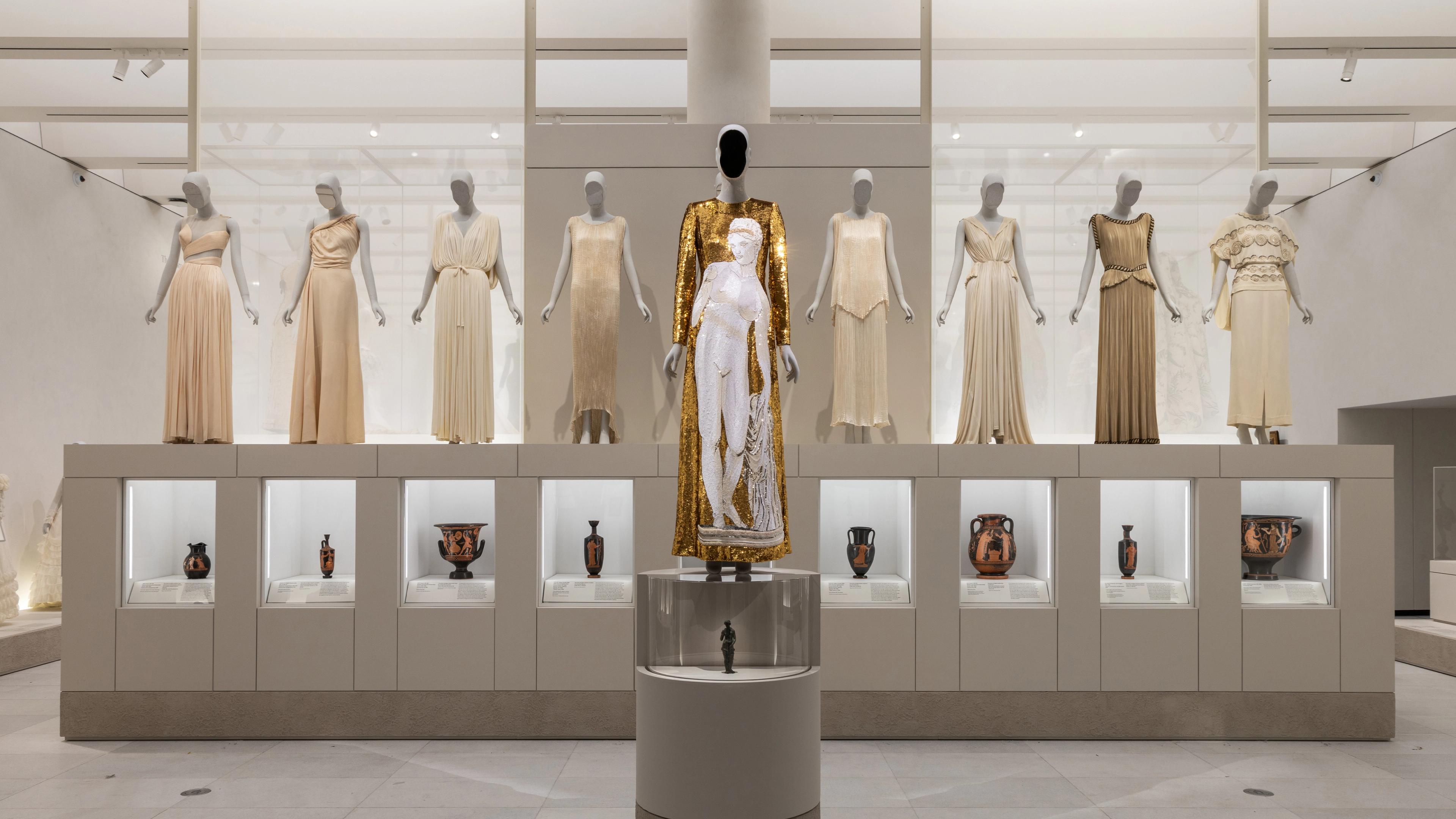
The aesthetic paradigms of the classical body derive from Greek and Roman principles of balance, harmony, symmetry, and proportion. These ideals have exerted a profound and enduring influence across the history of Western art and fashion, particularly during the Renaissance, Neoclassical, and modern periods. In his influential treatise Canon, the fifth-century bce sculptor Polykleitos articulated a rigorous system of mathematical ratios governing the perfect human form, emphasizing “symmetria” (the commensurability of constituent parts). Central to this concept is dynamic equilibrium, most clearly expressed through the contrapposto pose.
A century later, the sculptor Praxiteles advanced a strikingly different mode of classical naturalism, introducing a heightened sensuality by exaggerating the contrapposto stance with a sense of sinuous grace. Subsequent admiration for these two models of classical embodiment is evident in the fashions presented here. Designers variously engage these standards through trompe l’oeil depictions of sculpted bodies, garments that evoke the elegance of “wet drapery,” and molded components that impose, rather than merely suggest, musculature. Together, these works invoke a supposedly timeless classical ideal—one whose assumptions about corporeal perfection are questioned, complicated, and ultimately dismantled by the thematic groupings that follow.
Selected Artworks
Abstract Body
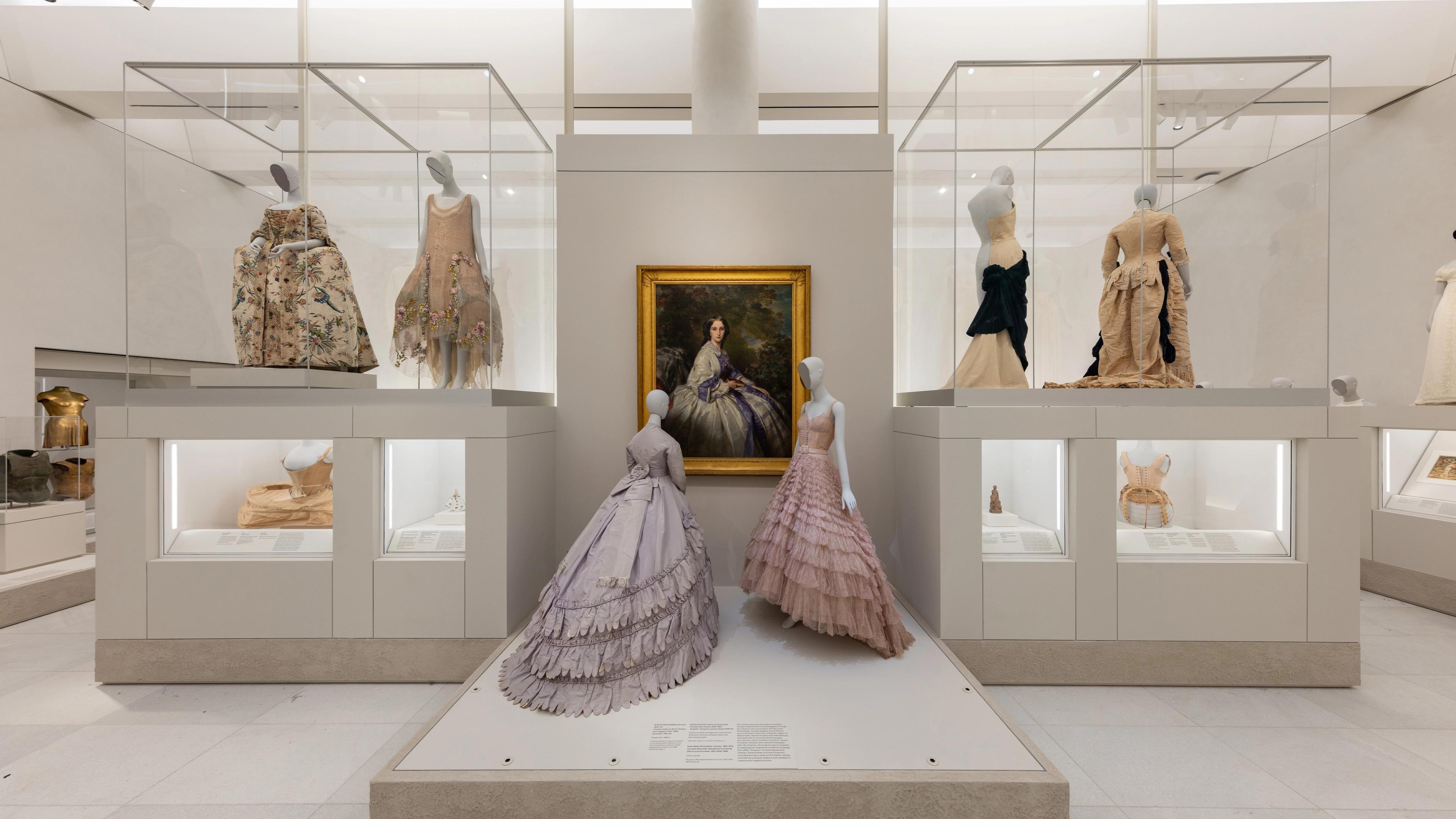
The concept that the human form possesses an idealized natural state provides a revealing counterpoint to the numerous body-modifying mechanisms that have abstracted the figure for centuries. With the formalization of tailoring as a specialized craft in the Middle Ages, clothing acquired an increasing capacity to structure and regulate. At the same time, the growing differentiation between men’s and women’s dress coincided with a heightened awareness of the potential of garments to mold and sculpt the body.
Women, especially, adopted a wide array of undergarments designed to manipulate the silhouette in accordance with shifting ideals of elegance and propriety. This section highlights several devices that redefined the female figure during the eighteenth and nineteenth centuries, including the corset, pannier (or hoop), crinoline, and bustle. Although these structures departed from the classical ideal, they nonetheless articulated standards of beauty specific to particular historical and cultural contexts. Such sartorial artifices enabled women to approximate the prescribed aesthetics of their time.
Selected Artworks
Reclaimed Body
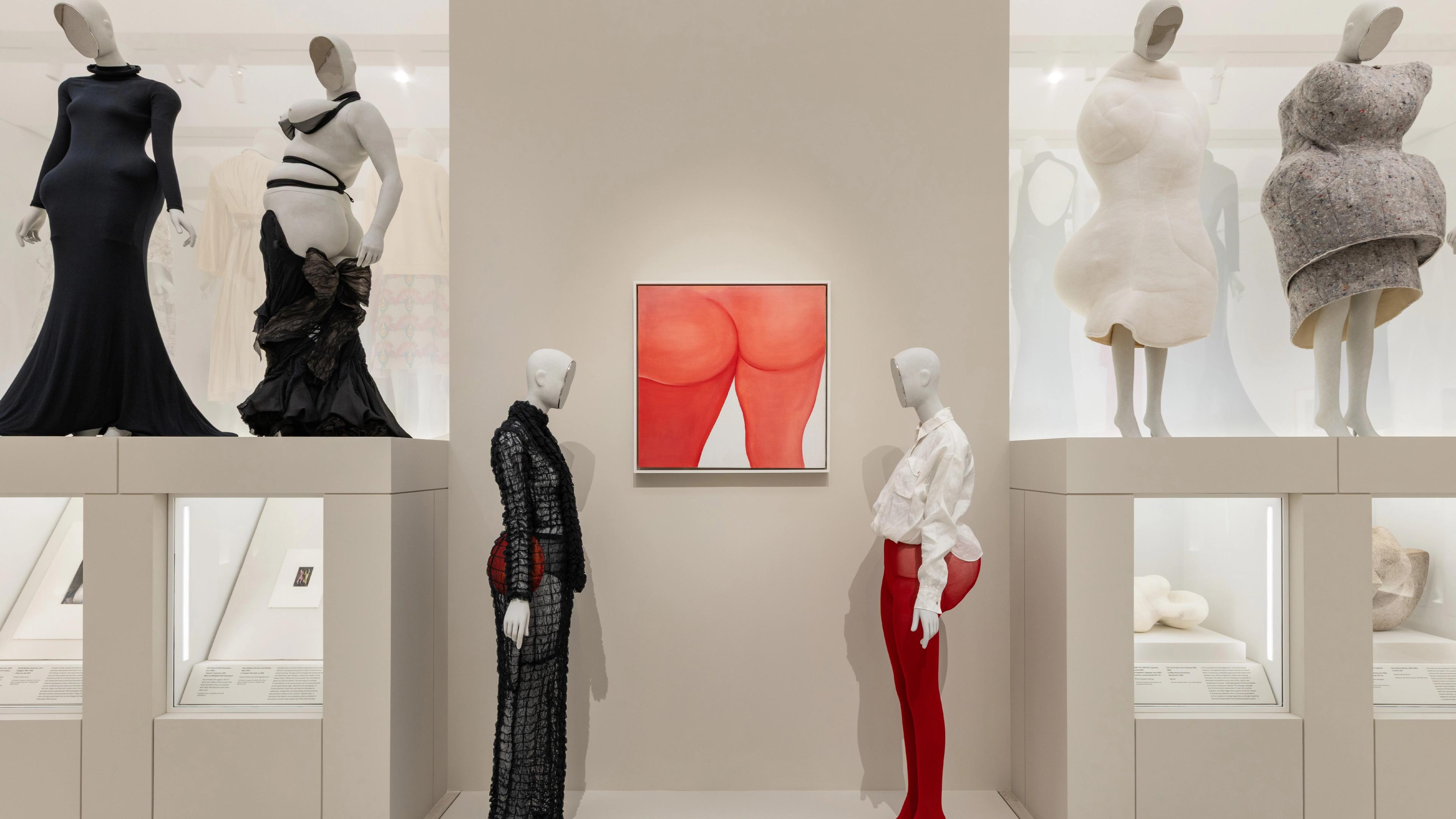
By the late twentieth century, fashion and visual culture had begun to destabilize the ideal of the classical body. In its place emerged a deliberate reclamation of forms that unsettled the seamless coherence of conventional beauty. The body was increasingly articulated through aesthetics of openness and indeterminacy: excessive, ambiguous, incomplete, exaggerated, and perpetually in a state of becoming.
The works presented here participate in this critical turn, challenging paradigms that have long regulated physical appearance, especially that of female bodies. Rather than smoothing or idealizing the figure, they pad, bind, swell, distort, fragment, and exaggerate, contesting dominant and culturally valorized silhouettes that equate beauty with control, symmetry, and slenderness.
In dialogue with feminist critiques of objectification, these works deny perfected proportion. Displaced padding, bulbous accretions, and asymmetrical construction render the body a site of transformation rather than resolution. Here, flesh is neither concealed nor corrected but amplified. Boundaries between body and garment blur, and identity appears mutable. The reclaimed body thus refuses passive spectacle, asserting agency through unashamed acceptance.
Selected Artworks
Pregnant Body
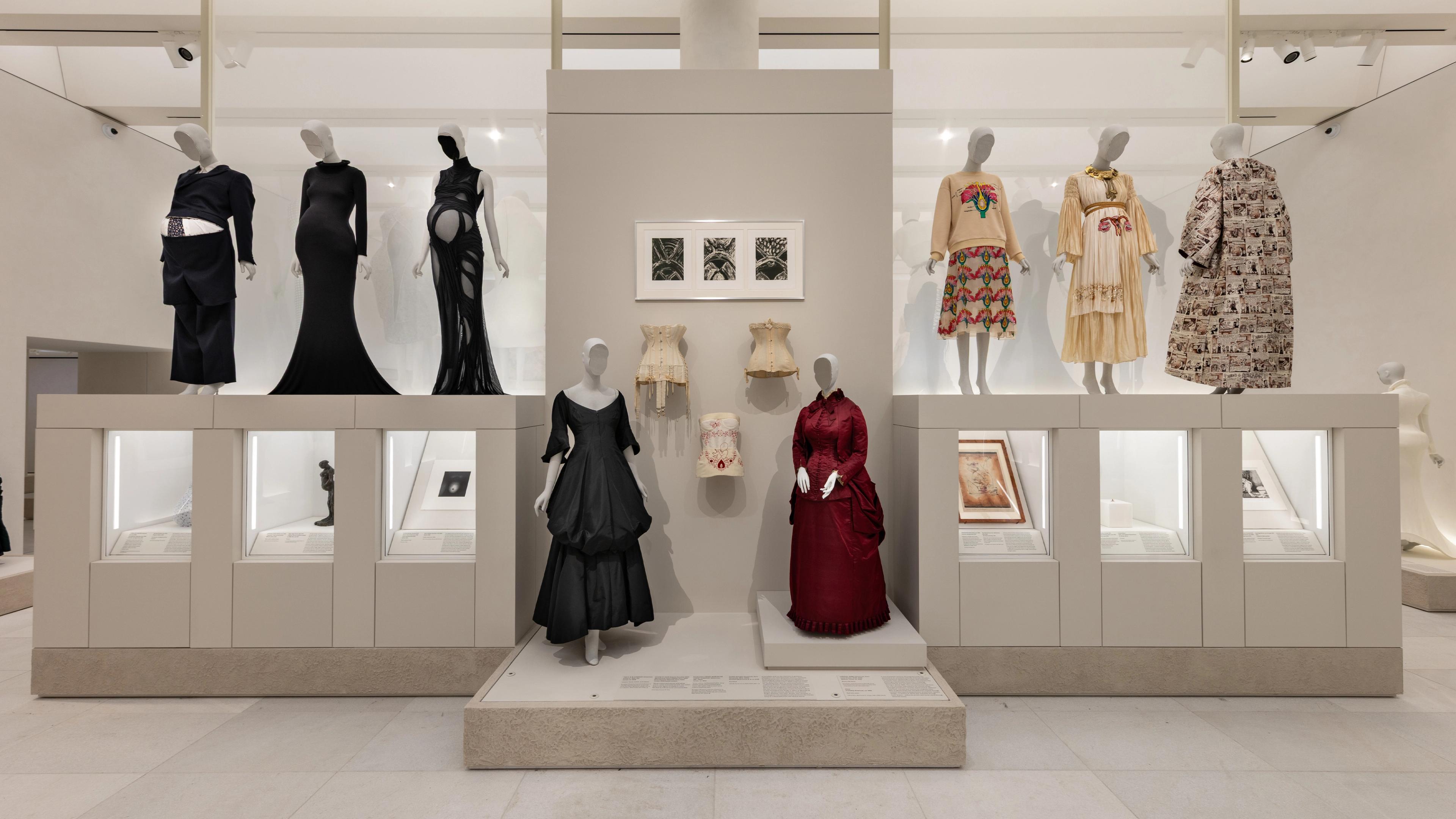
The pregnant body extends an aesthetic and discursive continuum inaugurated by the reclaimed body and developed in the following two thematic groupings: corpulent and disabled. Defined by states of openness, permeability, and transformation, these somatic conditions stand in dialectical tension with the classical ideal—a paradigm predicated on fixed, sealed, contained, and impenetrable bodily borders.
The gravid form—one with child—emerges as a potentially unsettling site of becoming that literally and metaphorically engenders a secondary subjectivity. Historically, this “body-in-process” has served as a repository for profound social and sexual anxieties. The designers and artists presented here confront and challenge the fears surrounding the shifting borders of the pregnant body, actively resisting entrenched visual tropes—often rooted in gynophobia—that have long shaped Western representational traditions.
Through garments engineered for pregnancy and avant-garde silhouettes that evoke the aesthetics of expectancy, these designers engage the inherent tensions of the pregnant state. By interrogating the body’s porous demarcations, they destabilize and ultimately subvert the presumed integrity of the classical body. In doing so, they acknowledge pregnancy as a condition that encompasses both vulnerability and generative power.
Selected Artworks
Corpulent Body
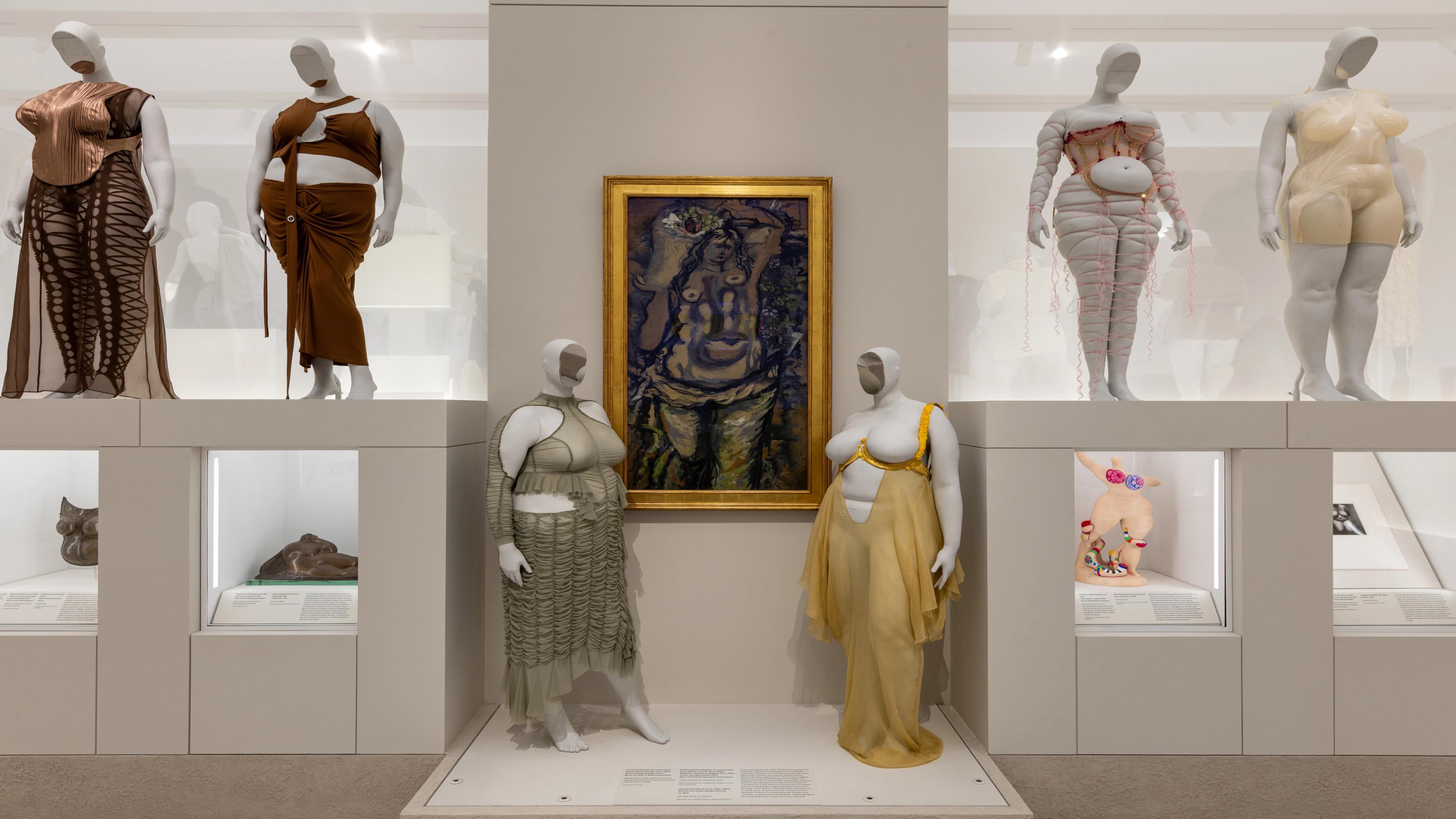
The corpulent body—reclaimed within contemporary fat studies as the “fat body,” a neutral descriptor rather than a pejorative—has historically occupied an ambivalent position within visual and material culture. Simultaneously venerated and stigmatized, associated with fecundity yet burdened by moral suspicion, monumentalized yet rendered abject, corpulence has served as a symbolic surface upon which societies inscribe anxieties concerning sexuality and reproduction as well as class, race, gender, and power.
Ancient figurines attest to the long-standing role of exaggerated female forms as mediatory figures between the human and the sacred. Such objects position corporeal abundance as signifiers of fertility, protection, and divine presence. While contemporary designers appropriate these morphological conventions, they frequently redirect their meanings toward autonomy, pleasure, irony, and protest.
Across the pairings in this section, the corpulent body emerges not as a biological given but as a historically contingent cultural construction. As fat studies scholars have argued, the issue has never resided in flesh itself, but in the regulatory regimes that surveil, discipline, and normalize it. Through nylon quilting, silicone casting, elastic mesh, chrome hardware, satin corsetry, and molded plastic, designers refashion the corpulent body as a self-determining subject.
Selected Artworks
Disabled Body
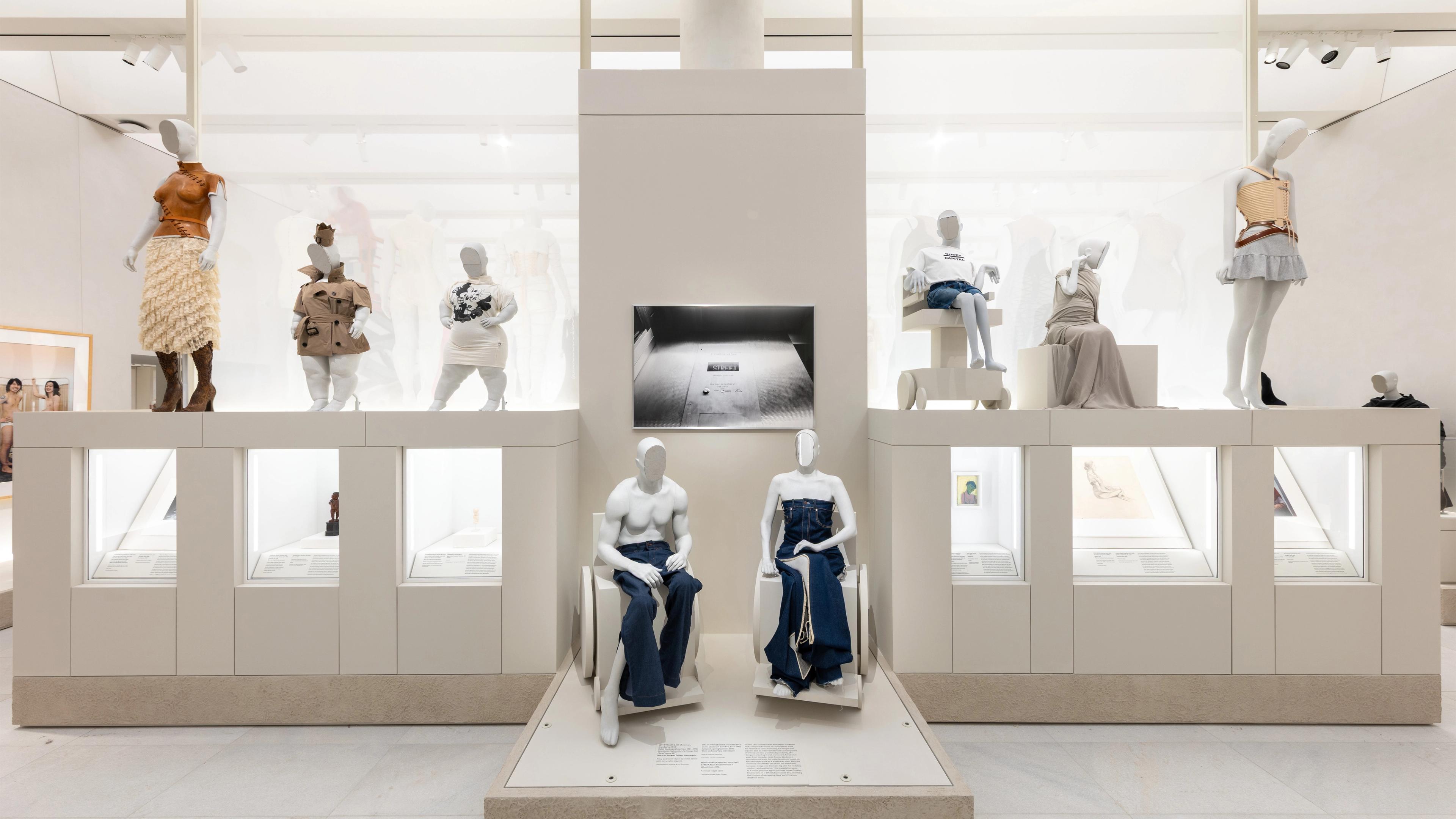
In fashion, the disabled body has long been relegated to the periphery, subject to regimes of concealment, correction, and exclusion from critical aesthetic discourse. Challenging this entrenched silence, this section brings fashion into dialogue with the lived experiences of its creators and wearers, whose practices are shaped by physical, sensory, and cognitive diversity.
The juxtaposition of garments with artistic representations of disabled bodies from antiquity to the present expands on scholar Tobin Siebers’s concept of “disability aesthetics,” which contends that the qualities often celebrated in modern art—fragmentation, asymmetry, tactile dissonance—resonate with the realities of disability. This framework reconceives the disabled body as an active site of negotiation instead of a passive object of clinical scrutiny.
Through strategies of somatic resistance, functional adaptation, and subversive self-presentation, designers advocate for a more holistic engagement with dress, wherein the wearer’s phenomenological experience becomes the ultimate measure of design excellence and intentionality. Fashion, in this context, emerges as a vehicle for “crip” creativity: the lived reality of disability not merely accommodated but articulated as an aesthetic position that compels a rigorous reevaluation of the sartorial canon.
Selected Artworks
Bodily Being in Its Universality
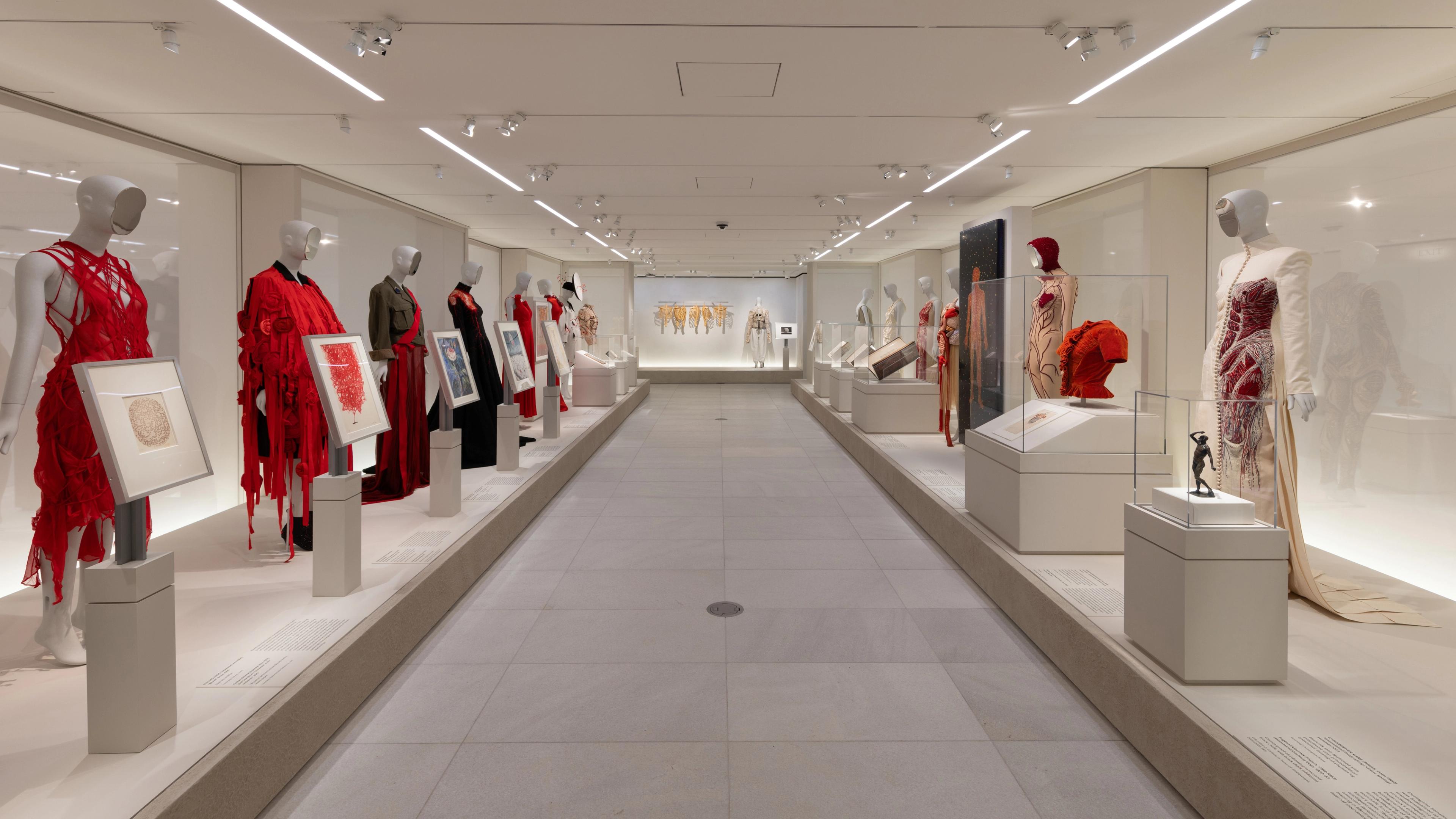
This gallery considers the body in its universality—what all bodies share, from their material constitution (skin, flesh, blood, and bone) to their inevitable mortality. Costume Art shifts here from singular embodiments to the collective condition of corporeal existence. The pairings engage this commonality not by transcending the body, but by insisting on its irreducible complexity.
It begins with the Inscribed Body, which centers the epidermis as a porous membrane subject to incision and ornamentation, a dynamic interface rather than a fixed boundary. Fashions that simulate practices such as tattooing and scarification heighten somatic awareness, staging the skin’s permeability as aesthetic and conceptual propositions.
The Anatomical Body penetrates the surface, externalizing musculature and viscera in sculptural relief. Echoing Renaissance-era anatomical inquiry, these garments assume an intimate knowledge of living flesh, rendering visible what is shared yet typically unseen. In the Vital Body, blood emerges as a potent emblem of sacrifice, devotion, and desire—a symbol that traverses cultural and temporal boundaries. Christian iconography converges with secular symbolism, where the spilling of blood oscillates between redemption and irrevocable loss.
The Aging Body counters fashion’s historic erasure of later life through irony and pathos, challenging cultural invisibility. The logical culmination is the Mortal Body, confronting death through mourning dress, memento mori, and the stark imagery of skull and skeleton. The body is reduced to its sign, yet remains enduring—at once absent, remembered, and indelibly present.
Inscribed Body
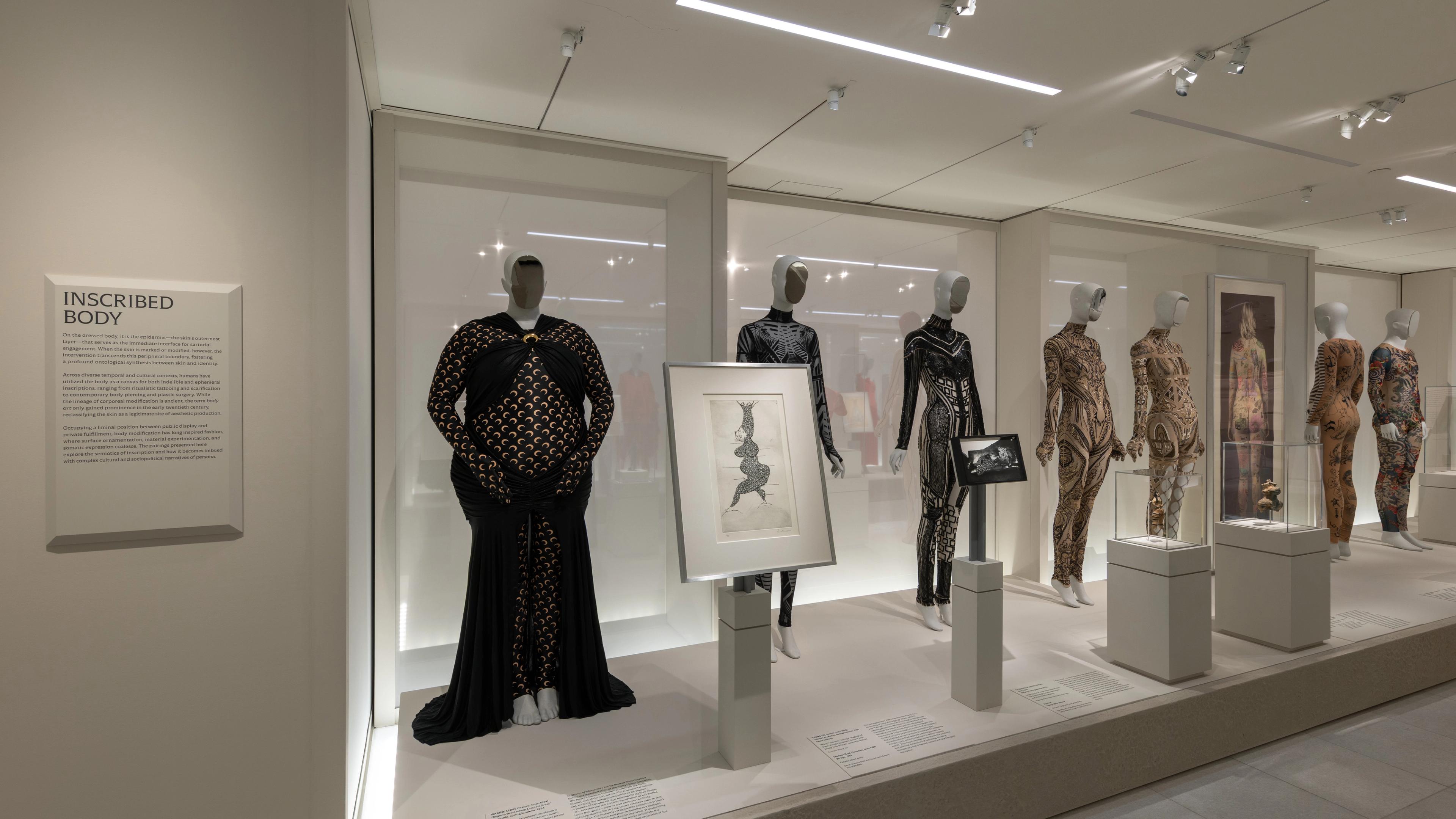
On the dressed body, it is the epidermis—the skin’s outermost layer—that serves as the immediate interface for sartorial engagement. When the skin is marked or modified, however, the intervention transcends this peripheral boundary, fostering a profound ontological synthesis between skin and identity.
Across diverse temporal and cultural contexts, humans have utilized the body as a canvas for both indelible and ephemeral inscriptions, ranging from ritualistic tattooing and scarification to contemporary body piercing and plastic surgery. While the lineage of corporeal modification is ancient, the term body art only gained prominence in the early twentieth century, reclassifying the skin as a legitimate site of aesthetic production.
Occupying a liminal position between public display and private fulfillment, body modification has long inspired fashion, where surface ornamentation, material experimentation, and somatic expression coalesce. The pairings presented here explore the semiotics of inscription and how it becomes imbued with complex cultural and sociopolitical narratives of persona.
Selected Artworks
Anatomical Body
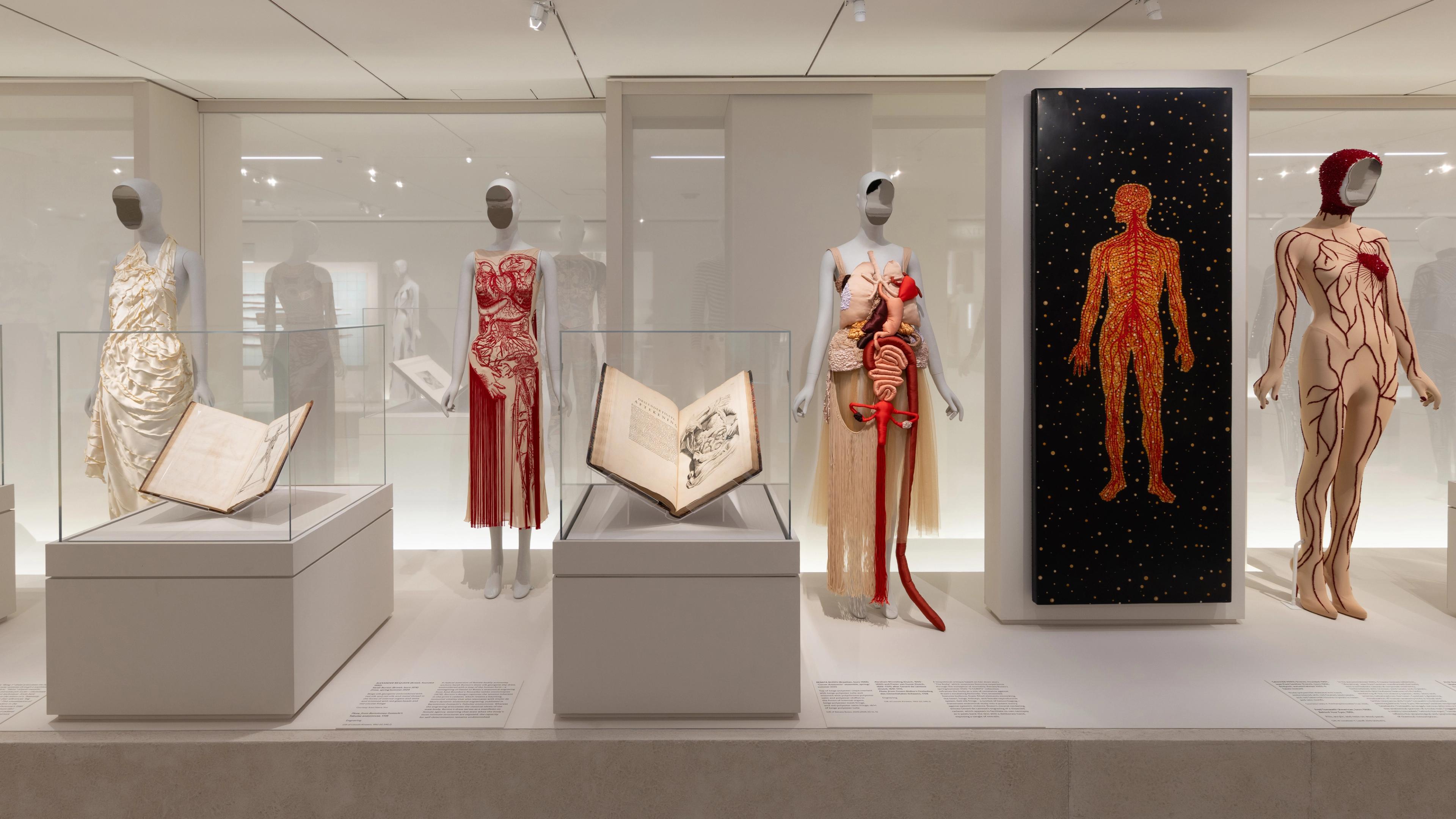
Migrating to the internal viscera, the juxtapositions in this section interrogate the historical and conceptual reconfiguration of human anatomy. In Encyclopédie, ou Dictionnaire raisonné des sciences, des arts et des métiers (1751), Denis Diderot and Jean Le Rond d’Alembert advanced the epistemological claim that an understanding of human physiology offered empirical evidence of a transcendent, teleological order. Synthesizing and expanding on anatomical paradigms codified during the Renaissance, this Enlightenment-era compendium employed intricate drawings of dissected bodies and organs to map the human body’s interiority.
The écorché (flayed) sculptures and anatomical illustrations presented here occupy an uncanny, quasi-surreal terrain in which the clinical and the aesthetic converge. At once scientific model and artistic object, the écorché exposes musculature normally concealed beneath the skin, rendering the body simultaneously legible and estranged. The fashions likewise externalize internal biological structures, transforming them into visible and wearable forms. In doing so, they mediate the tension between the body as an assemblage of discrete anatomical systems and as a sentient subject endowed with existential and ontological significance. Through this visceral revelation, the designs collapse the boundary between the aestheticized exterior and the corporeal interior, confronting the fragility of the human condition and the radical transparency of the self.
Selected Artworks
Vital Body
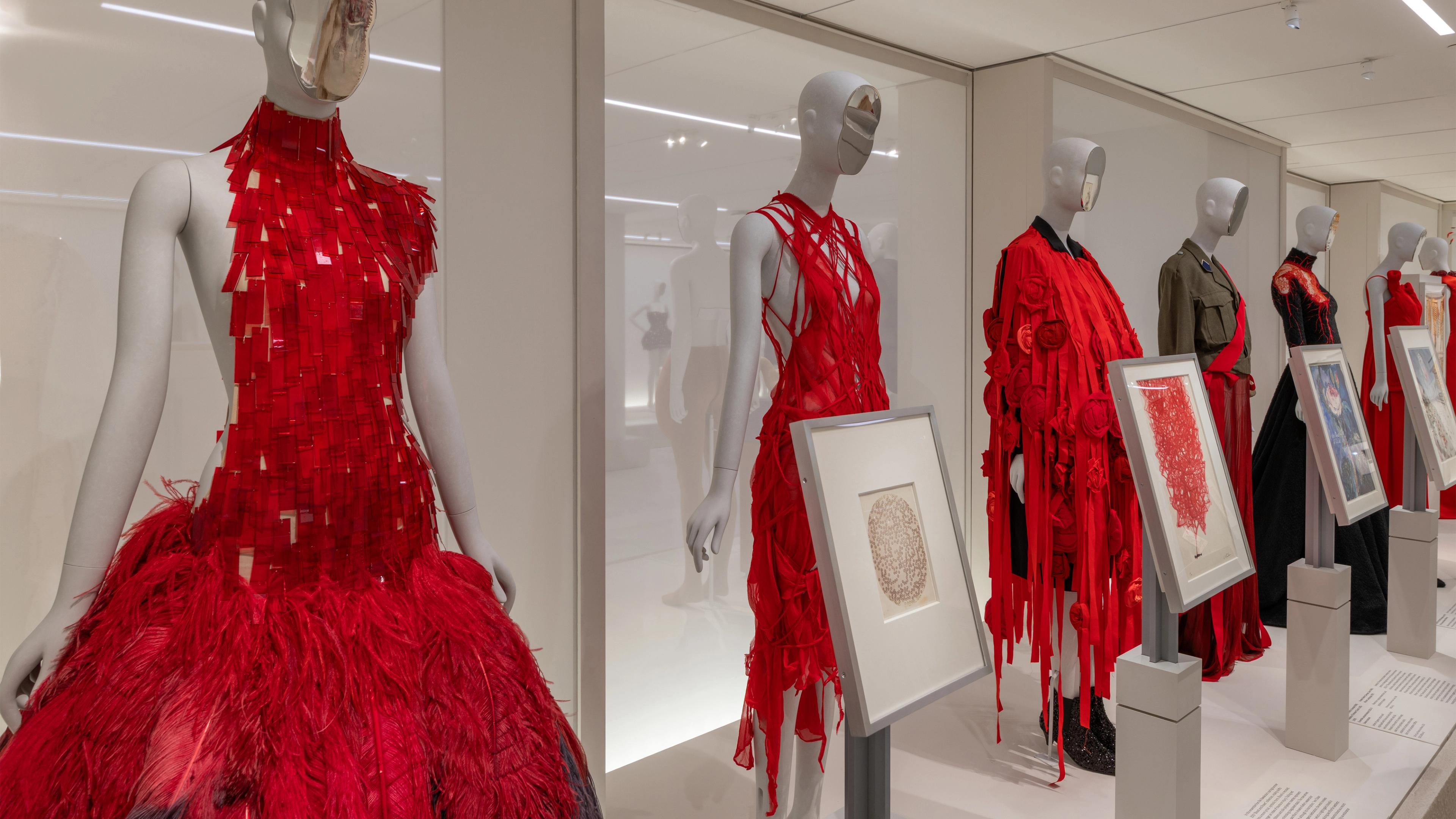
Across medical, liturgical, and aesthetic discourses, life has been defined by pulsation and the circulation of blood. The medieval Christian imagination linked such vitality to sacrifice and revelation. Blood, accordingly, transcended its status as a physiological substance to signify imago Dei (the image of God). Through the iconographic convention of ostentatio vulnerum (Christ’s display of the Five Holy Wounds), the divine-human subject’s interior was projected onto the body’s exterior, transmuting biological life into a symbol of somatic grace. Appearing at the body’s threshold, blood made visible the disparate concepts of life, redemptive suffering, and salvatory promise.
Blood’s shift from a solely sacred substance to a broader aesthetic principle suggests that its essence extends beyond the skin, manifesting at the body’s edges and in a state of constant motion. The vital body emerges as an animated topography wherein the heart functions simultaneously as a corporal engine and a semiotic nexus. In turn, the pulse acquires symbolic density, reframing the body as a kinetic network rather than a static container.
The fashions presented here parallel this language. Their tactile surfaces, structural apertures, and rhythmic construction externalize the body’s internal energy, synthesizing the ephemeral qualities of vitality into tangible, material form.
Selected Artworks
Aging Body
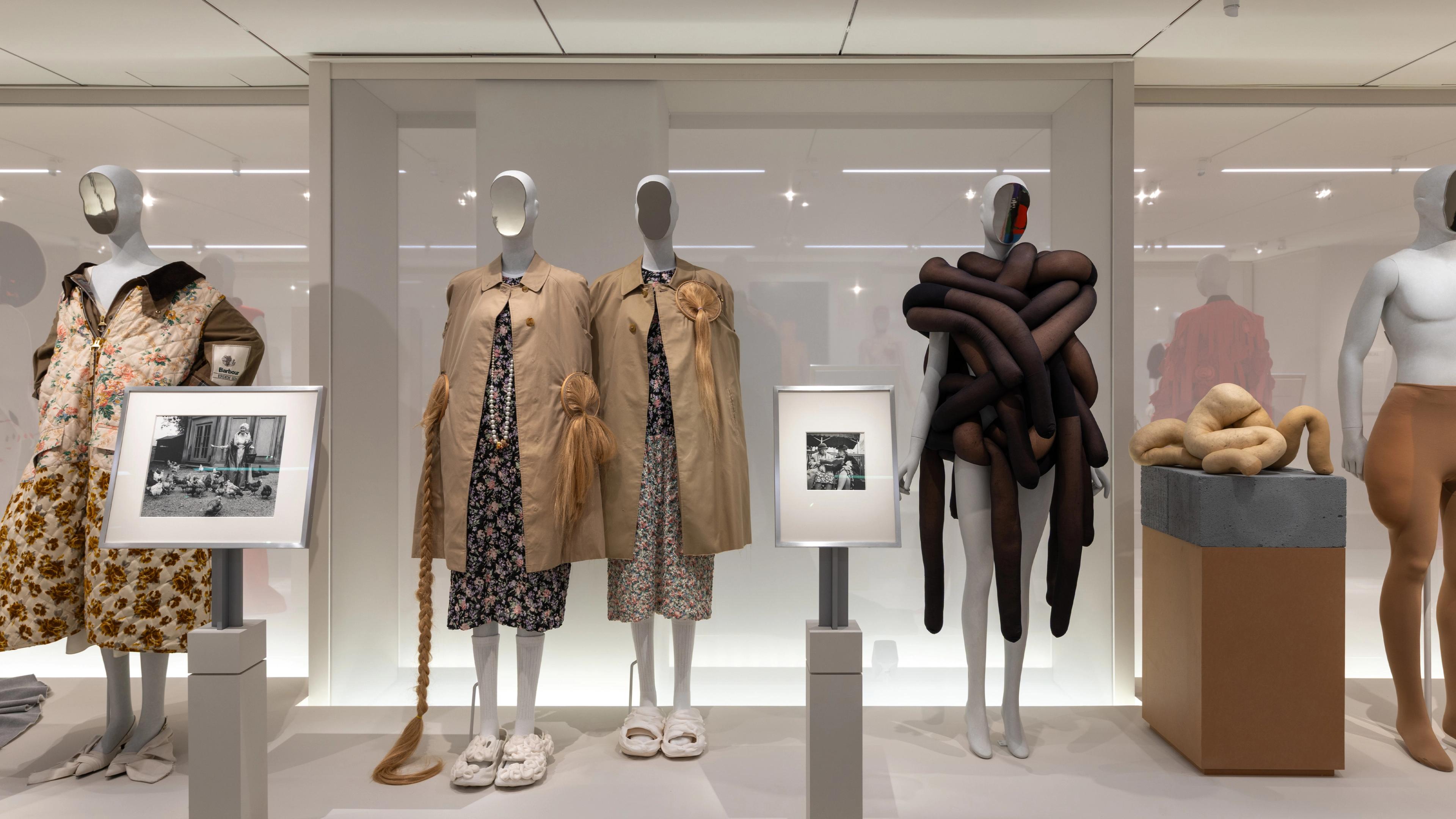
The aging process is experienced less as a linear temporal progression than a dynamic interplay of sensory perception, somatic visibility, and sociocultural identity. Although senescence is a biological inevitability, its meanings are culturally produced through discourses that frequently equate later life with decline, atrophy, and obsolescence. The aging body is further subjected to regimes of surveillance in which morphological changes are often pathologized as moral or personal failures, requiring discipline, correction, or concealment. Aging thus appears simultaneously as physiological transformation and sociocultural negotiation shaped by an increasingly evaluative public gaze.
Dress can mediate the course of aging, operating as a bodily practice through which individuals negotiate agency within systems that regulate appearance. While fashion provides a semiotic toolkit to navigate late-life transitions—offering authority, elegance, or strategic concealment—it also upholds hierarchies that privilege youthfulness. Thus, the dressed aging body is caught in a dialectic between aesthetic presence and social erasure. By reframing aging as a mode of sophistication rather than biological decline, the garments and artworks featured here challenge and disrupt fashion’s obsession with juvenescence, recognizing visibility and lived experience as radical aesthetic imperatives.
Selected Artworks
Mortal Body
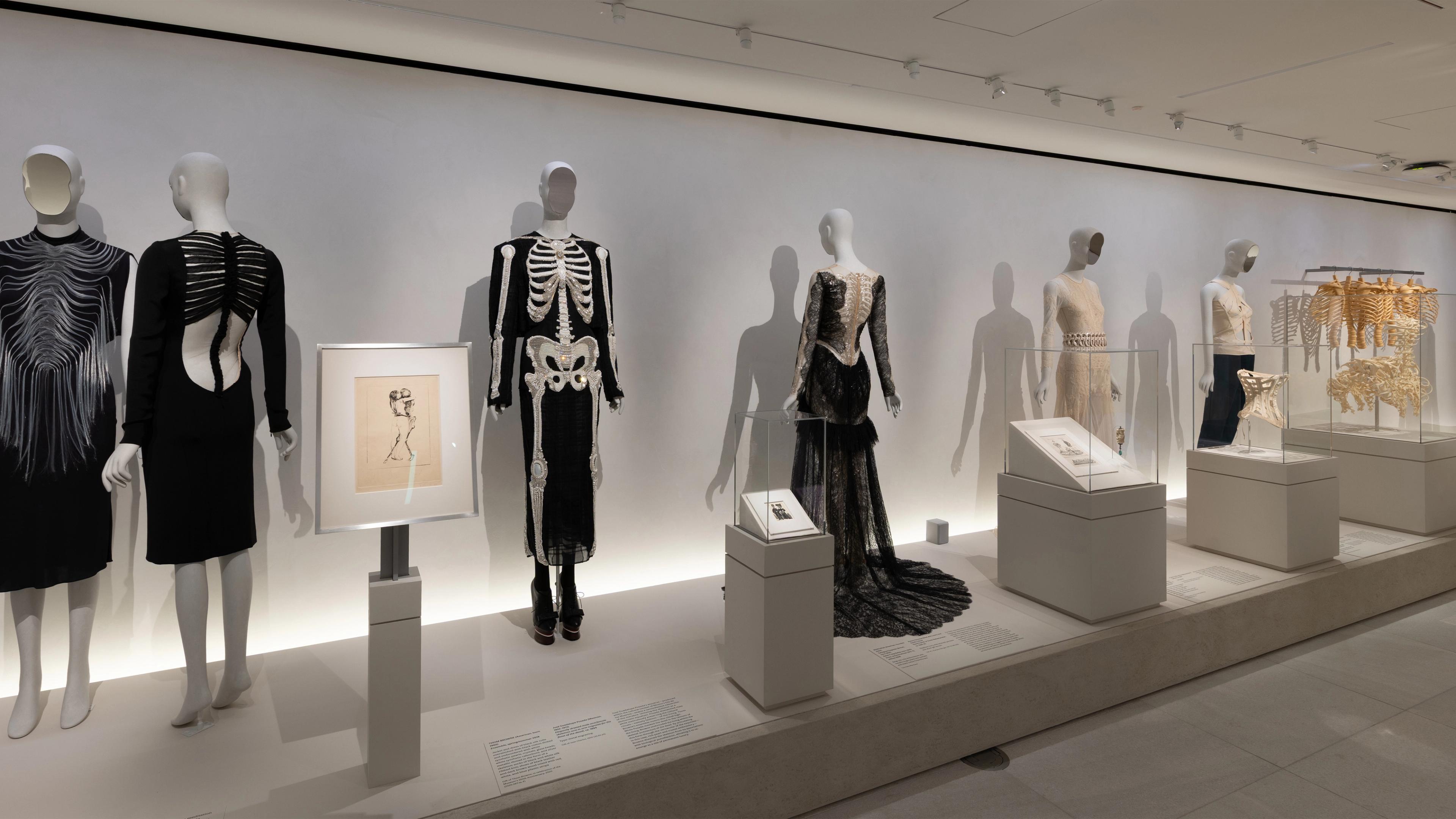
Life offers the sanctuary of a singular physical form, yet its inherent fragility dictates an inevitable trajectory toward dissolution. In death, the body undergoes a profound ontological reconfiguration: stripped of its subjectivity, it is transformed into an object—the corpse. Fashion serves as a complex cultural apparatus that navigates this existential tension and our relationship with mortality.
Dress can obscure the visceral reality of our biological decay, enabling the wearer to inhabit a perpetual present in which the visible markers of aging are masked by cycles of aesthetic renewal. Yet fashion’s relationship with the grave is not solely one of avoidance. While the corpse remains a site of profound cultural anxiety, it also exerts a magnetic, morbid seduction upon the creative imagination.
Artists and designers frequently exploit this fascination, elevating the material signifiers of death (the skull, the skeleton) or instruments of its memorialization (hair, photographs) into fetishized icons of glamour. In this context, the macabre is not a source of horror but, rather, a potent aesthetic tool used to challenge the boundaries of beauty. Ultimately, fashion serves as the definitive memento mori, acting as both a distraction from inevitable biological decline and as a constant reminder of our shared destiny.
Selected Artworks
Epidermal Body
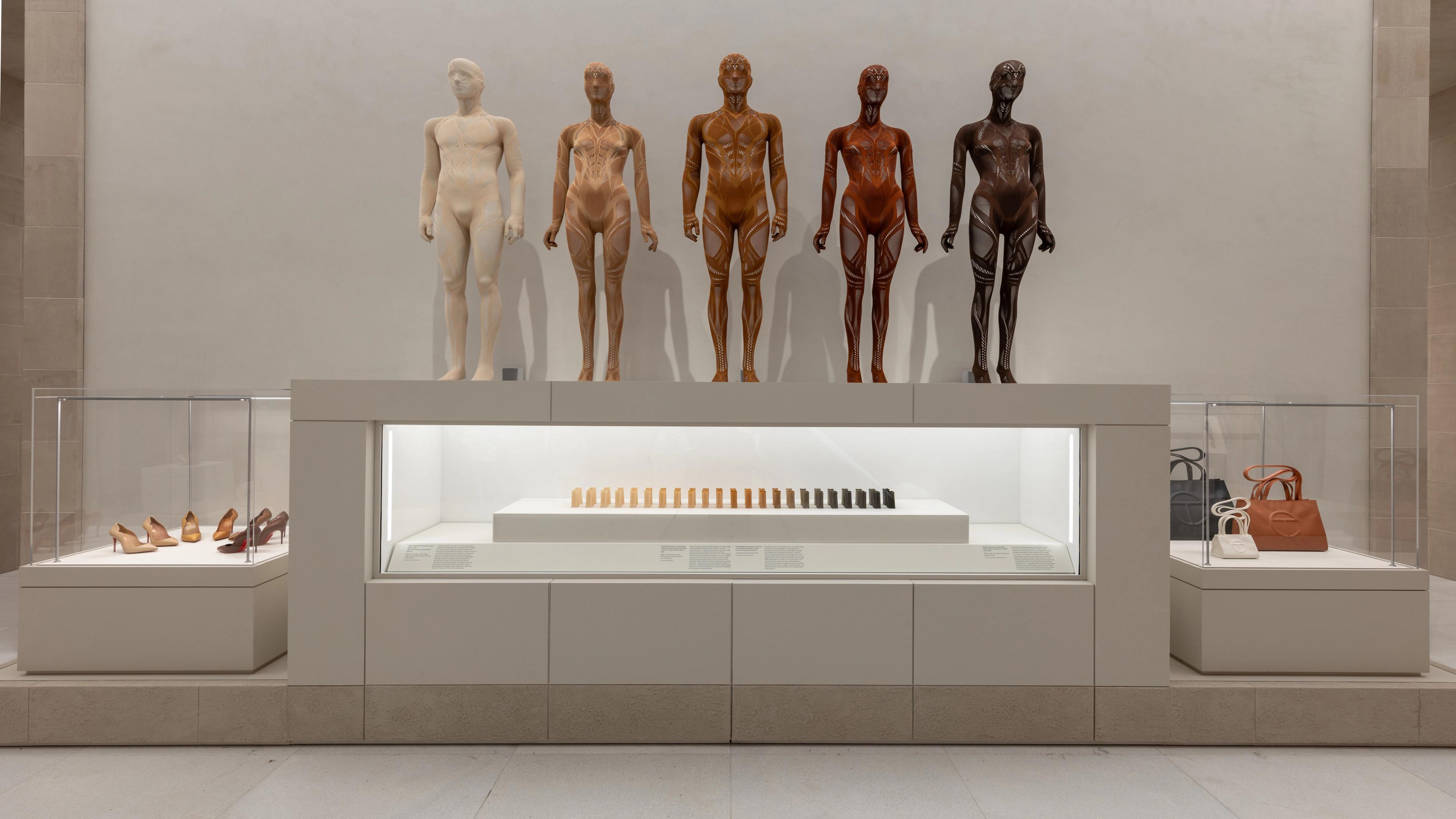
Costume Art concludes with the body’s most expansive and visually salient organ: the skin. The Enlightenment marked a decisive epistemological shift in the conceptualization of the epidermis, as the emergence of dermatology as a formalized medical discipline transformed the skin from a biological covering into a subject of physiological discourse. Skin came to be understood as a “semiotic surface”—a sensitive membrane capable of expressing internal states.
Skin as both protective barrier and communicative interface resonates with fashion’s mediating capacity. Within this framework, clothing functions as an extension of the epidermis and, by implication, inner character. Several garments presented here articulate this relationship through material strategies that evoke the properties of skin. In some cases, the reference is literal, as in accessories fashioned from animal hide. Elsewhere, designers employ fabrics approximating the tone, texture, and elasticity of flesh, proposing clothing as a responsive second skin engineered to stretch, compress, and adapt to movement.
By incorporating a spectrum of skin tones, the works challenge historical hierarchies that have regulated and aestheticized the body through color. The exhibition thus reaches its conceptual resolution: what began with the cultural framing of the nude body culminates in an affirmation of corporeal plurality, positioning fashion as a critical medium through which the diversity of human embodiment can be recognized and celebrated.