English
DonateMembershipTickets

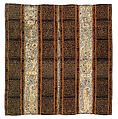
Skirt

1840–60
Not on view
Block-printed Indian cotton textiles were imported into France during the second half of the 17th century. Their popularity spurred imitators and by the 18th century successful European copies were being produced. Indiennes, as the French version of Indian printed cottons were known, were fashionable during the late 18th century and retained their popularity in the Provence region, where they were adapted and retained for use in regional costume. The textile used in this petticoat is an example of a 19th-century Provençal indienne. The adoption of this printed petticoat for use by Millicent Rogers, known for her inimitable combinations of traditional silhouettes and 20th-century sensibilities, brings this regional French garment and once-fashionable textile full circle.

Artwork Details

Object Information
  • Title: Skirt
  • Date: 1840–60
  • Culture: French
  • Medium: cotton
  • Credit Line: Brooklyn Museum Costume Collection at The Metropolitan Museum of Art, Gift of the Brooklyn Museum, 2009; Gift of Arturo and Paul Peralta-Ramos, 1955
  • Object Number: 2009.300.205
  • Curatorial Department: The Costume Institute
More Artwork
Ceramic Horn, Glazed pottery, French
French
late 18th or early 19th century
Tapis (women’s ceremonial skirt), Paminggir artists, Cotton, silk, Lampung peoples
Paminggir artists
19th century
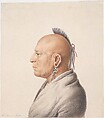
Osage Warrior, Charles Balthazar Julien Févret de Saint-Mémin  French, Watercolor and graphite on off-white wove paper, American
Charles Balthazar Julien Févret de Saint-Mémin
1805–7
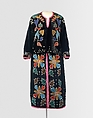
Woman's Skirt and Blouse, cotton velvet, wool and cotton trade cloth, glass beads, paillettes, buttons, silk ribbon, Ho-Chunk
Ho-Chunk
1914–18
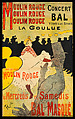
Moulin Rouge: La Goulue, Henri de Toulouse-Lautrec  French, Lithograph printed in four colors; three sheets of wove paper
Henri de Toulouse-Lautrec
Printer Affiches Américaines, Charles Lévy
1891

Research Resources

The Met provides unparalleled resources for research and welcomes an international community of students and scholars. The Met's Open Access API is where creators and researchers can connect to the The Met collection. Open Access data and public domain images are available for unrestricted commercial and noncommercial use without permission or fee.

To request images under copyright and other restrictions, please use this Image Request form.

Feedback

We continue to research and examine historical and cultural context for objects in The Met collection. If you have comments or questions about this object record, please contact us using the form below. The Museum looks forward to receiving your comments.

Send feedback

Content Notice

The Metropolitan Museum of Art presents over 5,000 years of art from around the world, and our online collection reflects ongoing work conducted over the course of our more than 150-year history. You may encounter objects or images that may be inappropriate for some viewers or information that may be outdated.