한국어
기부하기멤버십티켓
가능한 한 빨리 이 페이지를 번역하기 위해 노력하고 있습니다. 이해해 주셔서 감사합니다.
East Asian Paintings Conservation Studio

East Asian Painting Conservation

The East Asian Painting Conservation Studio, an integral part of the Department of Asian Art, is responsible for the conservation treatment, mounting, and preservation of the museum’s extensive collections of East Asian paintings including Chinese, Japanese, Korean, and Himalayan paintings. Formats range widely and include handscrolls, hanging scrolls, sliding panels, and folding screens, on paper and silk. The Studio also draws on the expertise of specialists working in Paper, Book, and Textile Conservation Departments.

In addition to the essential role of caring for the museum’s collections of East Asian paintings, the Studio plays an important part in the training of future generations of conservators, hosting interns and fellows from various training programs. In collaboration with colleagues in the Department of Scientific Research, the studio carries out critical research and analysis on the materials and techniques used in paintings of various formats. The information gained from these projects is shared with colleagues and the public through lectures and publications.

Current staff consists of five full-time conservators: two specialists for Japanese paintings and three specialists for Chinese paintings.


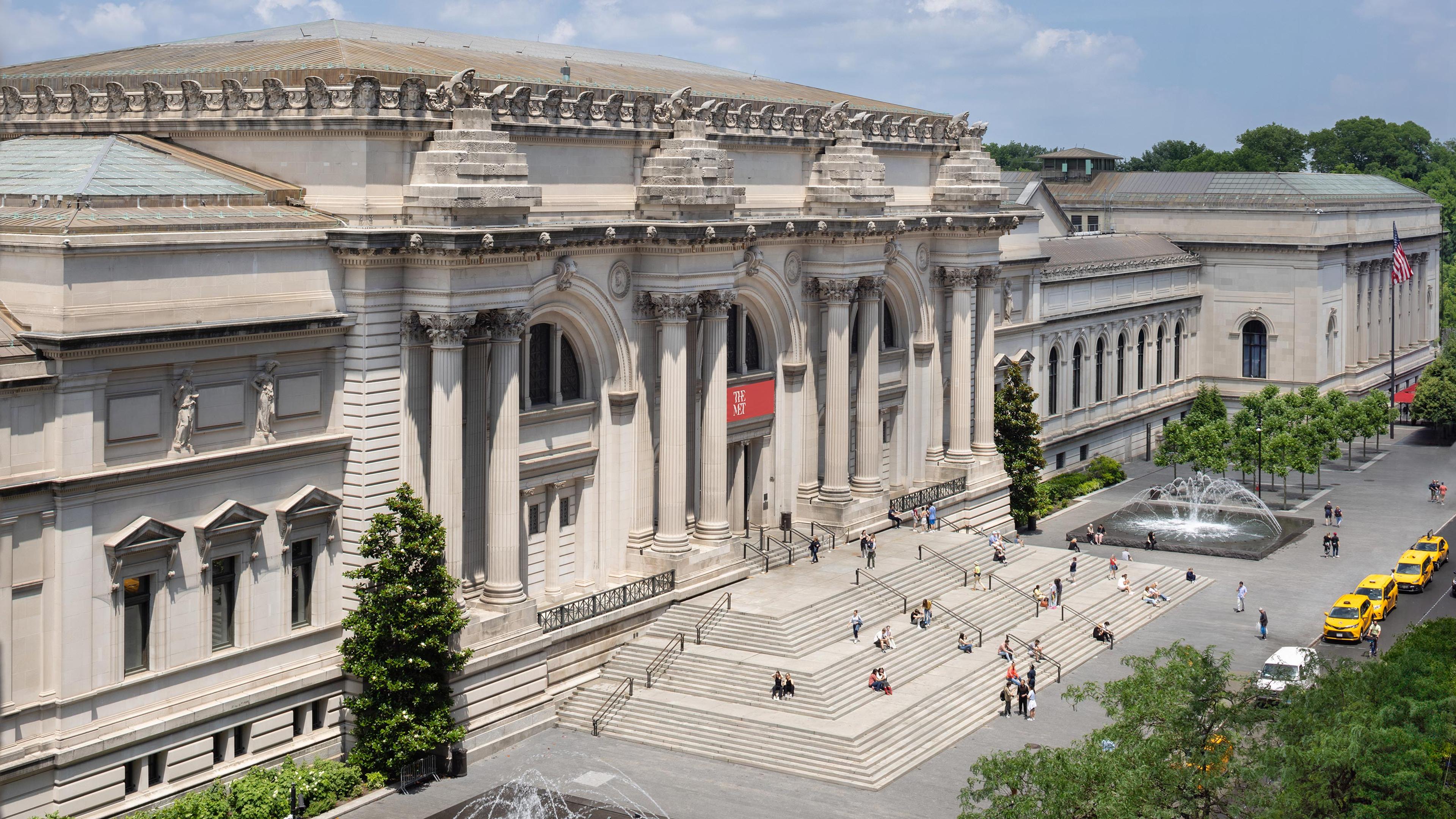
The Met Fifth facade
Resource
Explore a selection of publications by Met Science and East Asian Painting Conservation staff.


Photo collage of two flower paintings; Left: Blue flower on gold background painting; Right: Black and white photo of painting on left
Video
Watch part two of the Department of Asian Art's day-long symposium with speakers from Japan, China, Great Britain, and the U.S.
Yukio Lippit, Hyonjeong Kim Han, and Marco Leona
June 1, 2019
Collage of two photos; Left: Closeup of colorful silk painting; Right: Photo of two people holding up a silk paining panel against wood floor
Video
Watch part one of the Department of Asian Art's day-long symposium with speakers from Japan, China, Great Britain, and the U.S.
Keisuke Sugiyama, Pengzhu Lou, and Meejung Kim-Marandet
June 1, 2019
Painting of monkeys gathered around Lord Rama
A paper conservator reveals the unique artistic method by which the Pahari painters translated the gods of literary epic onto polished paper.
Marina Ruiz Molina
March 13, 2019

Windblown bamboo, Yang Han  Chinese, Hanging scroll; ink on paper, China
Yang Han
1686
Portrait of a man in court robes with fur surcoat, Unidentified artist, Hanging scroll; ink and color on paper, China
Unidentified artist
late 18th–early 19th century
Chinese Poems for the Twelve Months, Gion Nankai  Japanese, Pair of six-panel folding screens; ink on paper, Japan
Gion Nankai
ca. late 1730s
Mountain god with tiger, Unidentified artist , Korean, Framed painting; ink and color on silk, Korea
Unidentified artist
late 19th century
One hundred portraits of Peking opera characters, Unidentified artist, Album of fifty leaves; ink, color, and gold on silk, China
Unidentified artist
late 19th–early 20th century
Cranes, Nagasawa Rosetsu 長澤蘆雪  Japanese, Pair of hanging scrolls; ink and color on paper, Japan
Nagasawa Rosetsu 長澤蘆雪
late 1780s
Eight Views of the Xiao and Xiang Rivers, Kano Tōun  Japanese, Handscroll; ink and color on paper, Japan
Kano Tōun
Calligraphy by Saskai Genryō
Calligraphy by Ichiki Konzan
1675
Chakrasamvara with His Consort Vajravarahi, Distemper on cotton, Central Tibet
Central Tibet
1450–1500