MetPublications
Showing 1–10 results of 31
Sort by:
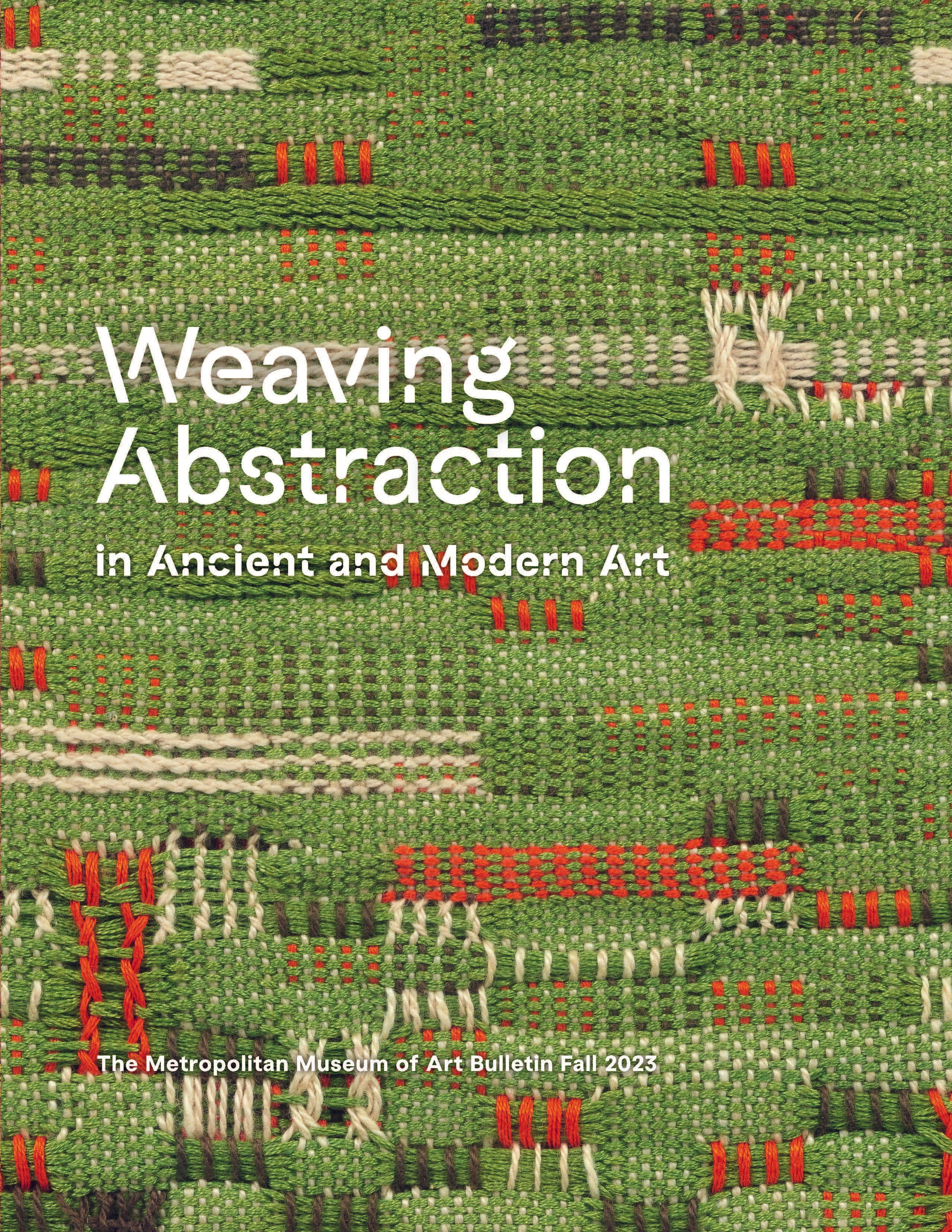 Expanding the understanding of textile and fiber arts, this edition of the Bulletin features two distinct bodies of work that are intimately connected despite being separated by hundreds of years. Placing ancient Andean textiles from South America by unknown artists in conversation with works by global modern practitioners—such as Anni Albers, Sheila Hicks, Lenore Tawney, and Olga de Amaral—Weaving Abstraction in Ancient and Modern Art shows how both traditions harnessed the structure of the loom to create dynamic geometric designs. The 50 extraordinary pieces in this volume span over 2000 years and illustrate weaving’s complex and varied ways of conveying meaning, from stunning iconography to bold structural choices. In highlighting the aesthetic and cultural choices of both ancient and modern artists, this publication elevates textile arts beyond mere ornament to assert their role in the history of art past and present.Download PDFFree to download
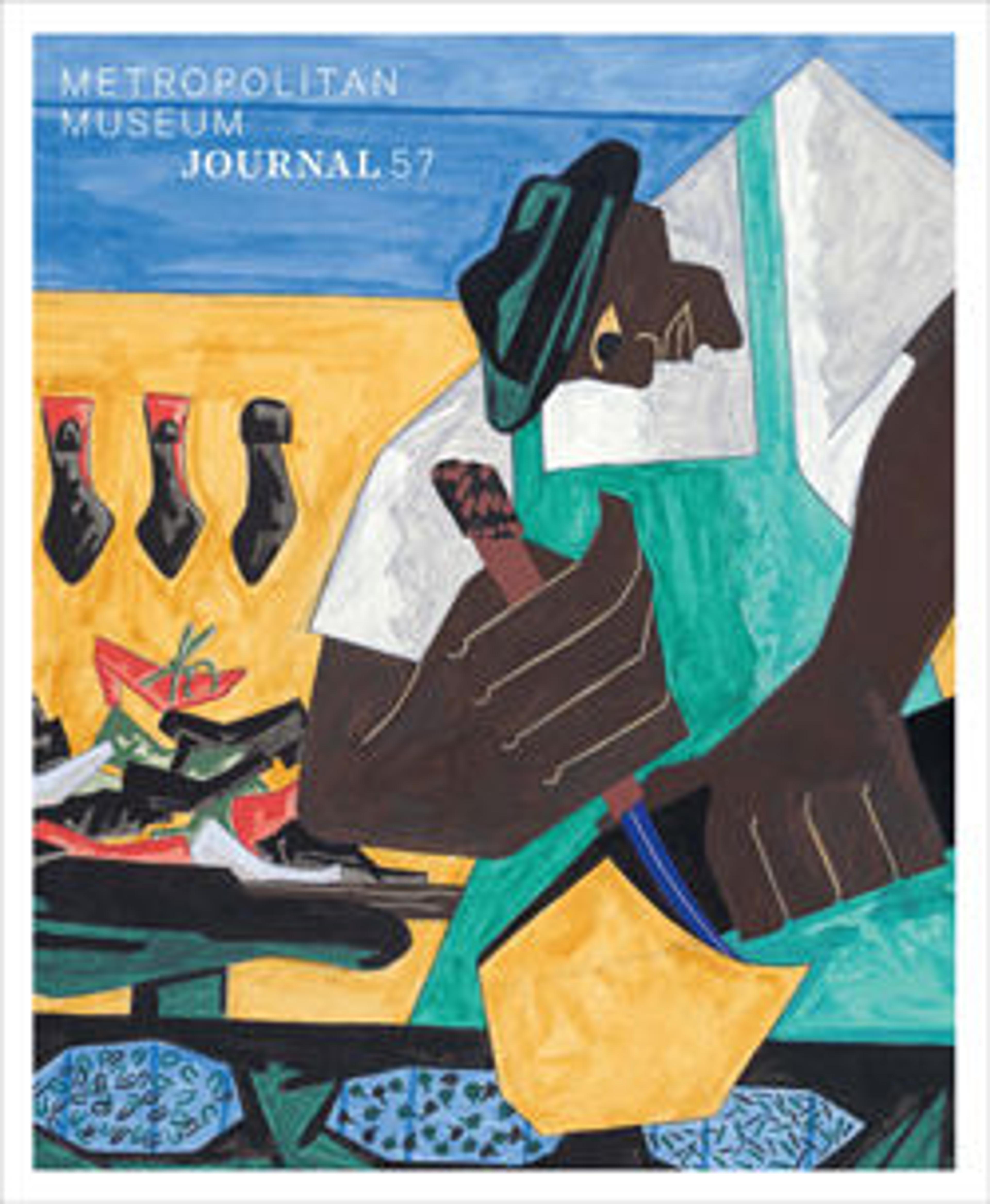 The Metropolitan Museum Journal is issued annually and publishes original research on works of art in the Museum’s collection. Highlights of volume 57 include essays on a crimson velvet “cloth of gold” associated with the Tudor dynasty; an exquisite pair of malachite torchères commissioned by the Russian Demidov family; and a drawing on muslin by Matȟó Nážiŋ detailing the Battle of the Little Bighorn in 1876.Download PDFFree to download
 Every two years the fall issue of The Met's quarterly Bulletin celebrates notable recent acquisitions and gifts to the collection. Highlights of Recent Acquisitions 2020–2022 include the Mantuan Roundel by Gian Marco Cavalli, a recently rediscovered tour de force from the early Renaissance; the archive of photographer James Van Der Zee, one of the most celebrated chroniclers of Black life in New York City during the Harlem Renaissance; a pair of sculptures by the renowned contemporary American artist Robert Gober; Thomas Sully’s magisterial portrait of Queen Victoria; and Poussin’s Agony in the Garden, one of only two accepted works by the artist in oil on copper. This publication also honors the many generous contributions from donors that make possible the continued growth of The Met collection.Download PDFFree to download
- Download PDFFree to download
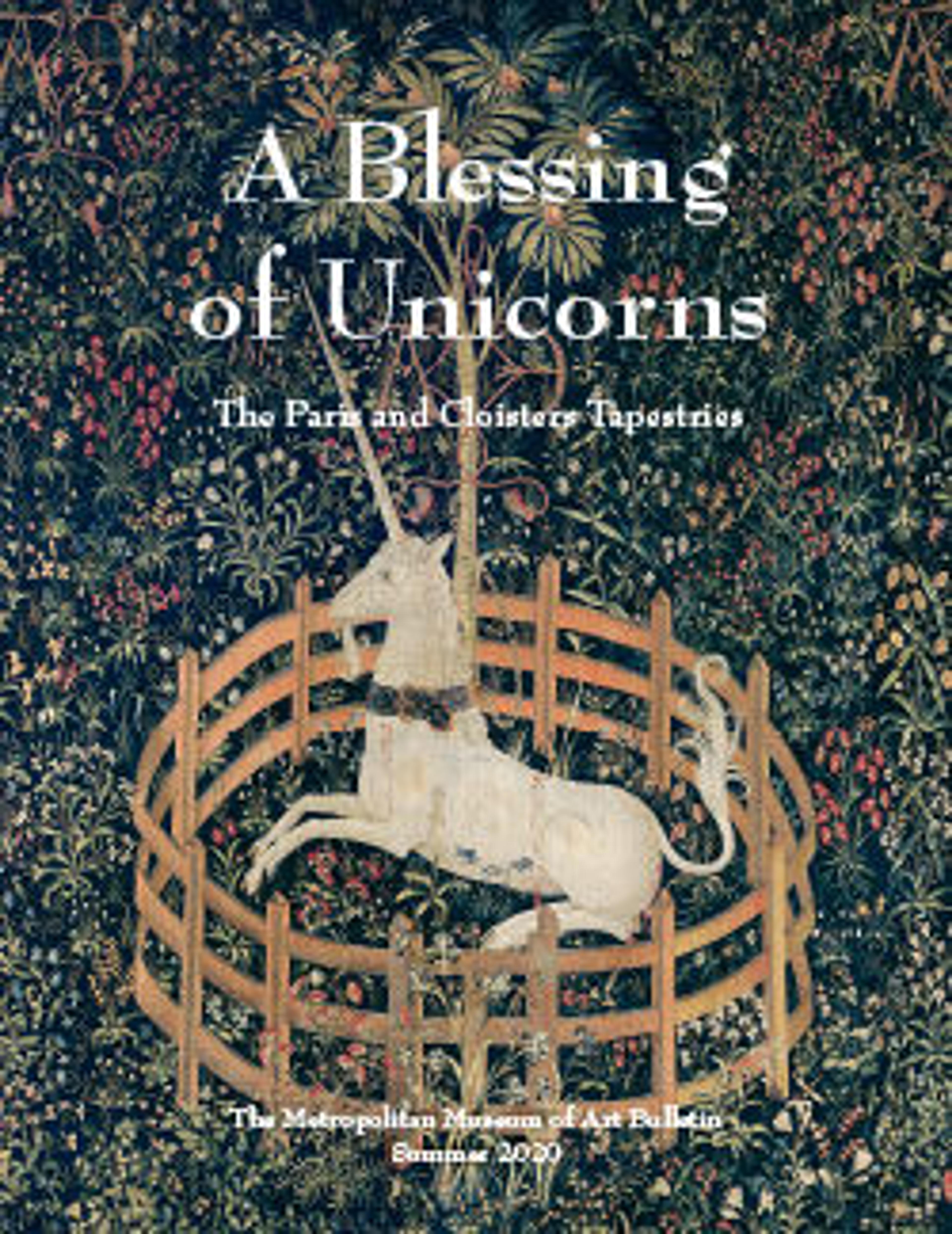 This Bulletin examines the fascinating stories behind the only known sets of unicorn tapestries in the world—one at The Met Cloisters and another at the Musée de Cluny, Paris. The thirteen tapestries that compose the two sets—six at the Cluny and seven at The Met—remain shrouded in mystery, with their origins and original owners still unknown. Considering the iconography of these two collections together and drawing from primary sources, this Bulletin aims to reach a better understanding of these masterworks and their mythical subject that has captured the public imagination for centuries.Download PDFFree to download
 The Metropolitan Museum of Art’s renowned collection spans the globe and represents over five thousand years of human creativity. This innovative book celebrates the Museum’s 150th anniversary and highlights its the most popular works while offering fresh ways of exploring visual culture from prehistory to the present. Art = also celebrates the 20th anniversary of The Met’s award-winning online feature, the Heilbrunn Timeline of Art History. The book draws on the diversity of interests expressed by the Museum’s online visitors by featuring wide-ranging texts and images from the most viewed webpages of this popular digital project. Unlike traditional surveys of art history, this volume groups works of art by thematic keywords, providing a new perspective on these well-known paintings, sculptures, photographs, decorative arts, and much more. The nearly 900 works of art in Art = appear across three color-coded chapters: Material/Technique, Period/Place/Style, and Object/Subject. In the first section, works of art are grouped by medium or method such as Drawing, Marble, Watercolor, and Wood. The second section organizes work by time period, movement, or geography, allowing readers to focus on topics such as Ancient Egyptian Art, Impressionism, and Japanese Art. The third section arranges work by motifs, such as Flowers, Food, and Motherhood and by object type, like Furniture, Jewelry, and Self-Portrait. Art = also features more than 160 informative essays written by the Museum’s experts that offer additional cultural and historical context. Color-coded symbols link each essay and work of art to other essays and keywords. The publication’s dynamic structure provides an experience that is different on each reading, inspiring new connections and raising the question: What does art equal today?
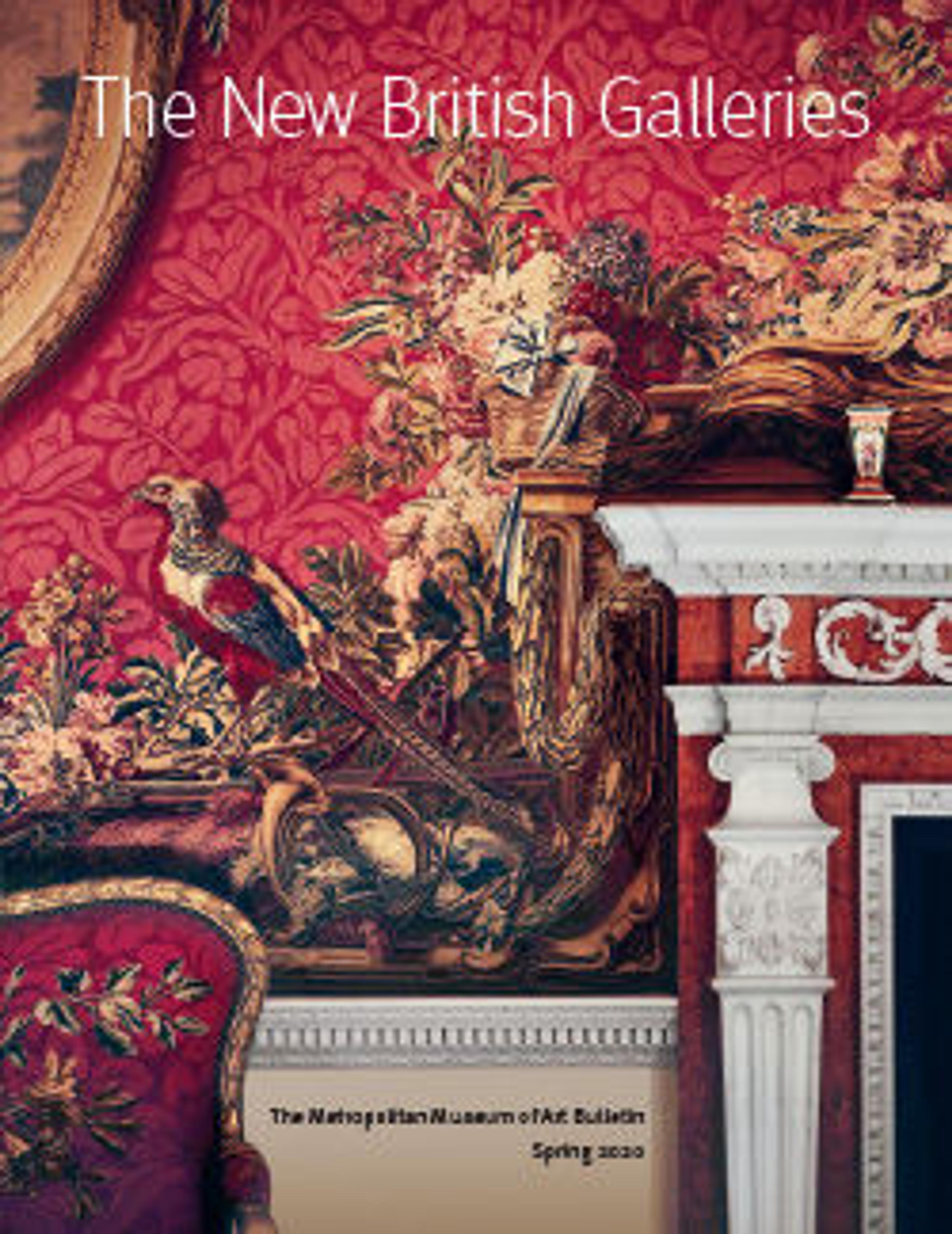 Celebrating the reopening of the British Galleries, this Bulletin documents years of renovation and rethinking that formed these majestic spaces, which represent more than four hundred years of British decorative arts from the sixteenth through the nineteenth century. Featuring artwork in an extraordinary range of styles and materials, this publication and the redesigned galleries it documents highlight a panoply of Britain’s artistic and economic aspirations. The texts place these works—from masterpieces commissioned by rulers Elizabeth I and George III to luxury goods imported from abroad, including small boxes, scent bottles, and miniature vanity cases—in a uniquely British context while also acknowledging and addressing their global significance. Stunning photography captures highlights from the more than seven hundred works of art in the collection as well as installation views, both past and present.Download PDFFree to download
 This history of The Metropolitan Museum of Art celebrates its evolution into one of the world’s greatest museums and its vision for the future
 The Metropolitan Museum of Art houses one of the world’s largest and most comprehensive collections of works of art from antiquities to modern and contemporary material. Their preservation is a responsibility shared by the many individuals employed at the Museum who have direct contact with the collection on a daily basis. The Care and Handing of Art Objects—first published in the 1940s and continually updated—offers a guide to the best practices in handling and preserving works of art while on display, in storage, and in transit. It explains many of the fundamental principles of conservation that underlie these methods. One of the goals of the publication is to make the complexities of caring for a collection readily accessible by offering basic guidelines for the preservation of the diverse materials and art objects found in The Met. Each chapter of Part I addresses a different medium ranging from paintings on canvas, works on paper, and photographs to furniture, upholstery, and arms and armor. The sections provides an overview of the particular environmental, handling, and housing factors needed to prevent damage and ensure preservation of each material. Written by experts in the respective specialty, the text summarizes the field's most critical preservation issues, many of which are amplified by photographs. Part II succinctly describes factors that affect the collection as a whole. Among these concerns the book features current environmental standards for temperature, relative humidity, light exposure, storage, and art in transit. The text also addresses integrated pest management and emergency preparedness and response. Charts on storage and display conditions as well as factors contributing to deterioration provide an easy reference for readers. A glossary of conservation terms, principles, and housing materials helps to guide for those unfamiliar with the field. The Care and Handing of Art Objects draws on the knowledge of conservators, scientists, and curators from many different departments, along with that technicians and engineers whose expertise crosses boundaries of culture, chronology, medium, and condition. It is an invaluable resource for students, collectors, small museums, museum study programs, art dealers, and members of the public who want to enhance their understanding of how works of art are safeguarded and the role environment, handling, and materials play in making this possible.Download PDFFree to download
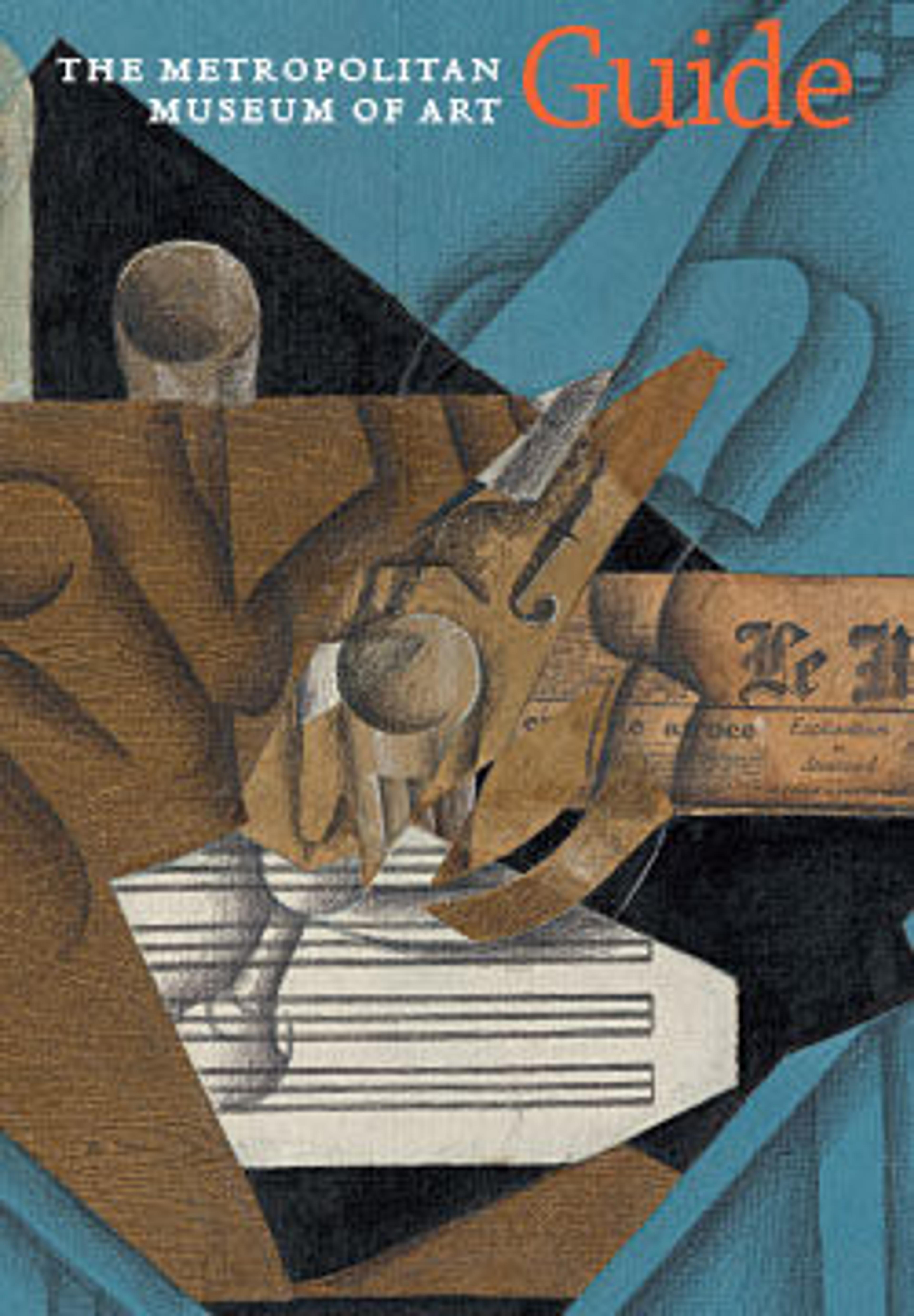 Featuring beautiful color reproductions and enlightening descriptions, this is the definitive guide to one of the largest, and most beloved, collections of art in the world. More than a simple souvenir book, The Metropolitan Museum of Art Guide provides a comprehensive view of art history spanning five millennia and the entire globe, beginning with the ancient world and ending in contemporary times. It includes media as varied as painting, photography, costume, sculpture, decorative arts, musical instruments, arms and armor, works on paper, and many more. Presenting works ranging from the ancient Egyptian Temple of Dendur to Canova's Perseus with the Head of Medusa to Sargent's Madame X, this revised edition is an indispensable volume for lovers of art and art history, and for anyone who has ever dreamed of lingering over the most iconic works in the Metropolitan's unparalleled collection.