MetPublications
Showing 1–10 results of 18
Sort by:
 PUNK: Chaos to Couture considers the vitality of the punk aesthetic and its impact on high fashion, from the do-it-yourself ethos of punk's originators to the perfection defined by its couture descendants. "Punk has had an incendiary influence on fashion. Although punk's democracy stands in opposition to fashion's autocracy, designers continue to appropriate punk's visual vocabulary to capture its youthful rebelliousness and aggressive forcefulness." Andrew Bolton "Punk was like nothing anybody had seen before, like nothing. Punk was fearless. Utterly fearless."John Lydon (Johnny Rotten) "Punk was about succeeding without any skills except honesty. Honesty isn't easy though. That's where the art, unironically, comes in." Richard Hell "The look was at once decadent and puritan: a deliberate confusion of symbols, a living collage that served as both symptom and solution, as both windup and warning." Jon Savage
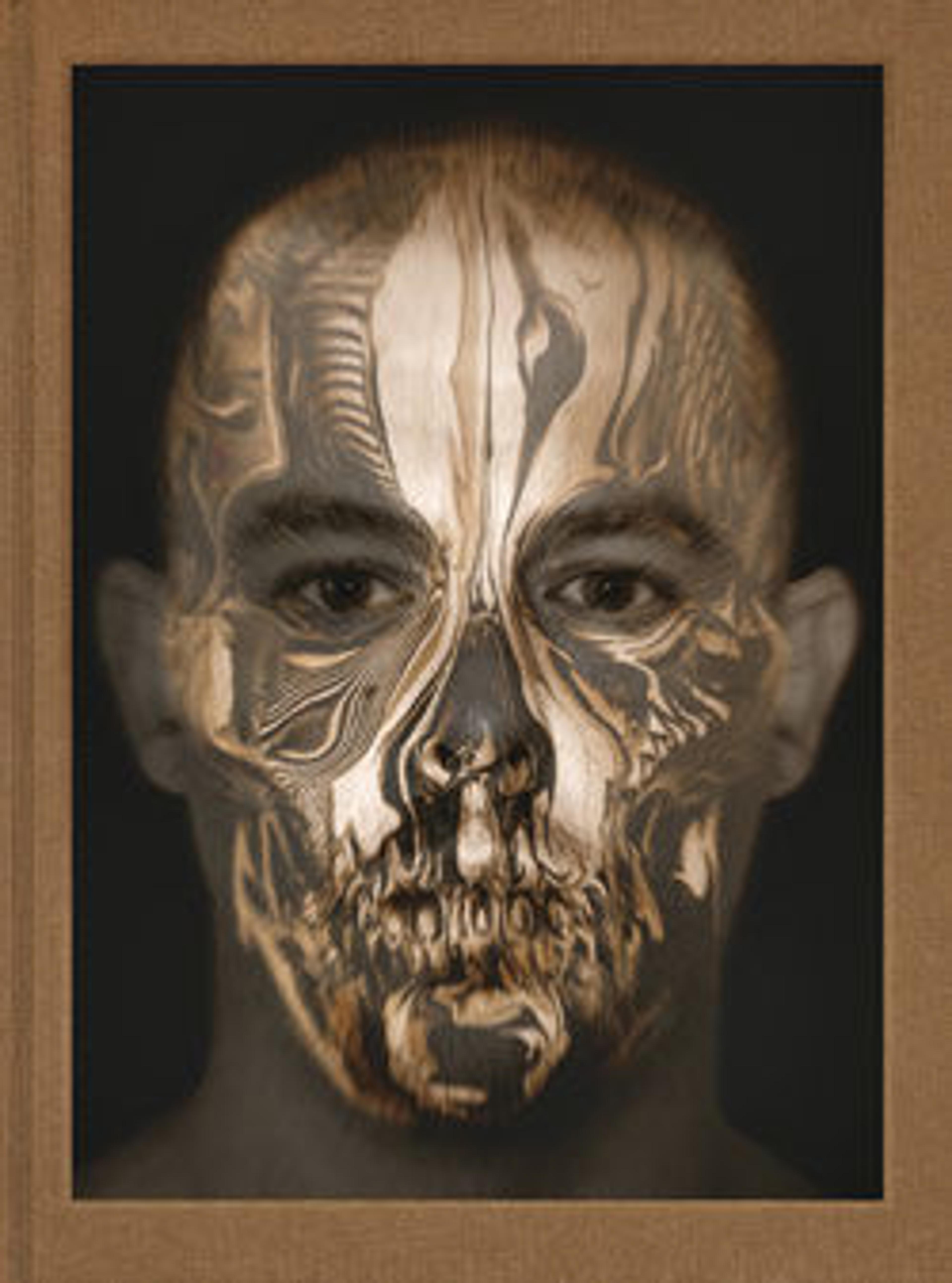 Arguably the most influential, imaginative, and provocative designer of his generation, Alexander McQueen both challenged and expanded fashion conventions to express ideas about race, class, sexuality, religion, and the environment. Alexander McQueen: Savage Beauty examines the full breadth of the designer's career, from the start of his fledgling label to the triumphs of his own world-renowned London house. It features his most iconic and radical designs, revealing how McQueen adapted and combined the fundamentals of Savile Row tailoring, the specialized techniques of haute couture, and technological innovation to achieve his distinctive aesthetic. It also focuses on the highly sophisticated narrative structures underpinning his collections and extravagant runway presentations, with their echoes of avant-garde installation and performance art. Published to coincide with an exhibition at The Metropolitan Museum of Art organized by The Costume Institute, this stunning book includes a preface by Andrew Bolton; an introduction by Susannah Frankel; an interview by Tim Blanks with Sarah Burton, creative director of the house of Alexander McQueen; illuminating quotes from the designer himself; provocative and captivating new photography by renowned photographer Sølve Sundsbø; and a lenticular cover by Gary James McQueen. Alexander McQueen: Savage Beauty
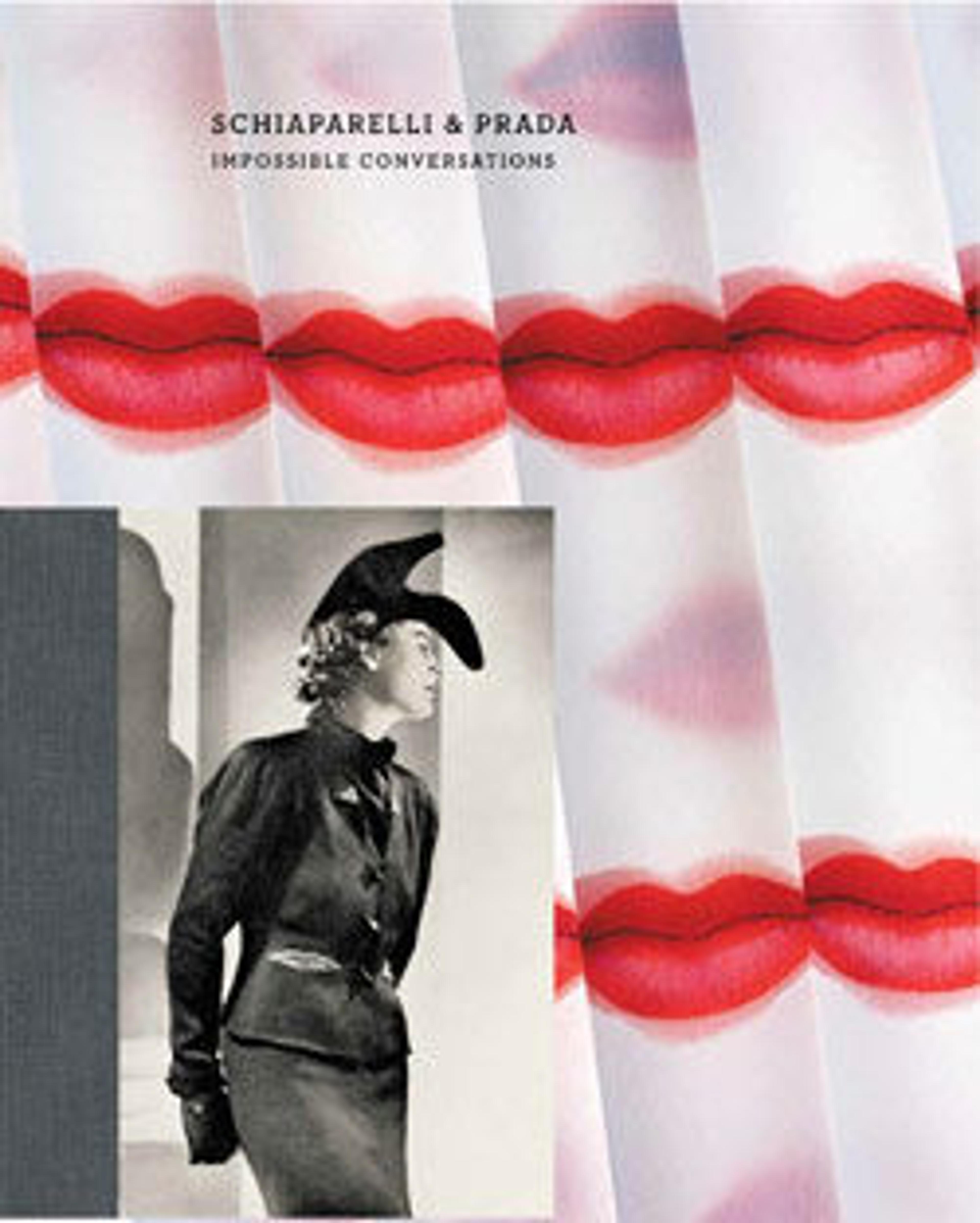 Art plays an important role in the life and design of both Elsa Schiaparelli and Miuccia Prada. Schiaparelli's collaborations with the Surrealists Salvador Dalí and Jean Cocteau, and Prada's interest in and support of contemporary artists, as reflected in the collections and galleries of the Fondazione Prada, have brought art and fashion into close proximity, in a direct, synergistic, and culturally redefining relationship. It seems especially fitting, therefore, that their inventive creations be the subject of an exhibition at The Metropolitan Museum of Art. Schiaparelli and Prada: Impossible Conversations considers the striking affinities between these two iconic Italian designers from different eras: Schiaparelli, who worked in Paris from the 1920s until her house closed in 1954, and Prada, who took over her family's Milan-based business in 1978. Inspired by Miguel Covarrubias's "Impossible Interviews" for Vanity Fair in the 1930s, Harold Koda and Andrew Bolton, respectively Curator in Charge and Curator of The Costume Institute, conceived of this exhibition and accompanying publication as a series of imaginary conversations between these women to suggest new readings of their most innovative work. Drawn primarily from The Costume Institute's collection and the Prada Archive, as well as other institutions and private collections, signature objects by Schiaparelli and Prada are compared and contrasted to reveal the designers' extraordinary impact on contemporary notions of fashion. In this book's preface, Bolton and Koda explore the ways in which both women have employed unconventional materials, unexpected colors, fanciful details, and novel prints to challenge conventional ideas of beauty, glamour, and taste.
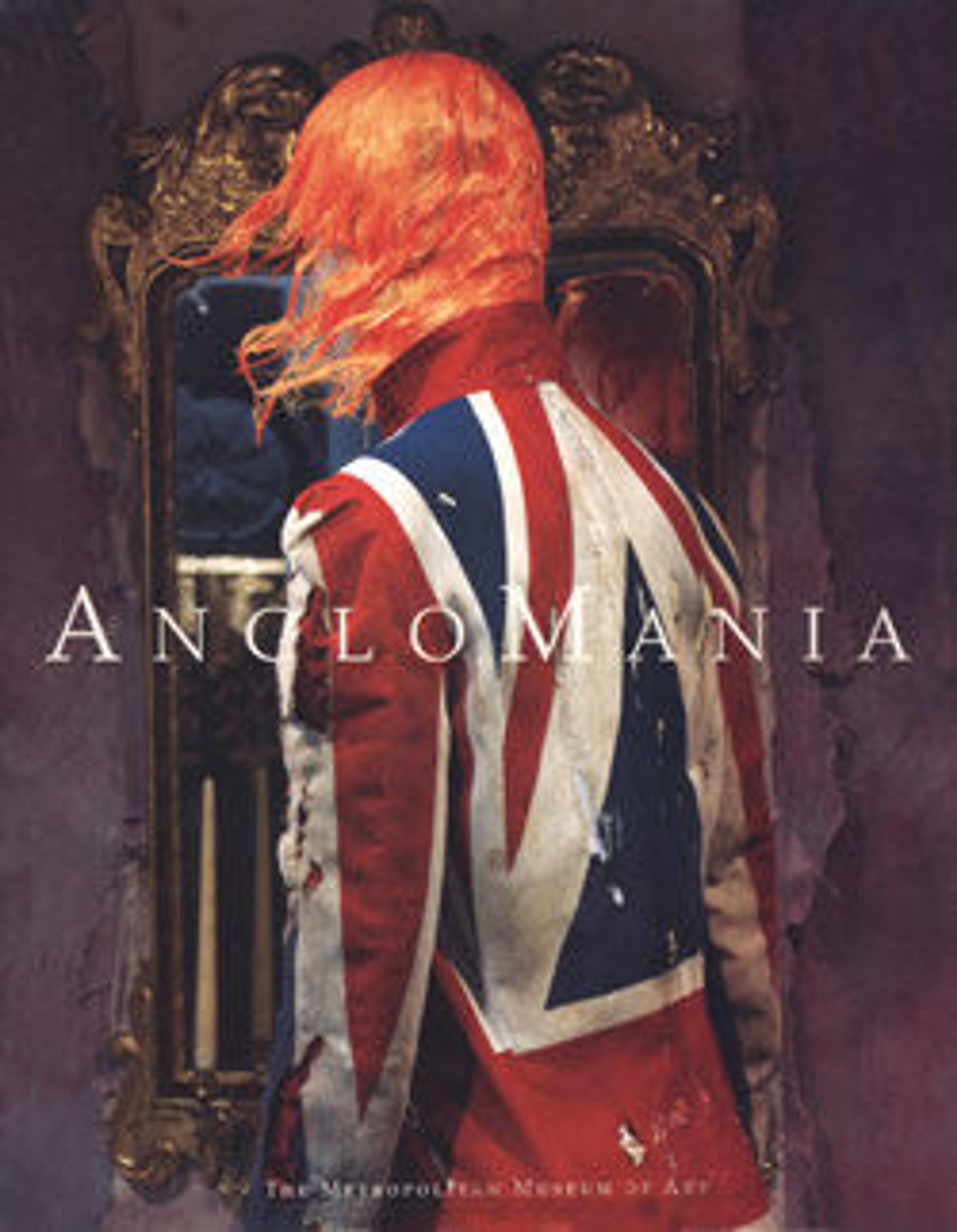 Anglomania gripped Europe during the mid-to-late eighteenth century. Continental Anglophiles such as Voltaire and Montesquieu saw England as a land of reason, freedom, and tolerance. Yet what began as an intellectual phenomenon became and has remained, a matter of style. Through the lens of fashion, AngloMania, based on the popular exhibition of the same name held at The Metropolitan Museum of Art in 2006, examines aspects of English culture that continue to capture the imaginations of Europeans and Americans, among them the class system, sport, royalty, pageantry, eccentricity, the gentleman, and the country garden. Englishness is a romantic construct, formed by fictive and imaginary narratives. These narratives are, however, not merely the product of European-American Anglophilia but are fostered by the English themselves. As this book reveals, they can be found in the novels of Samuel Richardson and in the paintings of George Stubbs and William Hogarth. AngloMania presents historical costumes with clothing of the late twentieth and early twenty-first centuries in a series of theatrical vignettes staged in the Museum's English Period Rooms. In the book, images of the Kirtlington Park Dining Room (ca. 1748), the venue for "The English Garden," teems with figures wearing eighteenth-century gowns made from Spitalfields silks and sporting twenty-first century hats by Philip Treacy. Although the gowns and hats are separated by time, they are united through their bold floral motifs that are startling in their botanical naturalism. The Lansdowne Dining Room (1776–79) becomes "The Gentlemen's Club," in which dandies, gentlemen, and punks, wearing designs by Malcolm McLaren and Vivienne Westwood, clash in a scene of Hogarthian intensity. Around the Hampton Court State Bed (ca. 1698), Queen Victoria in widow's weeds mourns the death of a figure wearing tartan trousers and an elaborately embroidered cape-jacket by Alexander McQueen. The illuminating and entertaining texts, written by Andrew Bolton, are complemented by an introductory essay by Ian Buruma that traces the beginnings of the desire for all things British.Download PDFFree to download
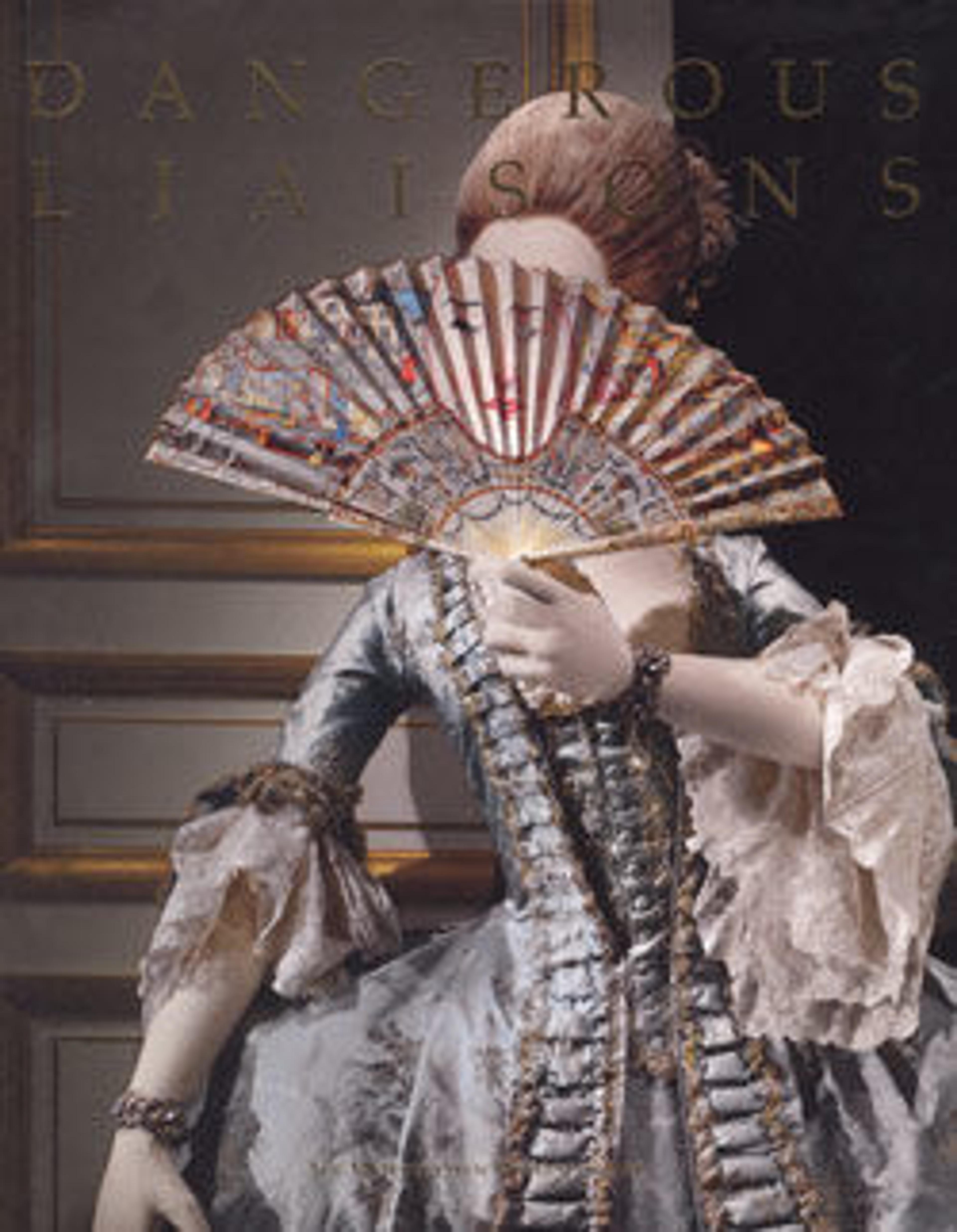 During the reigns of Louis XV (1723–74) and Louis XVI (1774–92) fashion and furniture merged ideals of beauty and pleasure through their forms and embellishments. With their fragile surfaces and delicate proportions, tables, chairs, and other pieces of furniture enhanced the elite's indulgence in leisurely pursuits, fostering highly complex standards of etiquette and performance. Men and women restated the splendor of the Rococo and Neoclassical interiors of the period in their opulent costumes. For the eighteenth-century libertine and femme du monde, a refined elegance and delicate voluptuousness infused their world with a mood of amorous delight. Dangerous Liaisons takes its theme from this era, when trifling in love propelled the energies of elite men and women, providing almost daily stimulating encounters, and when, as has been written, "morality lost but society gained." In Choderlos de Laclos's novel of the same name, Cécile, a young girl, is praised by her tutor in the worldly arts: "She is really delightful! She has neither character nor principles ... everything about her indicates the keenest sensations." Valmont, her seducer, notes the following morning, "Nothing could have been more amusing." Valmont has won a game in the contest of lovemaking. The beautifully photographed and handsomely reproduced images on the following pages bring these amorous adventures to life. The vignettes, staged for the widely praised exhibition "Dangerous Liaisons: Fashion and Furniture in the Eighteenth Century," held at The Metropolitan Museum of Art in 2004, feature eighteenth-century costumes in the Museum's spectacular French period rooms, The Wrightsman Galleries. The artfully composed scenes include: a woman sitting for her portrait while her husband flirts with her friend; a man being granted an audience with a woman in a peignoir who is having her hair dressed; a vendor embracing the wife of an old man, his back turned, examining a table for sale; a girl receiving more than a harp lesson from her teacher, while her oblivious chaperone reads an erotic novel; a woman giving up her garter as a memento of a very private dinner. The entertaining and knowledgeable texts set the scenes perfectly.Download PDFFree to download
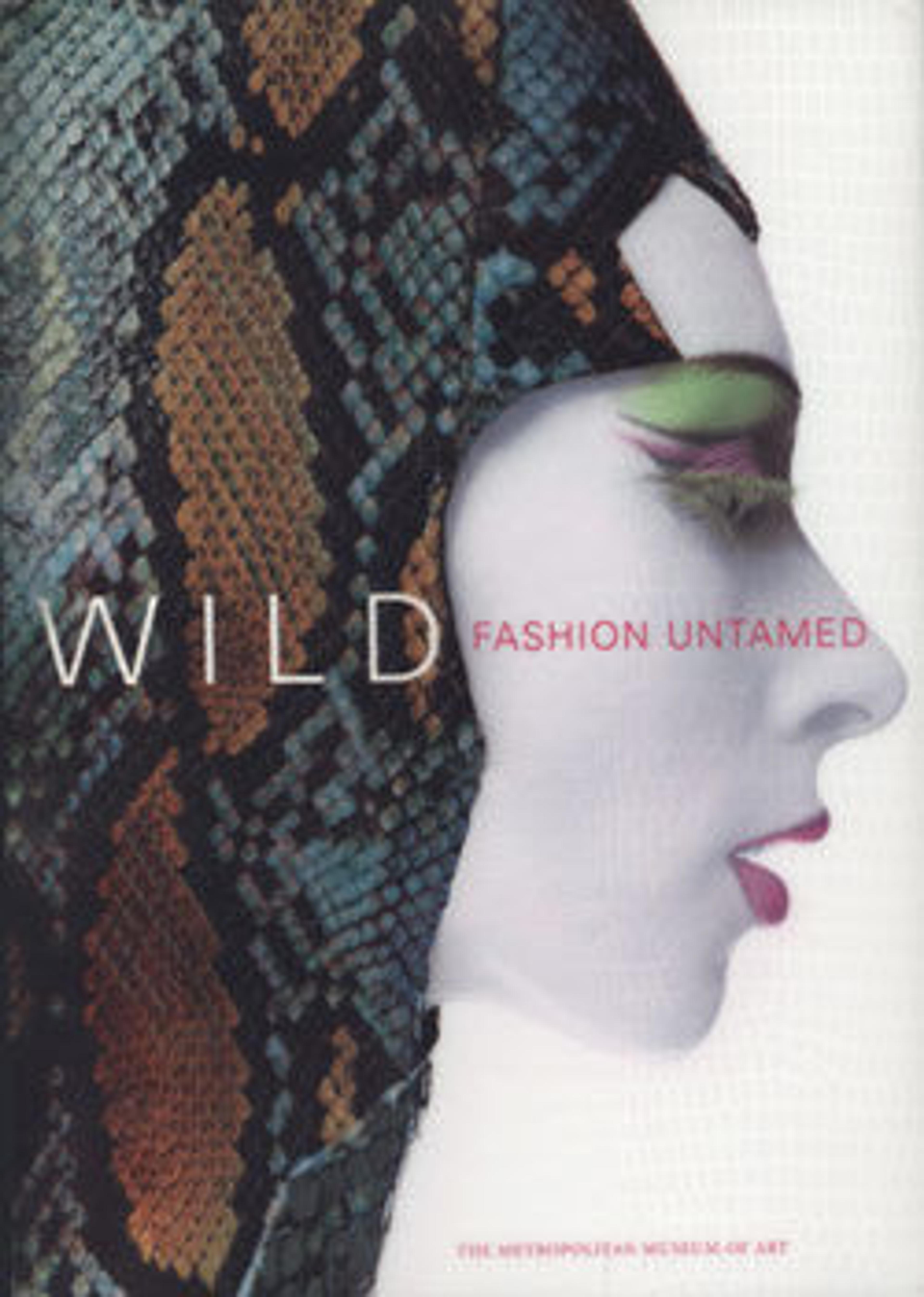 Wild: Fashion Untamed examines the practical, spiritual, psychosexual, and socioeconomic underpinnings of fashion's fascination with animals and birds. Skins, furs, feathers, and animals prints have played a major role in the history of fashion. In this volume's five chapters, deer, tigers, zebras, leopards, spiders, serpents, crocodiles, and the plumage of a variety of birds are referenced in examples that vividly convey how artists and designers have found inspiration from sources in prehistory, ancient mythology, and native cultures and have quoted the physical and sexual characteristics of the animal kingdom to evoke ideals of femininity. Examples from the history of art portraying the fashions and symbolisms of their time are discussed in concert with creations by contemporary designers. A prehistoric cave painting, for example, finds a striking corollary in an image showing a 1999–2000 Jean Paul Gaultier ensemble. A Minoan Snake Goddess proves a suitable companion to John Galliano's reptilian-patterned leather gown from his 2002–2003 Dior collection. A vintage photograph of Sitting Bull wearing the Native American feathered war bonnet appears alongside a similar-looking headdress of 1987 by Bob Mackie. The uses of fur to announce not only the wearer's wealth and power but also that of a nation are revealed in an early eighteenth-century portrait of Louis XIV in an ermine robe. Sean "P. Diddy" Combs and supermodel Kate Moss wear sumptuous furs in a striking present-day manifestation of such economic exhibitionism. The animal rights activists and animal welfare organizations that have emerged since the 1970s are discussed, accompanied by a potent example of a Lynx advertising campaign depicting a woman in a fur hat with a skinned dog around her neck. Thierry Mugler's black leather and insect-like silhouettes convey a deadly fetishized femininity, while Dolce & Gabbana's leopard prints display a softer femininity reminiscent of the 1950s Hollywood siren, as exemplified by a publicity still for MGM Studios of Ava Gardner in a leopard patterned bathing costume. A striking image of a group of women wearing black-and-white zebra patterns in a room filled with tellingly matching accoutrements represents the signature animal prints of Roberto Cavalli, who has widely celebrated the power and beauty of the wild kingdom. WILD: Fashion Untamed continues the ongoing objective of the Metropolitan Museum's Costume Institute to document and interpret the diverse aspects of historical and contemporary fashion. This generously illustrated volume effectively highlights humanity's ongoing obsession with animals in clothing from prehistoric times to the present. Faunal apparel has always represented and will continue to represent one of our more primal instincts, even as it also addresses issues of changing social attitudes about the relationships of human to animal and human to human. In the Introduction to this fascinating publication, Andrew Bolton, Associate Curator, The Costume Institute, writes: "Straddling the ideologies of nature and artifice, designers have sought to shape ideals of femininity that evoke and invoke the physical and symbolic characteristics of animals, ideals that have resonance in both the past and the present."
Chanel
2005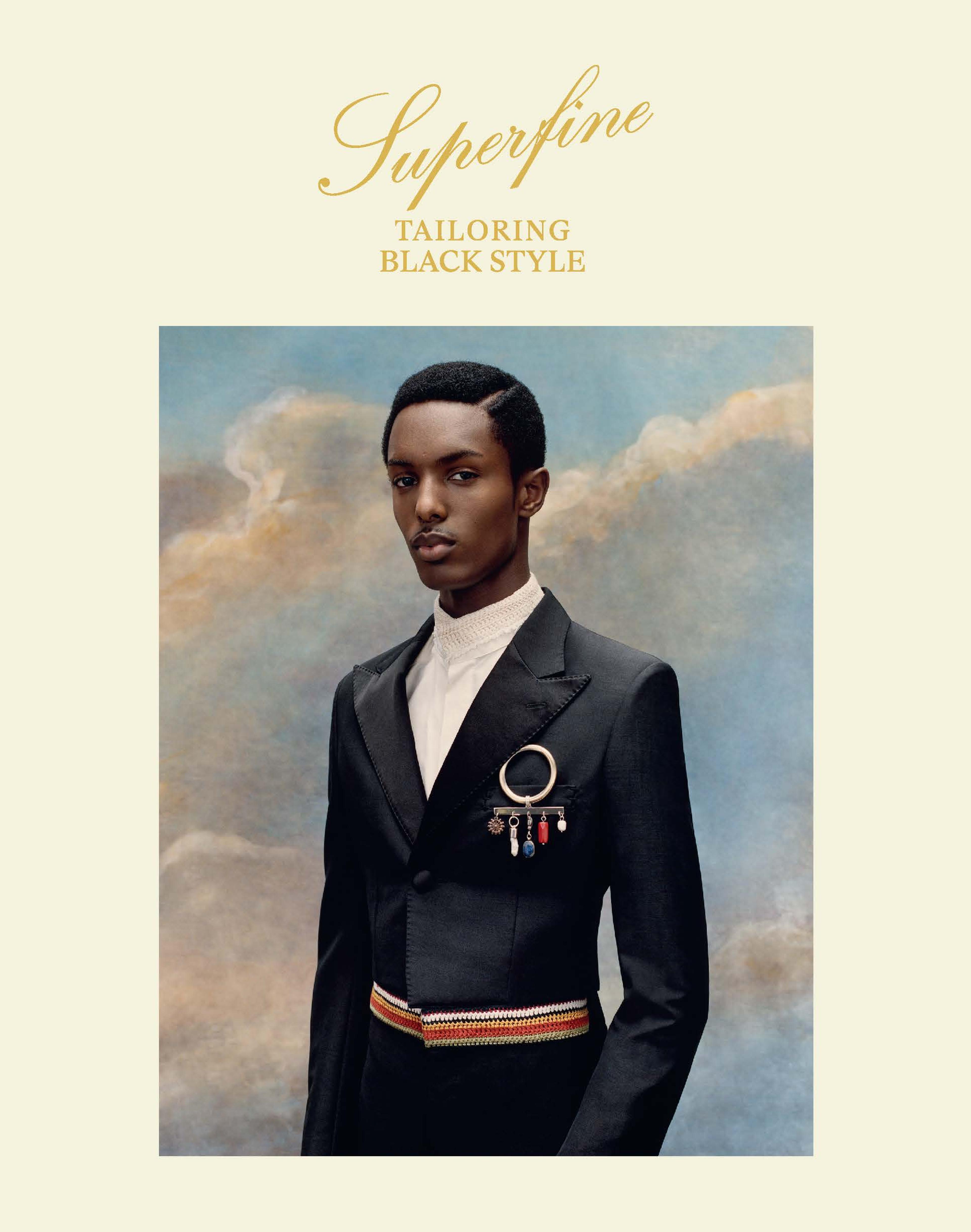 Explores Black dandy fashion and highlights the vibrant, complicated legacy of a recognizable yet constantly shifting style.
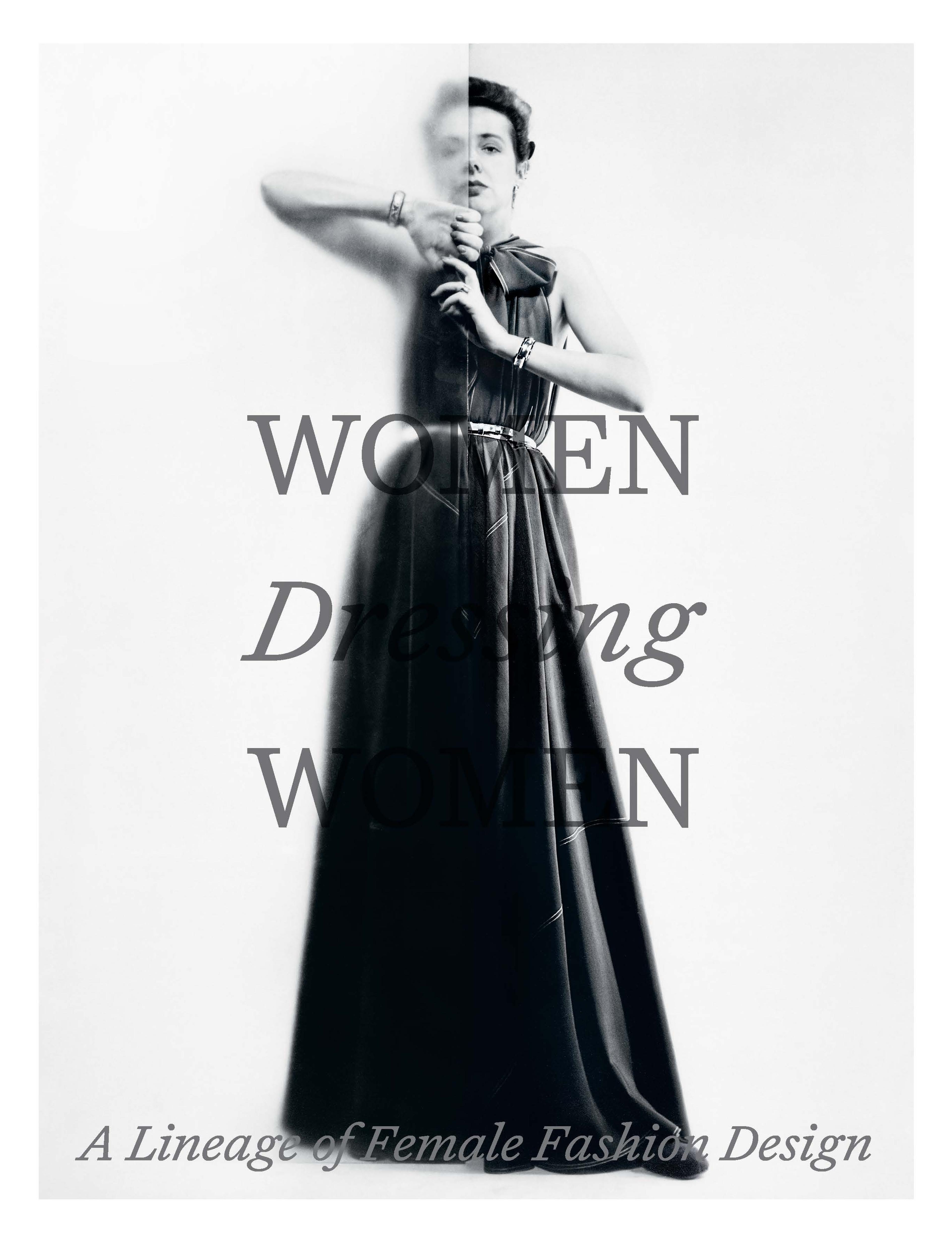 This beautifully illustrated book explores the considerable impact of fashions created by and for women by tracing a historical and conceptual lineage of female designers—from unidentified dressmakers in eighteenth-century France to contemporary makers who are leading the direction of fashion today. Stunning new photographs of exceptional garments from the unparalleled collection of The Metropolitan Museum of Art’s Costume Institute complement insightful essays that consider notions of anonymity, visibility, agency, and absence/ omission, highlighting celebrated designers and forgotten histories alike to reveal women’s impact on the field of fashion. The publication includes garments from French houses such as Vionnet, Schiaparelli, and Mad Carpentier to American makers like Ann Lowe, Claire McCardell, and Isabel Toledo, along with contemporary designers such as Rei Kawakubo, Iris van Herpen, Simone Rocha, and Anifa Mvuemba. Situating the works within a larger social context, this overdue look at female-led design is essential reading for anyone interested in the history of fashion.
Poiret
2007Paul Poiret dominated haute couture in the first decade of the twentieth century. Known in America as the "King of Fashion," he liberated women from constricting undergarments, most significantly from the corset, which had shaped the female form almost without interruption for hundreds of years. In so doing, he revolutionized dressmaking, by shifting its emphasis away form the skills of tailoring to those based on the skills of draping. He advocated dresses that hung from the shoulders, pioneering such styles as the chemise, which he introduced as early as 1911. Beyond his technical innovations, Poiret established the blueprint of the modern fashion business. He founded a perfume and cosmetics company, as well as a decorative arts company. In forming these enterprises, he became the first designer to relate fashion to interior design and to promote a "total lifestyle." Known for his marketing acumen, Poiret employed the theater as his runway, dressing such high-profile performers as Lillie Langtry, Sarah Bernhardt, Ida Rubenstein, and Isadora Duncan. As an extension of this form of advertising, he threw lavish parties for which he designed many of the costumes. Of there, perhaps the most well-known was his "One Thousand and Second Night," where he promoted two of his most iconic designs: the "lampshade" tunic and the "harem" trousers, or pantaloons, both of which were worn by his wife, Denise. Poiret's designs reflected the dominant artistic discourses of the early twentieth century, most notably orientalism. An art collector himself, Poiret also worked with a number of important artists, including Raoul Dufy, on designs for fabrics. Two of Poiret's most important collaborations were with the graphic artists Paul Iribe and Georges Lepape, who created deluxe albums for Poiret's elite clients. Many of these pochoir prints are illustrated in this volume and served as inspiration for the remarkable vignettes in the exhibition of Poiret's couture held at the Metropolitan Museum of Art in 2007. Among the garments featured prominently in this catalogue are those created for Denise Poiret. Dark and reed thin, she was the epitome of Poiret's ideal of beauty. He created some of his most daring and radical designs for his wife, who—as many photographs of her reveal—wore them with a captivating, flamboyant self-confidence. In 2005, many of these unique creations were purchased by the Metropolitan Museum of Art and formed the core of its exhibition "Poiret: King of Fashion." These exciting acquisitions provide new insights into Poirets artistic vision and help to reassert his position as one of the most important designers of the twentieth century.Download PDFFree to download