MetPublications
Showing 1–4 results of 4
Sort by:
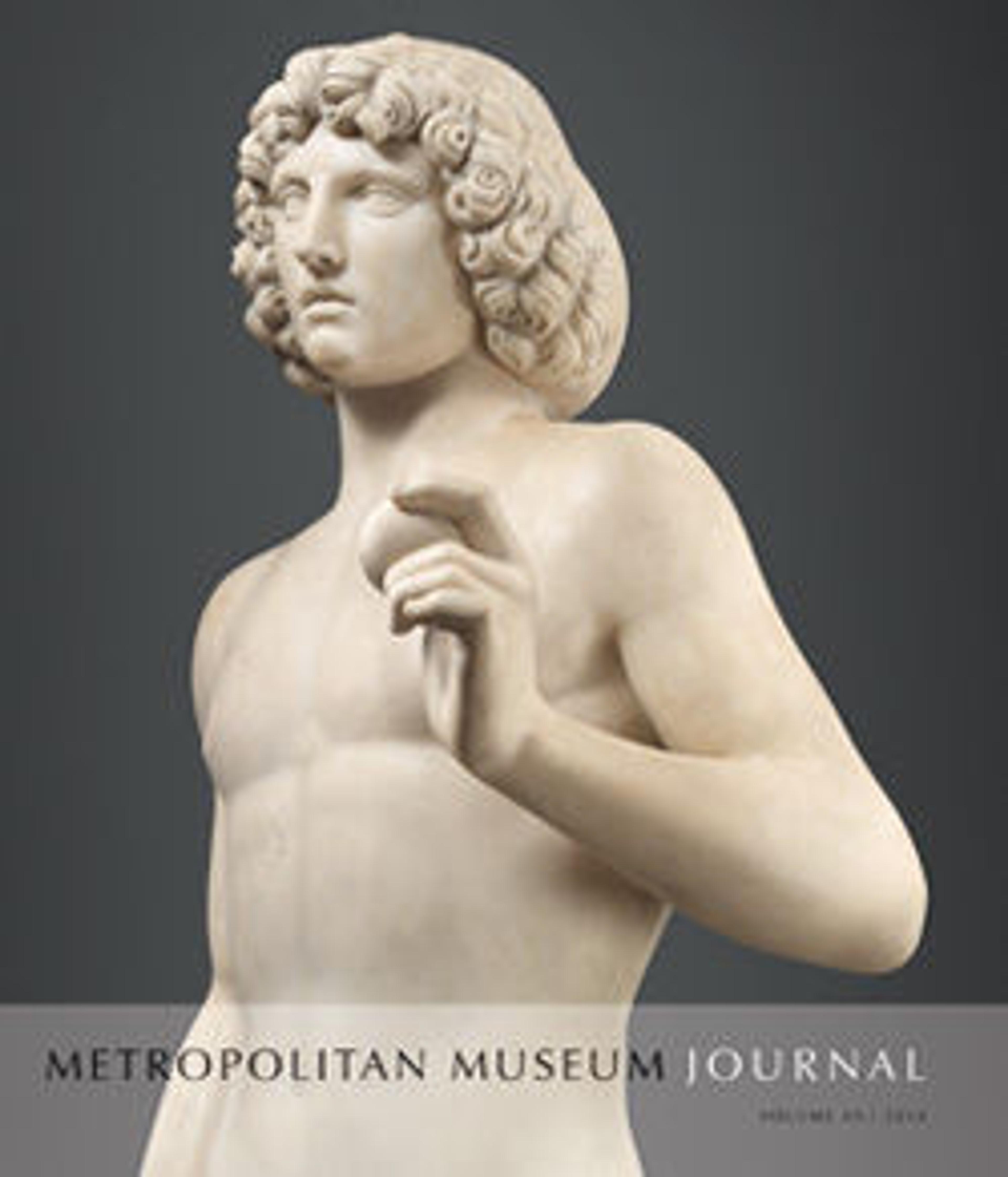 The Metropolitan Museum Journal is issued annually by The Metropolitan Museum of Art. Its purpose is to publish original research on works in the Museum’s collection. Articles are contributed by members of the Museum staff and other art historians and specialists.Download PDFFree to download
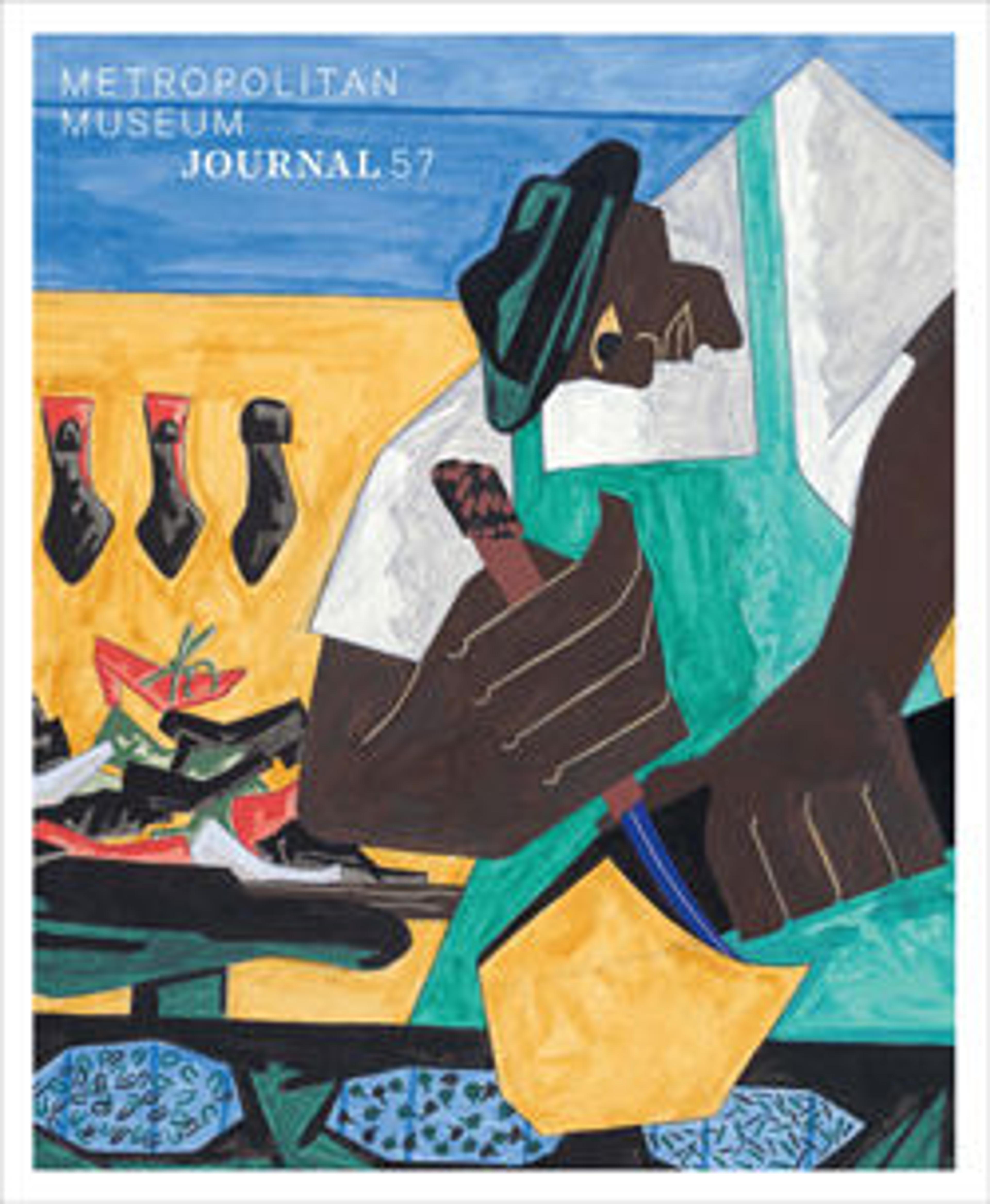 The Metropolitan Museum Journal is issued annually and publishes original research on works of art in the Museum’s collection. Highlights of volume 57 include essays on a crimson velvet “cloth of gold” associated with the Tudor dynasty; an exquisite pair of malachite torchères commissioned by the Russian Demidov family; and a drawing on muslin by Matȟó Nážiŋ detailing the Battle of the Little Bighorn in 1876.Download PDFFree to download
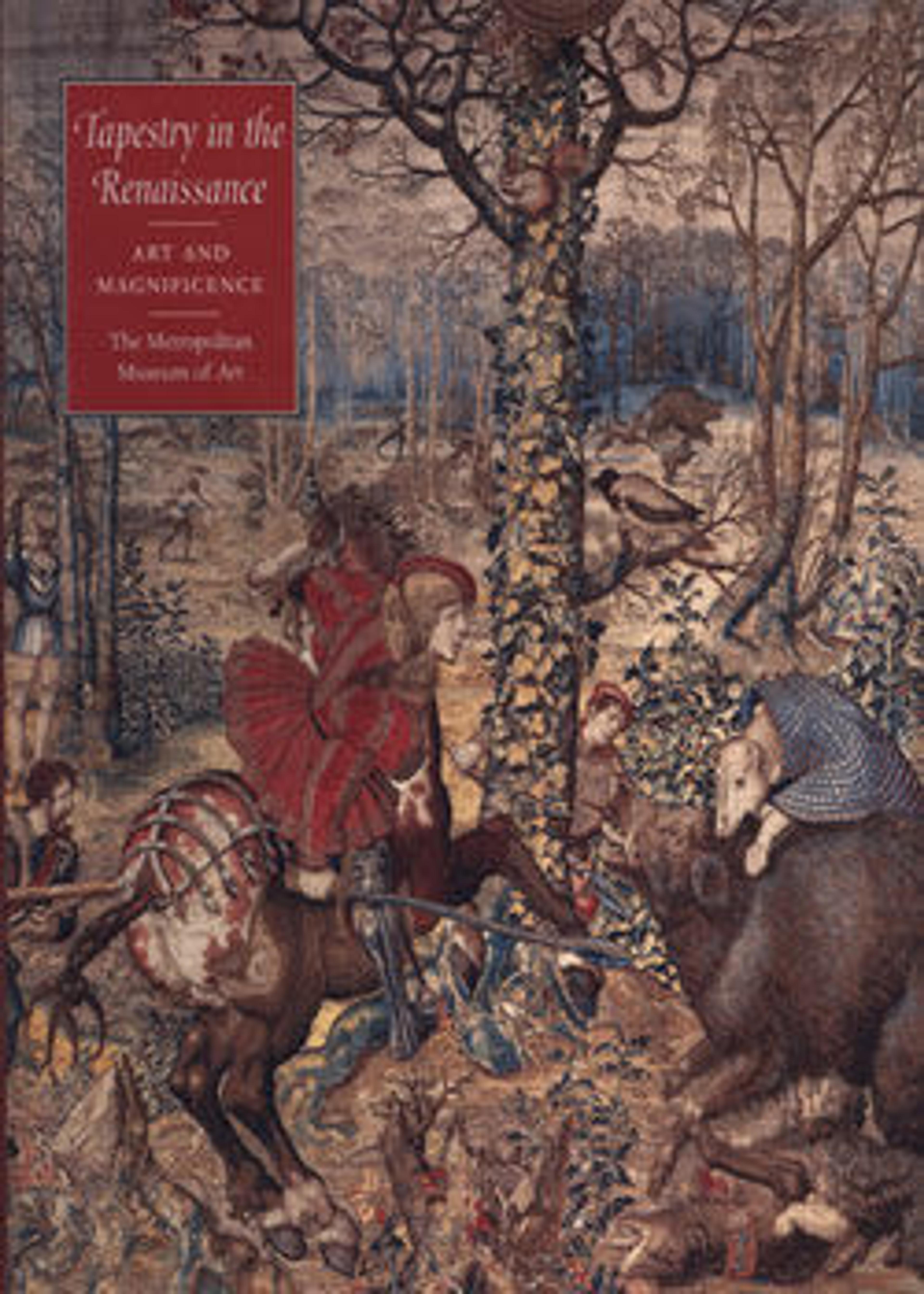 Tapestries were a principal aspect of the ostentatious "magnificence" used during the Renaissance by powerful religious and secular rulers to broadcast their wealth and their might. This sumptuously illustrated book presents the first major survey of tapestry production between 1460 and 1560, and it catalogues the first monographic loan exhibition of tapestries in the United States in twenty-five years. It highlights the finest tapestry cycles of the age as one of the greatest achievements of Renaissance art. Examples from many of the most important surviving set—which still dazzle today as they did five hundred years ago in the palaces and cathedrals of Europe—illustrate the contribution that the medium made to the art, liturgy, and propaganda of the time. This study focuses on the stylistic evolution of tapestry design in the Netherlands beginning with the development by Netherlandish designers in the late fifteenth and early sixteenth centuries of an aesthetic that emphasized narrative and decorative qualities. During the 1510s, 1520s, and 1530s, commissions by Pope Leo X and other Italian patrons resulted in the dispatch of tapestry cartoons by Italian artists—notably Raphael and his assistants—to Brussels, the main center of high-quality production, thus introducing Roman High Renaissance aesthetics to Northern tapestry design. Thereafter, Netherlandish artists like Bernaert van Orley and his followers melded this Italian influence with their local traditions of tapestry design to produce a rich aesthetic that was ideally suited to the medium. Smaller centers of tapestry production are also examined—particularly those set up under princely patronage in France (Fontainebleau) and Italy (Ferrara, Mantua, and Florence). Unrestrained by established practices of Netherlandish production, such artists as Tura, Mantegna, Bramantino, Bronzino, and Salviati invariably created tapestry designers that were much closer to the spirit of the Italian Renaissance than to those of their Northern counterparts. The strengths and distinctions of those contemporaneous developments and the cross-fertilization of ideas between northern Europe and Italy are fully explored in detailed essays and catalogue entries. The secondary theme of this study is the important role that tapestry played in ceremonial and daily life and the extent to which the medium reflected the personal tastes and aspirations of its patrons. This book explores the circumstances in which these enormous works of art were conceived and the complex relationships that existed between contemporary patrons, the rich merchants who bankrolled the industry, and the artists and craftsmen who designed and wove the tapestries. Many of the great tapestry cycles of the period are widely dispersed and challenging to photograph and thus little known outside a small scholarly community. In this book, the technical and artistic brilliance of these beautiful tapestries is illustrated in specially commissioned color photographs and detailed shots that reproduce them with a new vividness and immediacy.Download PDFFree to download
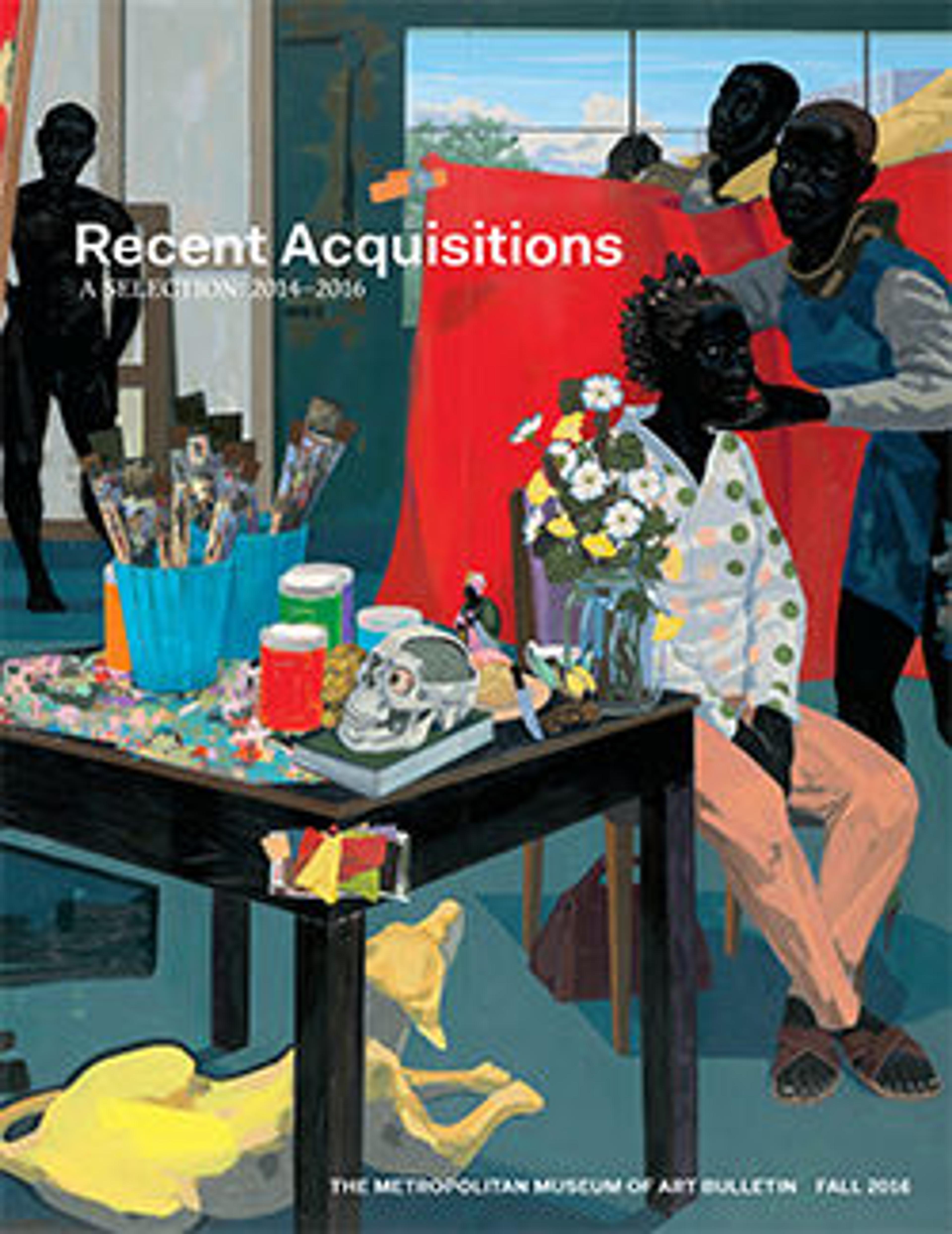 Every two years the fall issue of the Met's quarterly Bulletin celebrates notable recent acquisitions and gifts to the collection. Highlights of recent acquisitions from 2014–2016 include Charles Le Brun's Everhard Jabach (1618–1695) and His Family, a donation of nearly 1,300 works of art from East and South Asia, three hundred masterpieces of Japanese Art from the Mary and Jackson Burke Foundation, more than two hundred works by American photographer Irving Penn, and Untitled (Studio) by Kerry James Marshall among many others. This publication also honors the many generous contributions from donors that make possible the continued growth of the Met's collection.Download PDFFree to download