MetPublications
Showing 1–10 results of 31
Sort by:
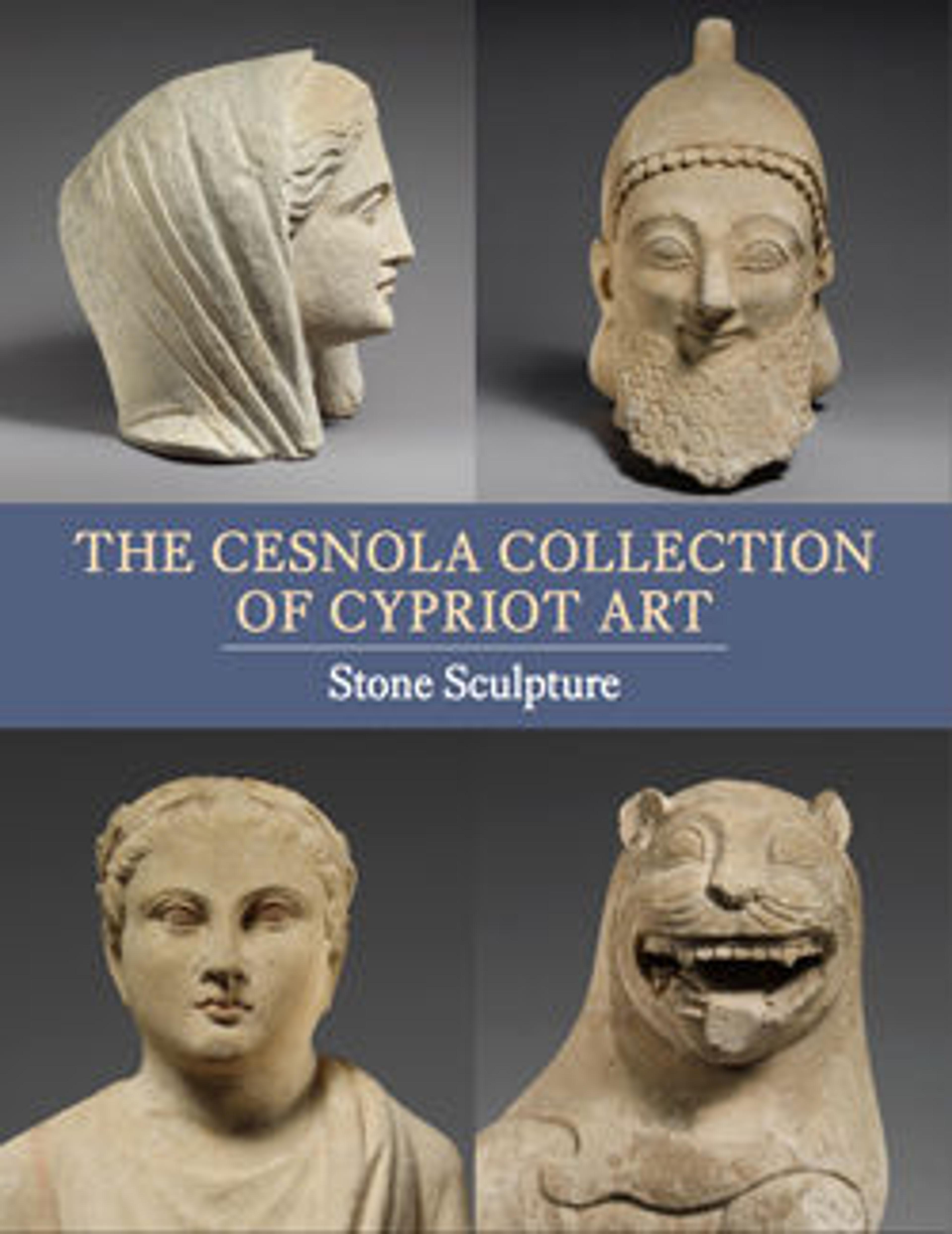 The Cesnola Collection of antiquities from Cyprus was one of the earliest acquisitions by The Metropolitan Museum of Art. In 1872—two years after its founding—275 crates of objects were purchased and brought to the Museum by Luigi Palma di Cesnola, who soon became its first director. This collection, with over 6,000 works, documents the art of Cyprus from ca. 3000 B.C. through ca. A.D. 300 in all major media—terracottas, bronzes, gems, glass, silver and gold plate, and jewelry. The distinction of the collection, however, lies in the stone sculptures that are unequalled in any other institution and that are beautifully illustrated and cataloged in this unique publication. The 635 large-scale stone sarcophagi, funerary monuments, and votive sculptures, primarily of the sixth through fourth centuries B.C., testify to the wealth and power of the individuals that commissioned them. The exceptional variety of types reflects the succession of rulers that dominated the island and exploited its resources, and shows influences of the cultural exchanges with other great early civilizations across the Mediterranean. The Cesnola Collection of Cypriot Art: Stone Sculpture is the first comprehensive publication of these works of art, and is available to read, download, and search online at no cost. A paperbound volume, complete and printed in full color as a print-on-demand (POD) book, is also available for purchase and can be ordered at the Yale University Press URL address above, or through most online booksellers. Additional information about the publication—including links to related resources, such as current records for every Cypriot stone sculpture in the Metropolitan Museum's collection database—can also be found on the Museum's MetPublications website. 1st revised edition, 2015Download PDFFree to download
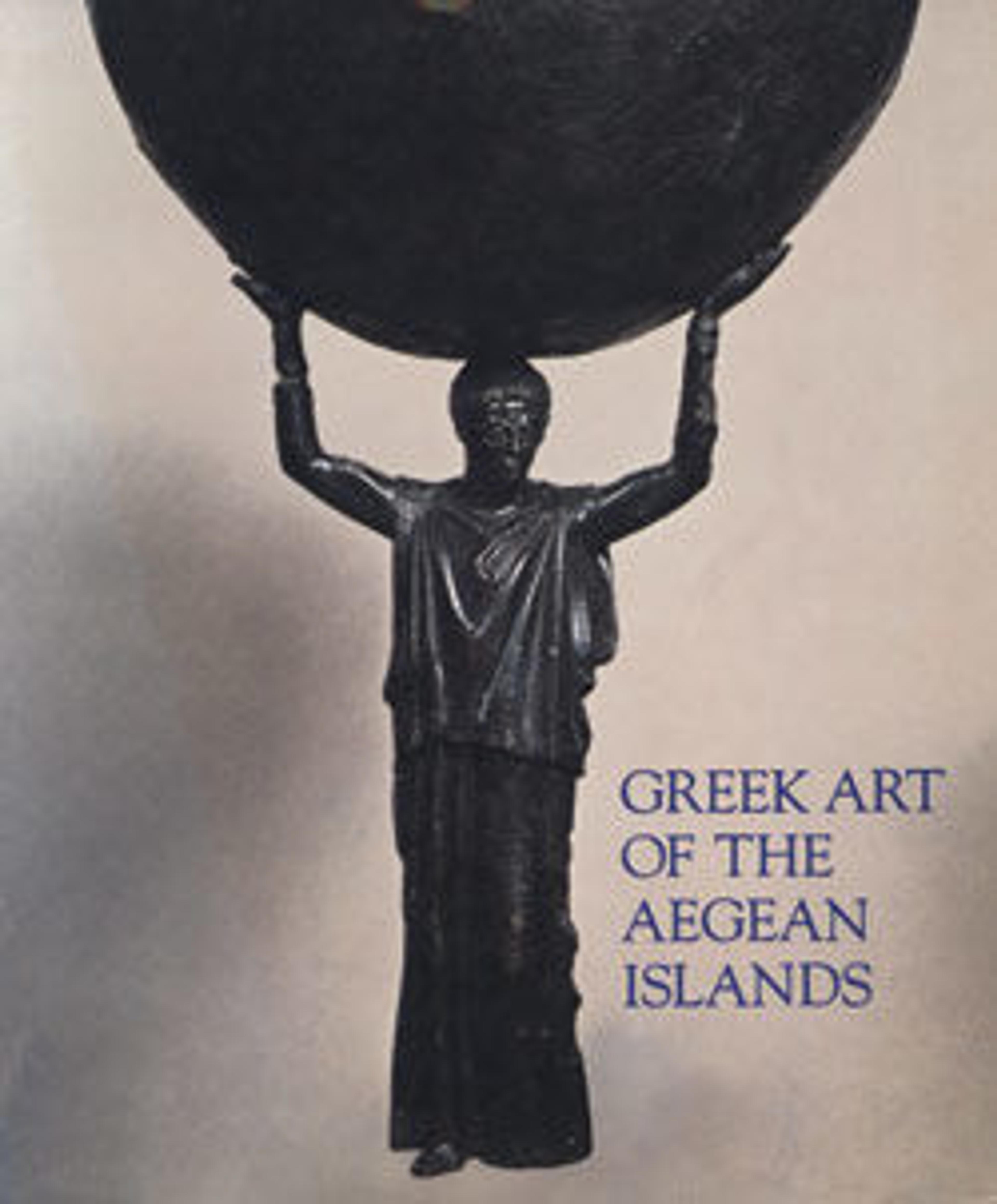 The exhibition now at The Metropolitan Museum of Art presents us with a rich sampling of the splendid cultural heritage of Greece. Not only does it emphasize the diverse geographic centers of artistic production but it also covers a broad chronological span, extending from the Early Bronze Age to the Classic Period of the fifth century B.C. Many of the objects are of particular interest in that they are recent finds, which, outside of archaeological circles, are known only to those who have actually visited the National Museum in Athens, and the many different local museums throughout the Greek islands. The loan demonstrates the significant cultural interconnections among the islands as well as the wealth and variety of materials used and the lively forms that characterize so much of Greek art.Download PDFFree to download
 Download PDFFree to download
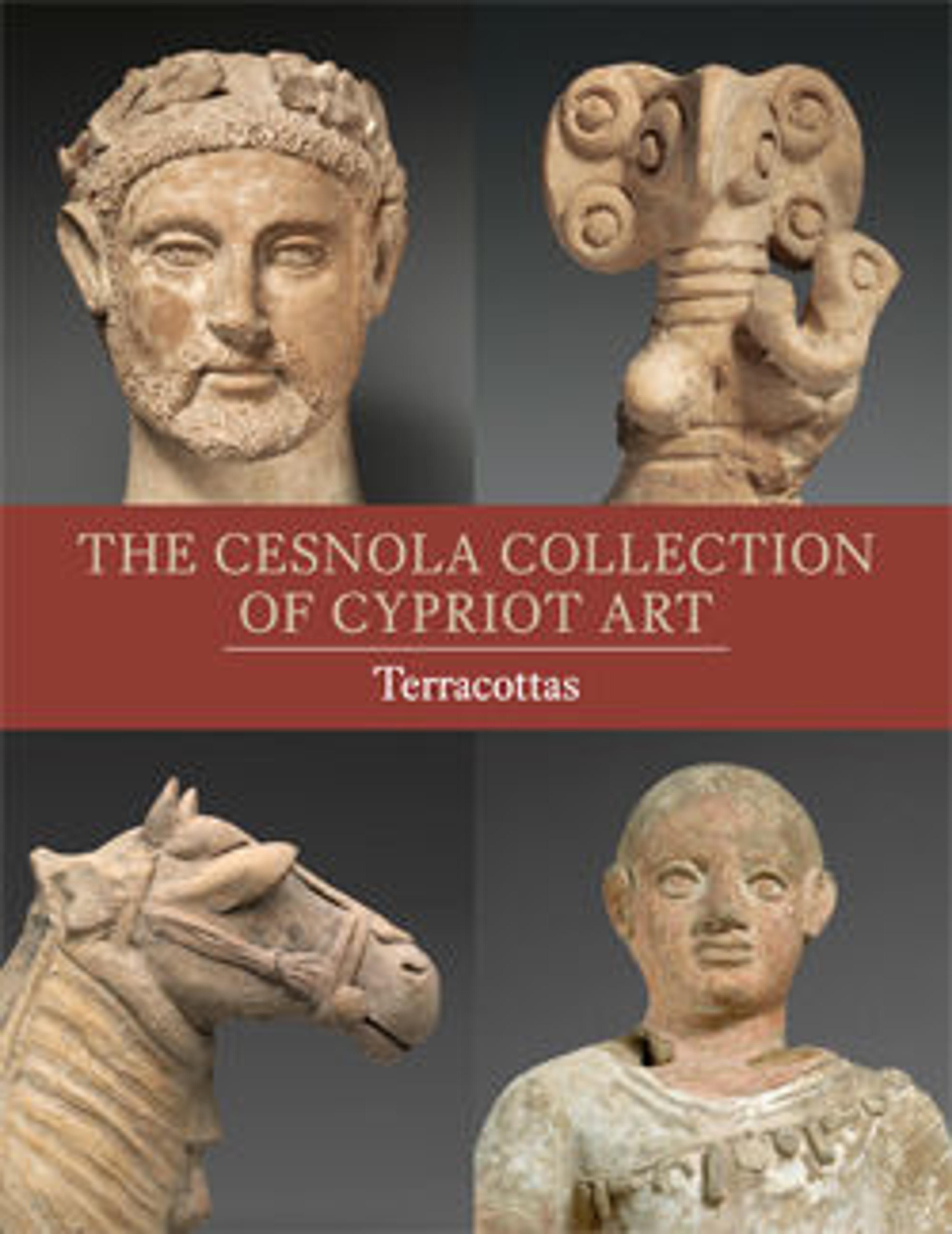 The Cesnola Collection of antiquities from Cyprus preserves the island’s artistic traditions from prehistoric through Roman times and represents the first large group of ancient Mediterranean works to enter the museum’s collection. This catalogue, which focuses on Cypriot terracottas, was originally published in 2004 as a CD-ROM, and is now available in a more accessible format. It contains nearly 500 works dating from between about 2000 B.C. and the 2nd century A.D. from one of the most expansive collections of Cypriot art in the world. Illustrations of each object are accompanied by a detailed catalogue entry, including a brief bibliography. In addition, fifteen commentaries make the catalogue a perfect introduction to Cypriot terracottas and the colorful world of ancient life and mythology.Download PDFFree to download
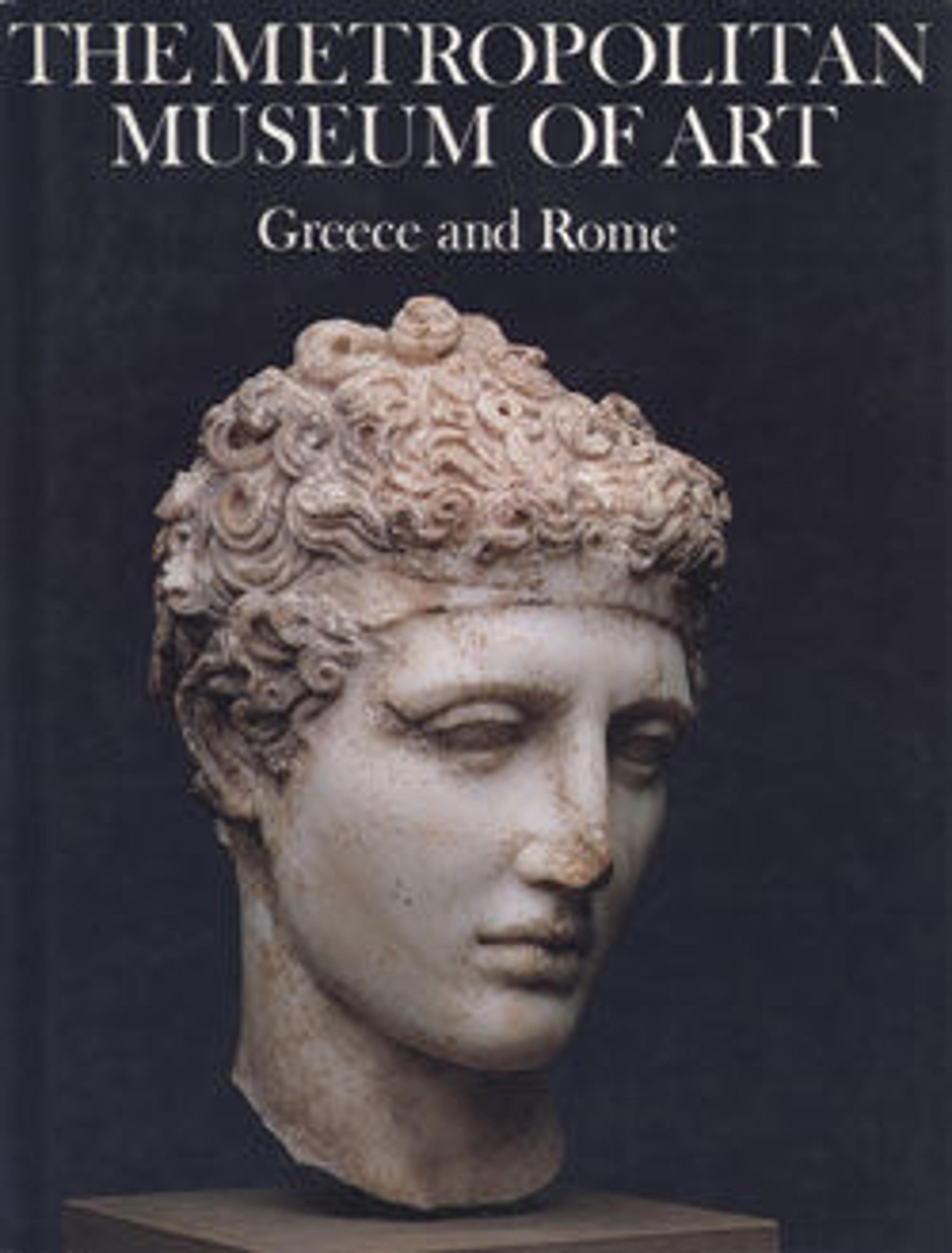 The art created in Greece during the fifth century B.C. established the standards to which all Western art has aspired well into our own times. Indeed, the word "classical," when used either specifically or figuratively, usually refers to those ideals of beauty and proportion developed on the Greek mainland more than four hundred years before the birth of Christ. Copied by the Romans, who revered the art of their Greek subjects, and "rediscovered" during the fourteenth and fifteenth centuries in what came to be known as a "renaissance" or rebirth of classical culture, the works bequeathed us by the Greeks—or in many instances by their Roman imitators—still influence the art we make and the ideals by which we judge it. Although the art of the ancient Greeks may be said to have reached its apogee in Athens in the fifth century B.C., it had, in fact, been developing for at least four thousand years. The Greeks settled and traded over a wide area, and eventually, under Alexander the Great, they moved into the Near East as conquerors. Thus they were able to assimilate and transform the art of many indigenous cultures. Once the Romans subjugated Greece, they, too, embarked on their own process of assimilation and transformation, on the one hand faithfully copying Greek art, and on the other, subtly transforming that art into one that more appropriately served first, republican taste, and later, imperial needs. Greece and Rome presents the Metropolitan Museum's collections of classical art, which range from early Cycladic pieces—dating from about 2700 B.C.—to works created in Rome at the time of the conversion to Christianity of the emperor Constantine in A.D. 312. To be sure, this picture of the classical world is only a partial one. Greek painting, for example, has been largely lost to history, and certainly many of the best Greek and Roman works reside in other museums, or, in the case of architecture, still stand throughout the Mediterranean world. Yet the collections of the Metropolitan do contain many of the finest examples of Cycladic, Cypriot, Attic, East Greek, archaic, geometric, and classical Greek art as well as of the art created by the Etruscans and in republican and imperial Rome. Among the important examples of Greek art presented in this volume are the Cycladic Harp Player, made in about 2700 B.C.; Cypriot sarcophagi from the fifth century B.C.; an Attic kouros from the sixth century B.C.; a lekythos attributed to the Amasis Painter from about 540 B.C.; the famous calyx krater by Euphronios from about 515 B.C.; Roman copies of mid-fifth-century Greek statues such as the Wounded Warrior and the Diadoumenos; and a splendid gold phiale thought to be from the fourth century B.C. Roman art is represented by examples of late republican wall painting, silver, and glass, and by portrait busts or statues of her emperors, their consort and relatives, as well as of anonymous citizens—giving us a broad picture of the styles and attitudes favored during Rome's long history. In addition to portraiture, Roman art is represented by the famous wall paintings from Boscotrecase, architectural elements from Domitian's palace, marble funerary altars and sarcophagi, and utilitarian and luxury items in terracotta, glass, gold, and silver.Download PDFFree to download
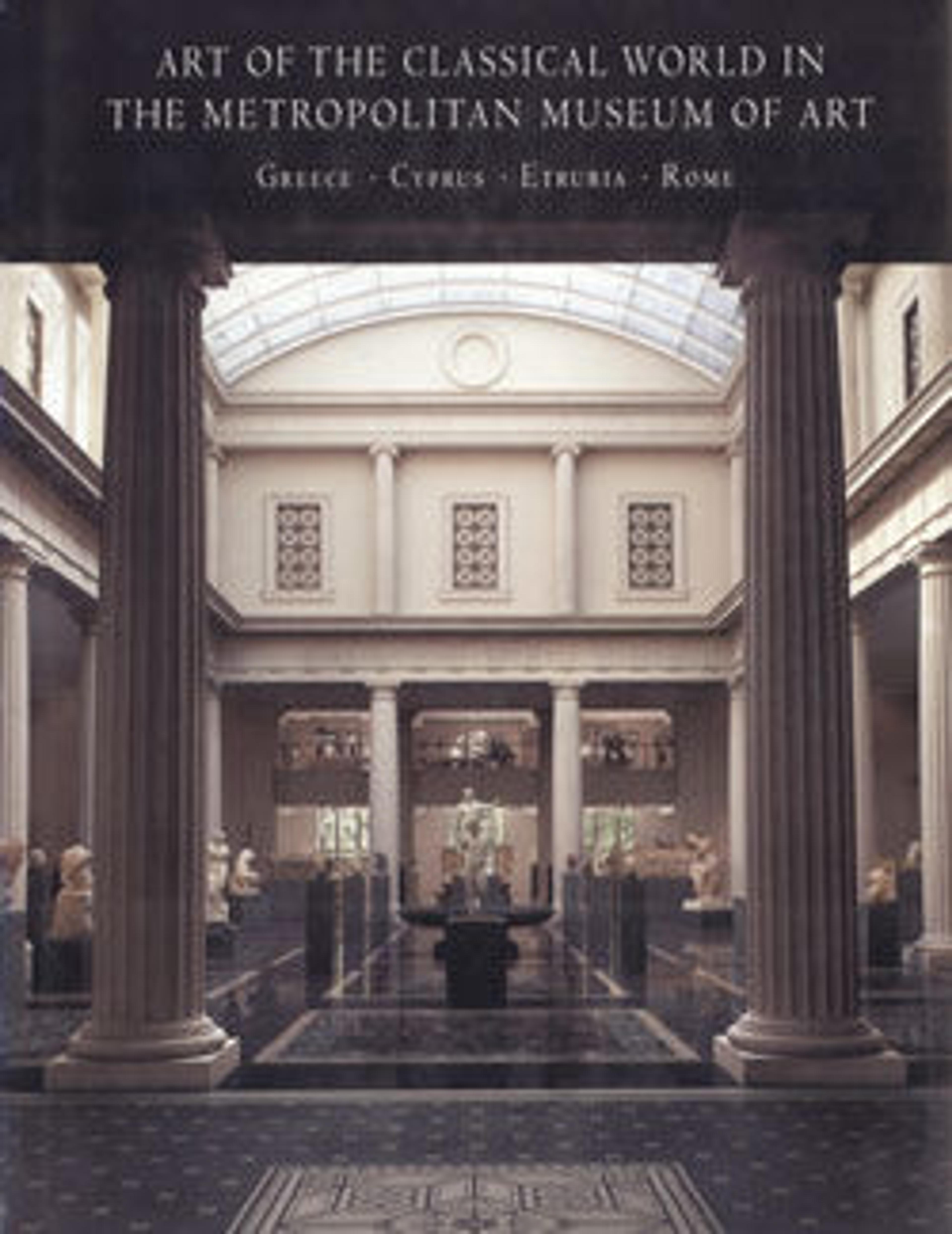 In 1870, the year of its founding, The Metropolitan Museum of Art acquired its first work of art, a Roman sarcophagus from about 200–225 A.D. Since that beginning, the Museum's Department of Greek and Roman Art has built a vast and rich collection that totals over seventeen thousand objects representing the ancient civilizations of Greece, Cyprus, Etruria, and Rome. This luxuriously illustrated volume features over five hundred outstanding examples of those works—ranging from coins, gems, jewelry, and vases to wall paintings, bronzes, and marble sculpture. In his Foreword to this book, Philippe de Montebello has written: "The publication of this elegant volume celebrates the fulfillment of a major goal—the inauguration of the entire suite of galleries for Greek and Roman art, completed in Spring 2007 after almost fifteen years of reinstallation. This eagerly awaited event is of great significance in the history of the Department of Greek and Roman Art and, indeed, in the entire history of the Metropolitan Museum." In an informative essay, Carlos A. Picón, curator in charge, tells the history of the Department of Greek and Roman Art, including the contributions of donors, directors, curators, and many others. The text is accompanied by wonderful vintage photographs that document the galleries as they appeared in the early to mid-twentieth century and help capture the ambiance of years gone by. The seven sections that follow reflect the depth and breadth of the collection. Each one opens with a photograph of the appropriate gallery installation as it appeared after the 2007 reinstallation and a short introductory text that provides background information and context about the period and its art. Among the diverse objects in the first section, "Art of the Neolithic and the Aegean Bronze Age," are a beautiful marble Cycladic seated harp player and a Mycenaean chariot krater. "Art of Geometric and Archaic Greece" features the statue of a Kouros, the most important Archaic Greek sculpture in America. "Art of Classical Greece" presents a selection of important Attic red-figure vases and marble grave stelai. "Art of the Hellenistic Age" includes the large column from the Temple of Artemis at Sardis and a magnificent pair of gold armbands. "Art of Cyprus" shows examples from the collection of General Luigi Palma di Cesnola, purchased by the Metropolitan in 1874 and 1876. Cesnola was the first director of the Museum until 1994. "Art of Etruria" exemplifies the fine collection of varied objects, the highlight being the intricate and well-preserved bronze and ivory chariot from the sixth century B.C. The last section, "Art of the Roman Empire," features wall paintings from two Roman villas, Boscoreale and Boscotrecase, that were buried by the eruption of Mount Vesuvius in A.D. 79, unique examples of luxury Roman glassware, and the Museum's collection of impressive marble sarcophagi. A list comparing the major divinities of Greece, Etruria, and Rome; a concordance; and an index of works of art complete this handsome and enlightening publication. The authors include five members of the Metropolitan's Department of Greek and Roman Art: Carlos A. Picón, curator in charge; Joan R. Mertens, curator; and Seán Hemingway, Christopher S. Lightfoot, and Elizabeth J. Milleker, associate curators. Richard De Puma, F. Wendell Miller Distinguished Professor Emeritus, School of Art and Art History, University of Iowa, has contributed in the area of Etruscan art.Download PDFFree to download
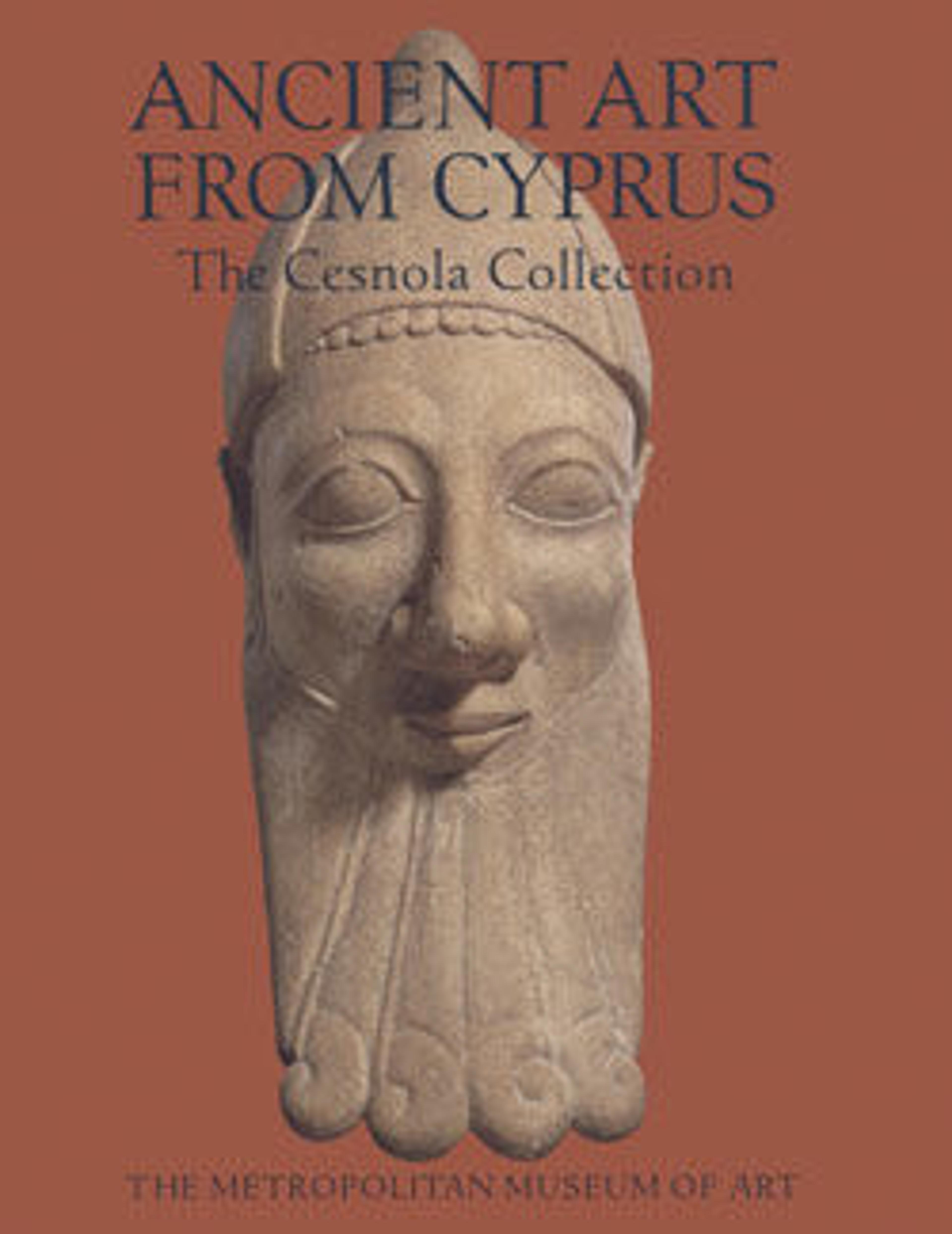 The Cesnola Collection in The Metropolitan Museum of Art is the richest and most varied representation, outside Cyprus, of Cypriot antiquities. These works were purchased by the newly established Museum in the mid-1870s from General Luigi Palma di Cesnola, a Civil War cavalry officer who had amassed the objects while serving as the American consul on Cyprus. The Cesnola Collection was the earliest acquisition of Mediterranean antiquities by the Museum and constituted its primary display of archaeological material. In 1879 Cesnola became the Museum's first director, a position that he held until his death in 1904. This splendid catalogue is published on the occasion of the opening of the Museum's four permanent galleries for ancient art from Cyprus. It is also the first scholarly publication since 1914 devoted to the Cesnola Collection (which totals approximately six thousand objects). The volume features some five hundred pieces from the collection, illustrated in superb new color photography. Dating from about 2500 B.C. to about A.D. 300, these works rank among the finest examples of Cypriot art from the prehistoric, Geometric, Archaic, Classical, Hellenistic, and Roman periods. Among the objects are monumental sculpture; weapons, tools, and domestic utensils; vases, lamps, and ritual paraphernalia; dedicatory figurines; engraved sealstones and jewelry; and luxury objects. They represent every major medium worked in antiquity—stone, copper-based metal, clay, faience, glass, gold and silver, ivory, and semiprecious stones. These pieces testify to the quintessentially Cypriot amalgam of indigenous traditions and elements assimilated from the ancient Assyrians, Egyptians, Persians, Greeks, and Romans who, one after the other, controlled the island. Special emphasis is placed on the Metropolitan Museum's collection of Cypriot limestone sculpture, which includes impressive sarcophagi from Golgoi and Amathus and is the finest in the world.Download PDFFree to download
 Download PDFFree to download
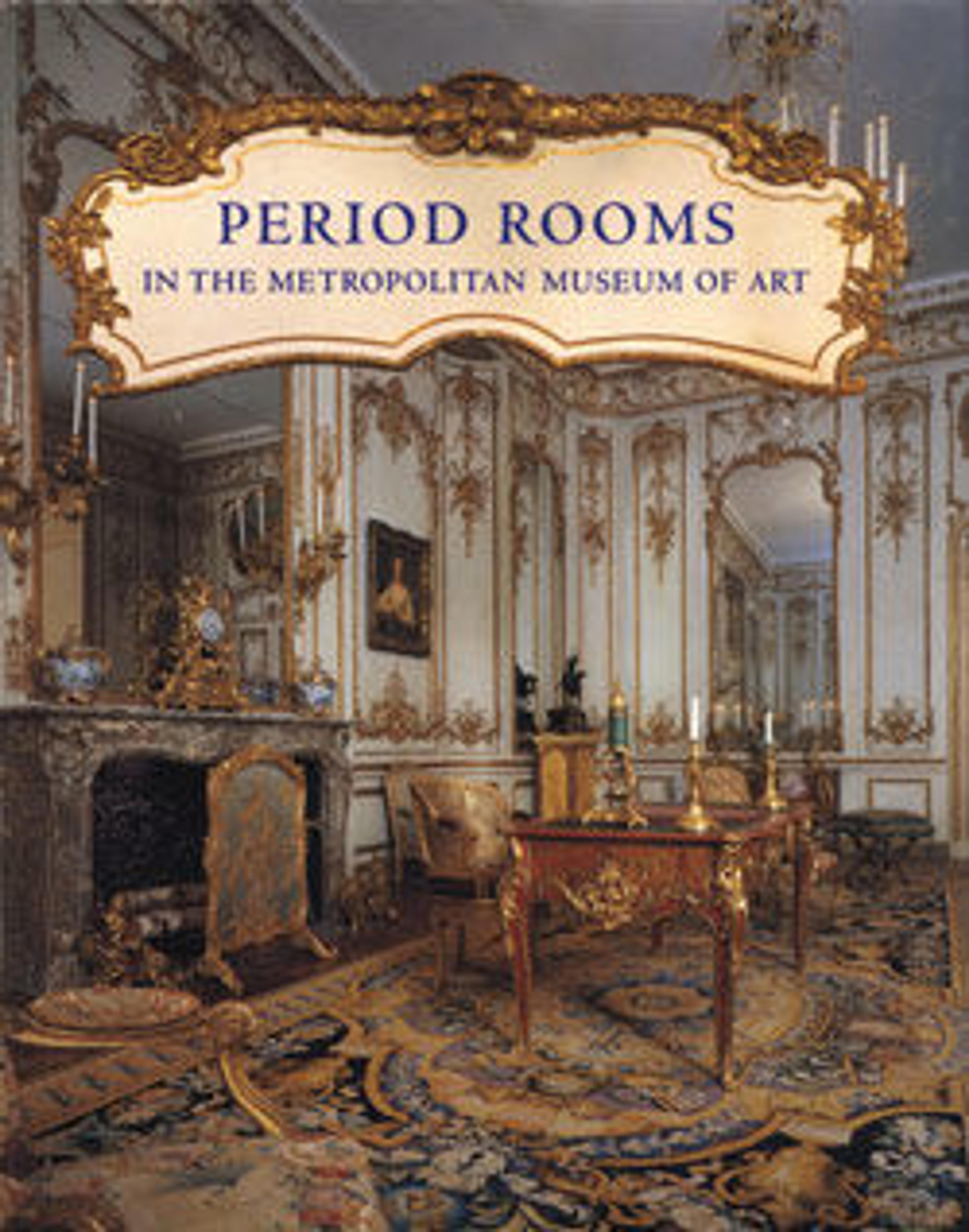 Superb examples of interior design through the ages are on view in the period rooms at The Metropolitan Museum of Art, New York. From an ancient Roman bedroom excavated near Pompeii to a Louis XVI grand salon from eighteenth-century Paris to the Frank Lloyd Wright Room in the American Wing, these popular exhibition galleries can now be seen for the first time in book form. Thirty-four spectacular installations—some actual rooms taken from historic buildings and some recreations intended to show related works of decorative art in an authentic setting—offer a beautifully photographed grand tour through the history of interiors. From a twelfth-century cloister from the Pyrenees to eighteenth-century French and English parlors and boudoirs to Colonial and early nineteenth-century American dining rooms and libraries, the Metropolitan's collection of period rooms offers a wealth of fine furniture and decorative elements. An introduction by Museum director Philippe de Montebello explains the concept of period rooms at the Museum and how they have been developed, installed, and furnished over the past hundred years. Then, each room is depicted both in color photographs taken especially for this book and in lively narrative descriptions that include fascinating information about the original room from which the Museum's example is derived, the individuals who commissioned and carried out the decoration, and the era that the room represents. Supplementing the stunning photographs of the rooms are historical photographs and engravings and close-up shots of selected ornaments and pieces of furniture, enabling the reader to see details that are often inaccessible to Museum visitors.Download PDFFree to download