MetPublications
Showing 1–10 results of 19
Sort by:
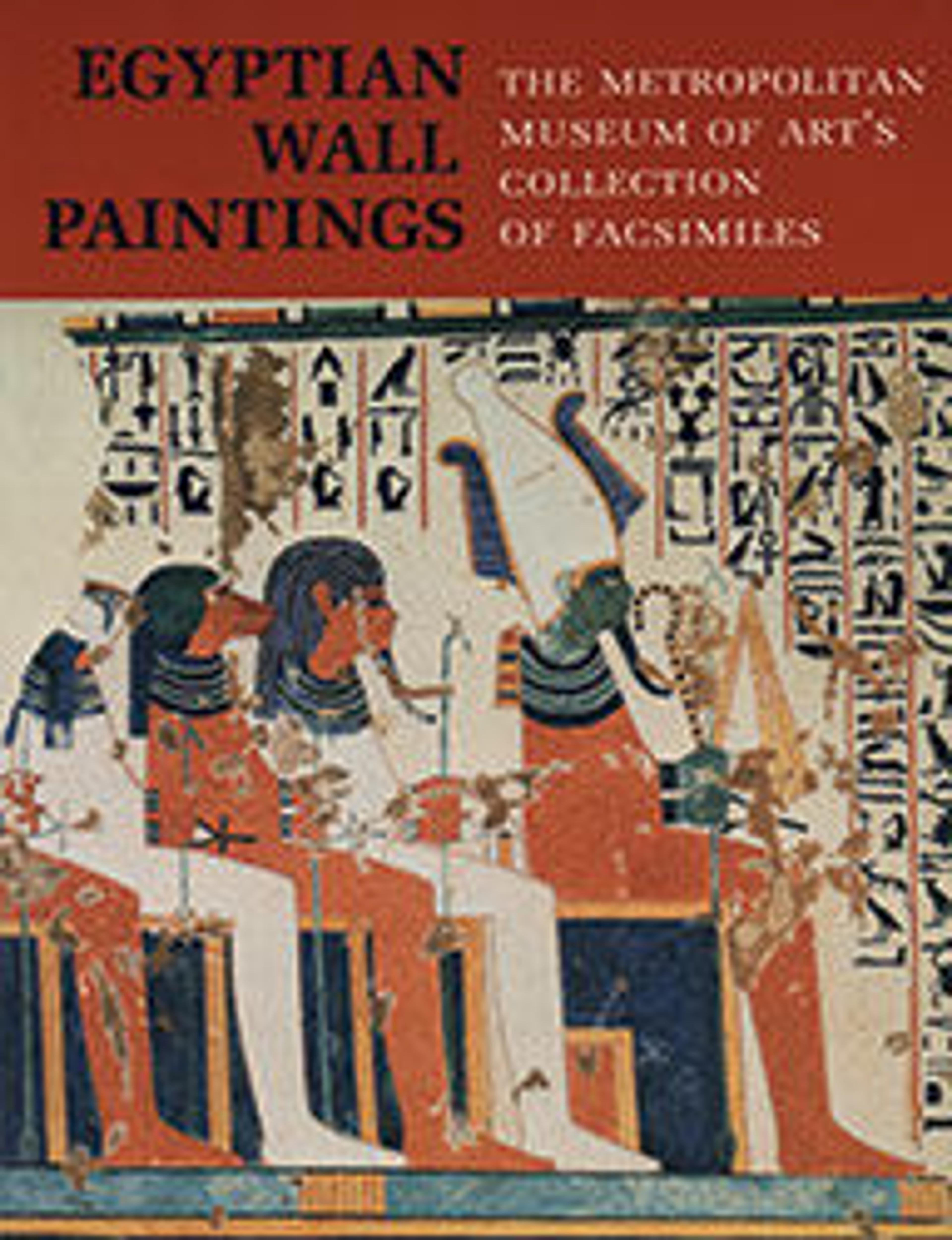 In 1959 the Metropolitan Museum's Department of Egyptian Art began a reinstallation of its collection. At that time the objectives envisioned were modest: a simple rearrangement for chronological consistency; additional lighting; and a few architectural changes. The project changed with curators and directors, however, and the effort now planned for completion in 1983 is a far-reaching one. All objects in the collection are to be displayed, either in primary or secondary galleries; consequently a review of the condition of each work and a reassessment of its dating and importance were undertaken. Under this program the department's extensive collection of facsimiles of wall decoration, principally produced by the Graphic Section of the Museum's Egyptian Expedition between 1907 and 1937 and supported by the Rogers Fund, received new attention. About half of the facsimiles were exhibited in 1930, accompanied by a small catalogue by Ambrose Lansing, then Associate Curator in the Department of Egyptian Art, and selected examples appeared in the old galleries. In 1976, with the opening of Phase I of the complete reinstallation, virtually all the pictures were placed on exhibition. The department has always been cautious about collecting original paintings, as they generally occur in standing monuments. It undertook the facsimile project not only to illustrate "the history of draughtsmanship and painting," as Norman de Garis Davies, head of the Graphic Section, said, but also to acquire aids to understanding and appreciating actual objects in the collection. Today, the facsimiles are valuable records because monuments in Egypt are continually destroyed.Download PDFFree to download
 Download PDFFree to download
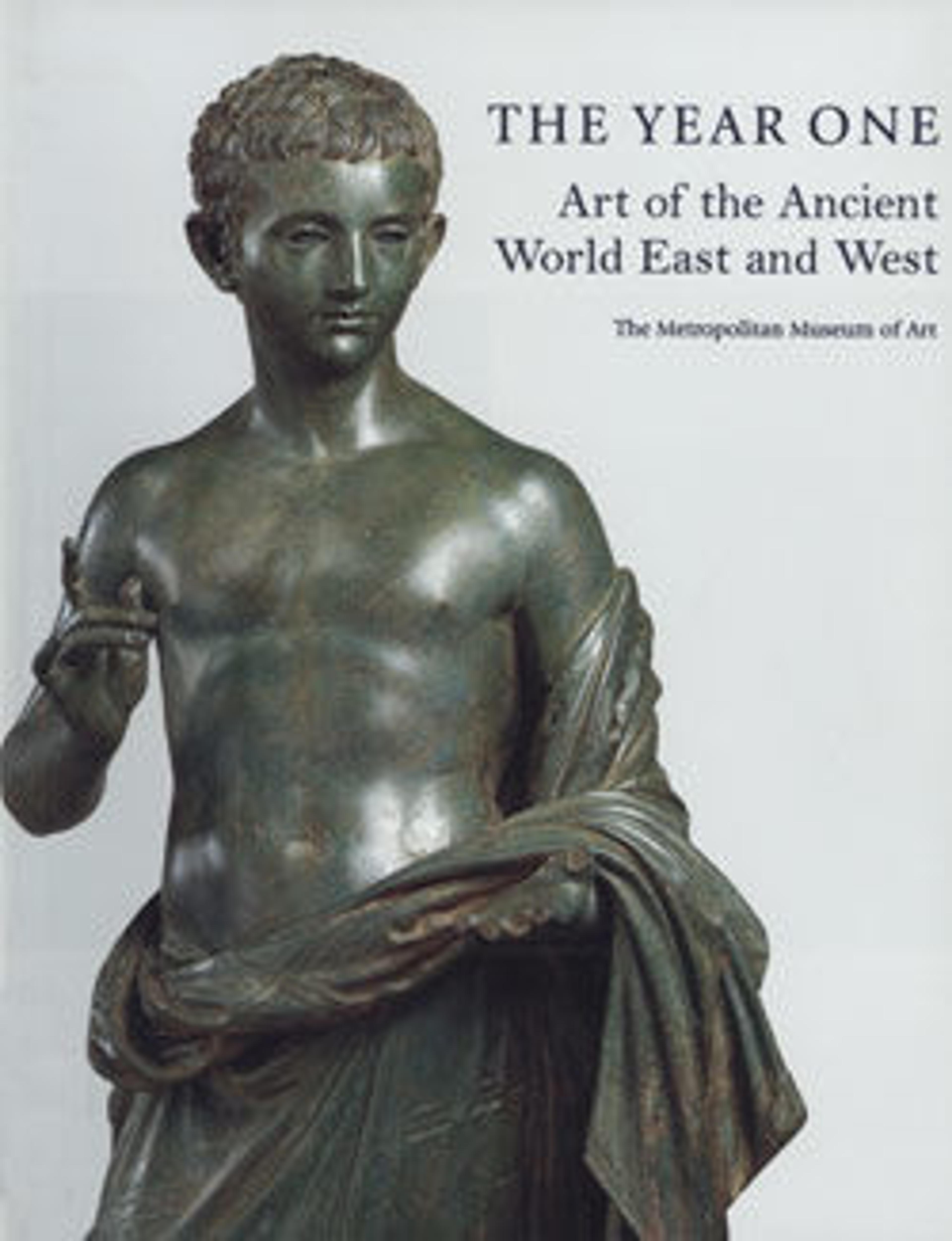 Two thousand years ago, artworks of astonishing variety were being created in far-flung regions of the world. Although some of the cultures flourishing in the Year One, such as that of Rome, are well known, others may be less familiar. In Europe, Celtic peoples excelled in intricate metalwork, and in Egypt a fascinating hybrid combining Greco-Roman and age-old Egyptian styles predominated. East of the Mediterranean, such wealthy centers of trade as Palmyra, Petra, the kingdoms of southern Arabia, and the mighty Parthian Empire produced a wide range of sculpture, ceramics, and precious objects that served both religious and luxury purposes as well as everyday uses. Continuing eastward from Parthia to what is now Afghanistan, Pakistan, and northern India, a traveler in the Year One would have discovered the eclectic arts of the Kushan Empire, where a distinctive early Buddhist art sometimes incorporated influences from Greece and Rome. In East Asia, China's great empire under the Han dynasty was home to sophisticated arts in every medium; semi-nomadic peoples in northern China made metalwork ornaments, often to adorn the gear for their horses; and characteristic arts had begun to develop in Korea and Japan. The elegant bronzework produced in Southeast Asia testifies to a fertile artistic interchange in that region. Finally, in cultures across the Pacific Ocean in South America and Mesoamerica, powerful and expressive objects were made of stone, ceramic, and gold. More than 150 works of art that exemplify all these societies at the Year One are illustrated in color and fully explained in this volume. Historical summaries accompanied by maps briefly describe the nature of each culture and the flow of power and peoples during the period centering around the Year One. An introductory essay offers both an overview and an account of the startling degree to which the ancient world was an interconnected one, crisscrossed by intrepid traders and adventurers who journeyed both east and west to bring back coveted goods and tantalizing scraps of information about exotic lands. The works of art included here are almost all in the collections of The Metropolitan Museum of Art in New York; the book's authors are members of the museum's curatorial staff representing seven different departments. The catalogue is published to accompany the exhibition "The Year One: Art of the Ancient World East and West," held at The Metropolitan Museum of Art, New York, from October 3, 2000, to January 14, 2001.Download PDFFree to download
 Download PDFFree to download
 Download PDFFree to download
 Download PDFFree to download
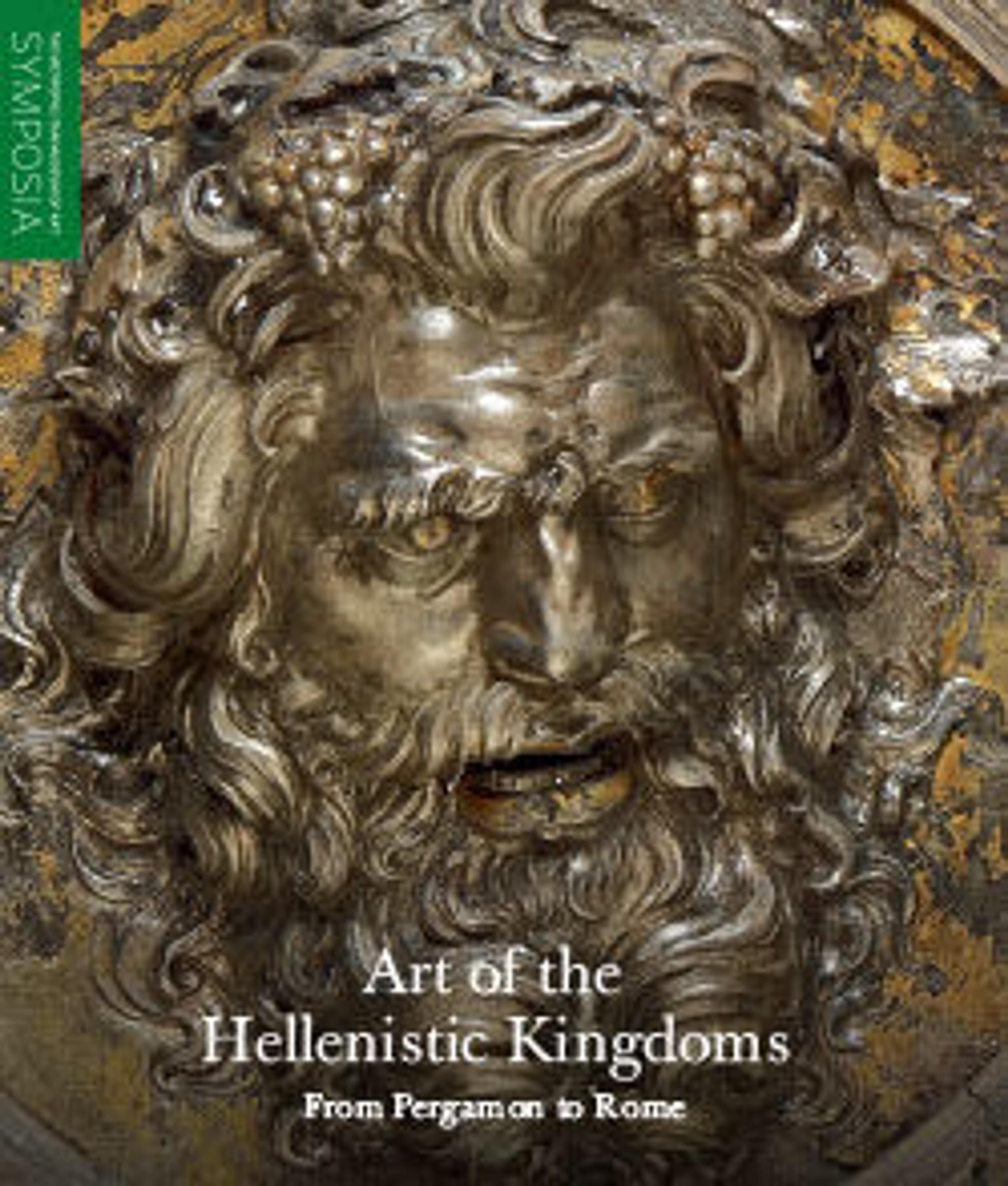 This handsome newly designed addition to The Metropolitan Museum of Art’s symposia series furthers the study of one of the most influential but less known periods of Greek art and culture. It is based on papers given at a two-day scholarly symposium held in conjunction with the award-winning exhibition “Pergamon and the Hellenistic Kingdoms of the Ancient World,” on view at the Metropolitan in 2016. The twenty diverse essays exemplify the international scope of the Hellenistic arts, which cover the three centuries between the death of Alexander the Great in 323 B.C. and the suicide of Cleopatra in 30 B.C. Subjects range from twenty-first century approaches to museum displays of archaeological material to the circulation of artists and works of art throughout the Mediterranean and the influence of Hellenistic art and its legacy in the ancient Roman world. Among the topics discussed are aspects of royal self-presentation and important elements of iconography and style in coins, gems, mosaics, sculpture, vessels, and wall paintings, in mediums including bronze, faience, glass, marble, silver, and terracotta. Authored by a number of internationally renowned scholars, the essays in this volume highlight the holdings of the Metropolitan and markedly demonstrate the artistic innovations and technical mastery of Hellenistic artists, offering new insights into the vitality and complexity of Hellenistic art.Download PDFFree to download
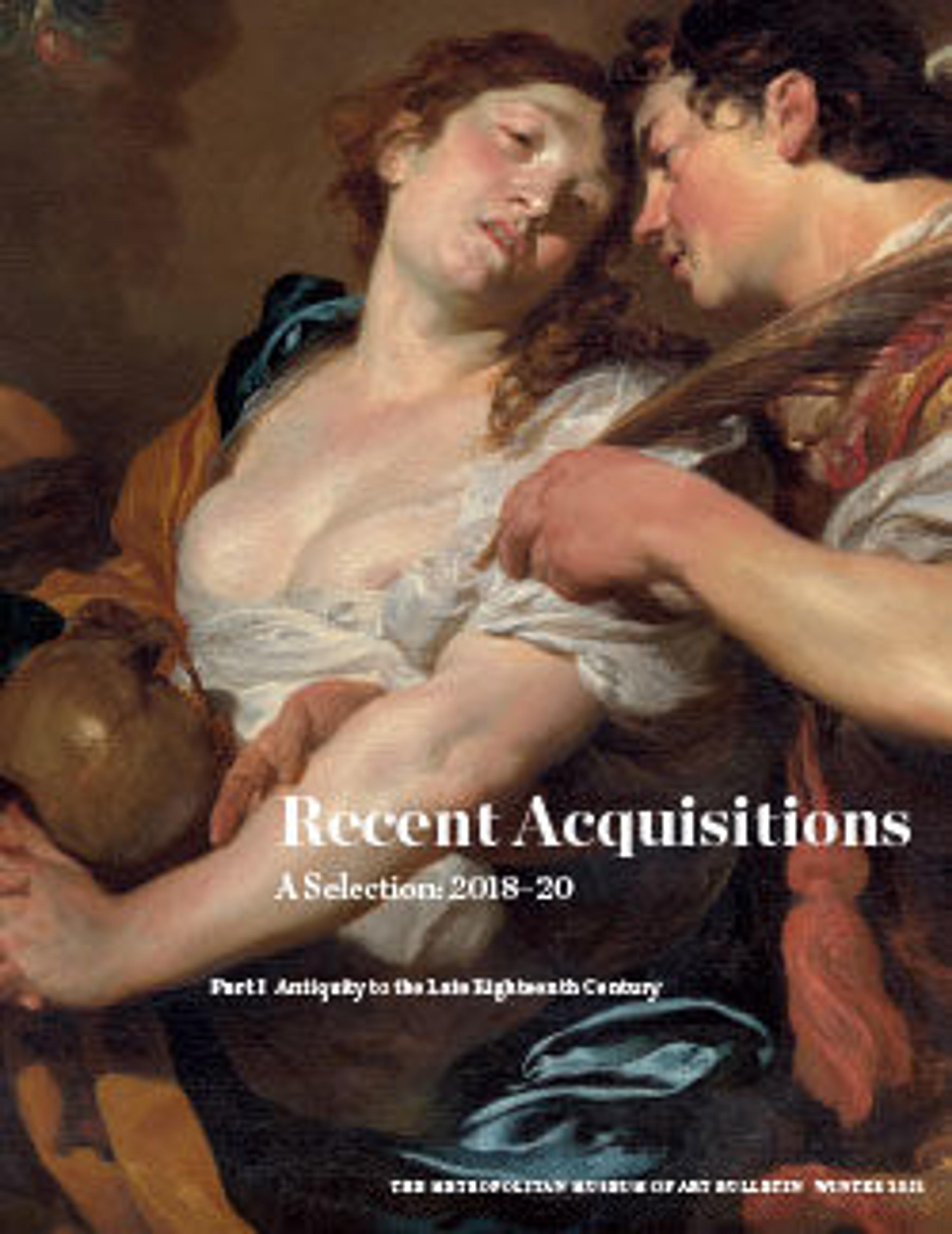 The first of a special two-part edition of Recent Acquisitions, this Bulletin celebrates works acquired by the Museum in 2019 and 2020, many of which were gifts bestowed in honor of the Museum’s 150th anniversary year. Highlights of this volume include a sumptuous set of handscrolls depicting The Tale of Genji, a second-century Roman wellhead, a drawing of a landscape by French artist Claude Lorrain, and nearly one hundred Indian paintings. This publication also honors the many generous contributions from donors that make possible the continued growth of The Met's collection.Download PDFFree to download
 Download PDFFree to download
 Download PDFFree to download