MetPublications
Showing 1–10 results of 24
Sort by:
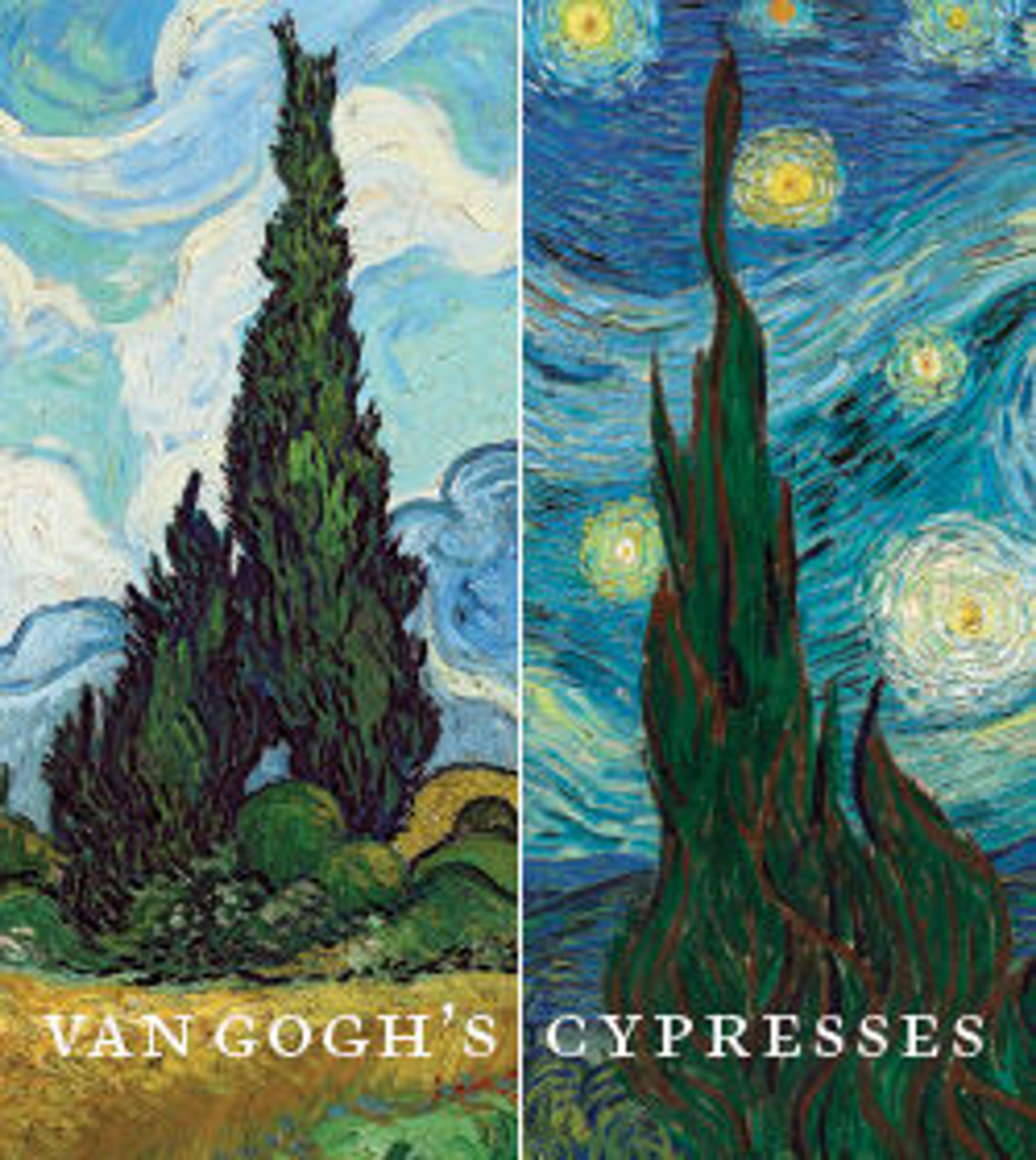 Vincent van Gogh (1853–1890) immortalized the cypress tree in signature images that have become synonymous with his fiercely original power of expression. This richly illustrated publication illuminates the backstory of his invention for the first time, from his initial investigations of the motif in benchmark drawings from Arles to his realization of their full evocative potential in such iconic canvases as The Starry Night and Wheat Field with Cypresses, painted at the asylum in Saint-Rémy. Susan Alyson Stein retraces the Dutch artist’s inspired response to the flamelike evergreens as they gained ground in his works and artistic thinking over the course of his sojourn in the South of France. The volume provides further insight into Van Gogh’s creative process through a technical study focused on two celebrated works from the artist’s epic painting campaign of June 1889. The visual and literary heritage of the cypresses is featured in a compilation of images and excerpts from nineteenth-century poetry, novels, and travel writing—many translated into English for the first time.
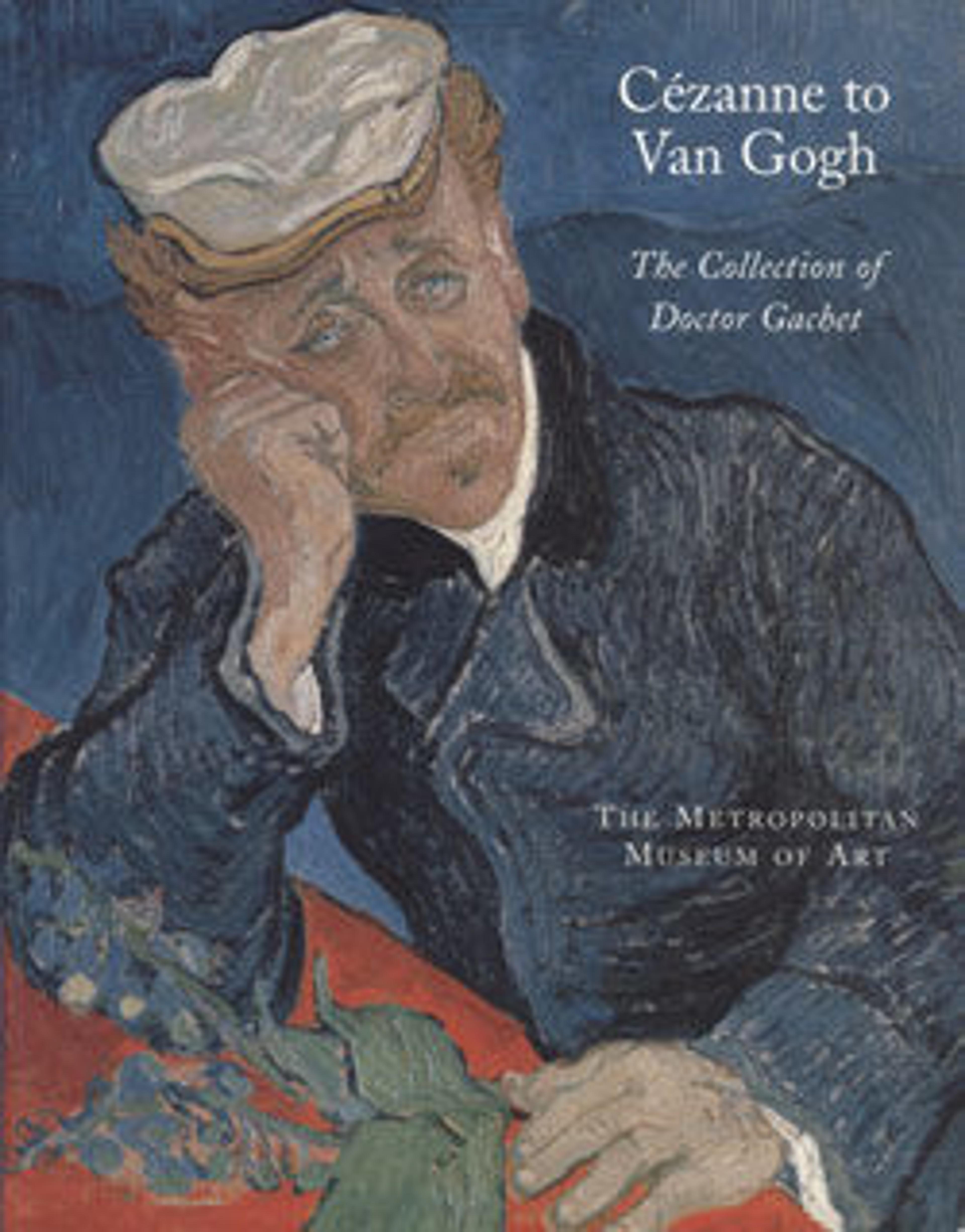 "Cézanne to Van Gogh: The Collection of Doctor Gachet" was originally conceived as a Musée d'Orsay "dossier" exhibition organized around the Gachet family's gift to the French state and intended to acquaint the public with the personality of Dr. Gachet. It took a different turn, however, when two of the museum's long-standing partners, The Metropolitan Museum of Art in New York and the Van Gogh Museum in Amsterdam, decided to participate in the project and thus give it international exposure. Since, with the exhibition of the two famous portraits by Van Gogh that were included in the centennial retrospective held in Amsterdam in 1990, virtually none of the works in the Gachet donation have ever before left France, this exhibition is not only an exciting event but also one of the unquestionable importance. A fascinating and multisided individual, Paul-Ferdinand Gachet (1828–1909) was a homeopathic physician, an amateur printmaker and painter, and the friend and patron of a cluster of Impressionist and Post-Impressionist artists—including Cézanne, Pissarro, Guillaumin, Monet, Renoir, and Van Gogh—whose talents he was among the first to recognize. The exhibition presents major examples of the artists' work; it also features copies made after them at the turn of the century by Dr. Gachet, by his son, and by other amateurs in their circle, as well as a trove of "souvenirs" (artist's palettes and still-life and household objects) that record Gachet's close relationships with pioneering nineteenth-century painters. This occasion also highlights the role of Paul Gachet fils (1873–1962), the doctor's son and namesake, who preserved his father's legacy by acting as biographer, as cataloguer and jealous guardian of the legendary collection, and, between 1949 and 1954, as munificent donor to the French state. At that time he expressed the desire, which was fully supported by the curators, to restrict loans to temporary exhibitions. However, he made it clear that those now responsible for the works would by free to judge if and when the merits of an exhibition warranted lending them. A half-century after the first gift in 1949 seems the right moment to pay homage both to Dr. Gachet and to the artists he loved.Download PDFFree to download
 Download PDFFree to download
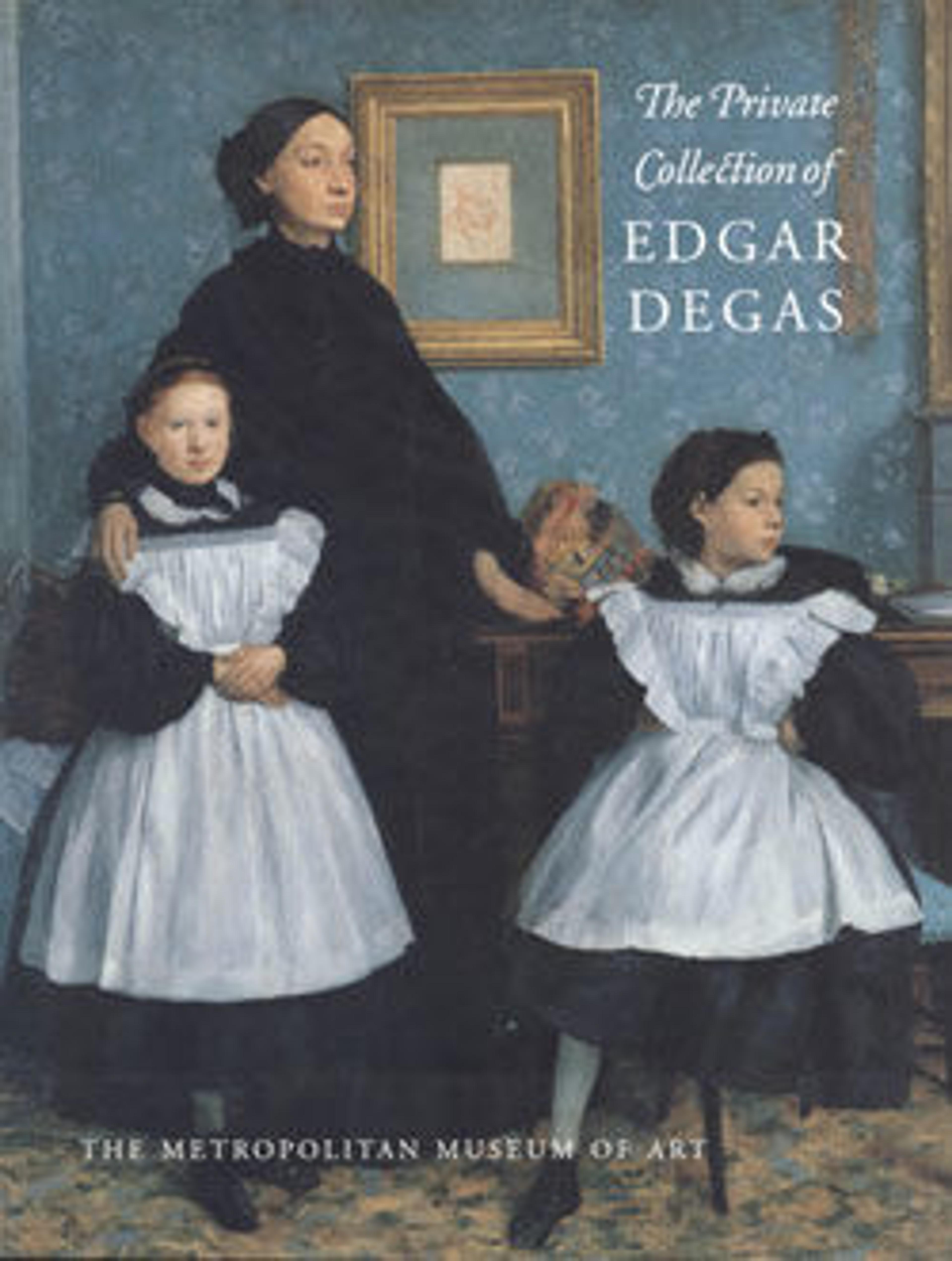 When Edgar Degas died in 1917, his enormous art collection, consisting of several thousand paintings, drawings, and prints, came to light. This remarkable assemblage included great numbers of works by the French nineteenth-century masters whom Degas revered—Delacroix, Ingres, and Daumier—and at the same time demonstrated Degas's profound interest in the art of certain of his contemporaries, particularly Manet, Cézanne, Gauguin, and Mary Cassatt. Dispersed when it was sold at auction in 1918 during the bombardment of Paris, the collection is now the subject of both an illuminating exhibition and this accompanying catalogue. In a series of essays, some previously published and some written for this book, major scholars discuss, from various perspectives, Degas's collection and its relation to his own art. Ann Dumas vividly describes Degas's passionate appreciation and compulsive acquisition of works of art, his musings about founding a museum, and the nineteenth-century world of art collecting in which he moved. Gary Tinterow reveals the staggering quantity and quality of his own works that Degas kept until his death—not the ballet dancers of his middle years, but stunning early portraits and mysterious narrative paintings, boldly composed late works that explode with color, and examples of his consummate draftsmanship. Degas's own artistic thinking was significantly influenced by the artists he admired, and this subject is explored by several authors. Theodore Reff's classic essay on Ingres, Delacroix, and Daumier demonstrates the complex ways Degas comprehended the genius of each master and in some way made it his own. Degas's personal and artistic relationship with Manet is investigated by Mari Kálmán Meller and Juliet Wilson-Bareau, and his protective encouragement of Gauguin is described by Françoise Cachin. Richard Kendall points out the intriguing parallels and divergences between Degas's and Cézanne's artistic achievements. The history of a printmaking endeavor in which Degas collaborated with Mary Cassatt and other artists is presented by Barbara Stern Shapiro. Colta Ives explicates how Degas assimilated the lessons he derived from Japanese prints. The dramatic revelation and then the auctioning off of Degas's collection constitute still another story. Caroline Durand-Ruel Godfroy conveys a sense of the frantic behind-the-scenes activity at the Durand-Ruel gallery, which inventoried the collection and managed its sale. Susan Alyson Stein narrates the chain of events by which the Metropolitan Museum, despite wartime difficulties, ultimately succeeded in acquiring masterworks from Degas's collection and studio. Rebecca A. Rabinow describes the animated press coverage of the sales on both sides of the Atlantic and provides a compilation of the actual writings. A second, companion volume is an illustrated summary catalogue of the entire collection. Richly illustrated with hundreds of works from Degas's collection, this comprehensive study of a great artist's artistic passions is a book of exceptional interest.Download PDFFree to download
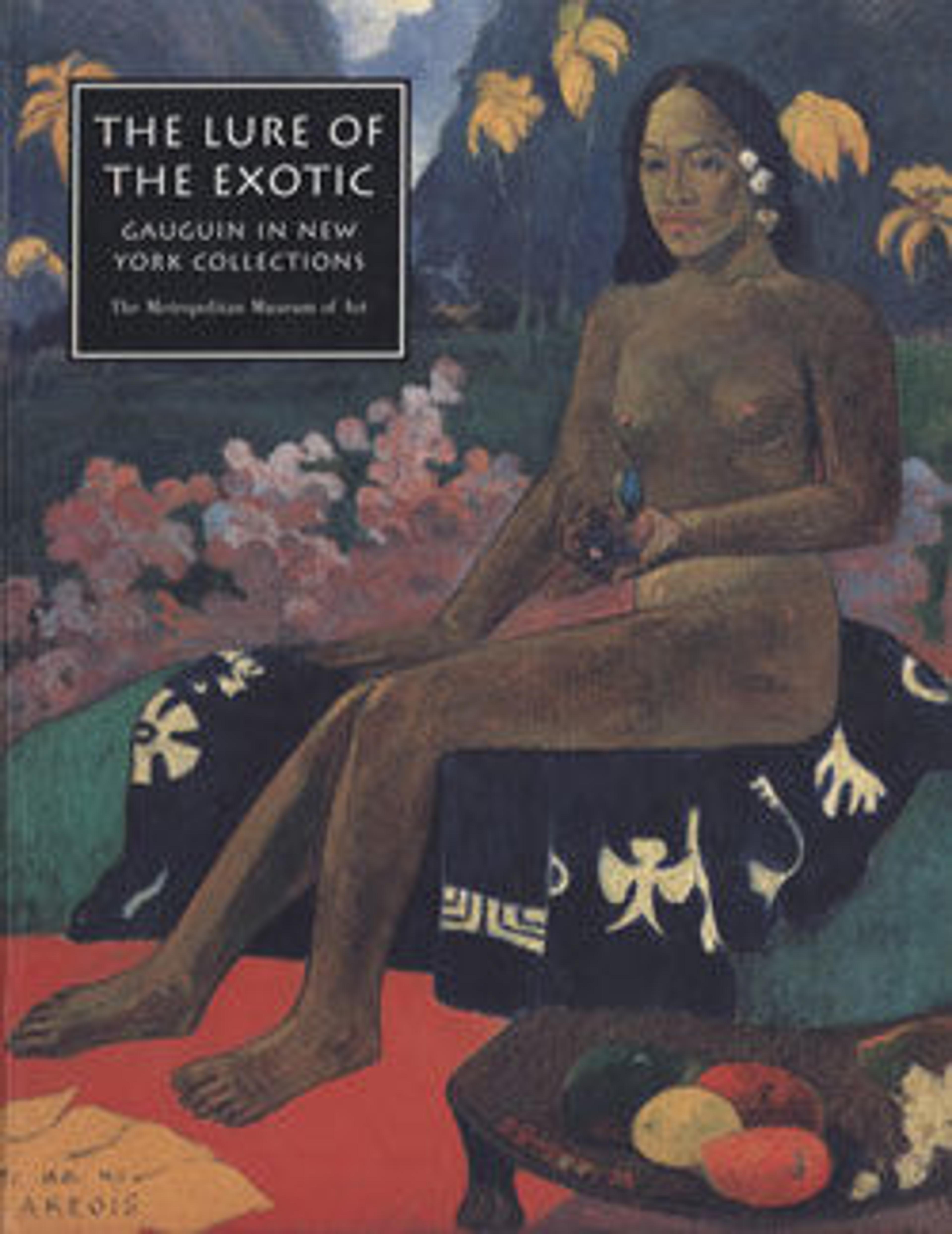 The legendary, pioneering French artist who famously left his family and a career in finance to paint and live like a native in the South Seas, Paul Gauguin in fact began sailing to far-off lands during childhood. As a boy he lived for a time with relatives in Peru, and in his teens, in the merchant marine and the military, he visited South America, India, the Mediterranean, the Black Sea, and the North Sea. He believed firmly in his difference, often referring to himself as a "savage," and once he discovered his passion for art he had to create forms that were original and unique. "What does it matter that I set myself apart from other people? For most I shall be an enigma, but for a few I shall be a poet ...," he wrote. Thus Gauguin traveled widely, seeking inspiration for a radical new artistic vision. He tried Brittany, where he worked together with a group of followers. There Gauguin discovered a wellspring of his art: an intense desire to capture the soul of a naive culture. In France he also went to Provence, painting briefly in the company of Van Gogh. He moved farther and farther afield, to Panama and Martinique, settling at last in Tahiti. Finally he found his resting place in the distant Marquesas Islands. In these exotic ports if call Gauguin liberated his art from the here and now, creating a subjective reality of imagination and dreams in vividly colored, highly abstract paintings depicting native life an din rough ceramic sculptures and carved reliefs. "He's in another world," remarked the Impressionist painter Camille Pissarro. This volume accompanies a major exhibition of Gauguin's work in New York collections held at The Metropolitan Museum of Art, New York. Surprisingly, the first major show devoted to Gauguin in New York since the Metropolitan Museum presented a retrospective of his work in 1959, it anticipates the centennial of the artist's death in 1903 and signals the ninetieth anniversary of his debut in New York collections. Four authors from the Metropolitan Museum illuminate aspects of the subject in their texts. Colta Ives, curator in the Department of Drawings and Prints, explores the development of Gauguin's art in the context of his travels. Susan Alyson Stein, associate curator, Department of European Paintings, discusses the history of the collecting and exhibiting of the artist's work in New York. Conservator Charlotte Hale treats the technical examination of his paintings and the light it sheds on issues of authenticity. And conservator Marjorie Shelley writes about the materials and techniques Gauguin employed in his works on paper. In addition, many revealing excerpts from Gauguin's letters and other writings—he was a prose stylist of distinction—are included. All works in the exhibition, as well as rich comparative material, are reproduced. Notes, a bibliography, a checklist of works in the exhibition, and an index are supplied.Download PDFFree to download
 Download PDFFree to download
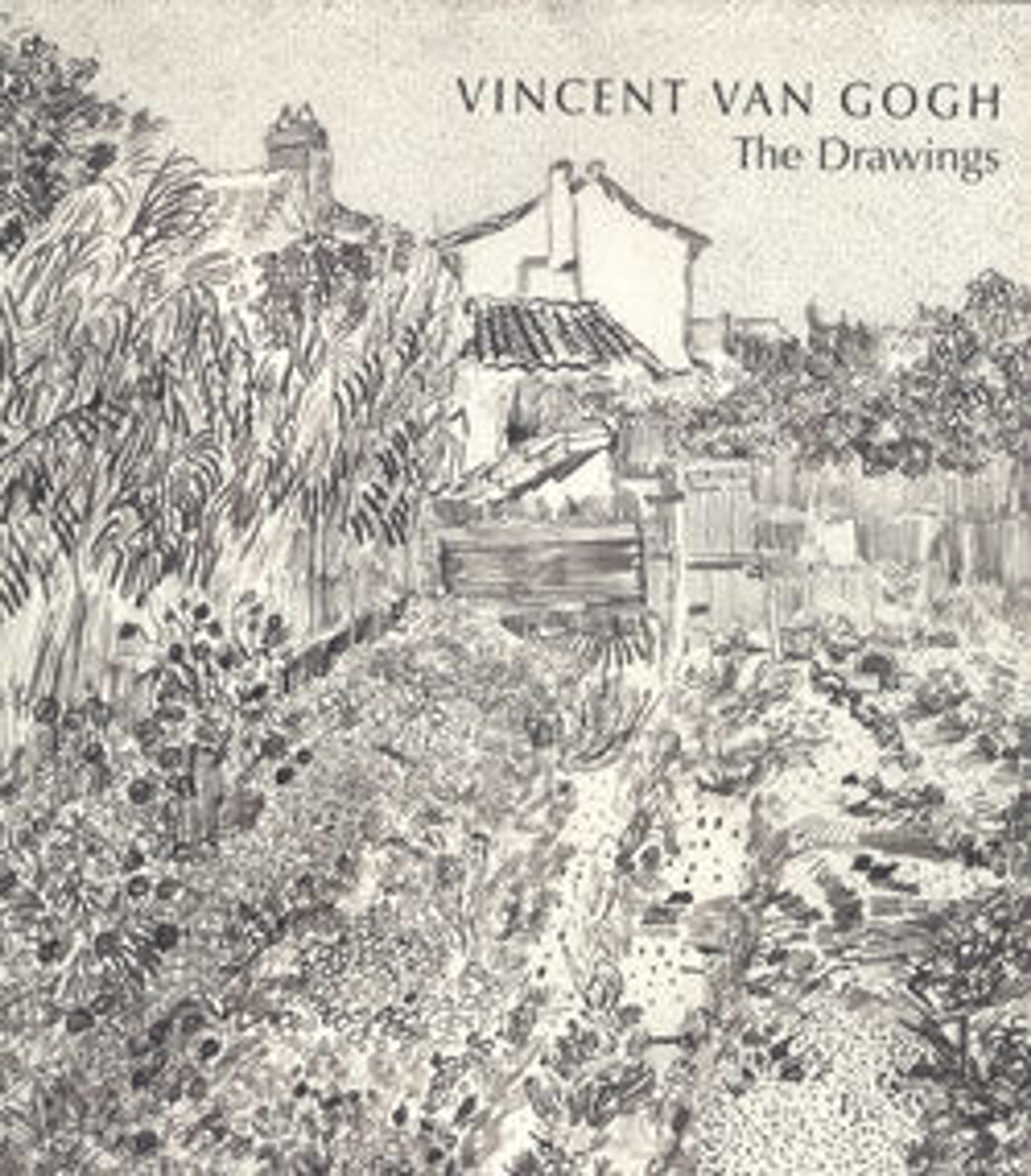 Vincent van Gogh (Dutch, 1853–1890) believed that drawing was "the root of everything." A self-taught artist, he succeeded, between 1881 and 1890, in developing an inimitable graphic style. This book traces the artist's successive triumphs as a draftsman, first in the Netherlands and later in France, highlighting the diversity of his technical invention and the striking continuity of his vision. Given the pivotal role drawings played in Van Gogh's artistic conception and the rich dialectic they enjoyed with his oil paintings, a small selection of related canvases by the artist is also featured. This book presents approximately 120 works in charcoal, ink, graphite, watercolor, and diluted oils. The authors explore enduring questions that surround Van Gogh's drawings, including their manufacture, artistic precedents, and contribution to Modernism. In addition, the text discusses the significance of the artist's drawing practice to his development as a painter. The essays and entries feature the most current research on Van Gogh's drawings and provide fresh interpretations of the motivating influences that shaped the artist's contributions to the history of drawing.Download PDFFree to download
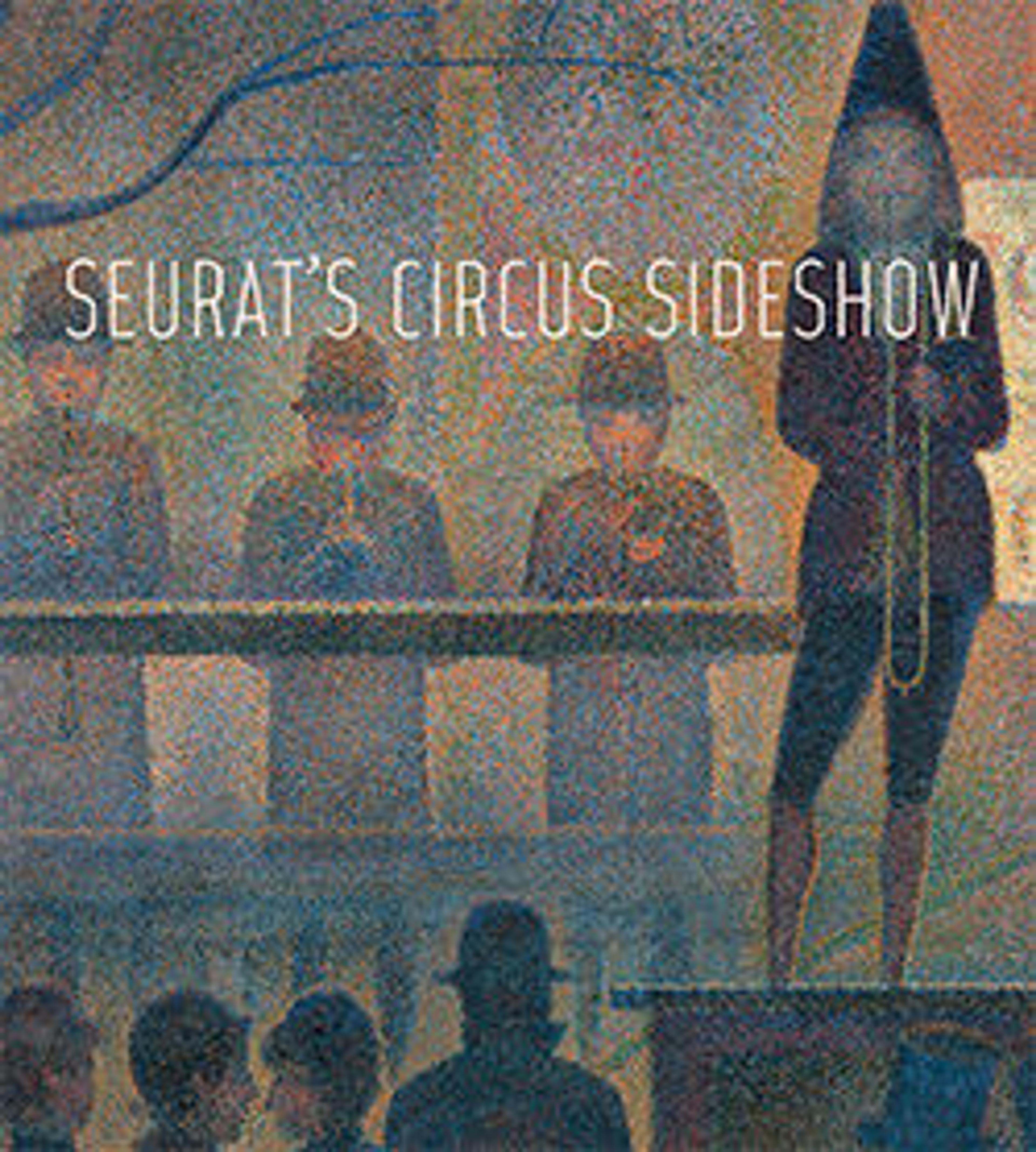 This first comprehensive study of *Circus Sideshow* situates the painting in the context of the social changes of nineteenth-century Paris.Download PDFFree to download
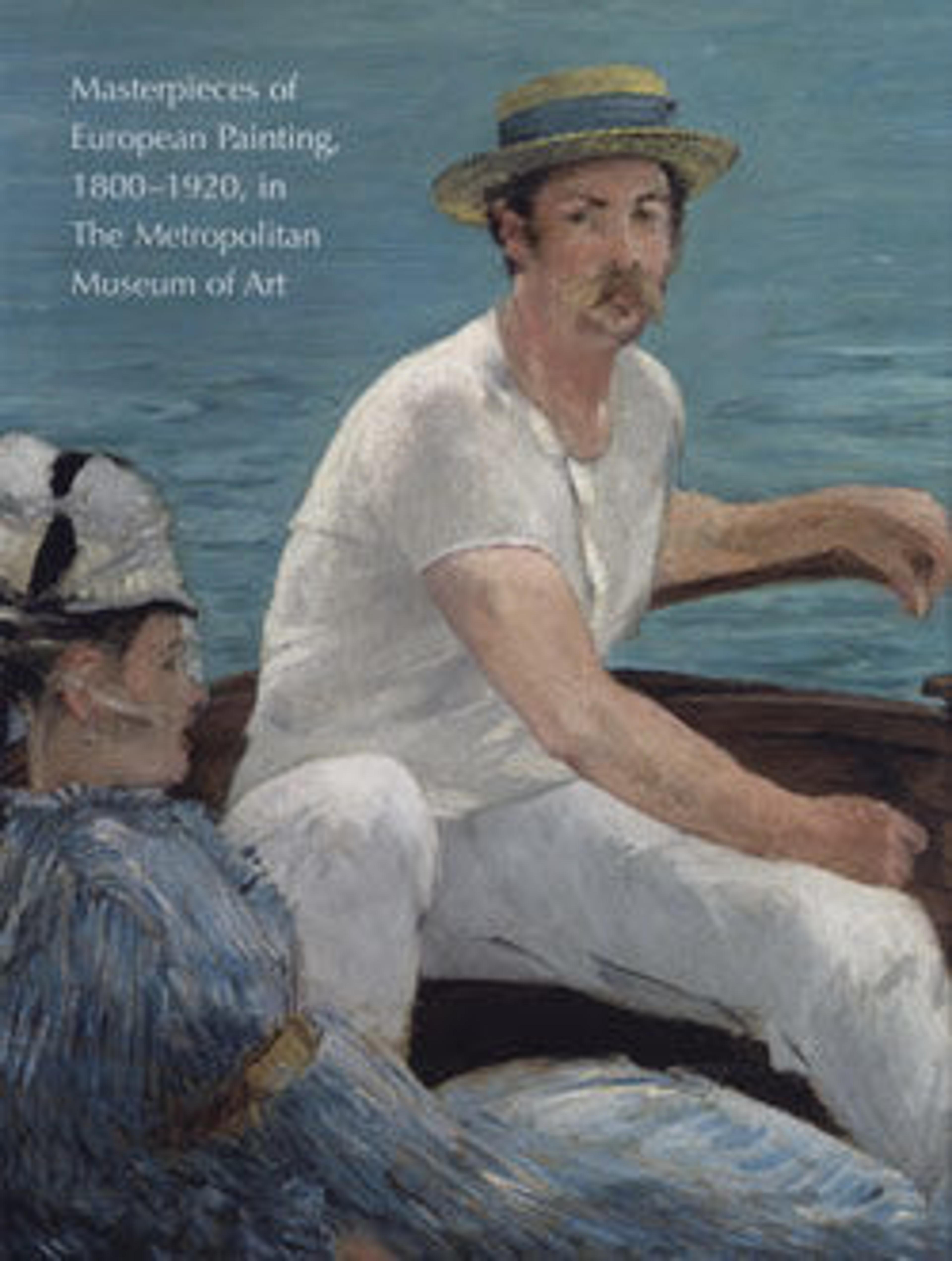 This lavishly illustrated volume features a broad selection of the Metropolitan Museum's greatest European paintings dating from 1800–1920. Pictures by sixty-seven artists from nine different countries are included, but the focus is on Impressionist and Post-Impressionist French painting, of which the Museum possesses the most comprehensive collection outside of France. Portraits by Ingres, landscapes by Corot, powerful examples in both these genres by the Realist Courbet, and pictures by the Barbizon painters Millet and Doubigny exemplify developments in early nineteenth-century art and prefigure the works of the Impressionists. Paintings by the luminaries of the movement—Manet, Monet, Renoir, Degas, Pisarro, and Sisley—form the dazzling centerpiece of the book, and they in turn foreshadow the revolutionary visions of the Post-Impressionists Gauguin and Van Gogh, the Nabi painters Bonnard and Vuillard, the modern master Matisse, and the early Picasso. One sumptuous color-plate succeeds another, accompanied by informed commentary written by the scholars who know the collection best. The volume opens with an essay by Gary Tinterow, longtime curator of nineteenth- and early twentieth-century European paintings at the Metropolitan. He describes the formation of the collection and the process of creating appropriate gallery spaces to house it. From 1870, when the Museum was founded, to the present day, many curators and architects have labored to improve and enlarge the spaces in which the collection is presented. Comparative photographs document the successive stages in the evolution of the galleries for paintings and sculpture. The book concludes with full documentation of the 193 featured paintings: each is illustrated for a second time, in black and white, and provided with a full provenance and exhibition history and a selected bibliography.Download PDFFree to download