MetPublications
Showing 1–10 results of 13
Sort by:
 The Metropolitan Museum Journal is issued annually by The Metropolitan Museum of Art. Its purpose is to publish original research on works in the Museum’s collection. Articles are contributed by members of the Museum staff and other art historians and specialists.Download PDFFree to download
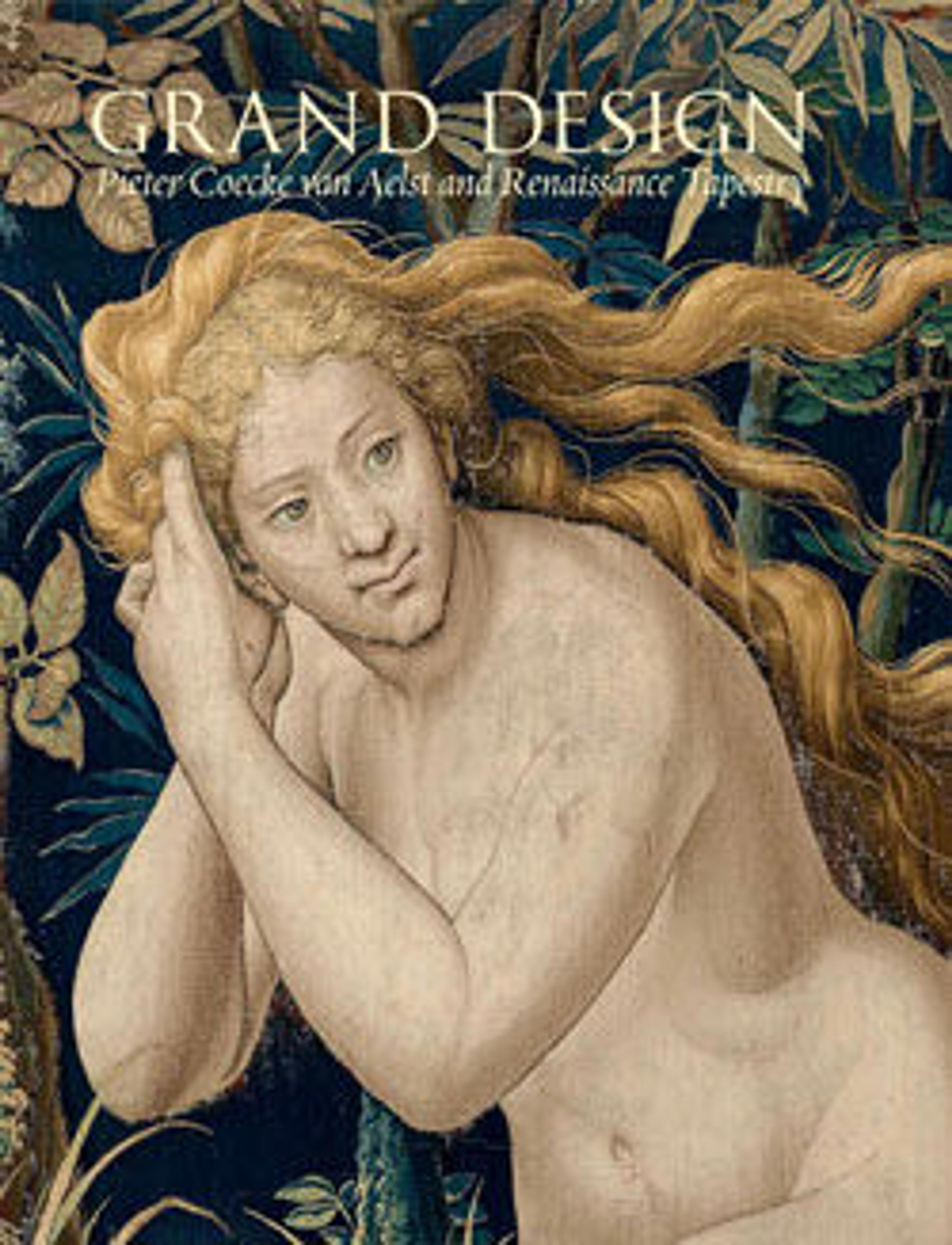 Pieter Coecke van Aelst (1502 – 1550) was renowned throughout Renaissance Europe as a draftsman, painter, and publisher of architectural treatises. The magnificent tapestries he designed were acquired by the wealthiest clients of the day, up to and including rulers such as Emperor Charles V, King Francis I of France, King Henry VIII of England, and Grand Duke Cosimo I de’ Medici of Tuscany. At the same time, Coecke was remarkable not only for the complexity and unparalleled quality of his tapestries, but also for his fluency in various media: this lavishly illustrated volume examines the full range of his work, from tapestry and stained-glass window designs to panel paintings, prints, drawings, and architectural treatises. Though only forty-eight when he died, Coecke was one of the greatest Netherlandish artists of the sixteenth century. His paintings and drawings, initially wrought in the style of the Antwerp Mannerists, evolved through his enthusiastic response to Italian Renaissance design, and influenced generations of artists in his wake. This comprehensive study explores Coecke’s stylistic development, as well as his substantial contribution to the body of great Renaissance art in Flanders. Featuring twenty monumental tapestries, along with many of their cartoons and preparatory sketches, plus seven paintings, additional drawings, and printed matter—many of them newly photographed for this volume—Grand Design provides a thorough reappraisal of Coecke’s work, amply justifying the high regard in which Coecke’s work was held and its wide dissemination long after his death.Download PDFFree to download
 The Metropolitan Museum Journal is issued annually by The Metropolitan Museum of Art. Its purpose is to publish original research on works in the Museum’s collection. Articles are contributed by members of the Museum staff and other art historians and specialists.Download PDFFree to download
 The Metropolitan Museum Journal is issued annually and publishes original research on works of art in the Museum’s collection. Highlights of volume 57 include essays on a crimson velvet “cloth of gold” associated with the Tudor dynasty; an exquisite pair of malachite torchères commissioned by the Russian Demidov family; and a drawing on muslin by Matȟó Nážiŋ detailing the Battle of the Little Bighorn in 1876.Download PDFFree to download
 This fascinating new look at the artistic legacy of the Tudors reveals the dynasty’s enduring influence on the arts of Renaissance England and beyond. Ruling successively from 1485 through 1603, the five Tudor monarchs brought seismic changes to England that reverberated throughout Europe. They used the arts to legitimize and glorify their tumultuous rule, from Henry VII’s bloody rise to power, through Henry VIII’s breach with the Roman Catholic Church, to the reign of the “Virgin Queen” Elizabeth I. With incisive scholarship and sumptuous new photography, this book explores the extreme politics and outsize personalities of the Tudors, and how they used art in their diplomacy at home and abroad. Tudor courts were truly cosmopolitan, attracting top artists and artisans from across Europe. At the same time, the Tudors nurtured local talent and gave rise to a distinctly English aesthetic, one that is forever connected to the myth and visual legacy of their dynasty. The Tudors reveals the true history behind a family that has long captured the public imagination, bringing to life their extravagant and politically precarious world through the exquisite paintings, lush textiles, gleaming metalwork, and countless luxury objects that adorned their spectacular courts.
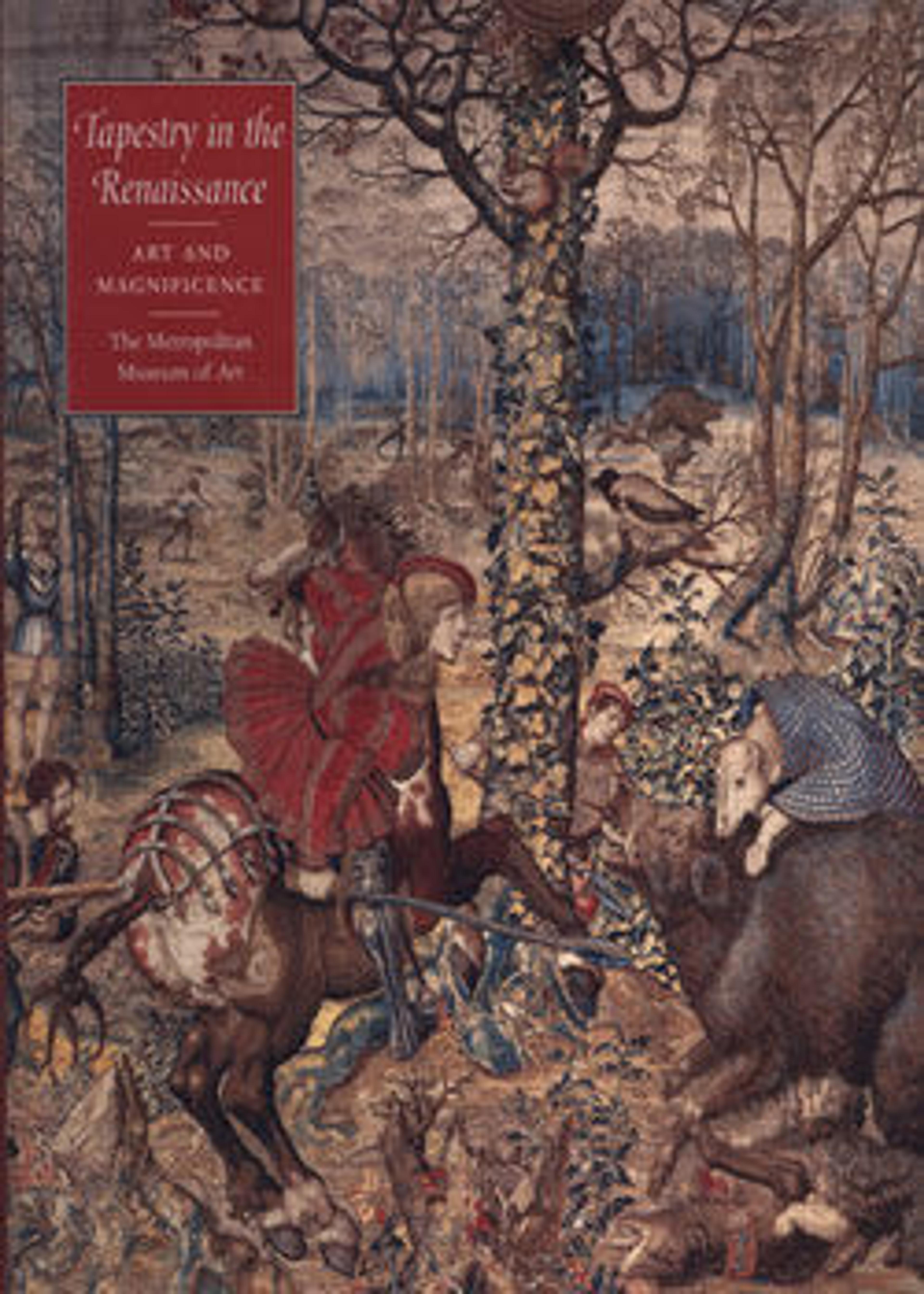 Tapestries were a principal aspect of the ostentatious "magnificence" used during the Renaissance by powerful religious and secular rulers to broadcast their wealth and their might. This sumptuously illustrated book presents the first major survey of tapestry production between 1460 and 1560, and it catalogues the first monographic loan exhibition of tapestries in the United States in twenty-five years. It highlights the finest tapestry cycles of the age as one of the greatest achievements of Renaissance art. Examples from many of the most important surviving set—which still dazzle today as they did five hundred years ago in the palaces and cathedrals of Europe—illustrate the contribution that the medium made to the art, liturgy, and propaganda of the time. This study focuses on the stylistic evolution of tapestry design in the Netherlands beginning with the development by Netherlandish designers in the late fifteenth and early sixteenth centuries of an aesthetic that emphasized narrative and decorative qualities. During the 1510s, 1520s, and 1530s, commissions by Pope Leo X and other Italian patrons resulted in the dispatch of tapestry cartoons by Italian artists—notably Raphael and his assistants—to Brussels, the main center of high-quality production, thus introducing Roman High Renaissance aesthetics to Northern tapestry design. Thereafter, Netherlandish artists like Bernaert van Orley and his followers melded this Italian influence with their local traditions of tapestry design to produce a rich aesthetic that was ideally suited to the medium. Smaller centers of tapestry production are also examined—particularly those set up under princely patronage in France (Fontainebleau) and Italy (Ferrara, Mantua, and Florence). Unrestrained by established practices of Netherlandish production, such artists as Tura, Mantegna, Bramantino, Bronzino, and Salviati invariably created tapestry designers that were much closer to the spirit of the Italian Renaissance than to those of their Northern counterparts. The strengths and distinctions of those contemporaneous developments and the cross-fertilization of ideas between northern Europe and Italy are fully explored in detailed essays and catalogue entries. The secondary theme of this study is the important role that tapestry played in ceremonial and daily life and the extent to which the medium reflected the personal tastes and aspirations of its patrons. This book explores the circumstances in which these enormous works of art were conceived and the complex relationships that existed between contemporary patrons, the rich merchants who bankrolled the industry, and the artists and craftsmen who designed and wove the tapestries. Many of the great tapestry cycles of the period are widely dispersed and challenging to photograph and thus little known outside a small scholarly community. In this book, the technical and artistic brilliance of these beautiful tapestries is illustrated in specially commissioned color photographs and detailed shots that reproduce them with a new vividness and immediacy.Download PDFFree to download
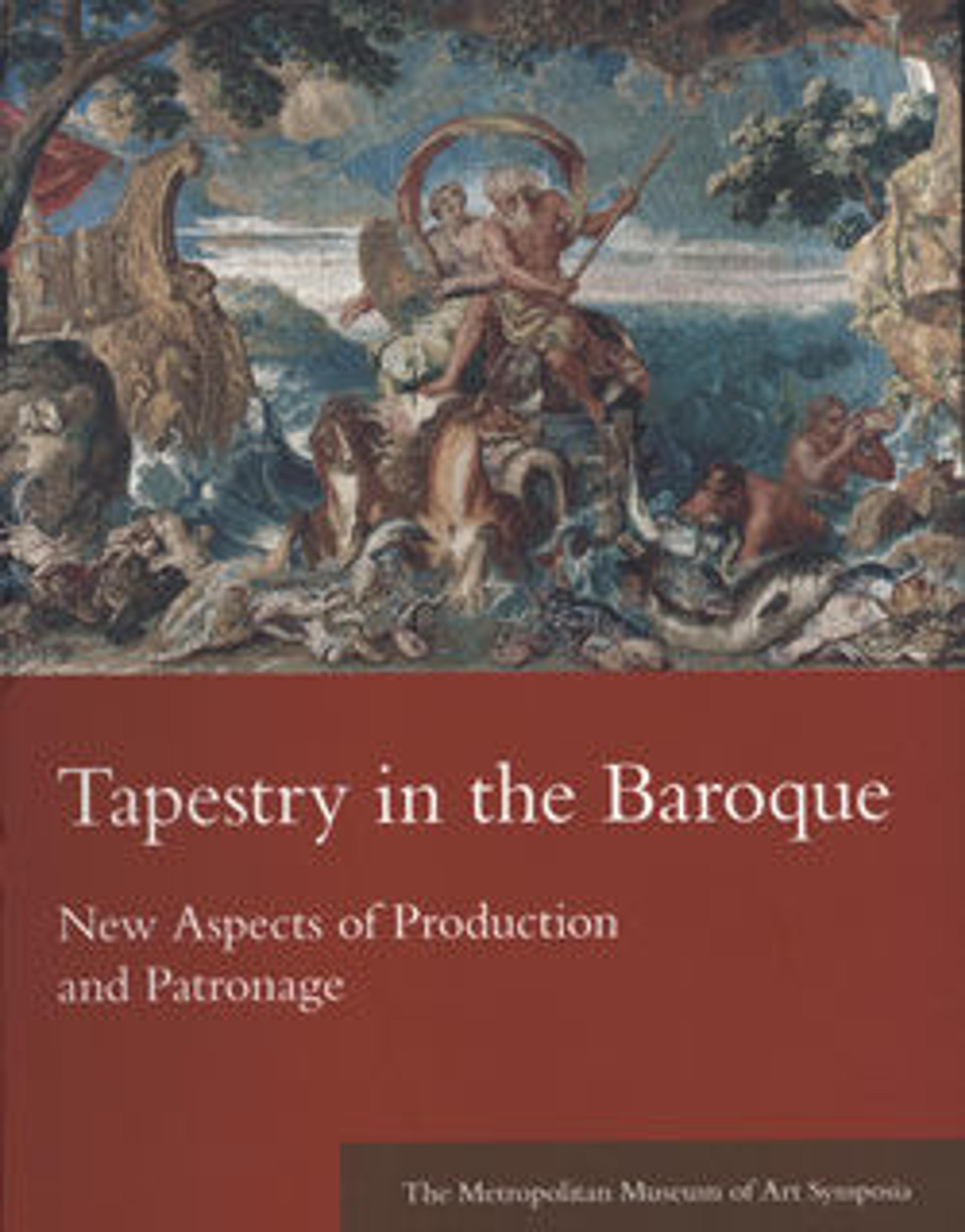 The exhibition "Tapestry in the Baroque: Threads of Splendor," which opened at the Metropolitan Museum in 2007, was the occasion for a symposium at which renowned tapestry scholars presented results of some of their important, highly detailed research. This volume publishes the papers in well-illustrated articles. The introductory article tours the exhibition, setting out its organization over the course of the period 1590 through the early 1700s, which saw the scattering of Flemish weavers around Europe during years of religious turmoil and the resulting development of the tapestry industry in such centers as Delft, Helsingor, Munich, London (Mortlake), Paris, and Rome, and then the industry's revival in Brussels. In their articles, the contributors concentrate on specific individuals in tapestry design, production, and collecting. They distill the results of laborious digging through family and crown inventories, parish records, notarial accounts, and other archival resources, as well as close examination of historical reports, to put forward new assessments of the accomplishments of tapestry designers and producers and a better understanding of the reasons wealthy patrons collected and displayed tapestries and presented them as gifts. A number of the articles include appendixes with transcriptions of archival material.Download PDFFree to download
- Download PDFFree to download
- Download PDFFree to download
- Download PDFFree to download