MetPublications
Showing 1–10 results of 78
Sort by:
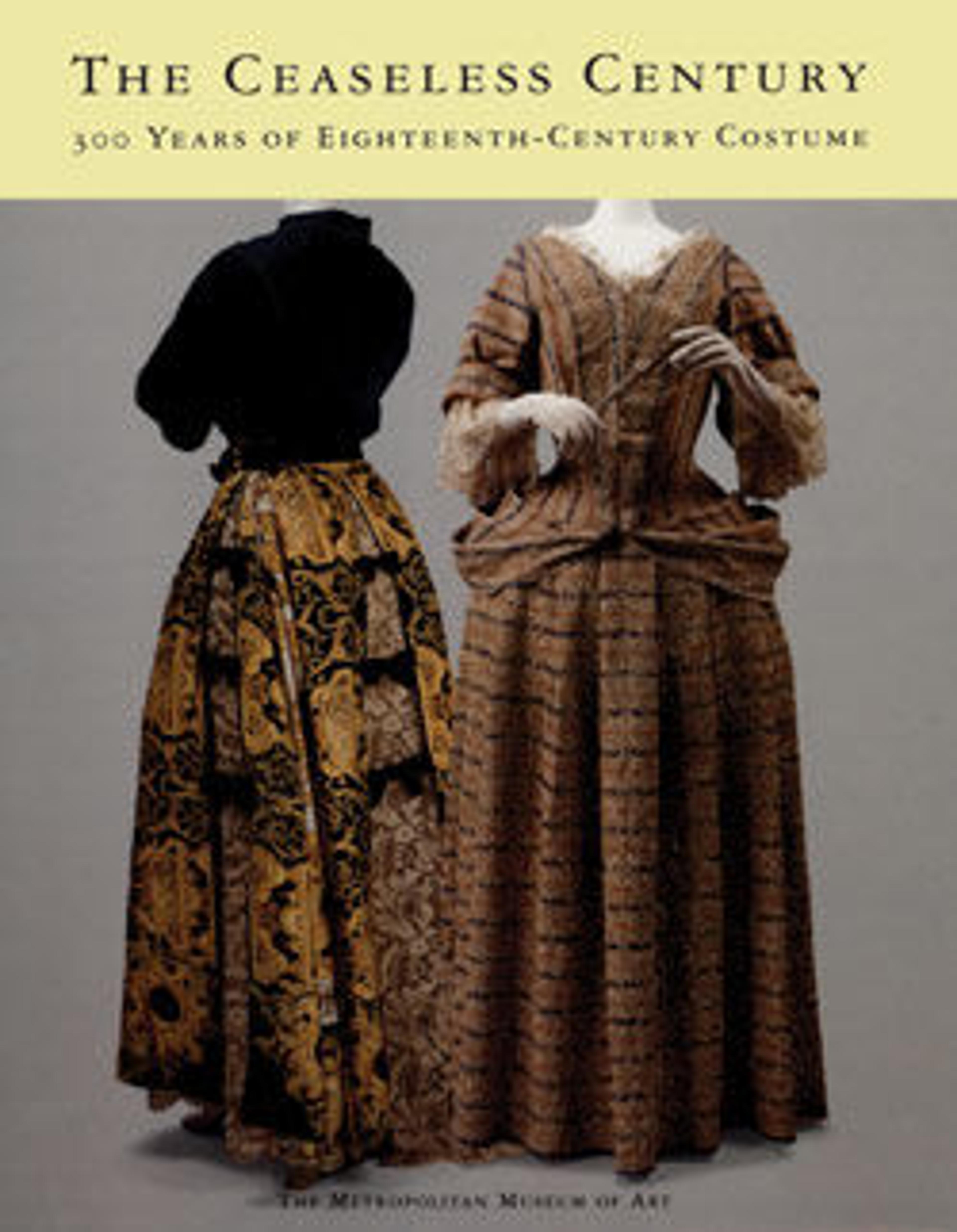 The shapes and silhouettes, the corseted waists and deep décolletage, the incredibly wide and flat skirts—in a word, the majesty—of eighteenth-century style have provided lasting inspiration for fashion even to the present. Consider, for example, the images on the cover of this book. On the front a Gianni Versace evening ensemble with denim blouse of 1992 is juxtaposed with a mantua and petticoat of 1690–95. The back cover shows a 1998 natural vintage recycled linen evening dress by Olivier Theyskens, a young designer in his twenties. These three images bracket the subject scrutinized in The Ceaseless Century, a volume aptly named for a century whose ramifications are still felt in historicist fashions, for example in the Versace ensemble, a creation that exemplifies that designer's penchant for what Richard Martin has called "a kind of Elton John ancien régime," and in the Theyskens piece, which reconsiders both the style and the material of eighteenth-century dress and incorporates miniskirt contemporaneity as well. In this fascinating volume, which accompanies a fall 1998 exhibition of the same name at The Metropolitan Museum of Art, Richard Martin, Curator of The Costume Institute there, discusses and analyzes fashions of the eighteenth, nineteenth, and twentieth centuries, using the eighteenth century as a touchstone to discuss the complex navigation that characterizes revivalism. In the Introduction, he explains the history of The Costume Institute's involvement with dress of the eighteenth century and notes that "eighteenth-century fashion is unceasing because its principles in silhouette as artifice and in textile and surface as opulence are abidingly recalled in the history of fashion." Martin postulates that The Ceaseless Century fulfills two goals: it not only shows outstanding examples of eighteenth-century dress in the collection of The Costume Institute but also sets forth recurrent patterns of revival that have occurred over the past two hundred years. Those goals are well accomplished in three chapters, one treating each century involved and each including an introductory text and individual paragraphs on the costumes, all reproduced in color. The full-page details and multiple views of costumes that appear throughout this elegantly designed volume truly highlight the luxuriousness, charm, and craftsmanship of the fashions in The Ceaseless Century. They also complement the history as told in the text of the ongoing and important influence of the eighteenth century on fashion in the nineteenth and twentieth centuries up to the present moment. In the words of Richard Martin, "Without the possibility of an eighteenth-century persistence, we would be immersed headlong in an ordinary world of minimalism, austerity, and unmitigated reason in dress." At the end of the twentieth century, when scruffy can hold sway over swagger, this tour through the past three hundred years declares an opulent option in taste that provides a pleasurable experience for both the historicist and the futurist.Download PDFFree to download
 Download PDFFree to download
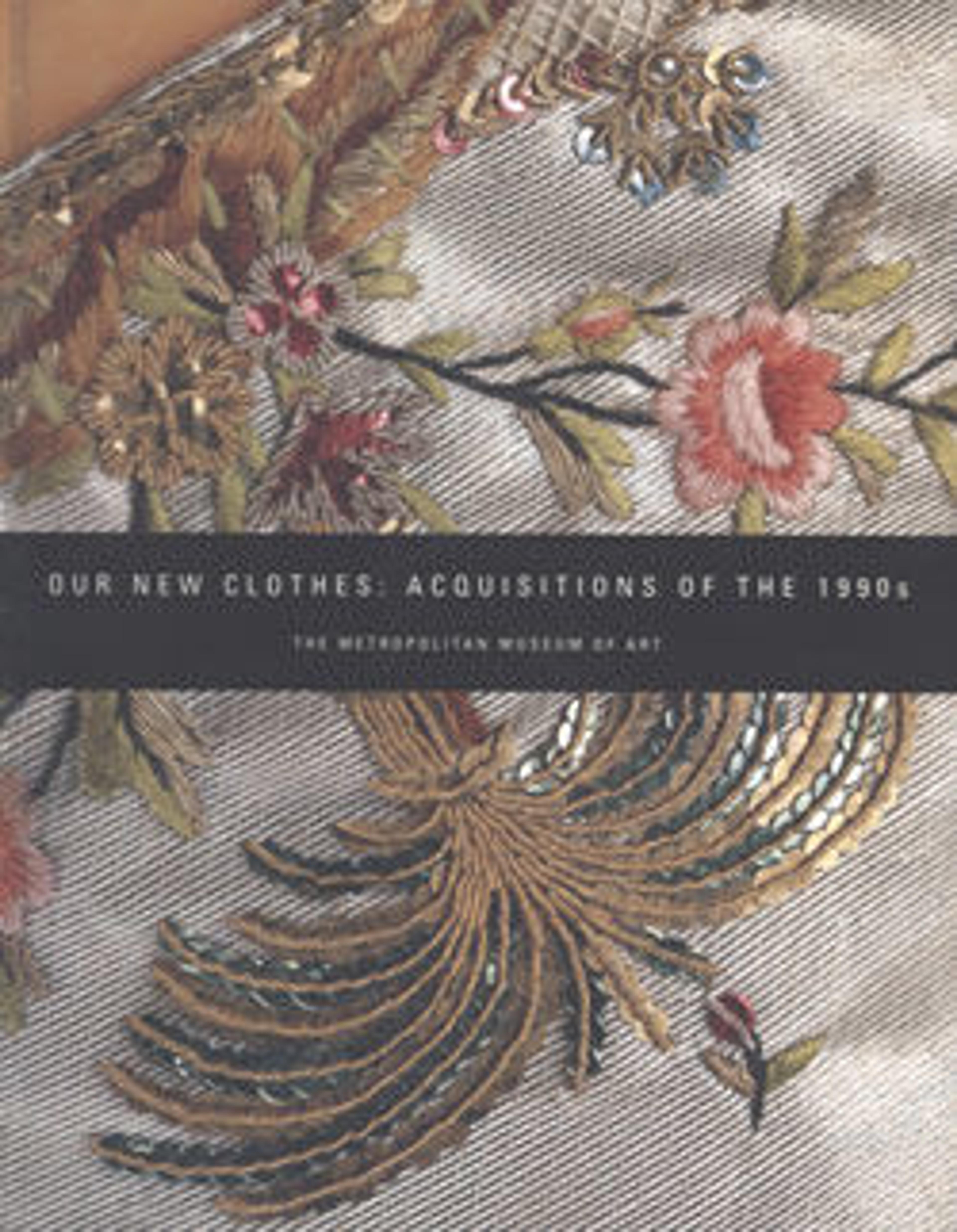 An impressive array of clothing, accessories, and library materials was acquired through gift and purchase during the 1990s by The Costume Institute, The Metropolitan Museum of Art. Adding substantially to its comprehensive collection gathered over fifty-five years, the costumes span three centuries, beginning with a magnificent and rare silk damask brocaded English mantua of 1708 and including a wide-ranging selection such as a luxuriously embroidered and sequinned French man's ensemble of about 1765. a sparkling Agnès Drécoll robe en pannier of 1912, a beautiful Charles James wedding gown of 1940, and a slinky gold-tone metal mesh Gianni Versace evening gown of 1997–98. The "new" clothes are presented in six chapters. In "A History of Fashion" a mini view of three centuries of clothing vividly attests to the breadth of collecting achieved by The Costume Institute during the past decade. "The White Dress" poses a provocative question about the role of women in white, who have, in the author's words, "haunted the romantic imagination for centuries." As Richard Martin notes, men's clothing is difficult to find, largely because it has been far less coveted than womenswear, but the chapter on "Men of Three Centuries" illustrates a number of fine examples from the eighteenth century to Jean Paul Gaultier. Additions to the Irene Lewisohn Library, The Costume Institute, which since 1939 has been building a comprehensive archive of visual and written documents concerning costume history, include a pair of engraved cards front around 1780 showing European headdress and interesting illustrations from the comprehensive Giorgio di Sant'Angelo archive. Twentieth-century costume is brilliantly displayed in the chapters on "The Americans" and "The Contemporaries." During the 1990s The Costume Institute gathered American fashion with particular zeal, including works by the New York minimalist designer of the 1940s and 1950s Valentino and in such contemporary designers as Geoffrey Beene, Giorgio di Sant'Angelo, Halston, and Calvin Klein. The exhibitions and publications held since Richard Martin became curator in 1993 have emphasized contemporary design, and included here, in addition to the Americans, are choice pieces by Giorgio Armani, Ann Demeulemeester, Dolce & Gabbana, James Galanos, Romeo Gigli, Christian Lacroix, and Issey Miyake. The 113 color illustrations and the illuminating text by Richard Martin add up to a fascinating overview of one decade of The Costume Institute's collecting, which conveys its ongoing dedication to the acquisition and exhibition of costumes from the earliest extant examples of the eighteenth century to the newest works of voting designers. Our New Clothes displays the commitment to present costume in the museum setting as a living an that interprets history, becomes part of the historical process, and inspires subsequent art.Download PDFFree to download
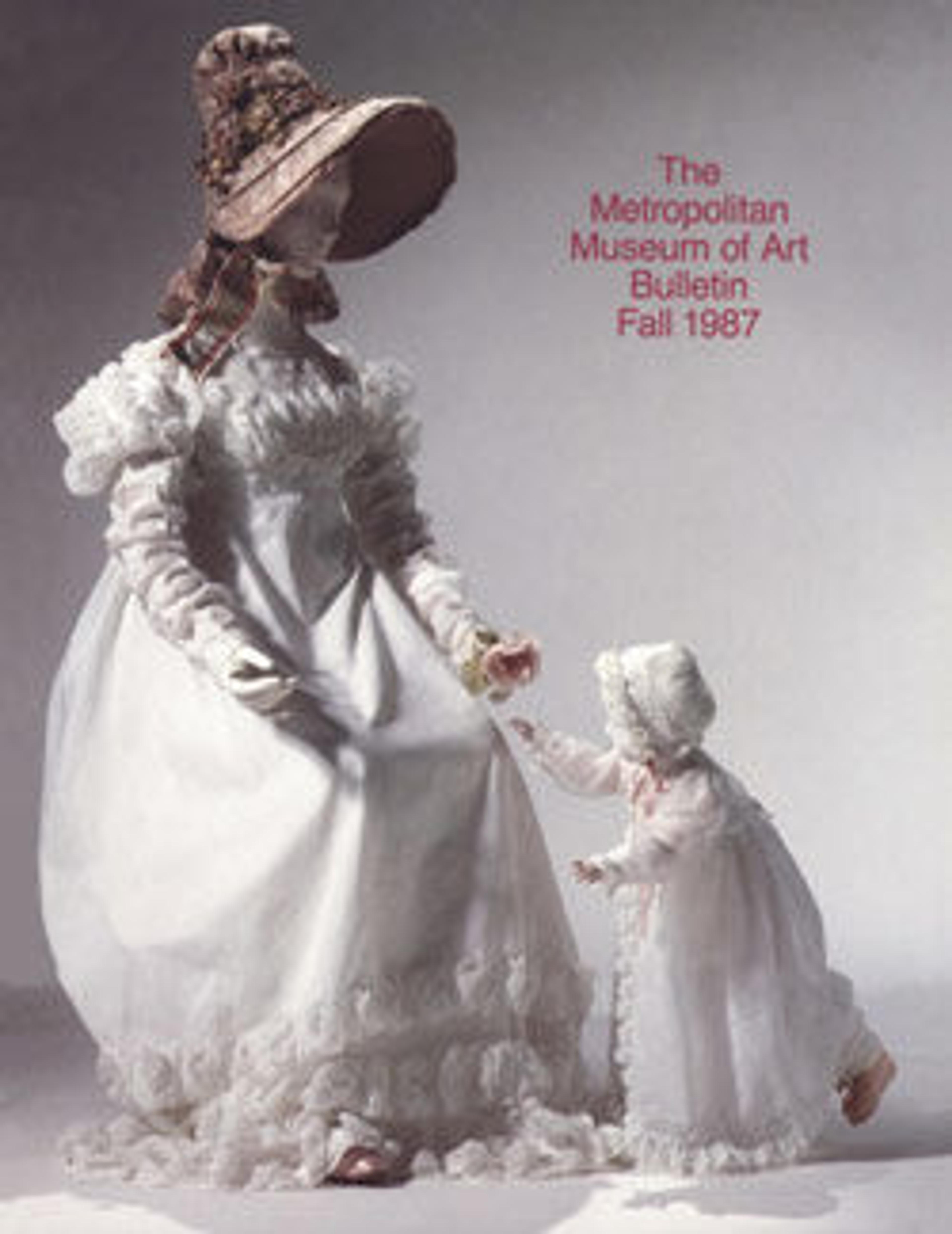 Download PDFFree to download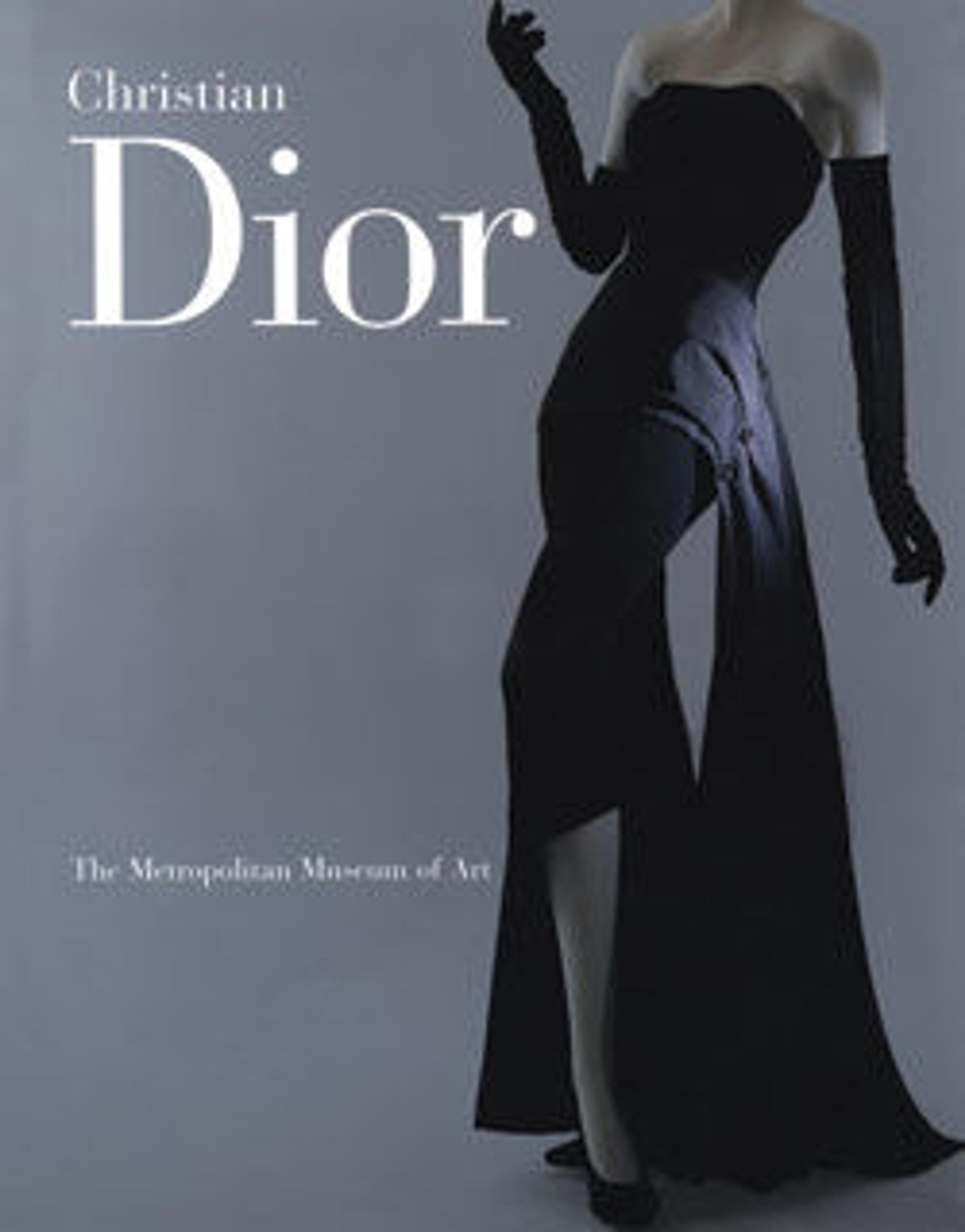
Christian Dior
1996Published 50 years after Christian Dior's "New Look" of 1947, and accompanying an exhibition at The Costume Institute of the Metropolitan Museum of Art, New York, this book presents a chronology of Dior's creations. They are drawn chiefly from The Costume Institute's collections, which include an extensive record of the designer's achievement as recognized by his New York clients of the 1940s and 1950s. Among the illustrations are extravagant evening wear, chic accessories, and details of Dior tailoring, as well as documentary photographs from the Dior Archives, Paris. The text places Dior's achievement in the cultural perspective of postwar renewal: the desire for optimism, the return to innocence, and the reclaiming of the pleasures of fine clothing and other sumptuary arts. Analyzing the "New Look," the authors set out to demonstrate the abiding impact of Dior's formulation of an icon for fashion's postwar renaissance.Download PDFFree to download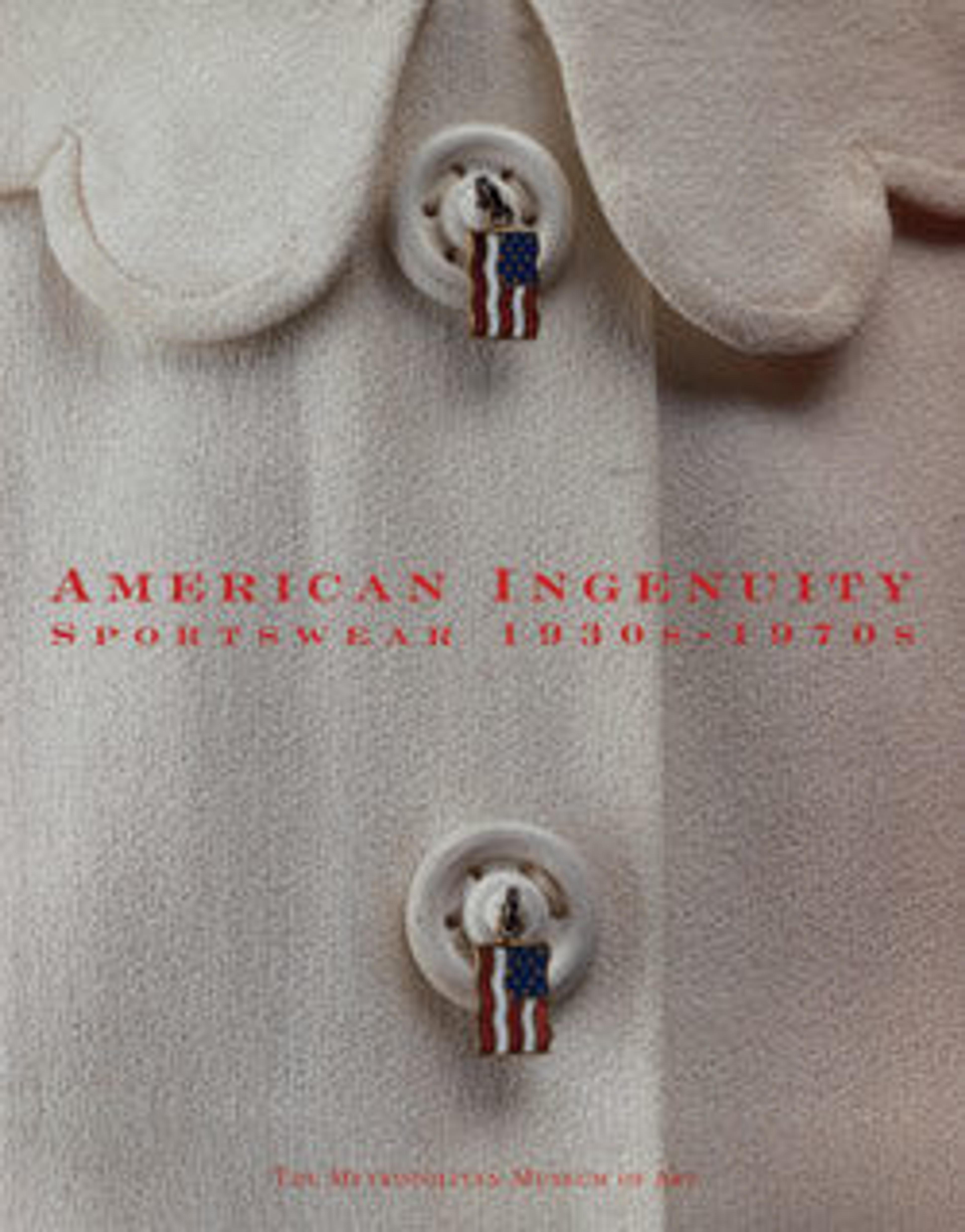 Beginning in the early 1930s, American designer sportswear came into its own, later becoming a major force in fashion that continued into the 1990s to influence the way women dress. Designers such as Bonnie Cashin, Tina Leser, Vera Maxwell, Claire McCardell, Clare Potter, and Emily Wilkens initiated a new standard of dressing, one that is right for the lifestyle of the modern woman and that is purely American in its practicality, simplicity, and democratic elements. This was clothing for comfort and versatility that rationally answered the needs of women and was created mostly by women. In 1932, a legendary retailer at Lord & Taylor, Dorothy Shaver, presented a series of showings in the store of new American sportswear trends, for the first time bringing the designers together and specifically naming them. The new sensibility was toward freedom of movement and freedom of choice, and the clothing included mix-and-match ensembles, playsuits, pants, and a variety of activewear. This was the start of the particular branch of fashion history that is presented in American Ingenuity. Richard Martin, Curator of The Costume Institute, The Metropolitan Museum of Art, has brought these designers together again, and his text both examines their position and import as a historical group and discusses their individual accomplishments. His introduction includes period photographs of models wearing the clothes and a discussion of the history of the group, which is integrally related to The Museum of Costume Art in New York City; which, in 1945, merged with The Metropolitan Museum of Art to become The Costume Institute. In light of the early and important connection between The Costume Institute and American designer sportswear, it is particularly appropriate that this publication and the exhibition it accompanies originate at the Metropolitan Museum. The body of this book is divided into five sections, which provide a view of the individual fashions along with discussions of the characteristics and techniques of a number of the innovators of American sportswear. "Wrapping and Tying" features clothes that exemplify the creation of outfits that adjust to the individual wearer, such as Claire McCardell's cottons that make use of tying at both waist and neck and her washable cotton bathing suits that give both comfort and convenience. "Latching," which stresses easy and independent fastening, includes Bonnie Cashin's use of snaps and luggage fasteners. Chapter three is about "Stowing," and here we see big pockets, conspicuous on purpose, which are intended to free women from carrying purses. "Harmonizing" is next and presents mix-and-match separates that allow women to create their own "new look," one that is very different from that of Dior. The last chapter is "Adapting" and is about elements taken from menswear and carefree activewear. Following is a group of twenty-three Profiles of Designers that bring together information about the major practitioners of American sportswear from the 1930s to the 1970s. American Ingenuity continues the mission of The Costume Institute to examine and document diverse aspects of fashion history and fashion's present. It is a fitting tribute to American sportswear. As Richard Martin has written in the Introduction, "Of course, these practical, insightful designers have determined the course of late twentieth-century fashion. They were the pioneers of gender equity in their useful, adaptable clothing, which was both made for the masses and capable of self-expression."Download PDFFree to download
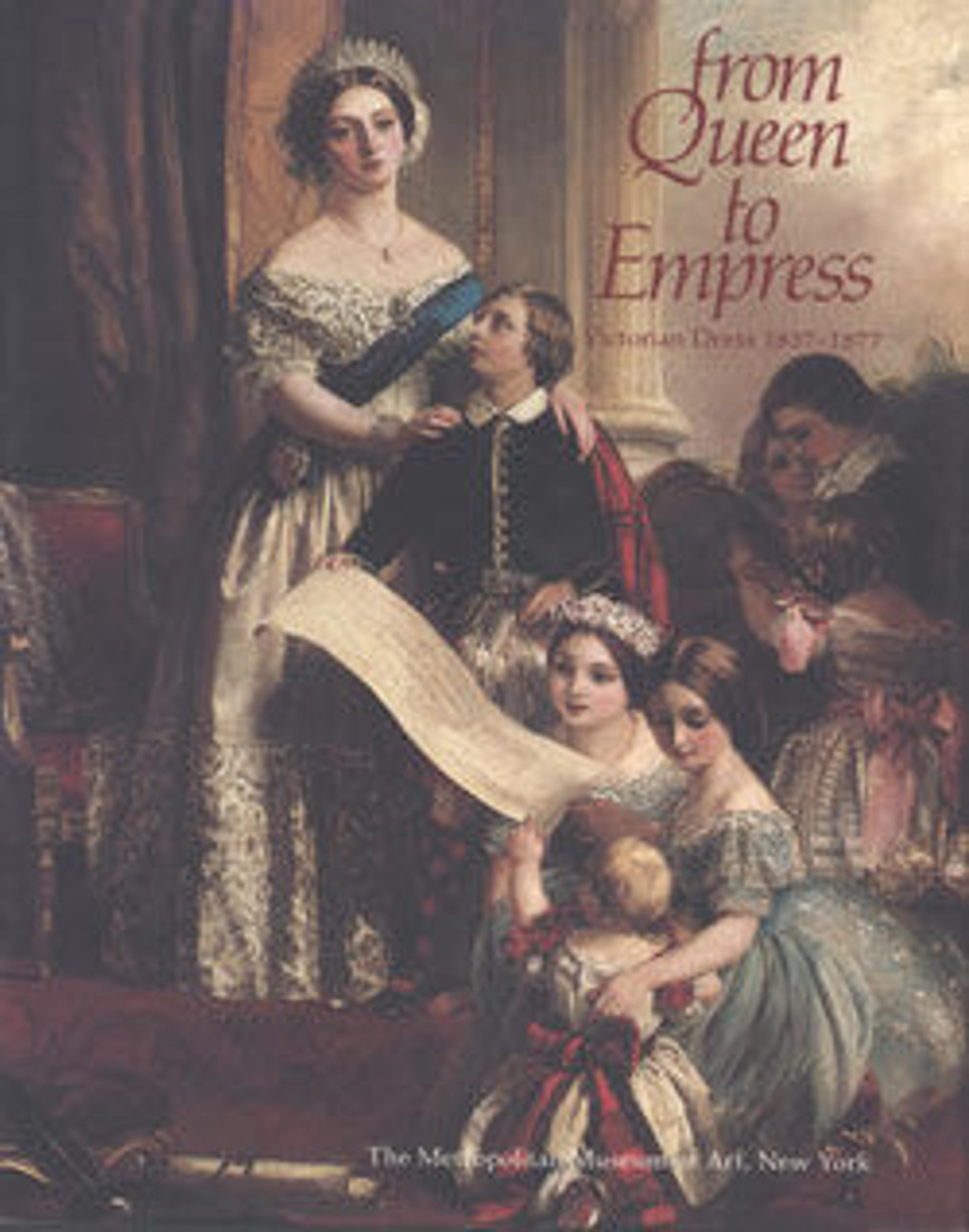 This lively, illustrated book about Victorian costume during the first part of Queen Victoria's reign is a delightful introduction to a particularly rich era in costume history. From Queen to Empress vividly evokes fashionable society in Victorian England and America through paintings of the period, contemporary illustrations and photographs, and striking costume photographs taken especially for this volume. In separate chapters devoted to royal influence, underdress, evening and day wear, mourning attire, wedding clothes, and court dress, the author, a member of the staff of The Costume Institute at The Metropolitan Museum of Art, offers a highly readable account of the ways in which fashion influenced the dress of all but the very poorest sections of the population. By 1837, the year of Victoria's accession to the throne, the simple silhouette and printed cottons of the early nineteenth century had already begun to give way to a more elaborate style of dress. Luxurious silks and an extraordinary diversity of shapes—including huge domed skirts and elaborately molded corsets made possible by new dressmaking techniques—marked the fashionable Victorian woman by the time Queen Victoria was declared Empress of India. From Queen to Empress accompanies an exhibition opening at The Metropolitan Museum of Art in December 1988.Download PDFFree to download
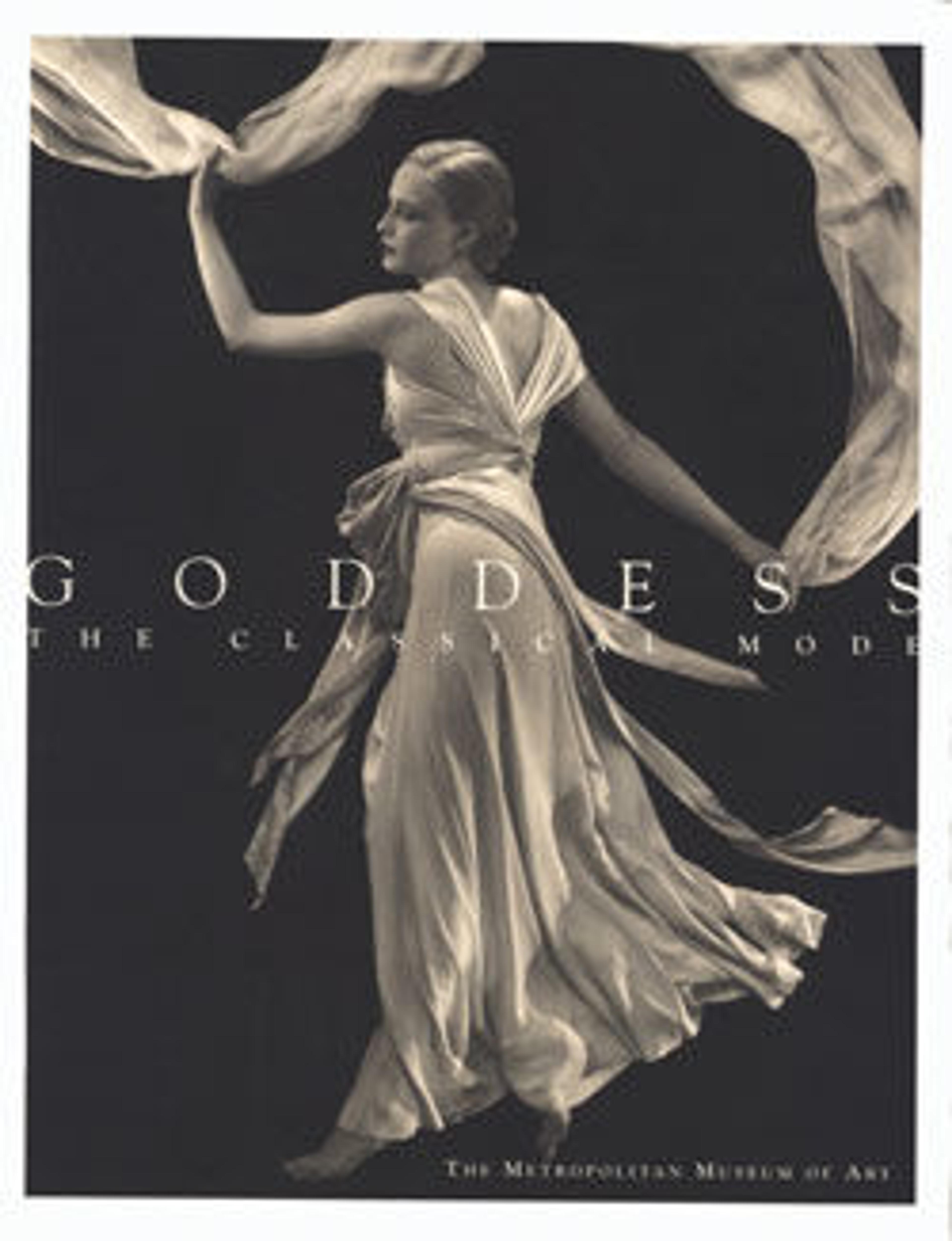 Goddess: The Classical Mode explores the continually evolving influence of ancient Greco-Roman dress through the ages. Over the past two-and-a-half millennia, the classical mode has unfolded and persisted, finding expression in a variety of artworks and through them, in fashion. Through diverse permutations and transformations, ancient dress has survived and resonated as an ideal. This beautifully illustrated volume presents a survey of this fascinating theme, including examples of ancient sculptures and vases, along with works of art and fashions from various historical periods. Artists and designers have looked to the three major types of classical dress—the chiton, peplos, and himation—and have incorporated from Greco-Roman sources attributes such as the laurel and breastplate as well as various details, notably the Greek-key motif that is familiar as an architectural element from ancient Greek times to recent revivals. Because no ancient dress survives in cloth, Greek and Roman sculptures and vases, reinforced by literary sources of the period, provide the only evidence of their characteristics. this book is arranged in four sections, in which examples of antique art depicting each type of dress are followed by fashions showing subsequent connections and variations that have occurred on the metamorphosis from marble and clay to fabric. They demonstrate that in the process of assimilation and transformation, some of these interpretations have been subtle, and others more radical. Fashions inspired by the classical ideal can be elegant, romantic or provocative—reminders of Venus, goddess of love, of Diana, goddess of the hunt, or of the martial ancient tribe of women called Amazons. Most are in pale tones of white or beige, the result of the bleaching out of ancient, originally polychromed marbles that has occurred over many centuries. The emphasis is on the continuing presence of the classical mode in the fashion of the nineteenth and twentieth centuries. Full-page illustrations with accompanying texts portray and discuss important and innovative works by such designers as Paul Poiret and Mariano Fortuny; the emblematic draped creations of Madame Grès; costumes created for performances by the innovator of modern dance Isadora Duncan; the deconstructed peplos-style gown of Yves Saint Laurent; and the formidable recent contributions of Gianni Versace, Romeo Gigli, Alexander McQueen, and Tom Ford of Gucci. Each has made unique imaginative contributions that carry the immortal ideal originating from the goddesses of ancient Greece and Rome to the present and enliven it for the future. Inspired by the classical mode, Harold Koda, Curator in Charge of The Costume Institute, The Metropolitan Museum of Art, has conceived and developed this entertaining volume. It accompanies a major exhibition on view during the spring-summer of 2003 at The Costume Institute. Looking back 2,500 years to the time when Greek gods and goddesses reigned on Mount Olympus, this project continues the ongoing mission of The Costume Institute to document and examine diverse aspects of fashion's history and fashion's march into the twenty-first century.Download PDFFree to download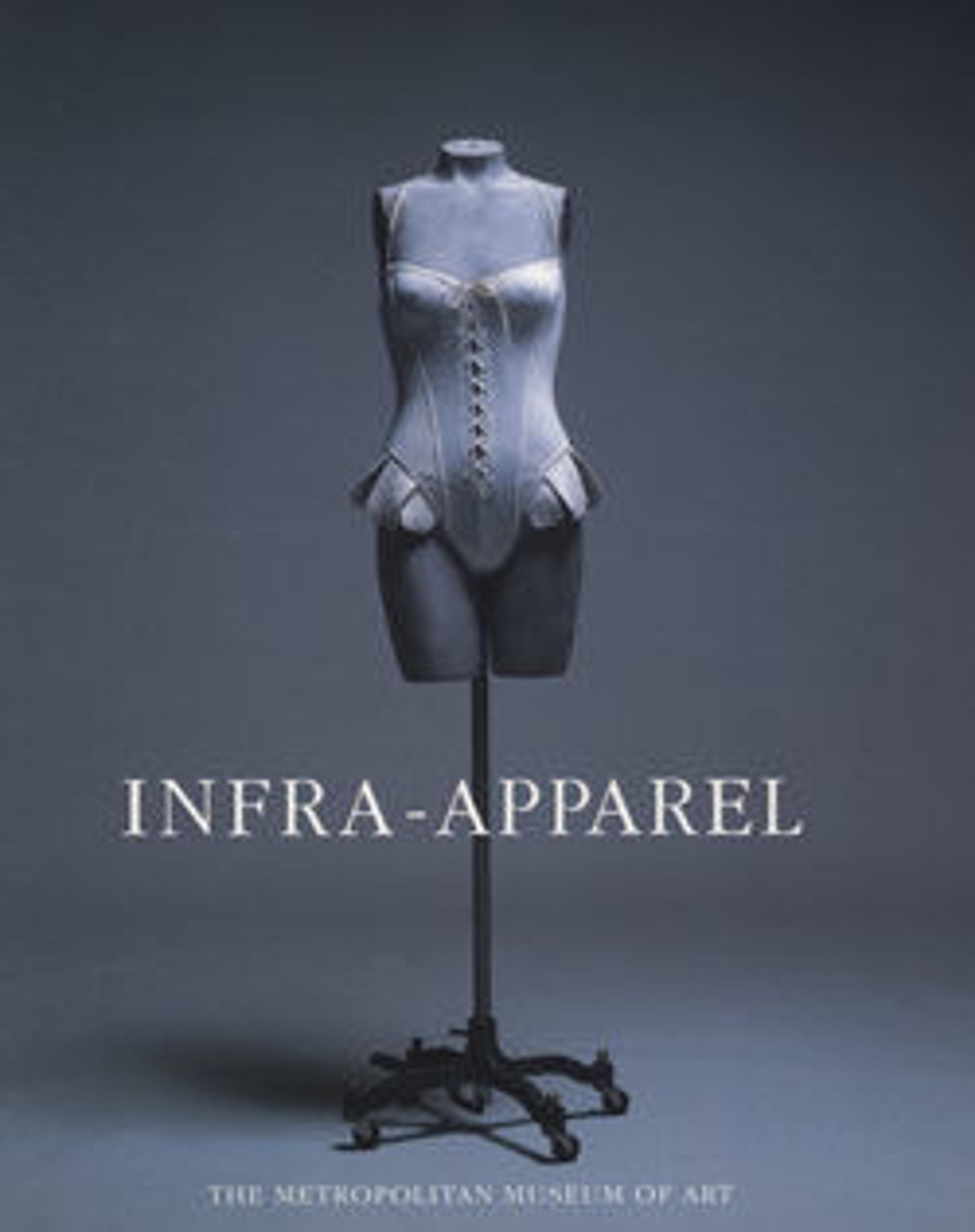
Infra-Apparel
1993This exhibition heralds a series of thematic shows conceived to examine various elements in the history of costume, with selections culled primarily from the Museum's own collections. Thus reaffirming the Museum's commitment to collecting and to the care and display of costume, these installations will offer substantial displays year round as well as an extraordinary opportunity to evaluate and appreciate the evolution of costume over the last three centuries. The depth and scope of our collections should provide the curators with an inexhaustible source of challenging subjects and inspiration for exhibitions, research, publications, and teaching programs far into the next century. It is therefore with much pleasure and great expectation that we offer Infra-Apparel, the first in an exciting series of projects envisioned by our new curators, Mr. Martin and Mr. Koda.Download PDFFree to download