MetPublications
Showing 1–10 results of 54
Sort by:
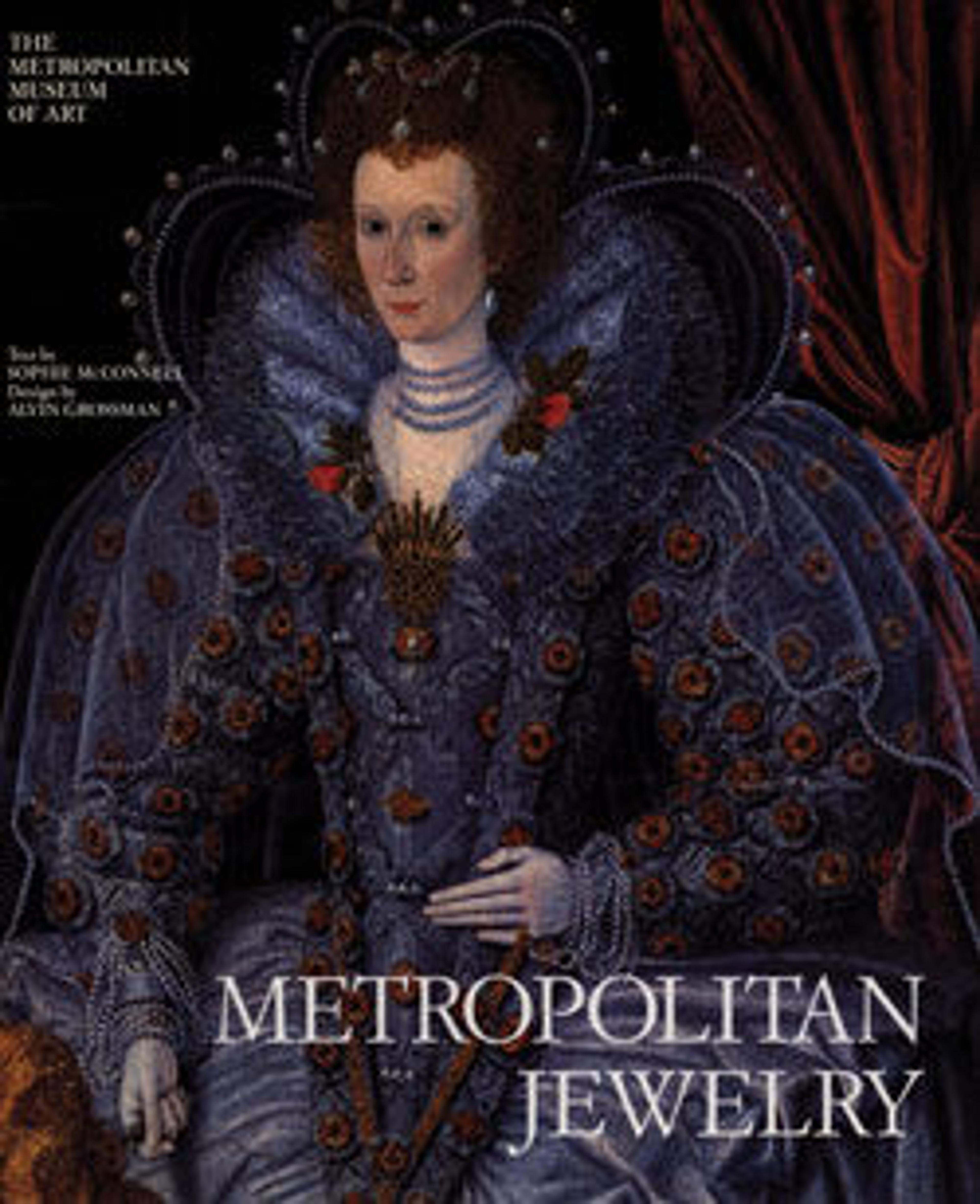 This beautiful volume takes readers on a very special tour of The Metropolitan Museum of Art, highlighting wonderful pieces of jewelry from ancient and modern cultures in every part of the world. Of special interest are the fabulous objects that appear in paintings and other works of art. Jewel-studded gowns; glittering Renaissance brooches; an Egyptian beaded collar; a portrait of Saint Eligius, patron saint of goldsmiths, as he weighs a gold wedding band; and a portrait of Empress Eugénie wearing her famous pearls are among the featured works from the Museum's vast collections. Necklaces, earrings, rings, and bracelets abound in this lively book, but also included are objects of religious significance, military honors, and other kinds of personal decoration. The jewelry pieces that survive offer a magical sense of the people who wore them and of the world they inhabited. The captions relate anecdotes concerning the artists and wearers and describe the history and style of the jewelry pictured. Art historians, jewelry makers, graphic and theatrical designers, and anyone who wears, collects, or admires magnificent jewelry will be fascinated by the sumptuous array in this book.Download PDFFree to download
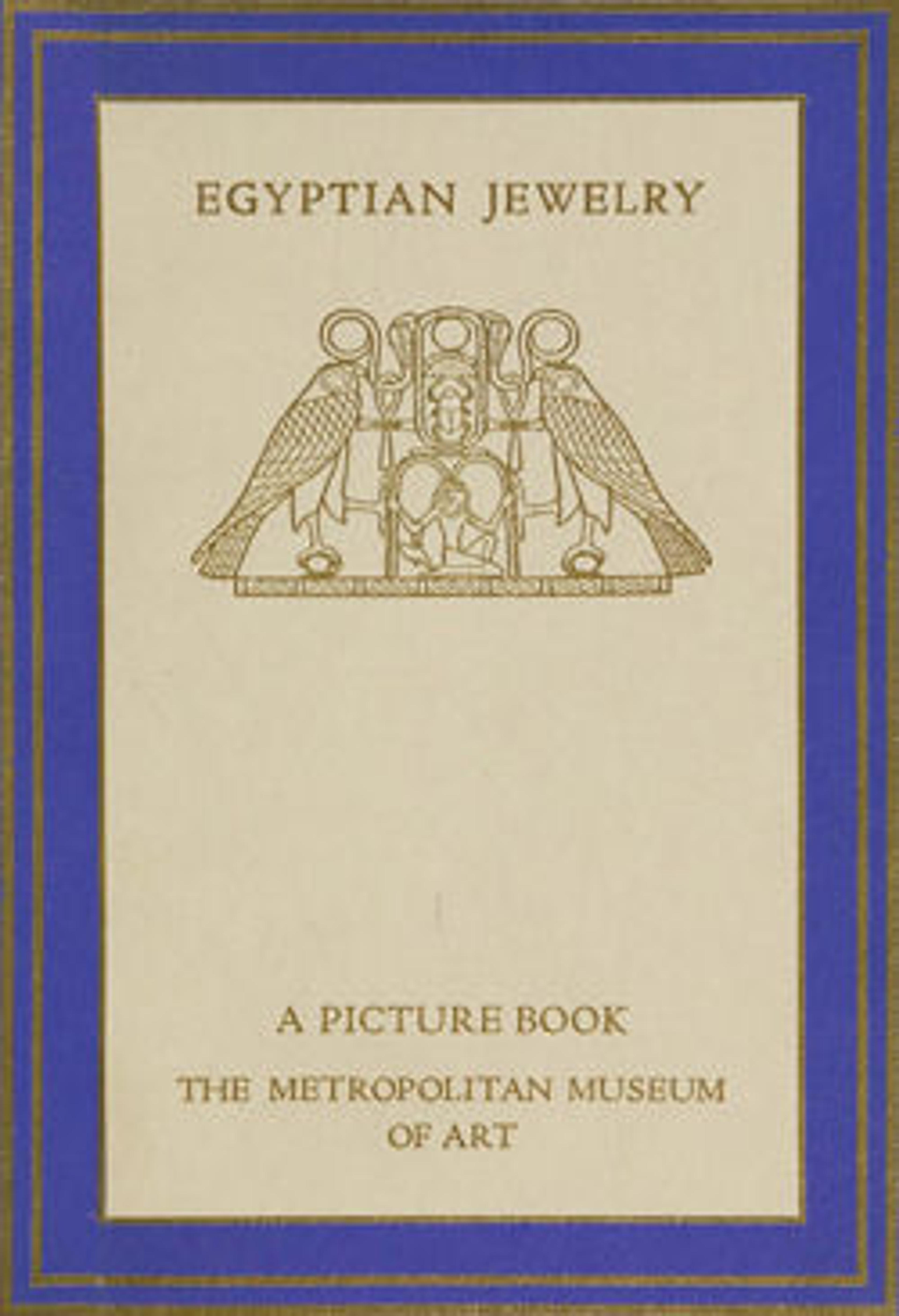 This picture book features images of Ancient Egyptian Jewelry covering works from Pre-dynastic shell necklaces to intricately designed gold earrings of the Roman period. A brief introductory essay discusses the history of jewelry and the evolution of Ancient Egyptian jewelry craftsmanship.Download PDFFree to download
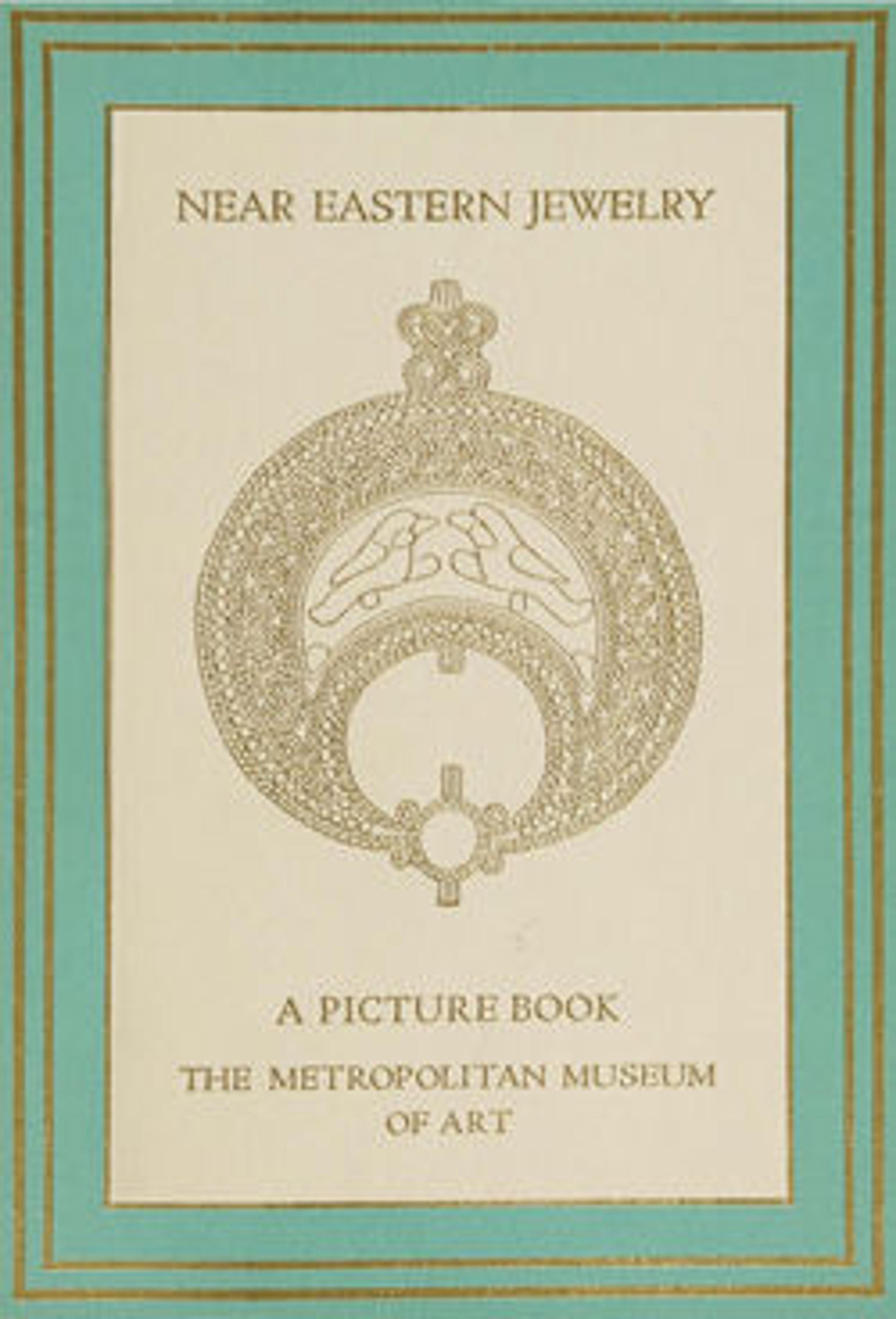 This picture book was composed in 1940 to display choice pieces from the Museum's Near East jewelry collection. Along with its array of photographs, the assembling curators have provided an introductory essay on the history and cultures that surround each of these carefully crafted ornaments, as well as the techniques used to produce them.Download PDFFree to download
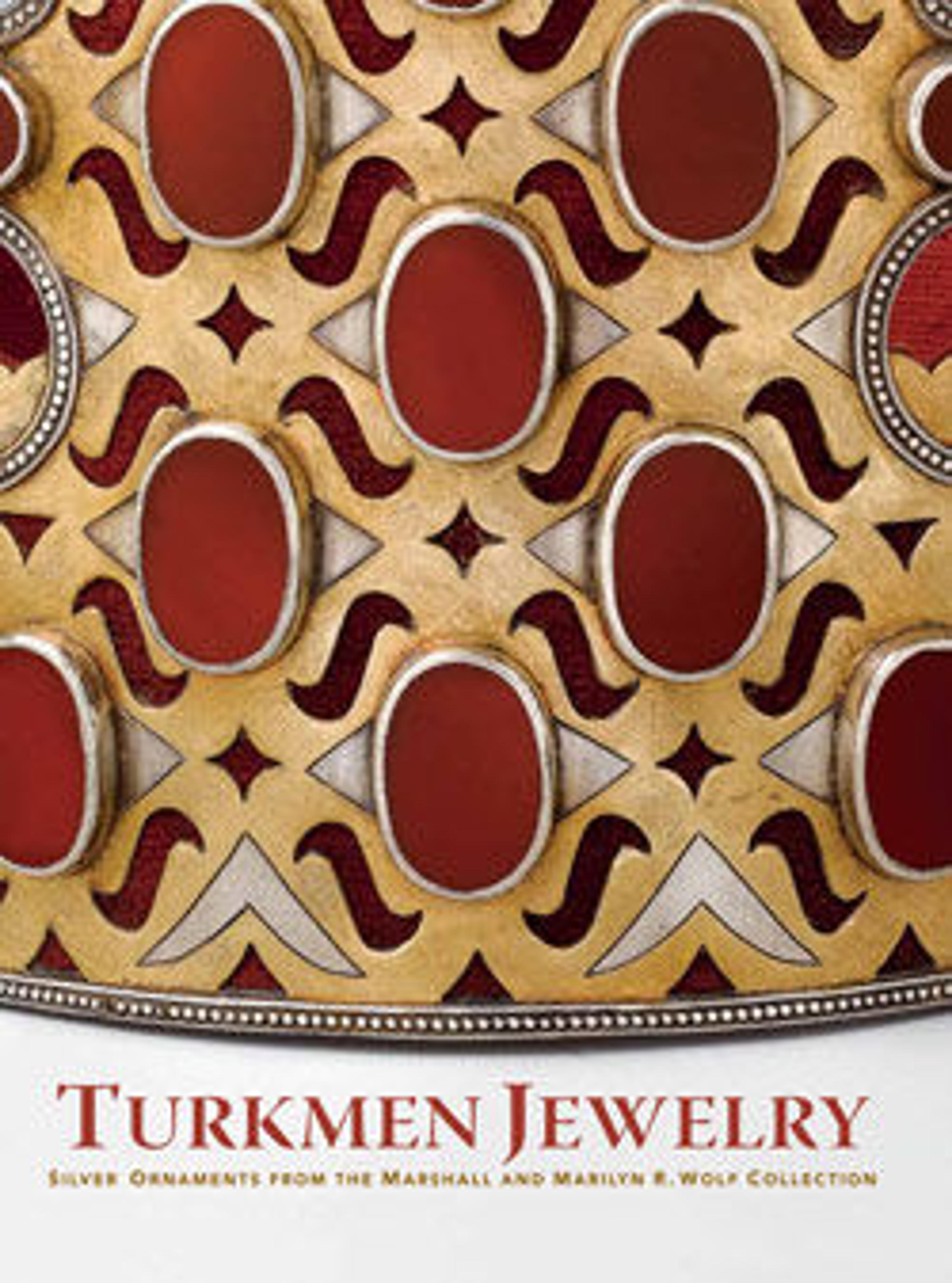 Best known for their carpets and textiles, the nomadic Turkmen people of Central Asia have also long distinguished themselves as the makers of extraordinary silver jewelry. This book presents more than two hundred examples of Turkmen jewelry, created in the nineteenth century and early twentieth centuries, from the renowned collection of Marshall and Marilyn R. Wolf. These remarkable objects—crowns and headbands, armbands and rings, necklets and amulet holders—are characterized by graceful forms, bold geometry, delicate openwork, and often enormous scale. Working with a limited set of materials (silver accented by gold, carnelian, turquoise, and colored glass) and relatively simple techniques, Turkmen silversmiths used great ingenuity to achieve their dazzling effects. This book, the first publication in the United States devoted to Turkmen jewelry, highlights the aesthetic aspects of these objects, which until recently were valued primarily for their ethnographic significance. Layla S. Diba situates Turkmen ornament within both its historical context and the tradition of Islamic jewelry production. By taking an art historical approach and provided detailed formal analysis of the objects, supplemented by gorgeous color photographs, this publication broadens the appreciation of these vibrant, monumental pieces, elevating them from folk art to fine art.Download PDFFree to download
 Download PDFFree to download
 Download PDFFree to download
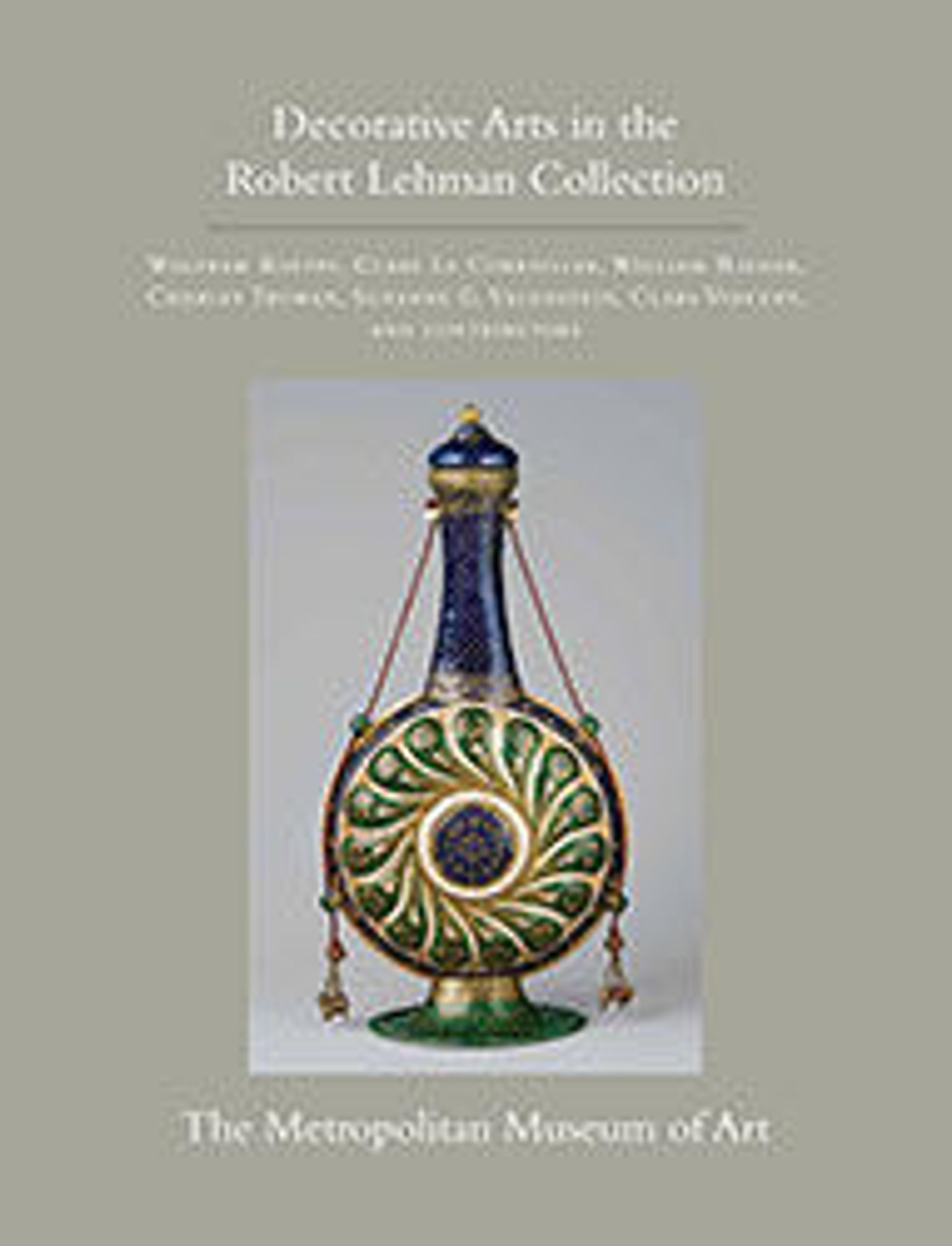 This highly anticipated volume completes the comprehensive series, a model of its kind, cataloguing the extraordinary diverse holdings in the Robert Lehman Collection at the Metropolitan Museum. Presented here are more than four hundred works in the decorative arts dating from antiquity to the twentieth century and ranging from intricately enameled watches (one was once owned by King Louis XIV) and exquisitely painted and jeweled snuffboxes to monumentally carved wood wedding chests, originating throughout Europe and Asia. Highlights include a superb seventeenth-century oval-shaped watch decorated with enamels by the master Susanne de Court of Limoges; a dazzling domed cup supported by a carved aragonite figure of a bearded Turk, replete with jewels and precious stones, crafted in early eighteenth-century Germany; and a French secrétaire from the 1780s set with painted enamels from the famed Sèvres Manufactory. Foremost scholars provide expert analyses of the works of art, including notable reassessments of Renaissance jewelry and furniture. In-depth discussions, many elucidated by new photography, constitute a fitting finale to this venerable series documenting one of the most distinguished privately assembled art collections in the United States. Provenance information, exhibition histories, and references are provided, and selected comparative illustrations are incorporated. The volume also includes a bibliography and an index.Download PDFFree to download
 Download PDFFree to download
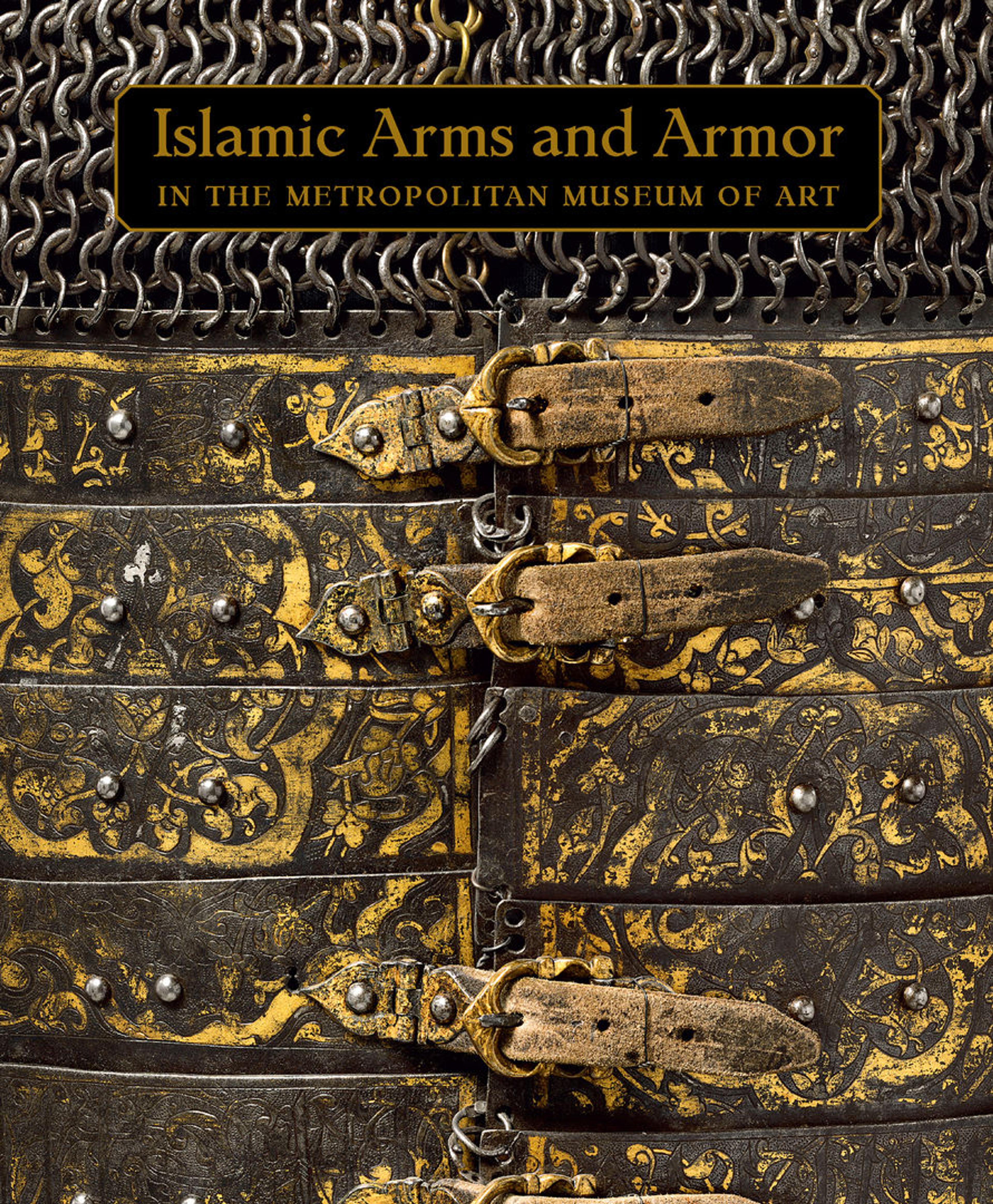 Armor and weaponry were central to Islamic culture not only as a means of conquest and the spread of the faith, but also as symbols of status, wealth, and power. The finest arms were made by master craftsmen working with the leading designers, goldsmiths, and jewelers, whose work transformed utilitarian military equipment into courtly works of art. This book reveals the diversity and artistic quality of one of the most important and encyclopedic collections of its kind in the West. The Metropolitan Museum's holdings span ten centuries and include representative pieces from almost every Islamic culture from Spain to the Caucasus. The collection includes rare early works, among them the oldest documented Islamic sword, and is rich in helmets and body armor, decorated with calligraphy and arabesques, that were worn in Iran and Anatolia in the late fifteenth century. Other masterpieces include a jeweled short sword (yatagan) with a blade of "watered" steel that comes from the court of Süleyman the Magnificent, a seventeenth-century gold-inlaid armor associated with Shah Jahan, and two gold-inlaid flintlock firearms belonging to the guard of Tipu Sultan of Mysore. Presenting 126 objects, each handsomely photographed and richly documented with a detailed description and discussion of its technical, historical, and artistic importance, this overview of the Met's holdings is supplemented by an introductory essay on the formation of the collection, and appendixes on iconography and on Turkman-style armor.Download PDFFree to download