MetPublications
Showing 1–10 results of 11
Sort by:
 This collection of essays provides dynamic new perspectives on 100 works of art that span centuries of human creativity around the globe
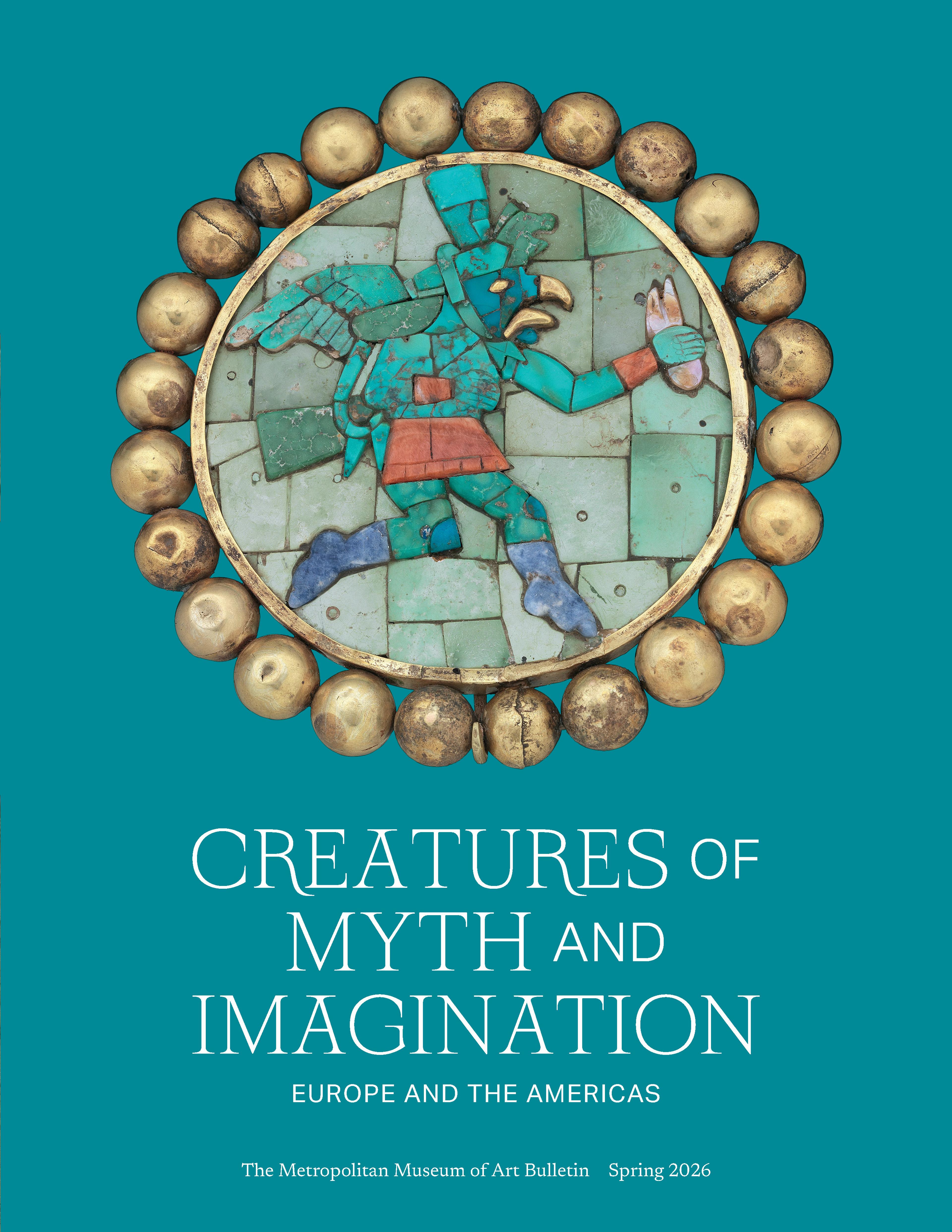 This volume considers the universe of mythical beasts formed by artists from the ancient Americas—Latin America before 1600—and western medieval Europe.Download PDFFree to download
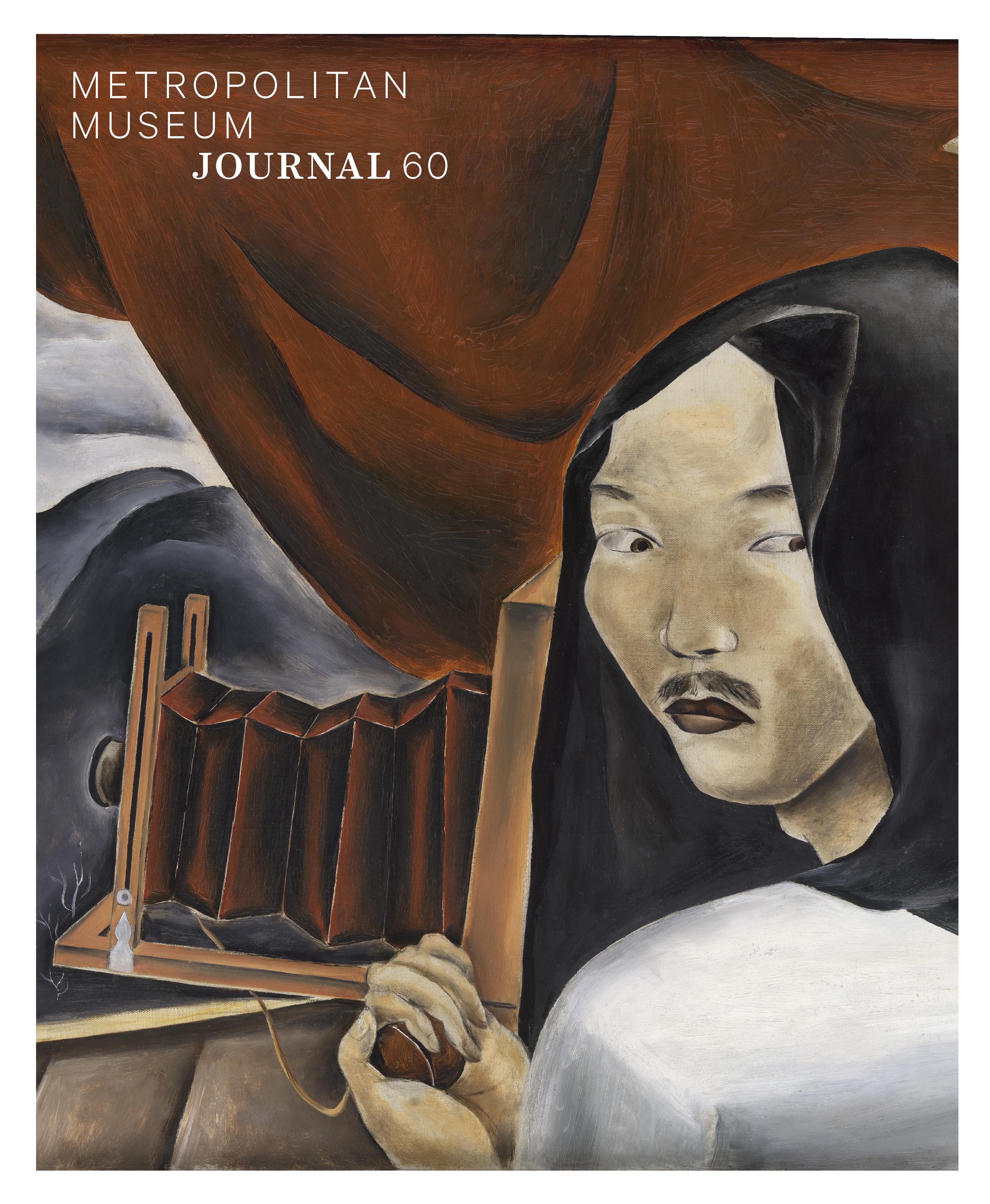 The Metropolitan Museum Journal is issued annually and publishes original research on works of art in the Museum’s collection.Download PDFFree to download
- The Metropolitan Museum Journal is issued annually and publishes original research on works of art in the Museum’s collection.Download PDFFree to download
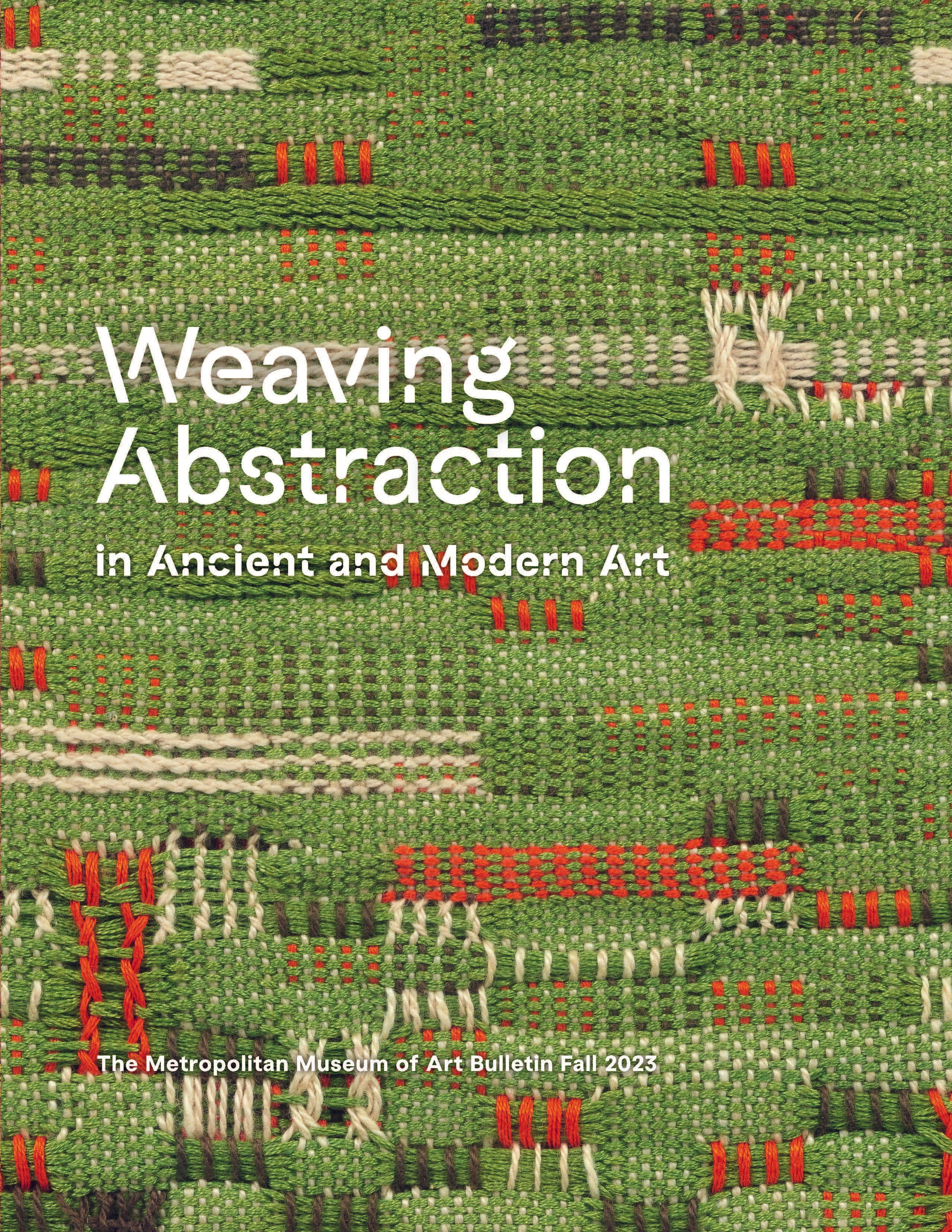 Expanding the understanding of textile and fiber arts, this edition of the Bulletin features two distinct bodies of work that are intimately connected despite being separated by hundreds of years. Placing ancient Andean textiles from South America by unknown artists in conversation with works by global modern practitioners—such as Anni Albers, Sheila Hicks, Lenore Tawney, and Olga de Amaral—Weaving Abstraction in Ancient and Modern Art shows how both traditions harnessed the structure of the loom to create dynamic geometric designs. The 50 extraordinary pieces in this volume span over 2000 years and illustrate weaving’s complex and varied ways of conveying meaning, from stunning iconography to bold structural choices. In highlighting the aesthetic and cultural choices of both ancient and modern artists, this publication elevates textile arts beyond mere ornament to assert their role in the history of art past and present.Download PDFFree to download
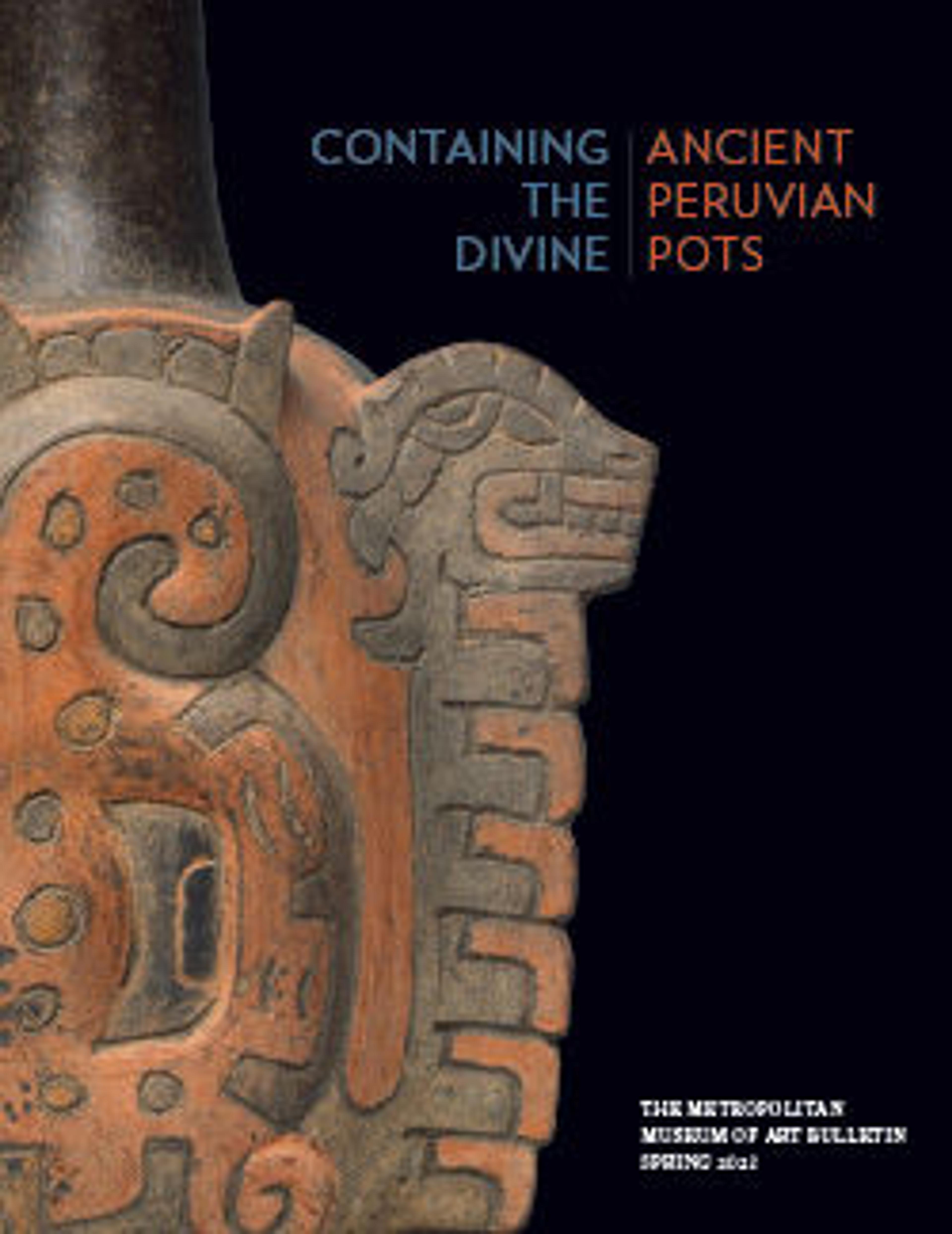 Pottery is one of the world’s most ancient and widespread technologies. Containing the Divine: Ancient Peruvian Pots explores how ceramic vessels can convey meaning far beyond their practical use. As this Bulletin attests, before the implementation of writing as we understand it today, Andean artisans used the shape and decoration of jars and bottles to communicate essential information for ritual practice and to promote the exchange of ideas. The more than 40 evocative works featured in these pages represent some 2,500 years of creativity in ancient Peru, with a focus on how these imaginative works served as conduits to worldly and divine power. Providing a rich opportunity to reflect on devotional practices of the past and today, Containing the Divine also shows how the legacy of these pots has inspired subsequent generations worldwide, from nineteenth-century British potters and French Post-Impressionist Paul Gaugin to contemporary Peruvian artist Juan Javier Salazar.Download PDFFree to download
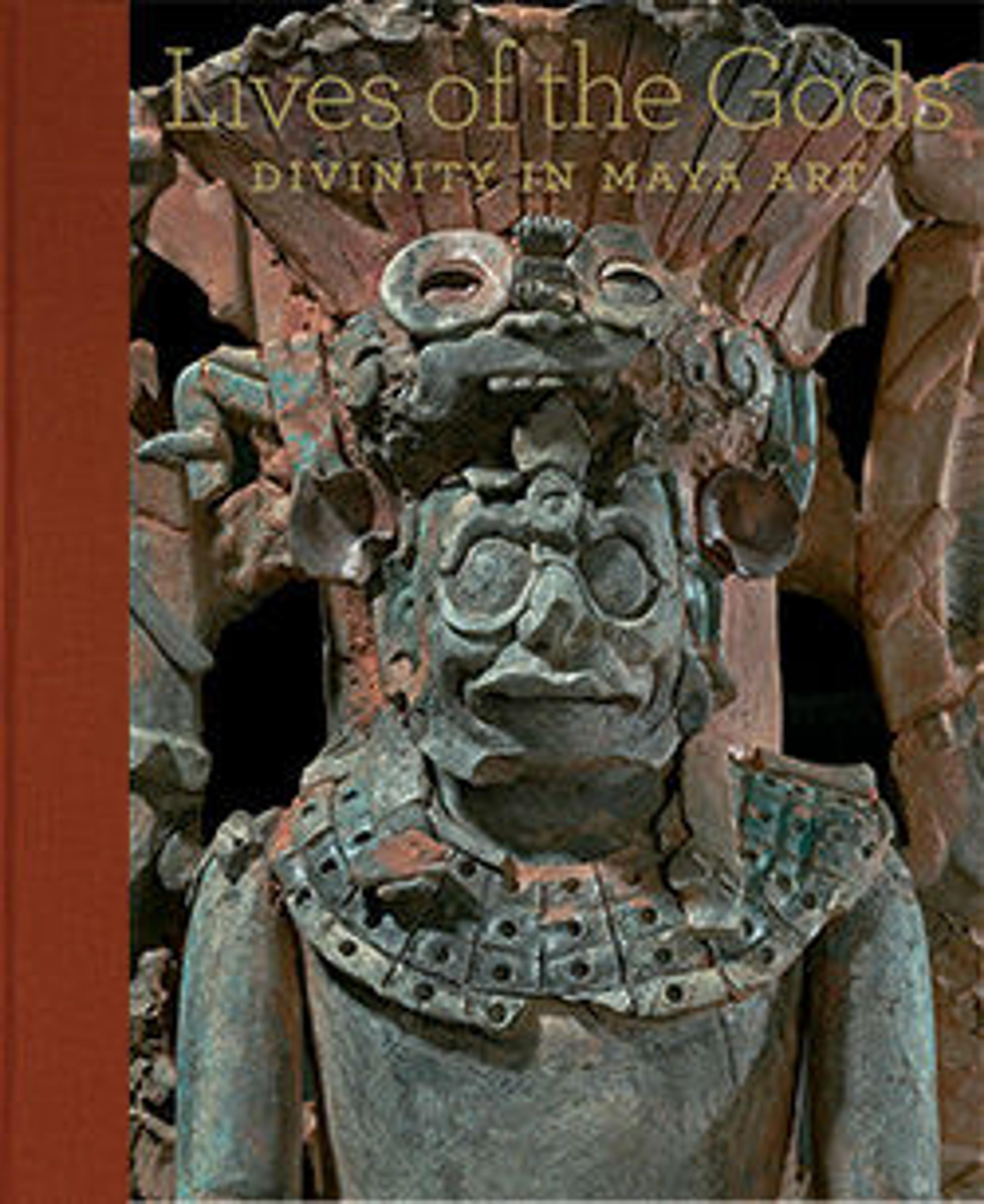 An introduction to the complex stories of Mesoamerican divinity through the carvings, ceramics, and metalwork of the Maya Classic period Lives of the Gods reveals how ancient Maya artists evoked a pantheon as rich and complex as the more familiar Greco-Roman, Hindu-Buddhist, and Egyptian deities. Focusing on the period between A.D. 250 and 900, the authors show how this powerful cosmology informed some of the greatest creative achievements of Maya civilization.
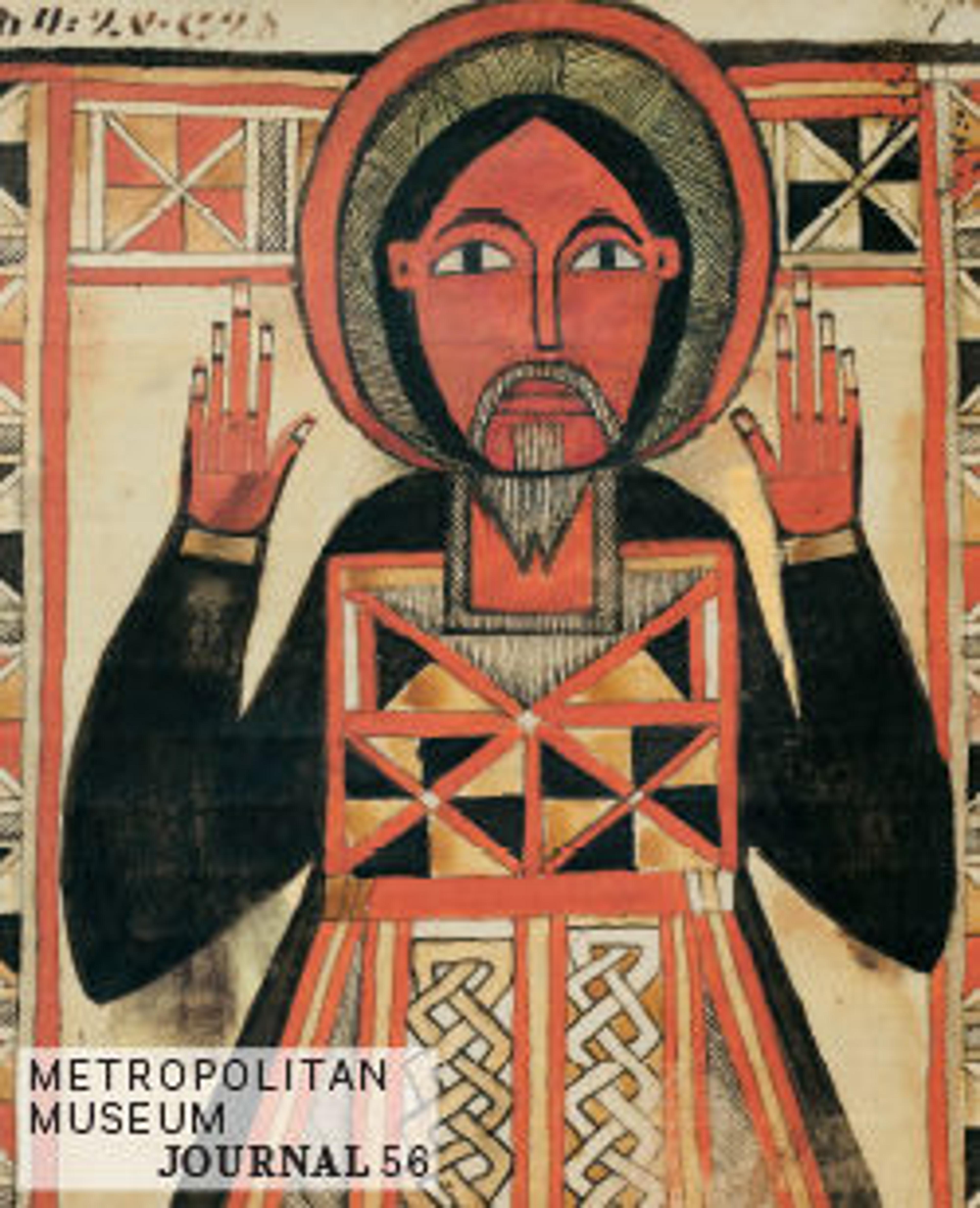 The Metropolitan Museum Journal is issued annually and publishes original research on works of art in the Museum’s collection. Highlights of volume 56 include an investigation into the politics that governed dispersal of a pair of Sèvres elephant-head vases during the French Revolution, a consideration of imagery used in a rare seventeenth-century Ethiopian prayer book, and a critique of the Museum’s early collecting of ancient art of the Americas.Download PDFFree to download
- Download PDFFree to download
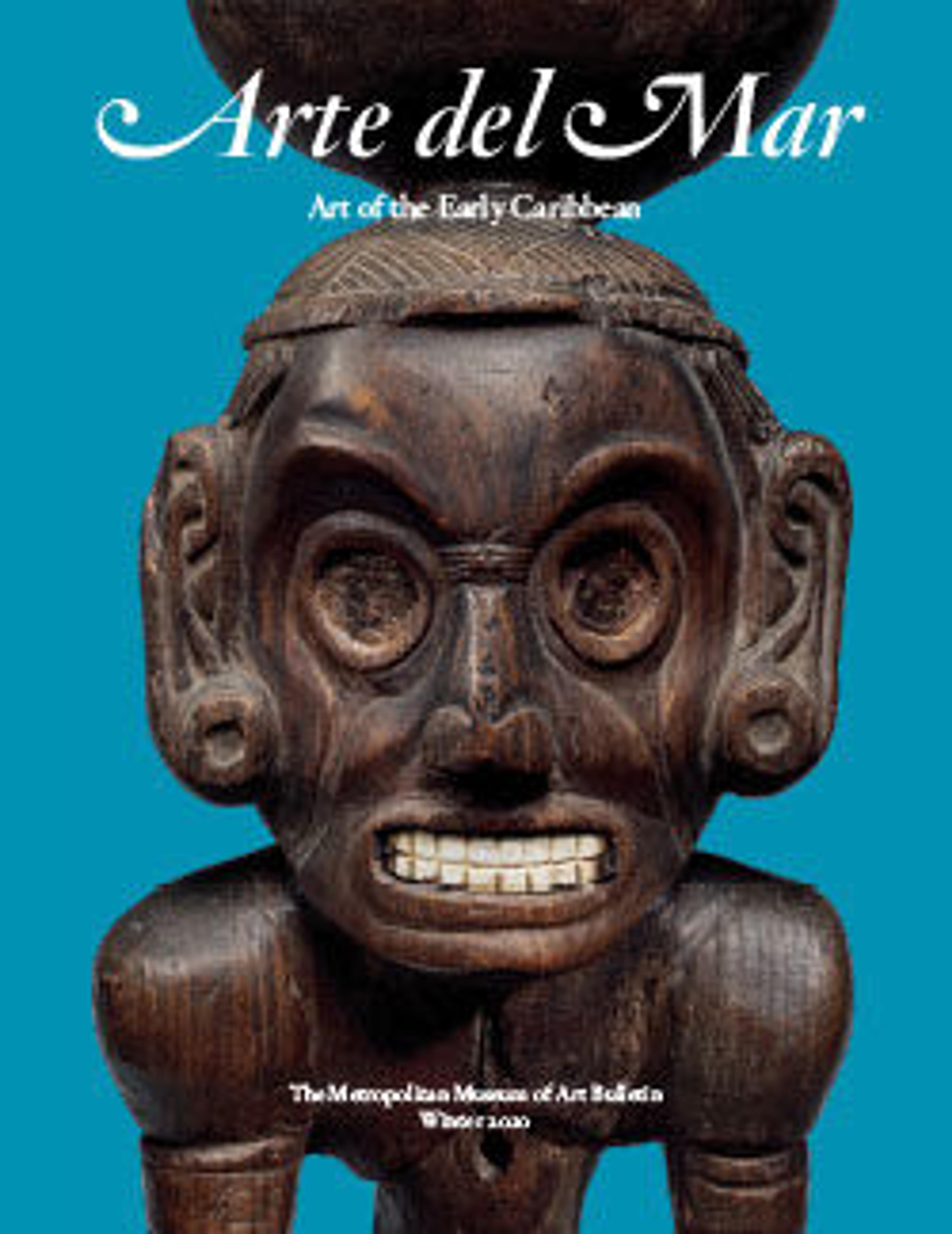 Arte del Mar explores the diverse, interconnected history of the indigenous peoples of the Caribbean, where the sea was a vital source of cultural exchange. Before the arrival of Europeans, Caribbean societies formed a vast, multilingual network characterized by complex relationships among neighbors and distant contacts alike. Colonization and the subsequent forced mass migration of enslaved peoples from Africa later contributed to the heterogeneous culture of the region. Providing the first holistic look at Caribbean art, this Bulletin features masterworks from the early first millennium to the present, including works by celebrated Taíno artists from the Greater Antilles, as well as fascinating objects from lesser-known societies such as the Tairona from Colombia; the diverse kingdoms in Veraguas, Panama; and the communities in the Ulúa Valley, Honduras. A brief exploration of more contemporary artistic practice yields further insight into this unique ancestral legacy. Whether ancient or modern, the artworks presented here share a formal grammar linking politics, mythology, and ritual performance, revealing a distinctly Caribbean approach to creativity.Download PDFFree to download