Stiamo lavorando per tradurre questa pagina il prima possibile. Grazie per la comprensione.

Search the collection

Filter By

Object Type / Material
Geographic Location
Department
Date
Show Only:
  • As part of the Met's Open Access policy, you can freely copy, modify and distribute this image, even for commercial purposes.
    APIPublic domain data for this object can also be accessed using the Met's Open Access API
Showing 169 results for ankh
Sort by:
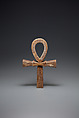
Model ankh, Wood
ca. 1981–1802 B.C.
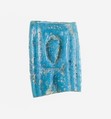
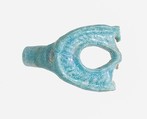
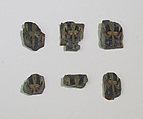
Ankh Ring Fragment, Faience, blue
ca. 1390–1352 B.C.
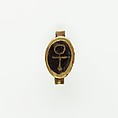
Cowroid Inscribed with an Ankh, Hematite, gold
ca. 1492–1473 B.C.
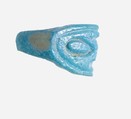
Ring Fragment with ankh, Faience, blue
ca. 1390–1352 B.C.
Ring Fragment with Ankh, Faience, blue
ca. 1390–1352 B.C.
Ring Fragment with Ankh, Faience, dark blue
ca. 1390–1352 B.C.
Ring Fragment with ankh, Faience, apple green
ca. 1390–1352 B.C.
Ring Fragment with ankh, Faience, blue
ca. 1390–1352 B.C.
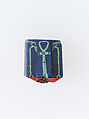
Inlay, ankh, was scepters, Glass
100 BC–100 AD
Cowroid Inscribed with an Ankh, Faience
ca. 1492–1473 B.C.
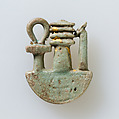
Ankh, djed, was on neb basket, Faience, gilding
664–30 B.C.
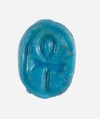
Scarab Inscribed with an Ankh, Faience
ca. 1390–1352 B.C.
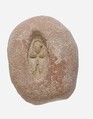
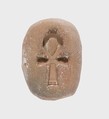
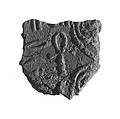
Mold for an Ankh Amulet, Pottery
ca. 1390–1352 B.C.
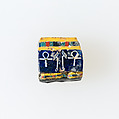
Inlay, ankh with was scepters, Glass
100 BC–100 AD
Inlay, ankh with was scepters, Glass
100 BC–100 AD
ca. 1295–1070 B.C.
ca. 1295–1070 B.C.
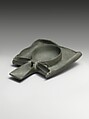
Libation Dish Depicting Ka-Arms Presenting an Ankh-Sign, Greywacke
ca. 3100–2900 B.C.
Ring Fragment Inscribed with an Ankh, Faience
ca. 1390–1352 B.C.
Inlay fragment, ankh and was scepters, Glass
100 BC–100 AD
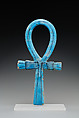
Ceremonial Implement in the Shape of an Ankh, Faience
ca. 1400–1390 B.C.
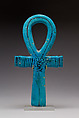
Ceremonial Implement in the Shape of an Ankh, Faience
ca. 1400–1390 B.C.
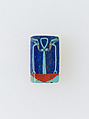
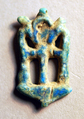
Amulet with an Ankh and Two Was Scepters, Faience
ca. 1390–1352 B.C.
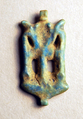
Amulet with an Ankh and Two Was Scepters, Faience
ca. 1390–1352 B.C.
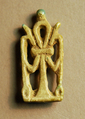
Amulet with an Ankh and Two Was Scepters, Faience
ca. 1390–1352 B.C.
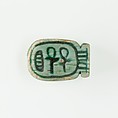
Plaque in the Form of a Cartouche; two ankhs; ankh, two nefers, Glazed steatite
ca. 1492–1473 B.C.
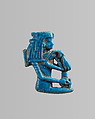
Amulet of seated goddess / queen with ankh and flail, Blue faience
ca. 1390–1295 B.C.
Mold for a Ring Bezel with an Ankh Hieroglyph, Pottery
ca. 1390–1352 B.C.
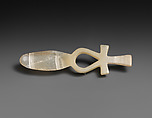
Cosmetic spoon with a handle in the shape of an ankh, Travertine (Egyptian alabaster)
ca. 1887–1750 BC
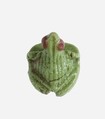
Frog Seal Amulet with an Ankh Hieroglyph on the Base, Faience
ca. 1390–1352 B.C.
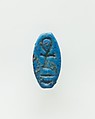
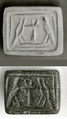
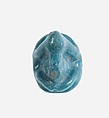
Cowroid Stamp Seal with an Ankh Inscribed on the Base, Faience
ca. 1390–1352 B.C.
Frog Seal Amulet with an Ankh Hieroglyph on the Base, Faience
ca. 1390–1352 B.C.
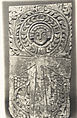
Funerary Stele with Ankh (Looped Cross) Featuring a Human Face at the Center, Limestone; carved in relief
6th–7th century
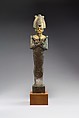
Statuette of Osiris with the epithets Neb Ankh and Khentyimentiu, donated by Padihorpare, Cupreous metal, gold leaf
ca. 588–526 BC
ca. 1353–1336 B.C.
Blue-painted Jar from Malqata with Hathor Emblem, pottery, slip, paint
ca. 1390–1352 B.C.
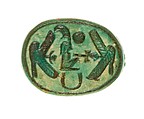
Scarab Inscribed with the Name Maatkare (Hatshepsut) Flanked by Two Falcons, One Proffering an Ankh, Steatite (glazed)
ca. 1479–1458 B.C.
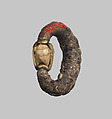
Ring with a scarab inscribed with an ankh, Silver, travertine (Egyptian alabaster), gold
ca. 1070–712 B.C.
Inlay elements from shrine: ankh and was pattern, Glass
380–30 B.C.
Lintel depicting Horus offering an <em>ankh</em> sign to the Horus name of King Amenemhat I, Limestone, paint
ca. 1981–1952 BCE