Search the collection

Filter By

Object Type / Material
Geographic Location
Department
Date
Show Only:
  • As part of the Met's Open Access policy, you can freely copy, modify and distribute this image, even for commercial purposes.
    APIPublic domain data for this object can also be accessed using the Met's Open Access API
  • Objects with changed or unknown ownership in continental Europe between 1933-1945. Learn more
Showing 1,053 results for anubis
Sort by:
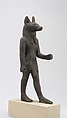
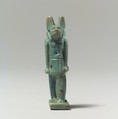
Anubis, Cupreous metal
664–30 B.C.
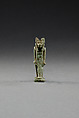
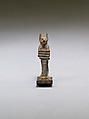
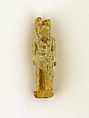
Anubis Amulet, Faience
ca. 664–30 B.C.
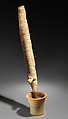
Anubis Fetish (Imiut), Travertine (Egyptian alabaster), cedar, ointment
ca. 1919–1885 B.C.
Anubis as Defender of Osiris / Dionysus (?), gold
A.D. 2nd–3rd century, probably
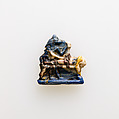
Amulet of Anubis on his Shrine, Electrum
ca. 1850–1775 B.C.
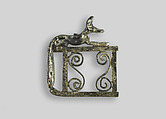
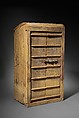
Shrine for Anubis fetish (Imiut), Wood, paint
ca. 1919–1885 B.C.
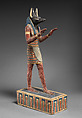
Statuette of a canid-headed god, probably Anubis, Plastered and painted wood
332–30 BCE
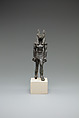
Anubis, Bronze or cupreous alloy
664–30 B.C.
Anubis, Bronze or cupreous alloy
664–30 B.C.
664–332 B.C.
664–332 B.C.
664–30 B.C.
664–30 B.C.
664–30 B.C.
664–30 B.C.
Anubis Amulet, Faience
664–30 B.C.
Anubis (?) supporting a large djed pillar, wood
664–30 B.C.
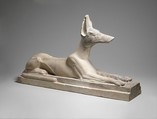
Statue of Anubis as a recumbent canid, Limestone, originally painted black
343–30 BCE
Amulet showing  Anubis standing over mummy on bier, Glass
332–30 B.C.
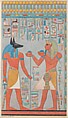
The King with Anubis, Tomb of Haremhab, Lancelot Crane  British, Tempera on paper
Lancelot Crane
A.D. 1910–1911; original ca. 1323–1295 B.C.
Anubis amulet, Ivory
ca. 2110–2030 B.C.
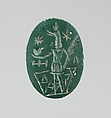
Jasper intaglio: Standing Anubis, Jasper, green, Roman
Roman
2nd century CE
Anubis with scepter, Bronze or cupreous alloy
664–30 B.C.
Anubis head amulet, Ivory
ca. 2110–2030 B.C.
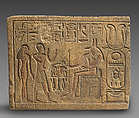
Relief showing a priest and a woman worshipping Anubis, Sandstone, paint
ca. 1400–1390 BCE
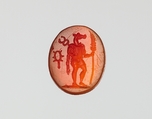
Carnelian intaglio: Standing Anubis, Carnelian, Roman
Roman
ca. 2nd–3rd century CE
664–30 B.C.
1st century B.C.–A.D. 4th century
Norman de Garis Davies
ca. 1294–1279 B.C.
Faience amulet of a canine-headed Anubis, Faience, Egyptian
Egyptian
664–334 BCE
Faience amulet of a canine-headed Anubis, Faience, Egyptian
Egyptian
664–334 BCE
Anubis or Imiut fetish (see 14.3.19–.20), Linen, animal hide with short hair; wood; animal remains
ca. 1919–1885 B.C. or 1887–1878 B.C.
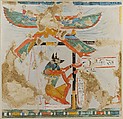
Anubis Weighing the Heart, Tomb of Nakhtamun, Nina de Garis Davies, Tempera on paper
Nina de Garis Davies
ca. 1279–1213 B.C.
664–30 B.C.
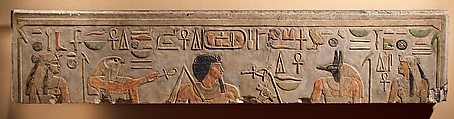
Lintel depicting King Amenemhat I flanked by Nekhbet, Horus, Anubis, and Wadjet, Limestone, paint
ca. 1981–1952 BCE
Scarab with blessing related to Amun, Glazed limestone
ca. 1295–664 B.C.
Scarab Inscribed With the Name Aakheperenre (Thutmose II), Glazed steatite
ca. 1492–1479 B.C.
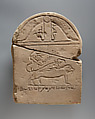
Stela of Pekysis, Limestone
1st century B.C.–A.D. 4th century
Shrine inlay, White stone
522–343 B.C.
Wall painting on black ground: Egyptianizing scene and pair of swans, from the imperial villa at Boscotrecase, Fresco, Roman, Pompeian
Roman, Pompeian
last decade of the 1st century BCE