Search the collection

Filter By

Object Type / Material
Geographic Location
Department
Date
Show Only:
  • As part of the Met's Open Access policy, you can freely copy, modify and distribute this image, even for commercial purposes.
    APIPublic domain data for this object can also be accessed using the Met's Open Access API
  • Objects with changed or unknown ownership in continental Europe between 1933-1945. Learn more
More than 10,000 results for the-adoration-of-the-magi
Sort by:
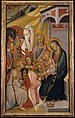
The Adoration of the Magi, Bartolo di Fredi  Italian, Tempera and gold on wood
Bartolo di Fredi
ca. 1390
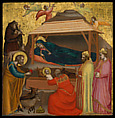
The Adoration of the Magi, Giotto di Bondone  Italian, Tempera on wood, gold ground
Giotto di Bondone
possibly ca. 1320
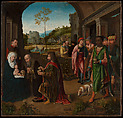
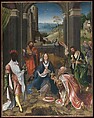
The Adoration of the Magi, Gerard David and Workshop Netherlandish, Oil on wood
Gerard David
ca. 1520
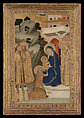
The Adoration of the Magi, Italian, Neapolitan Follower of Giotto, Tempera on wood, gold ground, Italian, Naples
Italian, Neapolitan Follower of Giotto
ca. 1340–43
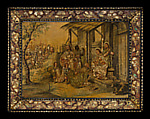
The Adoration of the Magi, Miguel Gonzalez (Mexico, active 1692-1704) Mexican, Oil on wood, inlaid with mother-of-pearl, gold, Mexico
Miguel Gonzalez
ca. 1695–1700
Tabernacle House Altar with the Adoration of the Shepherds, the Adoration of the Magi, and the Annunciation., Reinhold Vasters (frame) German, Ebony-veneered soft wood, silver gilt, rock crystal, agate, and reverse painted and gilded glass.
Reinhold Vasters
Italian
second half 16th century (panels); ca. 1865–90 (frame)
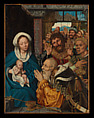
The Adoration of the Magi, Quinten Massys  Netherlandish, Oil on wood
Quinten Massys
1526
The Adoration of the Magi, Hieronymus Bosch  Netherlandish, Oil and gold on oak
Hieronymus Bosch
ca. 1475
The Adoration of the Magi, Giovanni Battista Tiepolo  Italian, Oil on canvas
Giovanni Battista Tiepolo
late 1750s
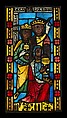
The Adoration of the Magi, Pot-metal glass and vitreous paint, German
German
ca. 1290–1300
The Adoration of the Magi, Pot-metal glass and vitreous paint, German
German
ca. 1290–1300
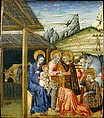
The Adoration of the Magi, Giovanni di Paolo (Giovanni di Paolo di Grazia)  Italian, Tempera and gold on wood
Giovanni di Paolo (Giovanni di Paolo di Grazia)
ca. 1460
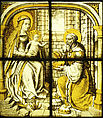
The Adoration of the Magi, Joos van Wassenhove  Netherlandish, Distemper on canvas
Joos van Wassenhove
1472–74
The Adoration of the Magi, Colorless glass, vitreous paint and silver stain, German
German
ca. 1510–15
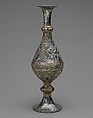
Flask with the Adoration of the Magi, Silver, silver-gilt, Byzantine
Byzantine
500s
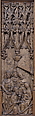
Panel with the Adoration of the Magi, Oak, French
French
early 16th century
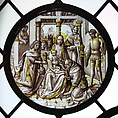
Roundel with the Adoration of the Magi, Hans Memling  Netherlandish, Colorless glass, vitreous paint and silver stain, South Netherlandish or Lower German
Hans Memling
ca. 1500
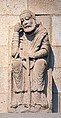
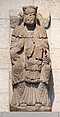
Joseph (from a group with the Adoration of the Magi), Limestone, Spanish
Spanish
ca. 1175–1200
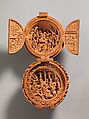
Prayer Bead with the Adoration of the Magi and the Crucifixion, Boxwood, Netherlandish
Netherlandish
early 16th century
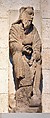
Wise Man (from a group with the Adoration of the Magi), Limestone, Spanish
Spanish
ca. 1175–1200
The Adoration of the Magi, Netherlandish (Antwerp Mannerist) Painter  Netherlandish, Oil on wood
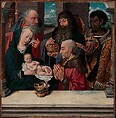
Netherlandish (Antwerp Mannerist) Painter
The Adoration of the Magi, Hugo van der Goes  Netherlandish, Oil on wood
Hugo van der Goes
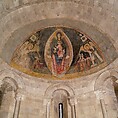
The Virgin and Child in Majesty and the Adoration of the Magi, Master of Pedret  Spanish, Fresco transferred to canvas, Catalan
Master of Pedret
ca. 1100
Virgin and Child (from an group with the Adoration of the Magi), Limestone, Spanish
Spanish
ca. 1175–1200
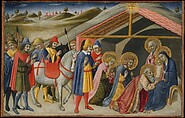
The Adoration of the Magi, Sano di Pietro (Ansano di Pietro di Mencio)  Italian, Tempera and gold on wood
Sano di Pietro (Ansano di Pietro di Mencio)
ca. 1470
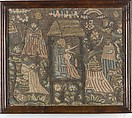
The Adoration of the Magi, Silk and metal thread on canvas, British
British
first quarter 17th century
The Adoration of the Magi, Silk and metal-wrapped thread on linen, Italian
Italian
early 16th century
The Adoration of the Magi, Valerio Belli (Il Vicentino), Gilt bronze, Italian, Vicenza
Valerio Belli (Il Vicentino)
16th century
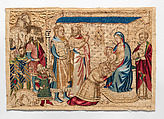
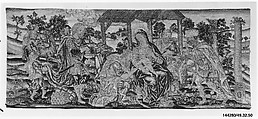
The Adoration of the Magi, Linen and cotton plain weave underlaid with linen plain weave and embroidered with silk and gilt-metal-strip-wrapped silk in bullion, split, and stem stitches, laid work, couching, and couching padded with cotton (couched with linen).  Underdrawing and wash in sepia ink.  Edging: hemp plain weave, Italian
Italian
late 14th century
Sculpture of a Wise Man (from a Group with the Adoration of the Magi), Limestone, Spanish
Spanish
ca. 1175–1200
Panel with the Adoration of the Magi, Elephant ivory, European
European
19th century, in medieval style
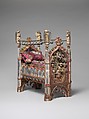
Crib of the Infant Jesus, Wood, polychromy, lead, silver-gilt, painted parchment, silk embroidery with seed pearls, gold thread, translucent enamels, South Netherlandish
South Netherlandish
15th century
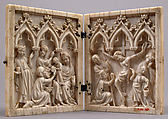
Diptych with the Adoration of the Magi and the Crucifixion, Elephant ivory with metal mounts, French or German
French or German
ca. 1310–20 or 1350–70
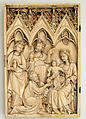
Leaf from a Diptych with the Adoration of the Magi, Elephant ivory with traces of paint and gold, metal mounts, French
French
ca. 1300–1325
German or Flemish
17th century
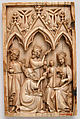
Leaf from a Diptych with the Adoration of the Magi, Elephant ivory, North French
North French
ca. 1350–75
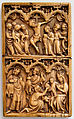
Writing Tablet with Crucifixion and the Adoration of the Magi, Elephant ivory, East French or Rhenish
East French or Rhenish
mid-14th century
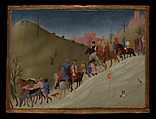
The Journey of the Magi, Sassetta (Stefano di Giovanni)  Italian, Tempera and gold on wood
Sassetta (Stefano di Giovanni)
ca. 1433–35
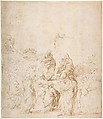
The Adoration of the Magi, Fra Bartolomeo (Bartolomeo di Paolo del Fattorino) (?) Italian, Pen and brown ink, over traces of black chalk
Fra Bartolomeo (Bartolomeo di Paolo del Fattorino)
ca. 1500
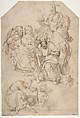
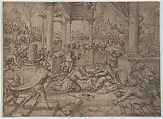
The Adoration of the Magi, Nosadella (Giovanni Francesco Bezzi)  Italian, Pen and brown ink, brush and brown wash, over traces of black chalk, with some traces of white gouache highlights (oxidized); the kneeling male figure at center reworked by the artist with pen and darker brown ink; a strip of paper added at the bottom and the design of the feet of the figure at lower left completed in brush and brown ink by an early hand, not that of the artist
Nosadella (Giovanni Francesco Bezzi)
1500–1571