柉禁诸器
Artwork Details
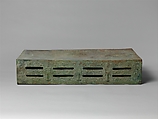
- 西周 青銅禮器
- 标题: 柉禁诸器
- 年代: 商和西周
- 创作日期: 公元前十一世纪晚期
- 地域: 中国
- 材料: 青铜
- 尺寸: 桌71⁄8 x 353⁄8 x 181⁄4 英寸(18.1 x 89.9 x 46.4厘米)
- 来源信息: 孟赛基金,1931年
- 藏品编号: 24.72.1–14
- Curatorial Department: Asian Art
Audio
949. Kids: Ritual Altar Set
Gallery 207
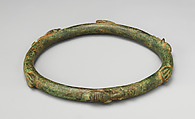
The bronze warming, serving, and drinking vessels in this display case are more than three thousand years old. Walk around the case to see how they're decorated. Look for details such as dragons, birds, or masks. Bronze vessels like these played a role in ancient Chinese religion. Such bronzes held food or wine—gifts placed on an altar as offerings. People pray to their ancestors' spirits, asking them to protect the living. Like most of the art in this gallery, these bronzes survived because they were buried in someone's tomb. Tombs have taught us most of what we know about life in ancient China. The ancient Chinese believed that in the next world, the dead would need everything they once had on earth. They designed a tomb as an eternal home filled with food, clothing, furniture, and money. They also provided bronze vessels like these so that in the next world, the dead could receive offerings forever.
More Artwork
Related Content

Research Resources
The Met provides unparalleled resources for research and welcomes an international community of students and scholars. The Met's Open Access API is where creators and researchers can connect to the The Met collection. Open Access data and public domain images are available for unrestricted commercial and noncommercial use without permission or fee.
To request images under copyright and other restrictions, please use this Image Request form.
Feedback
We continue to research and examine historical and cultural context for objects in The Met collection. If you have comments or questions about this object record, please contact us using the form below. The Museum looks forward to receiving your comments.
Content Notice
The Metropolitan Museum of Art presents over 5,000 years of art from around the world, and our online collection reflects ongoing work conducted over the course of our more than 150-year history. You may encounter objects or images that may be inappropriate for some viewers or information that may be outdated.