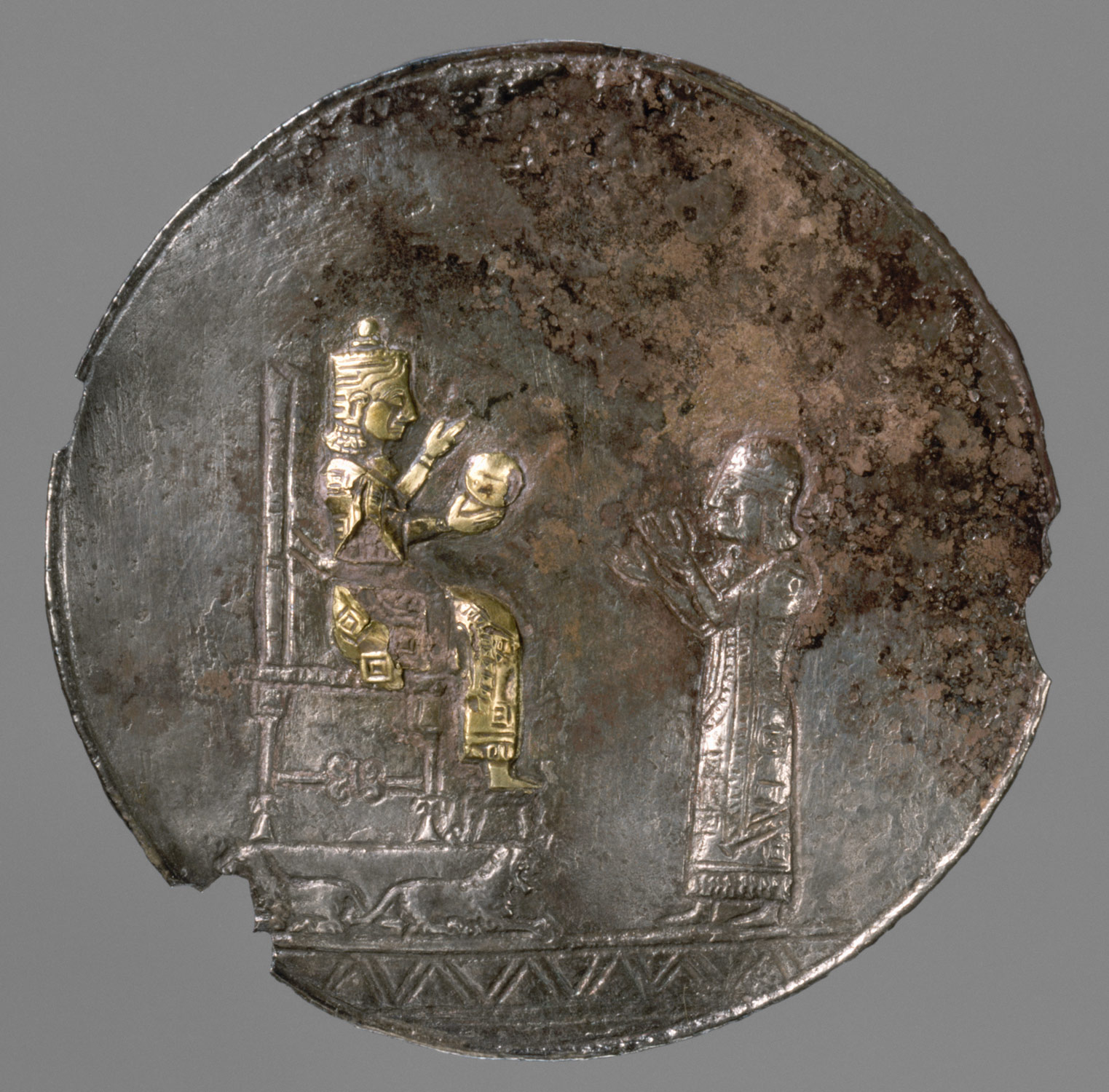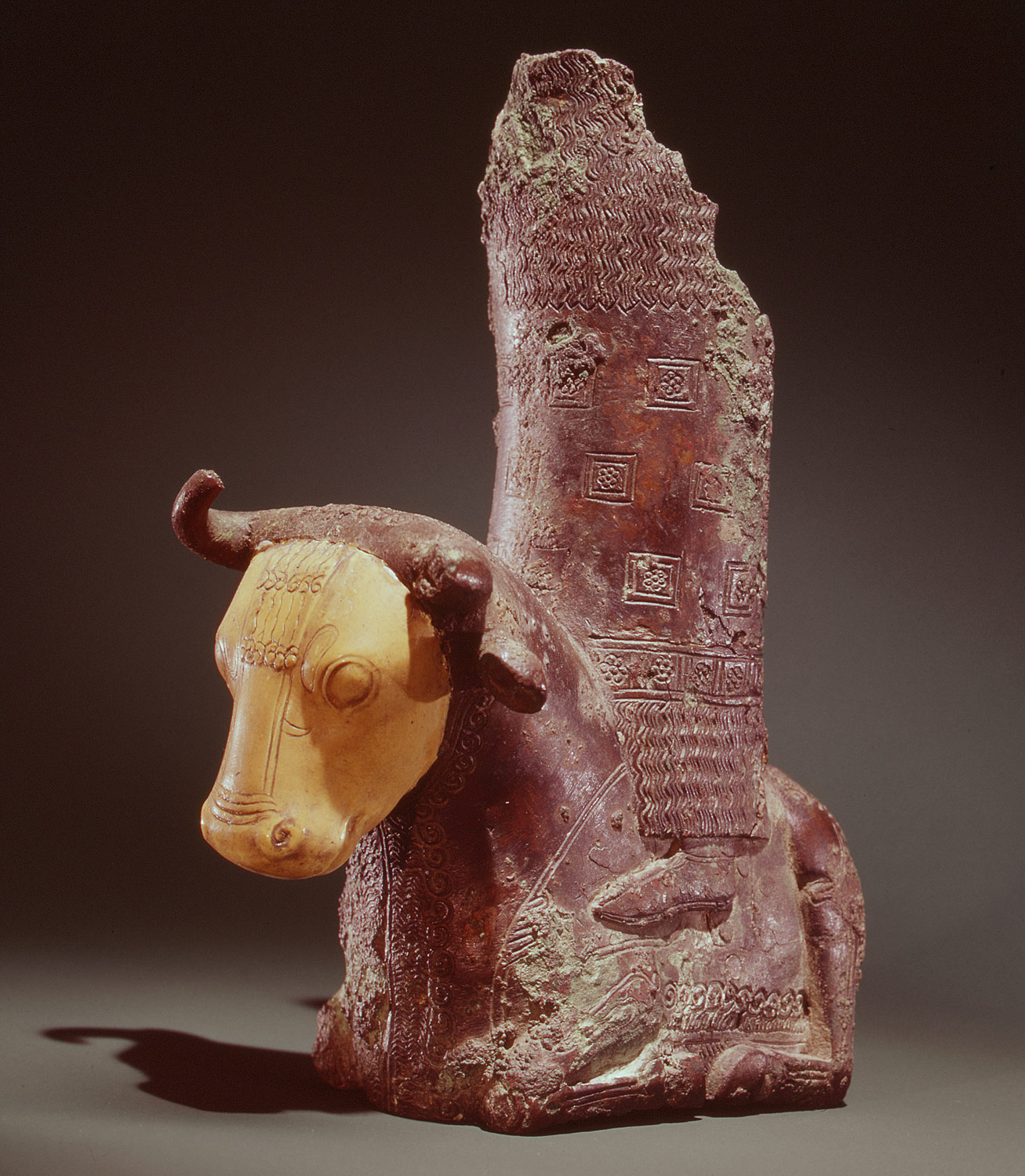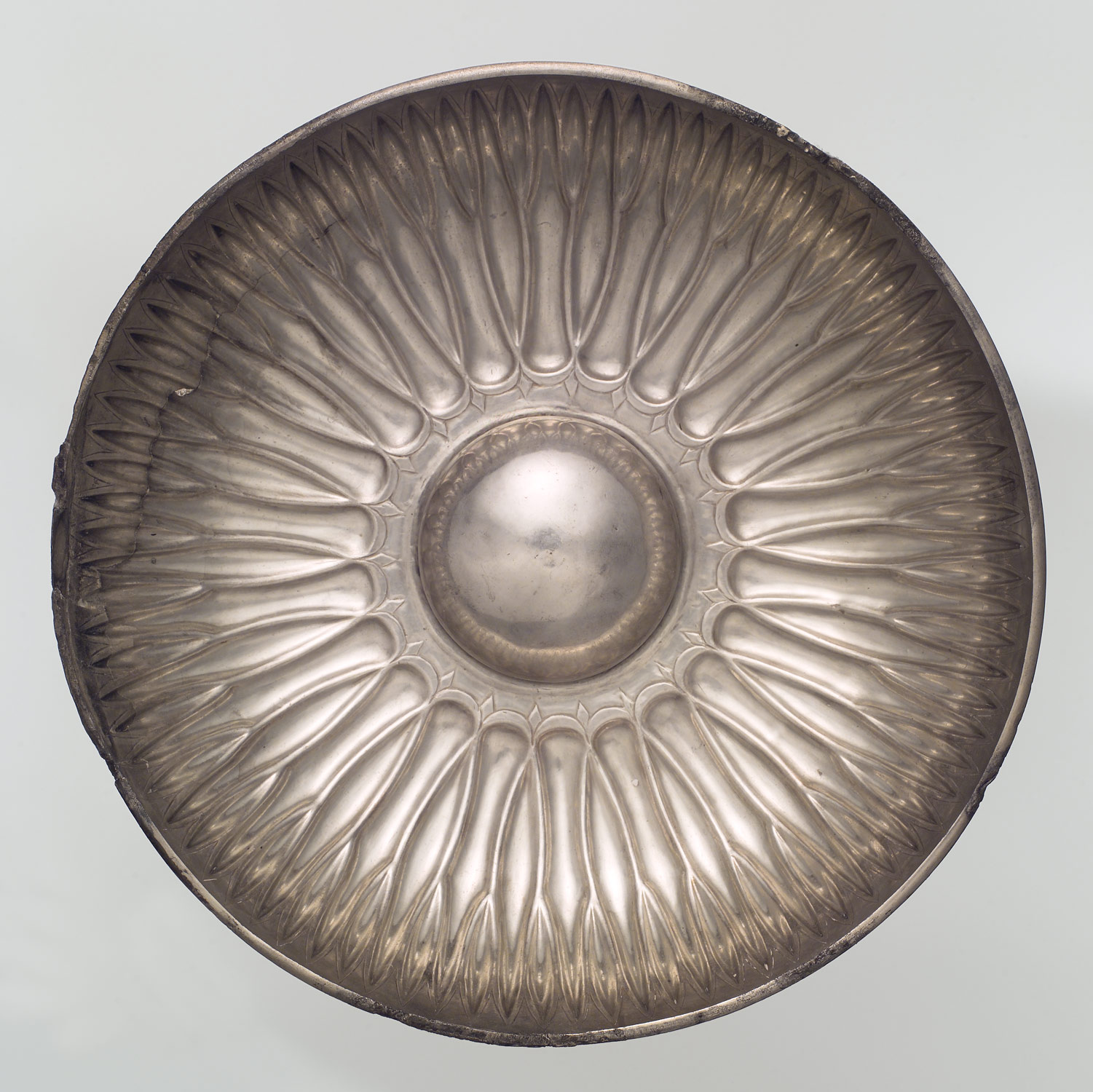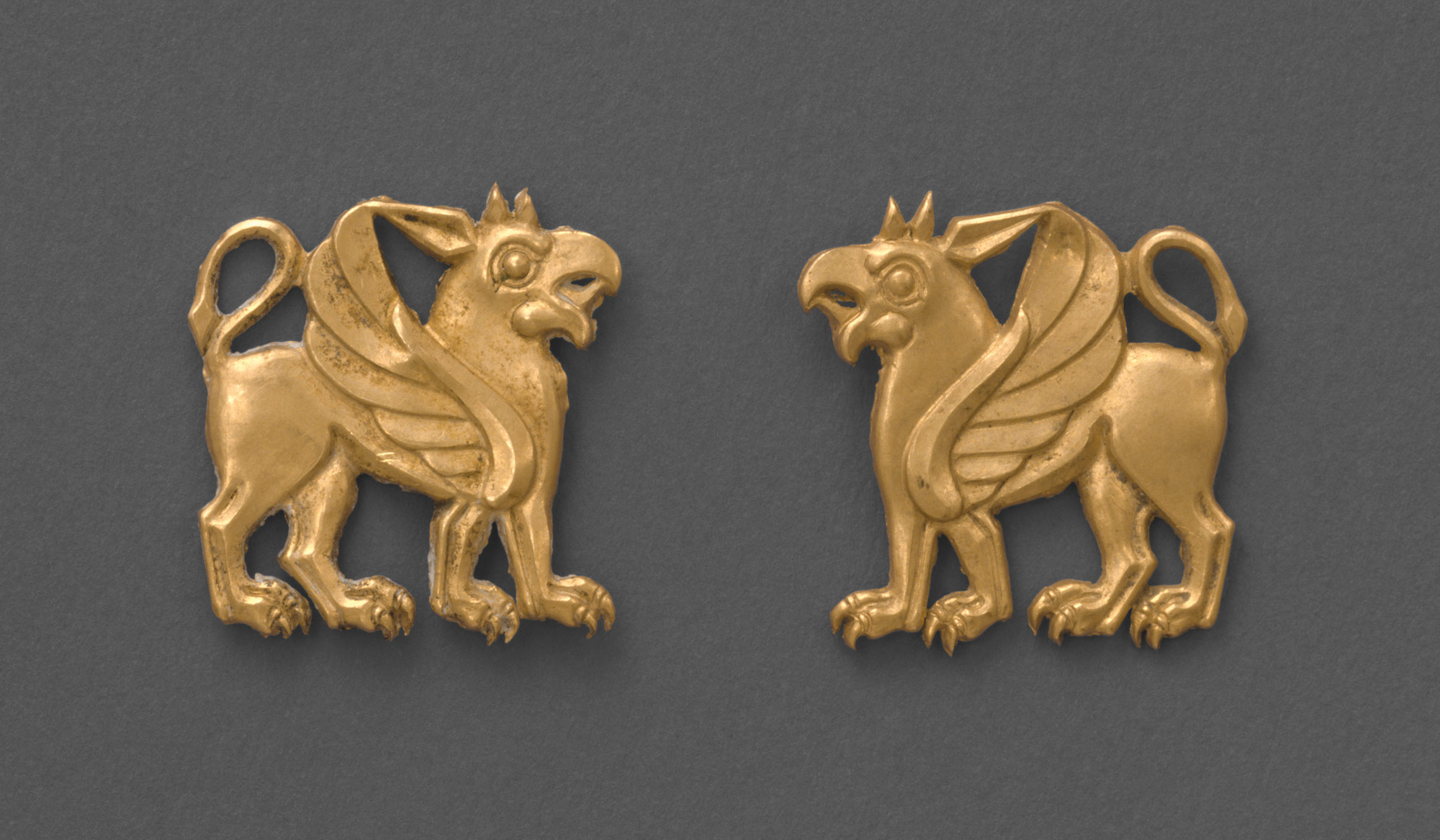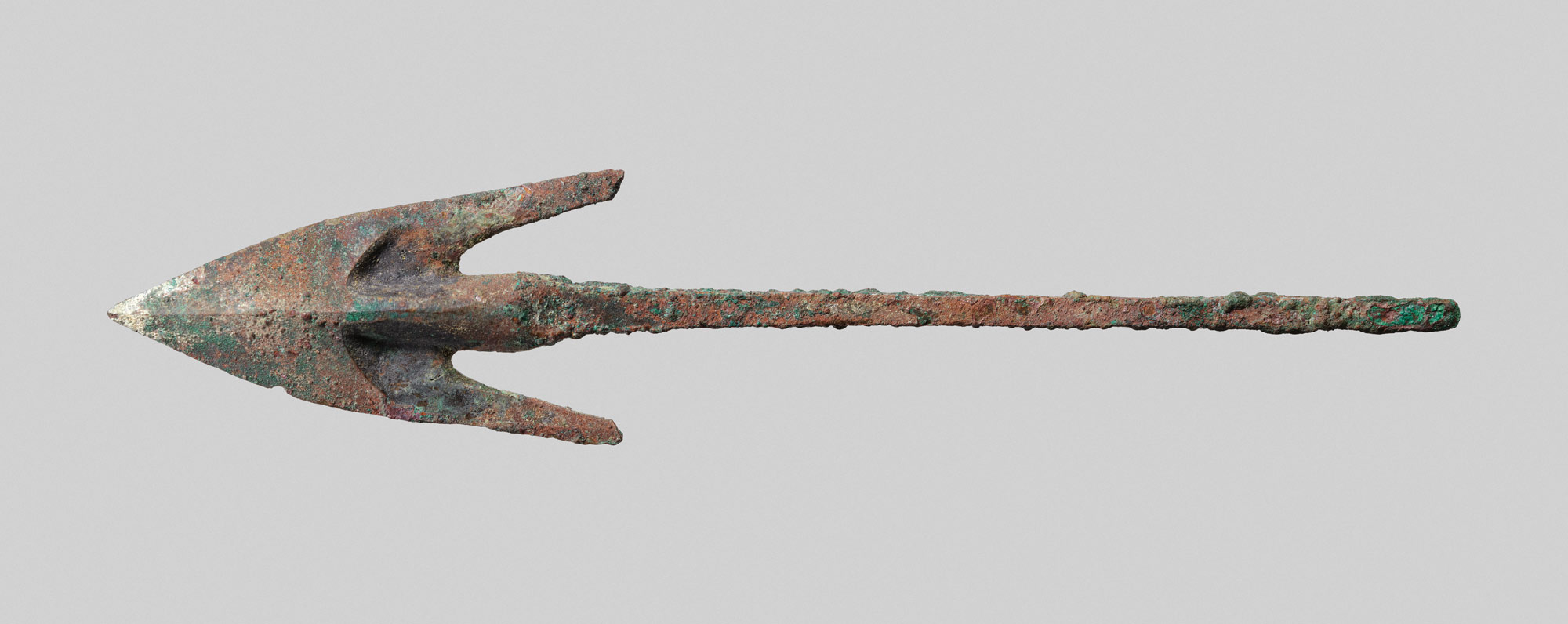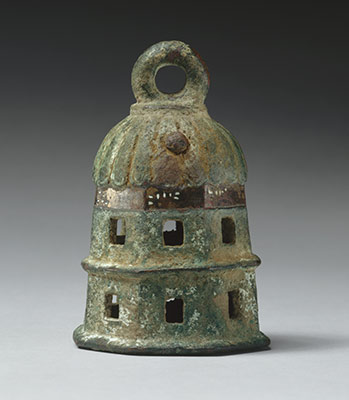
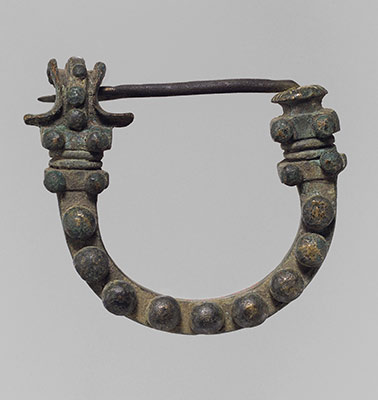
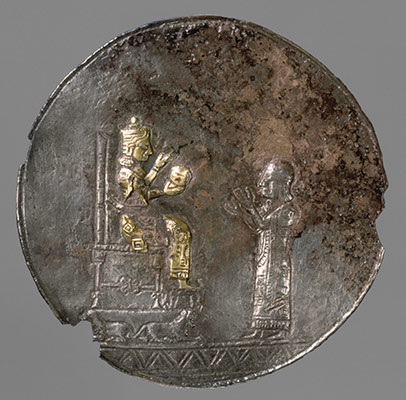
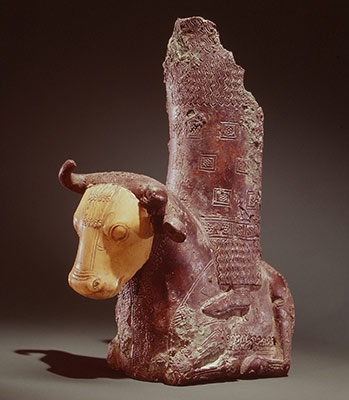
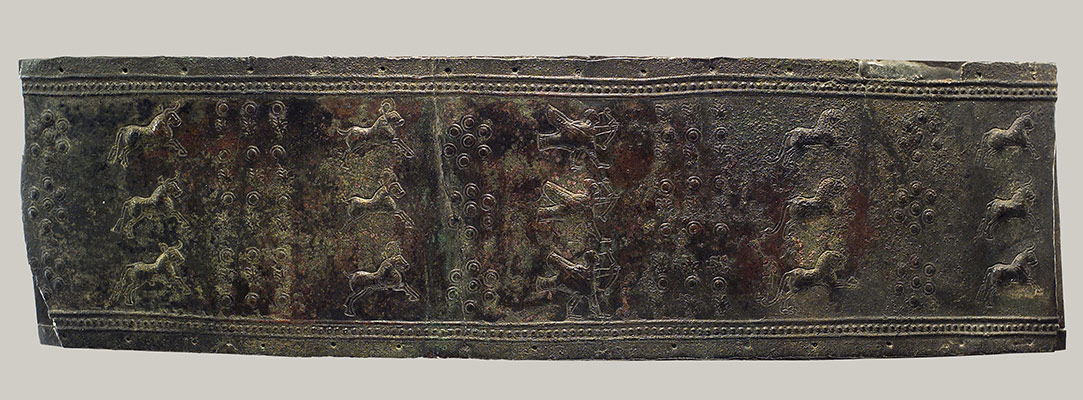
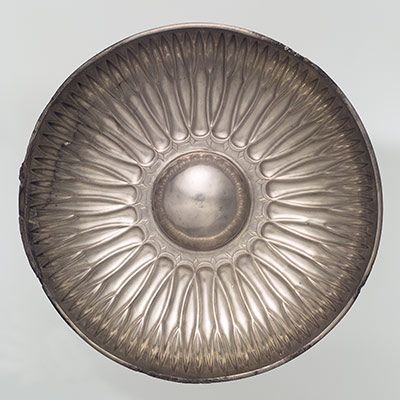
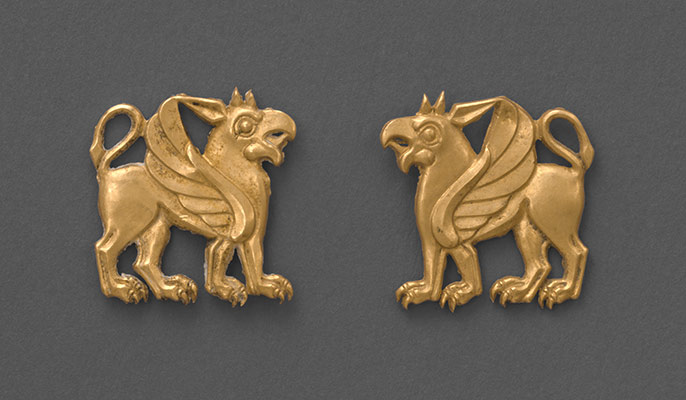
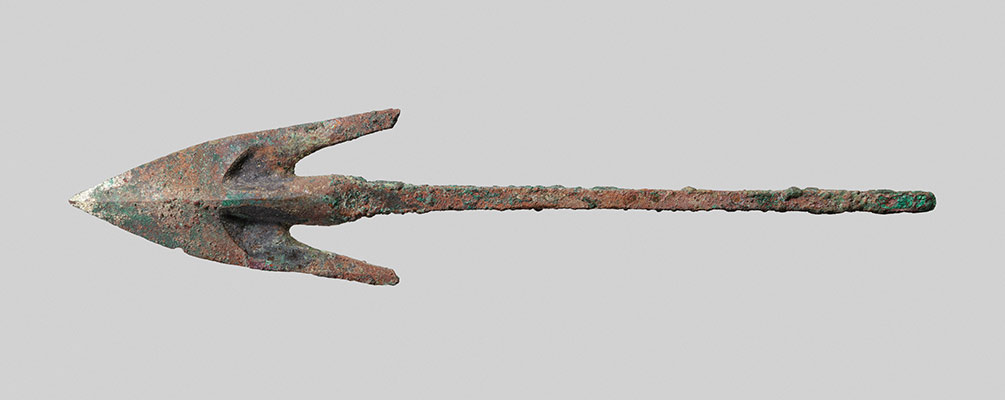
In Anatolia, the first millennium B.C. begins in a period of disruption and decentralization: new states form and regroup. Greek colonies are established in southern and western Anatolia and, later, on the Black Sea coasts. By the late eighth century B.C., the Neo-Assyrian empire, with its capital cities in Mesopotamia, confronts small kingdoms in both Anatolia and the Southern Caucasus, including Urartu, Phrygia, and (later) Lydia. From the mid-sixth century B.C., the area is ruled by Persian satraps (governors) as part of the vast Achaemenid empire. In 333 B.C., the armies of Alexander of Macedon launch their successful attack on the Persian empire. Within twenty years of Alexander’s death (323 B.C.), his empire is divided into four kingdoms. Control of Anatolia is divided between the Seleucids—who dominate Syria and Mesopotamia—and the Ptolemies of Egypt. Cities on the Aegean coast remain independent. By 200 B.C., Rome‘s imperial ambitions fuel eastward expansion; by the first century B.C., the remaining Hellenistic kingdoms become vassal states. Emperor Augustus annexes Anatolia to Rome.
Anatolia and the Caucasus (Asia Minor), 1000 B.C.–1 A.D.
-
 1977.186
 -
 1970.231.1
 -
 1989.281.20
 -
 50.163
 -
 52.123
 -
 66.116
 -
 24.97.50
 -
 1991.314.4
Timeline
1000 B.C.
750 B.C.
ANATOLIA WEST
ANATOLIA CENTRAL
ANATOLIA EAST
CAUCASUS NORTHERN
CAUCASUS SOUTHERN
750 B.C.
500 B.C.
ANATOLIA WEST
ANATOLIA CENTRAL
ANATOLIA EAST
CAUCASUS NORTHERN
CAUCASUS SOUTHERN
500 B.C.
250 B.C.
ANATOLIA WEST
ANATOLIA CENTRAL
ANATOLIA EAST
CAUCASUS NORTHERN
CAUCASUS SOUTHERN
250 B.C.
1 A.D.
ANATOLIA WEST
ANATOLIA CENTRAL
ANATOLIA EAST
CAUCASUS NORTHERN
CAUCASUS SOUTHERN
Overview
Key Events
-
late 2nd–early 1st millennium B.C.
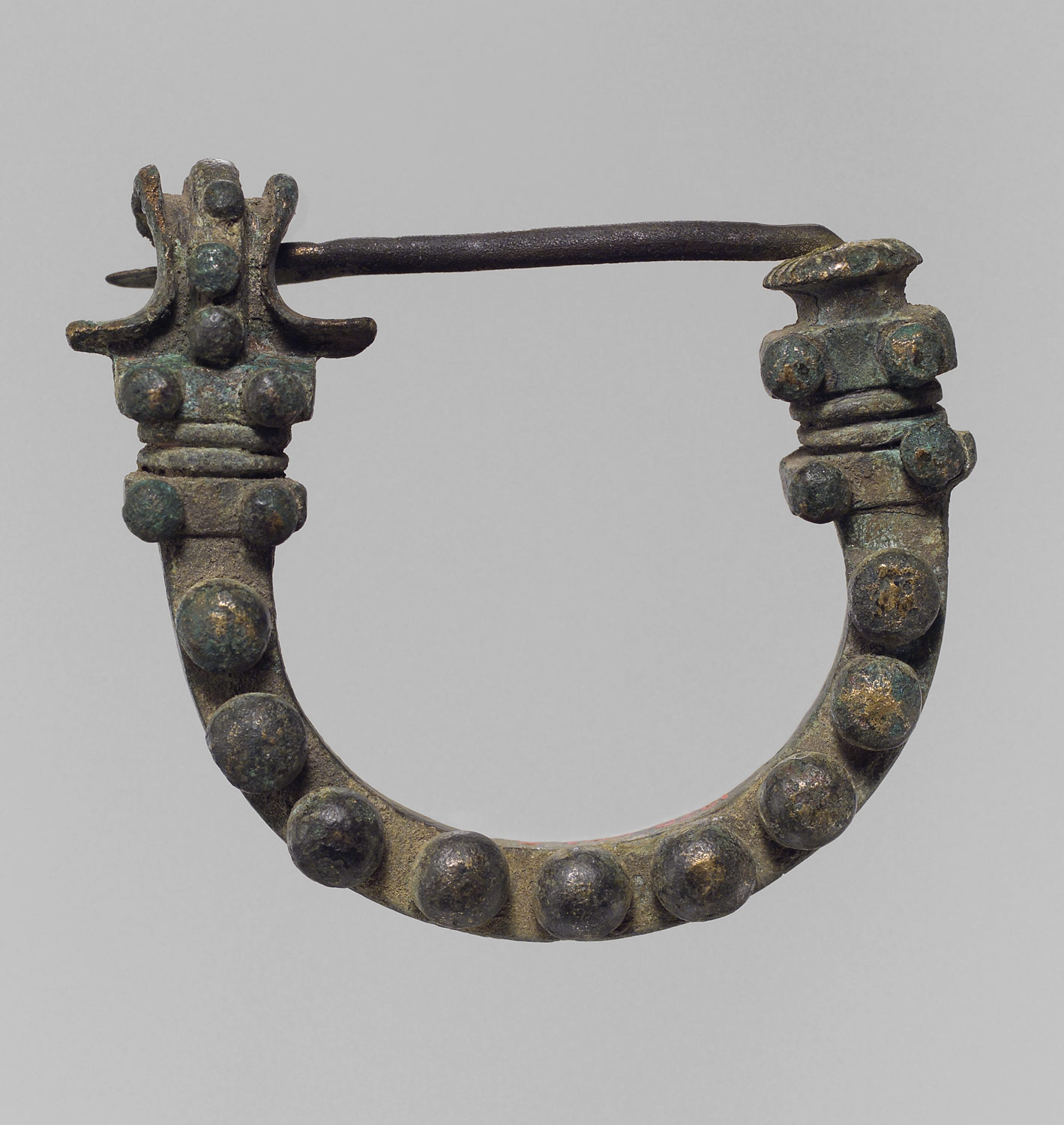
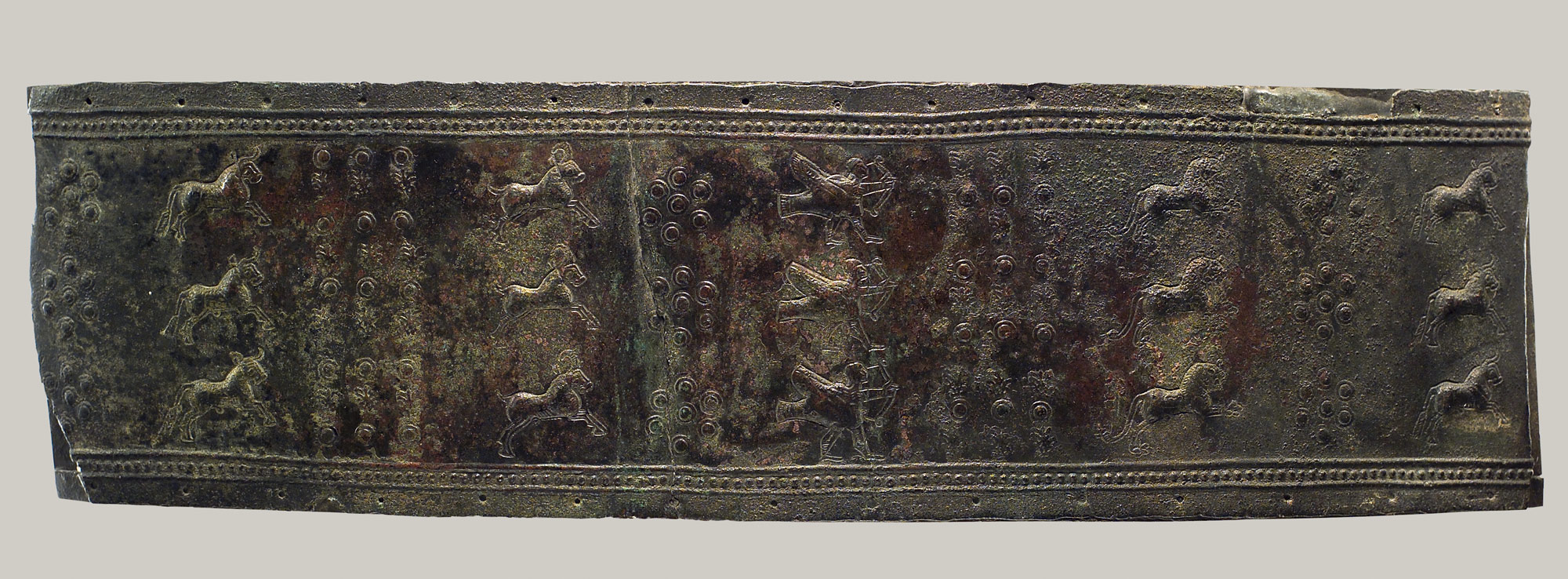
The cultures of the Northern and Southern Caucasus create enormous quantities of bronze weapons and ornaments. Settlers come to Anatolia from mainland and island Greece and establish colonies first on the western and southern coasts, and later on the coast of the Black Sea. Initially, these settlements are impelled by political forces outside of Greece and the growing density of Greek populations. By the eighth to seventh centuries B.C., colonies provide fish, grain, and other goods to the city-states of Greece, and Greek culture, art, and architecture spread to the coastal regions of Anatolia, influencing nearby cultures.
-
ca. 730–?696 B.C.
King Midas rules the kingdom of Phrygia, which comprises the whole of Central and West Anatolia, from the Urartian frontier in the east to Lydia, with the capital at Gordion. The wealth of this kingdom, due to its position at the crossroads of many first-millennium trade routes, is reflected both in the myth of Midas, whose touch turns all to gold, and the richly appointed burials of the kings, located in wooden chambers under large earthen mounds.
-
7th–early 6th century B.C.
The earliest coinage is invented by a Lydian ruler, possibly Croesus (r. ca. 560–546 B.C.).
-
7th–4th century B.C.
The successive Median and Achaemenid empires conquer Anatolia and the Southern Caucasus from their capitals in Iran.
-
333 B.C.
Alexander the Great (356–323 B.C.) defeats the Achaemenid Persian king Darius III (r. 336–330 B.C.) in a battle at Issus near modern Iskenderun, Turkey. The Alexandrian conquest brings Hellenistic Greek art and culture to Anatolia and the Southern Caucasus, through the rule of Alexander and his Seleucid successors. Greek traditions continue until the Roman conquest of much of the same area, beginning in 133 B.C, when western Asia Minor becomes a Roman province.
-
133 B.C.
Attalus III, king of Pergamon, bequeathes his realm to the Roman people, providing Rome with its first foothold in Asia.
Citation
“Anatolia and the Caucasus (Asia Minor), 1000 B.C.–1 A.D.” In Heilbrunn Timeline of Art History. New York: The Metropolitan Museum of Art, 2000–. http://www.metmuseum.org/toah/ht/?period=04®ion=waa (October 2000)
Related
Map

Primary Chronology
Secondary Chronology
Lists of Rulers
See also
Keywords
- Achaemenid Empire
- Anatolia and the Caucasus
- Ancient Greek Art
- Ancient Roman Art
- Armenia
- Asia
- Assyrian Art
- Augustan Period
- Early Imperial Roman Period
- Greece
- Hittite Empire
- Holy Roman Empire
- Istanbul (Constantinople)
- Iznik
- Julio-Claudian Dynasty
- Lydian Art
- Phrygian Art
- Roman Republican Period
- Russia
- Seleucid Art
- Turkey
- Urartian Art
- West Asia
- 10th Century B.C.
- 9th Century B.C.
- 8th Century B.C.
- 7th Century B.C.
- 6th Century B.C.
- 5th Century B.C.
- 4th Century B.C.
- 3rd Century B.C.
- 2nd Century B.C.
- 1st Century B.C.