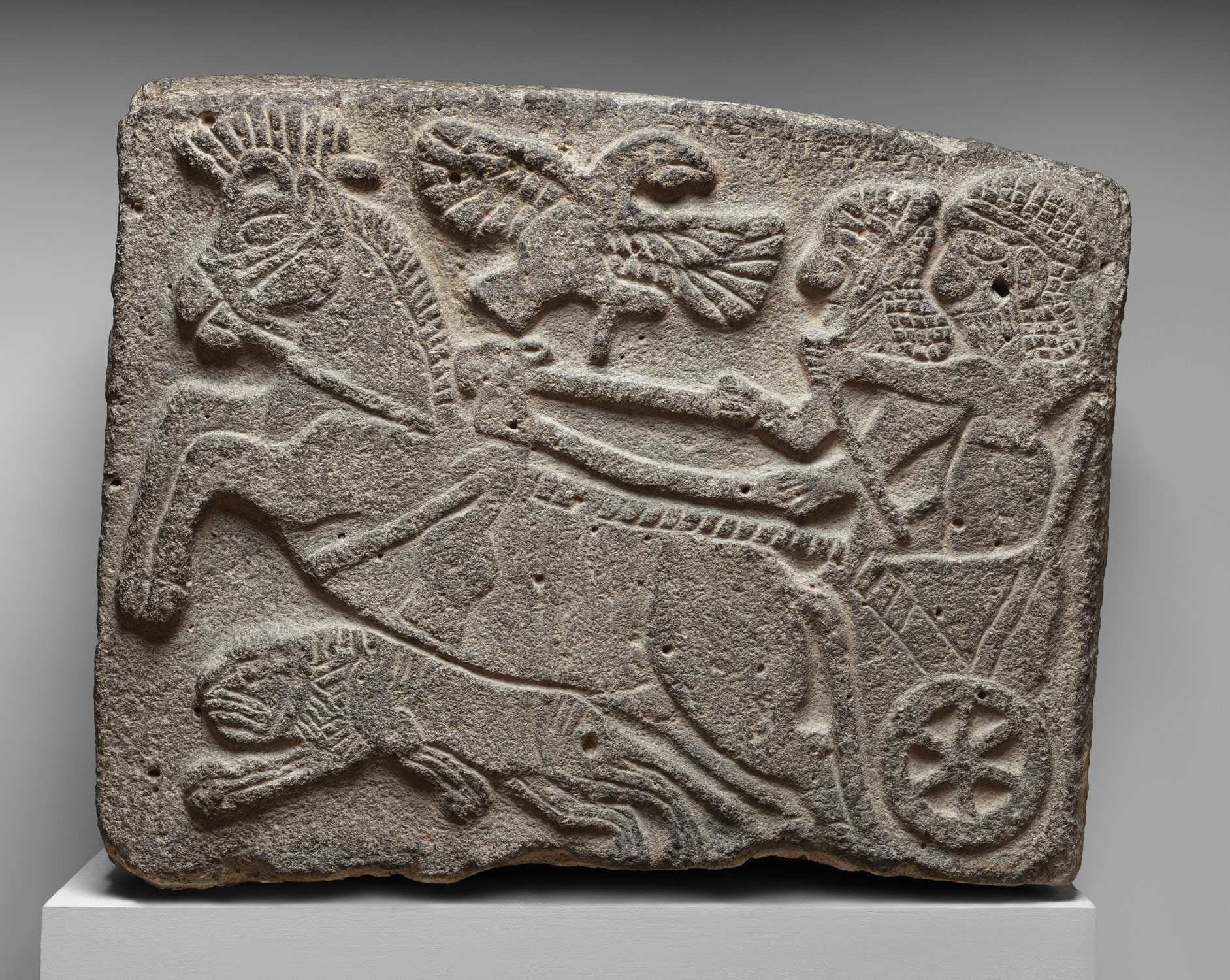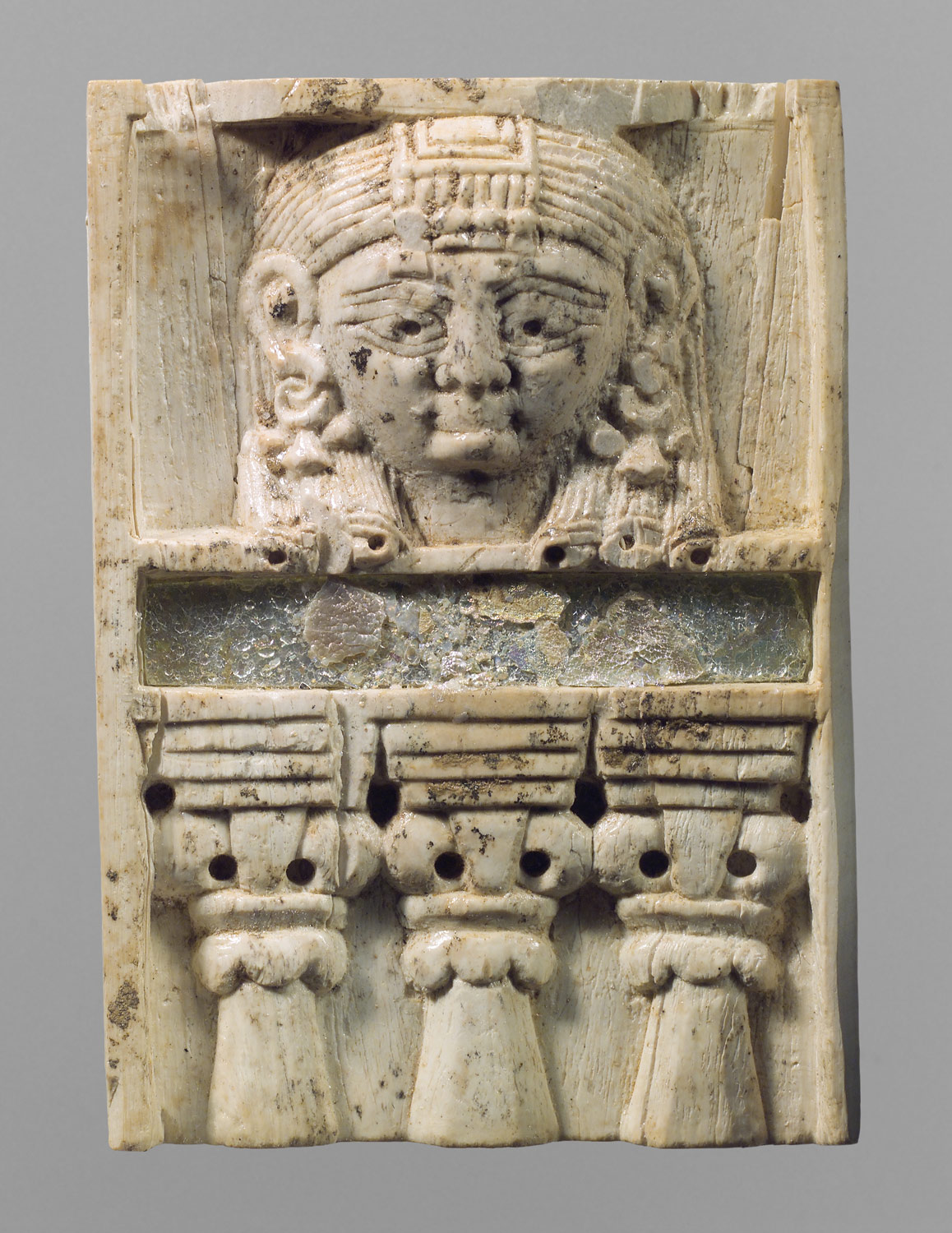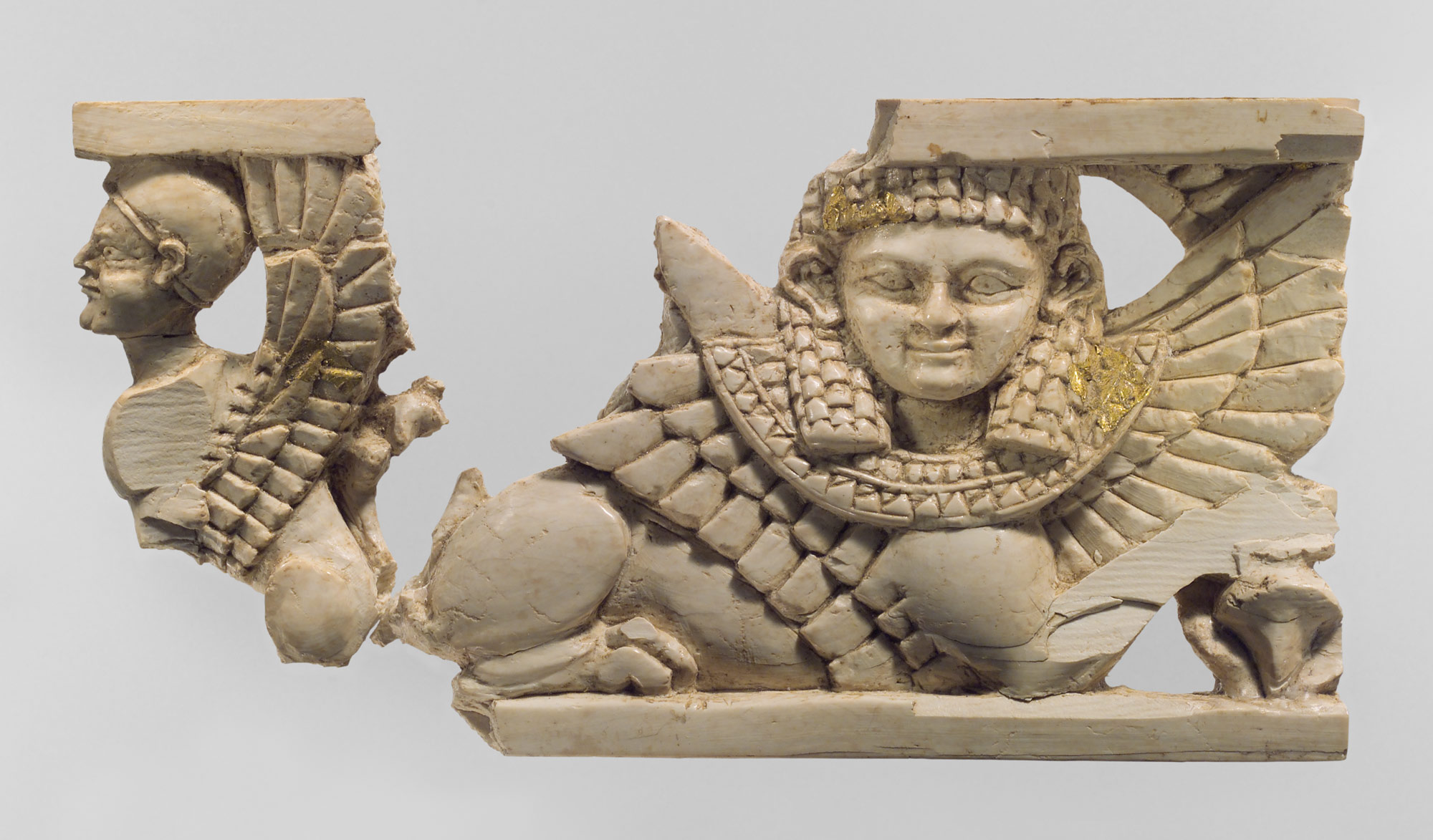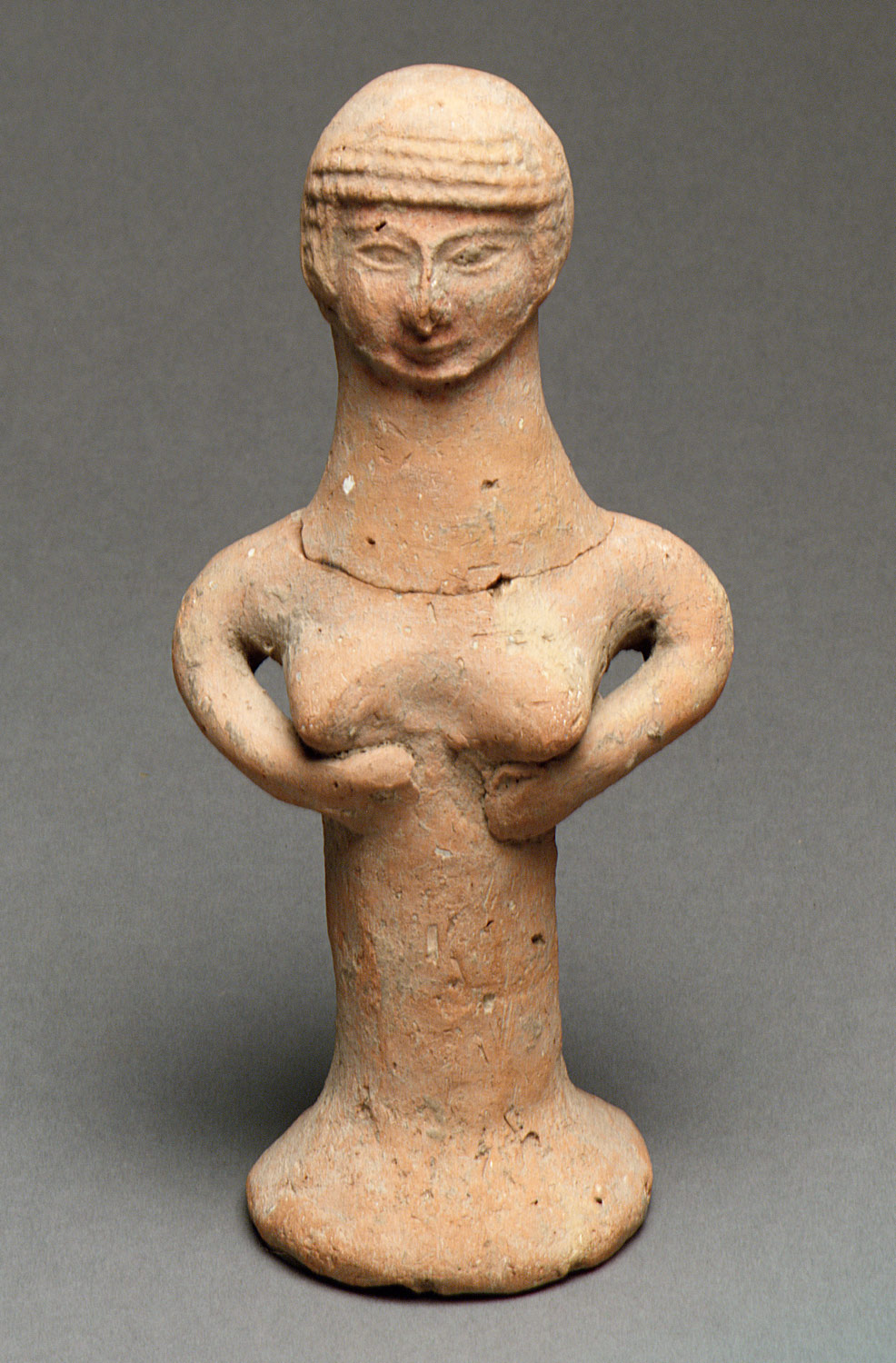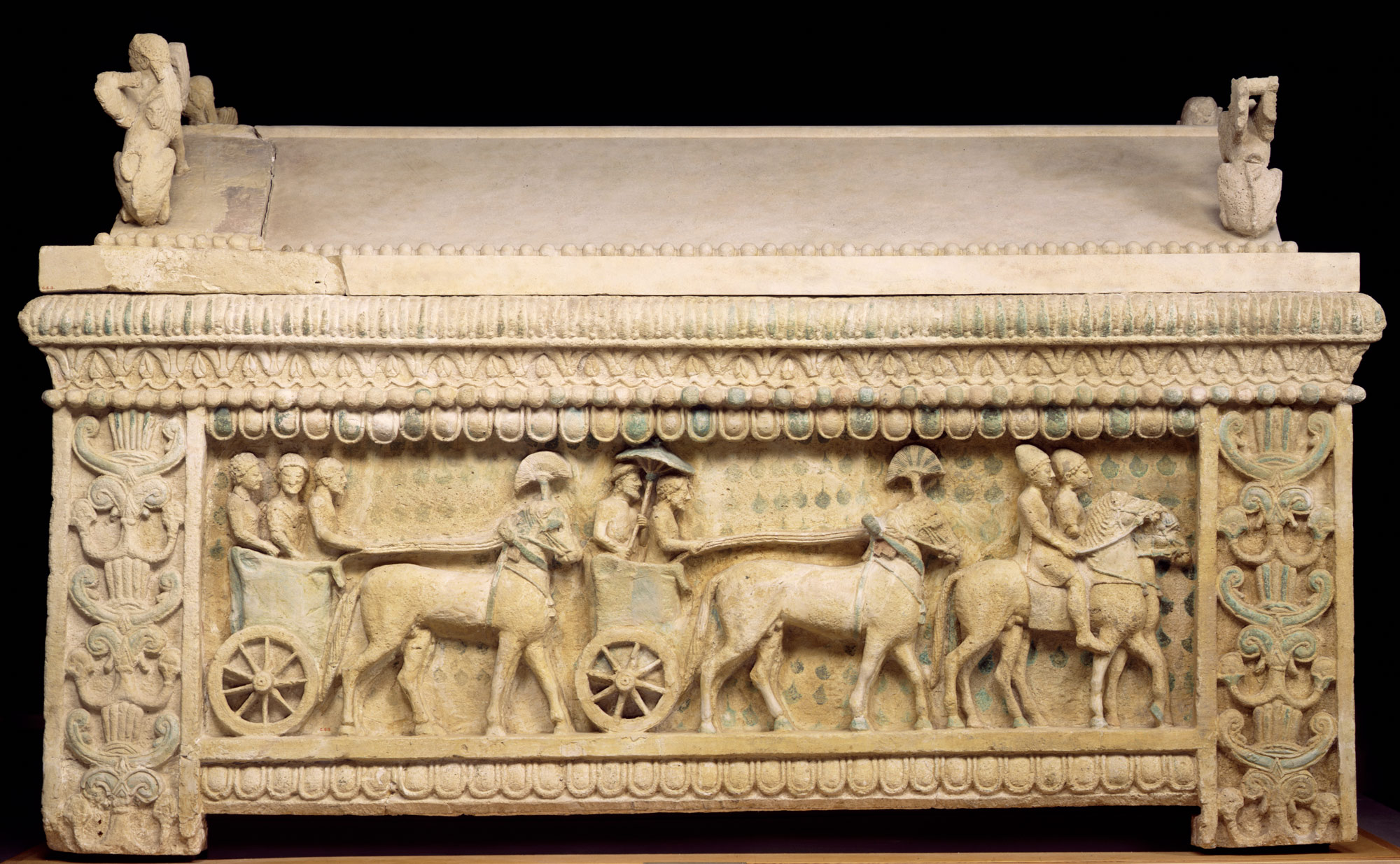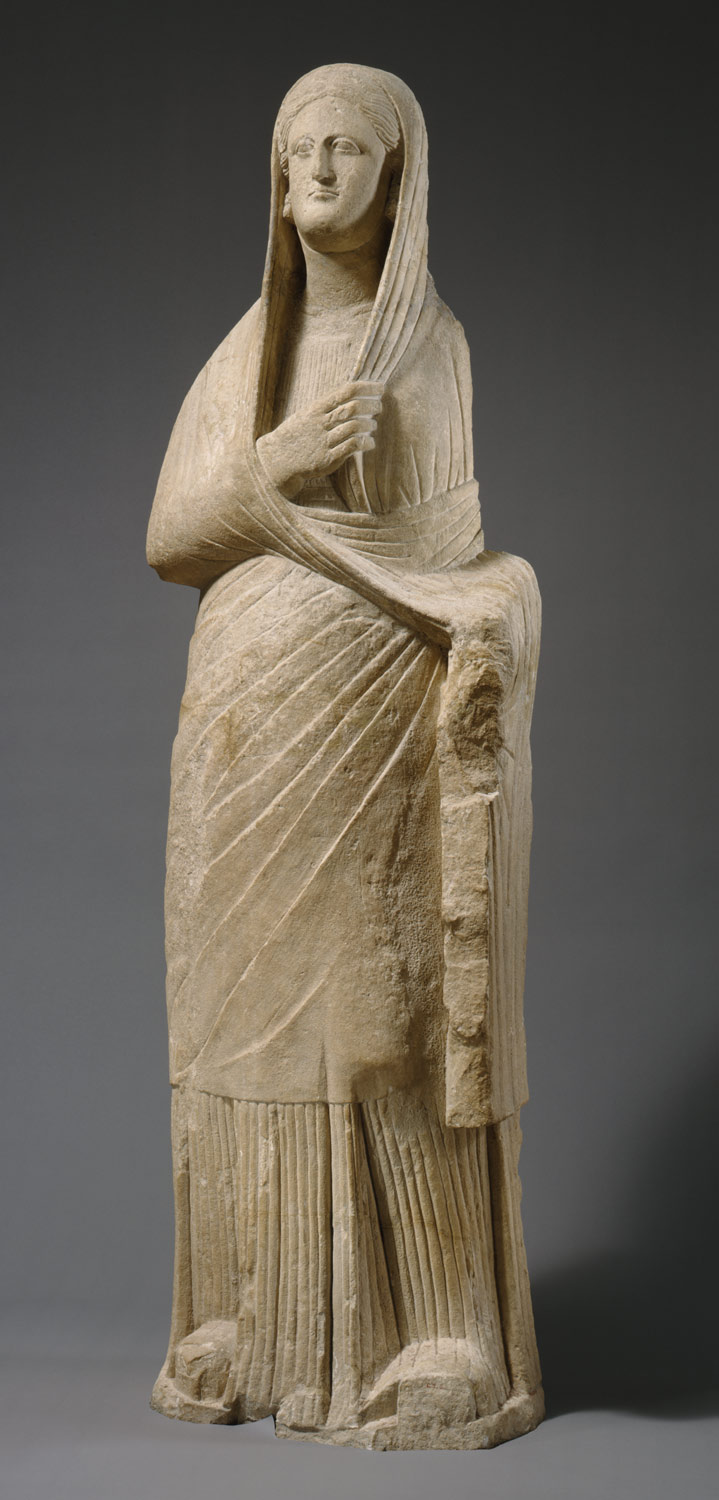
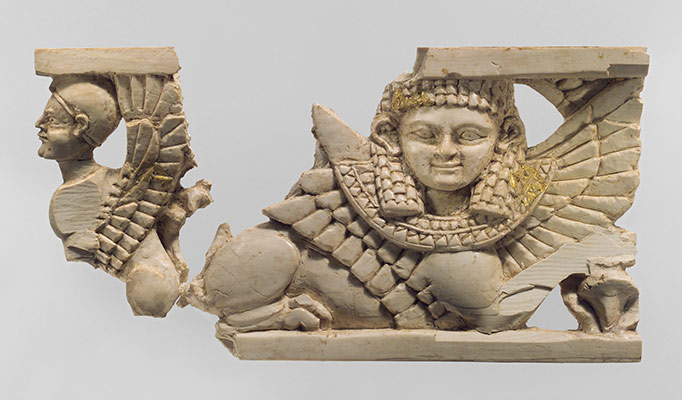
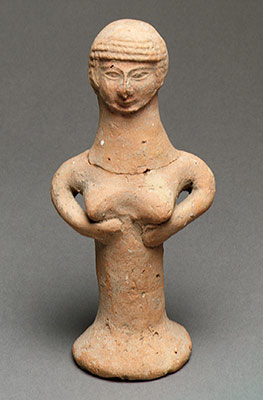
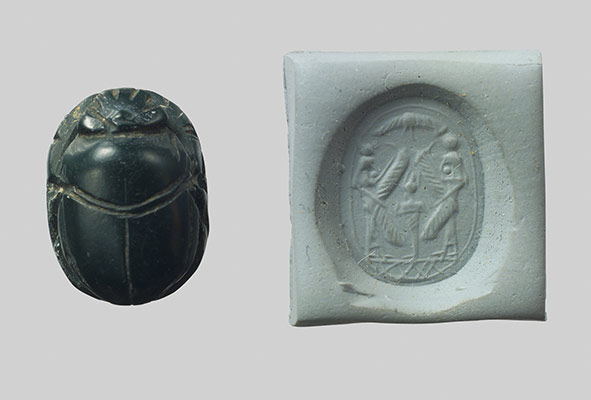
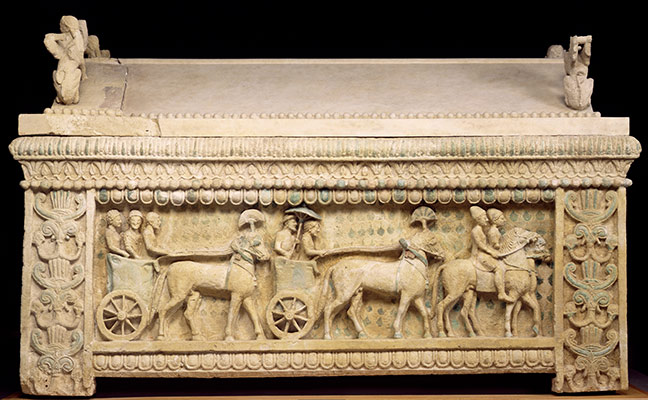
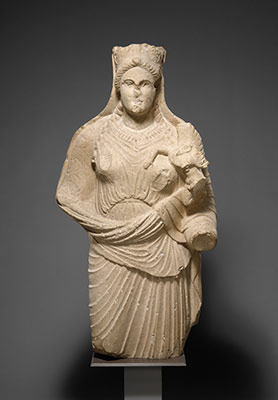
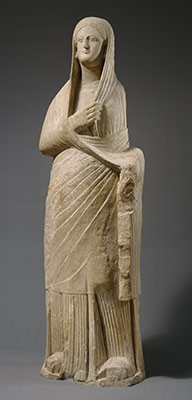
By 1100 B.C., Aramaean tribes throughout northern and western Syria form petty competing kingdoms. On the coast, seafaring Canaanites, known to the Greeks as Phoenicians, reestablish maritime trade with Egypt and the eastern Aegean. Further south, the Philistine coastal cities maintain close contact with Cyprus. In the interior highlands, small kingdoms emerge including Israel, Judah, Amon, Moab, and Edom. From the middle of the ninth through the end of the seventh century B.C., the armies of Assyria, in their quest for booty and tribute, repeatedly attack the Levantine cities. The Assyrian empire eventually incorporates territory as far south as Israel and the Philistine cities. The Egyptians to the south, keen to maintain their influence in the region, unsuccessfully clash with the Assyrians, who extend their control into the Nile valley. With the fall of the Assyrian empire at the end of the seventh century B.C., the Neo-Babylonian empire claims the region. After only fifty years of rule by the Babylonians, the region is incorporated into the vast Achaemenid Persian empire, which lasts for two centuries. Following the death of Alexander of Macedon, who overthrew the Persian empire in 331 B.C., the south falls to the new Ptolemaic rulers of Egypt, while Syria is incorporated into the Seleucid empire. During the first century B.C., Rome‘s aggressive expansionist policies lead to its control over the entire region.
The Eastern Mediterranean and Syria, 1000 B.C.–1 A.D.
-
 43.135.2
 -
 57.80.12
 -
 57.80.4a,b
 -
 34.126.53
 -
 74.51.312
 -
 41.160.162
 -
 74.51.2453
 -
 74.51.2464
 -
 74.51.2456
Timeline
1000 B.C.
750 B.C.
750 B.C.
500 B.C.
500 B.C.
250 B.C.
250 B.C.
1 A.D.
Overview
Key Events
-
853 B.C.
The ruler of Damascus leads a coalition of twelve kings, including Ahab of Israel, against the army of the Assyrian king Shalmaneser III. Although the coalition is initially successful, Israel and many of the other states are eventually forced to pay tribute.
-
745–727 B.C.
The Assyrian king Tiglath-pileser III reorganizes the empire by creating a system of directly administered provinces from conquered territories. The king launches a program of mass deportation in which tens of thousands of people are moved from one area of the empire to another. As a result of the conquest and deportation of the inhabitants of the Aramaean city-states, the Aramaean language and alphabetic script, written on parchment and leather, spread rapidly across the region.
-
722/721 B.C.
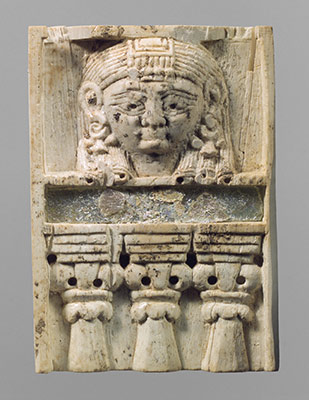
The Assyrian king Sargon II completes the siege and capture of Samaria, capital of Israel, deporting a large section of its population. Centers of ivory carving exist throughout the region and a variety of styles are identifiable. Ivories from the south exhibit Egyptian iconography, whereas examples from further north reflect older Hittite traditions.
-
609 B.C.
The last Assyrian king makes his final stand at the city of Harran and, together with his Egyptian allies, is defeated by the forces of the Babylonian king Nabopolassar.
-
587/586 B.C.
Jerusalem, the capital of the kingdom of Judah, falls to the Babylonian king Nebuchadnezzar II, who deports a significant part of the population to Babylon. Solomon’s Temple is destroyed.
-
539–525 B.C.
Cyrus the Great of Persia releases captive peoples, including the Jews, allowing them to return to their homelands, which are now part of the vast Achaemenid empire. Because of its great size, a wide variety of styles and forms of art exist throughout the empire. Elements from these various eastern and western cultures are drawn together to create an artistic style that is distinctly Achaemenid.
-
305–65 B.C.
The eastern Mediterranean becomes a battleground between the Hellenistic successors to Alexander the Great—the Seleucid dynasty, which rules Syria, Mesopotamia, and Iran—and the Ptolemaic dynasty of Egypt. Newly established cities, like Antioch in Syria, are laid out after the Greek style and largely populated by Macedonian and Greek colonists. Hellenistic art and culture emerge from a fusion of the various Near Eastern and classical Greek traditions.
-
64 B.C.
The Roman general Pompey deposes the last Seleucid king Antiochus XIII and incorporates the province of Syria into the increasingly powerful and expansive Roman state.
-
ca. 50 B.C.
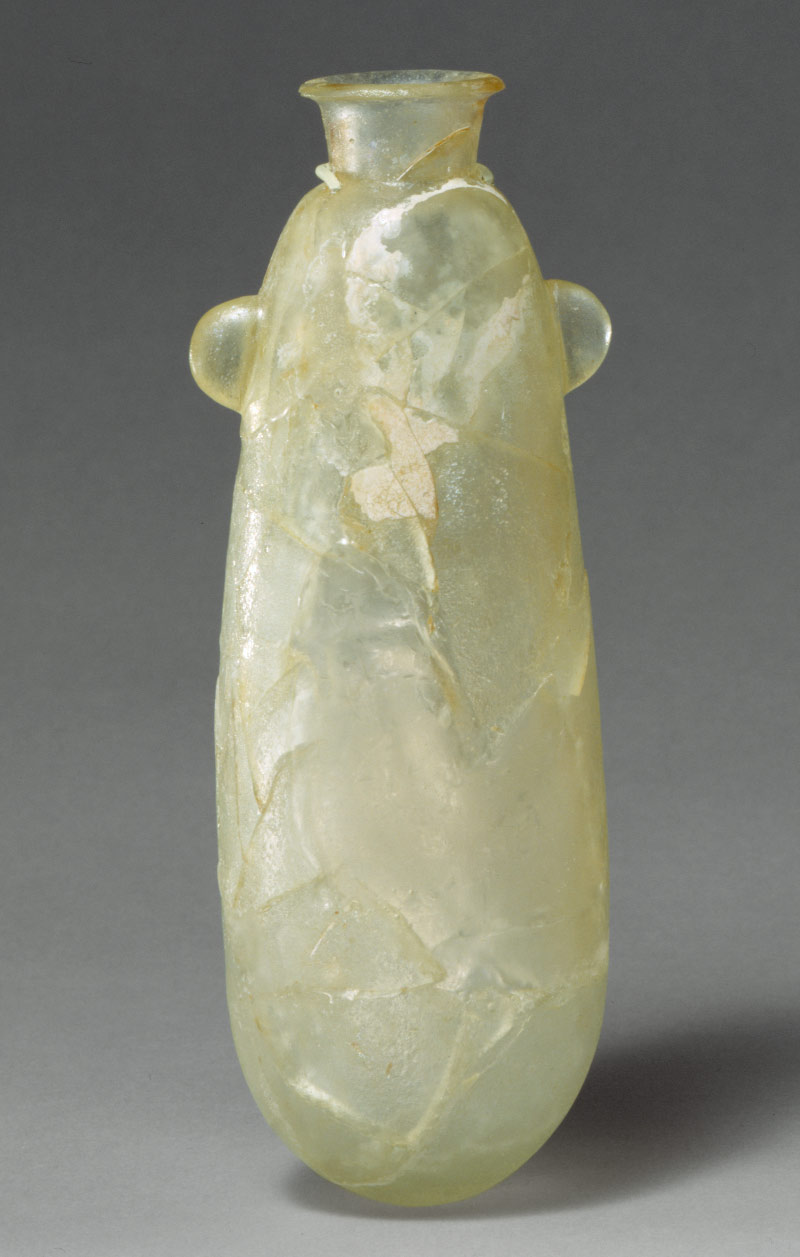
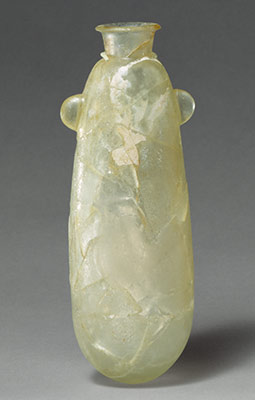
The invention of glassblowing by craftsmen in the Near East revolutionizes the ancient glassmaking industry. This new, faster, and cheaper process instigates the mass production of relatively inexpensive utilitarian glass vessels, and allows craftsmen greater flexibility in the shapes and forms of decoration that they can create in glass. The invention coincides with the Roman empire’s imposition of peace and stability throughout the Mediterranean, which in turn spurs the massive expansion of the glass industry.
-
37–4 B.C.
Herod the Great, who had supported Rome against a Parthian threat from the east, is installed as the king of Judaea. He undertakes a massive building program throughout the country, which includes the establishment of the port city of Caesarea and the rebuilding of Jerusalem, including the Temple.
Citation
“The Eastern Mediterranean, 1000 B.C.–1 A.D.” In Heilbrunn Timeline of Art History. New York: The Metropolitan Museum of Art, 2000–. http://www.metmuseum.org/toah/ht/?period=04®ion=wae (October 2000)
Related
Map

Primary Chronology
Secondary Chronology
See also
Keywords
- Achaemenid Empire
- Anatolia and the Caucasus
- Ancient Roman Art
- Arabian Peninsula
- Asia
- Assyrian Art
- Babylonian Art
- Central and North Asia
- Cypriot Art
- Cyprus
- Early Imperial Roman Period
- Eastern Mediterranean
- Hellenistic Period
- Hittite Empire
- Iran
- Israel
- Jerusalem
- Jordan
- Lebanon
- Mesopotamian Art
- Palestine
- Persian Art
- Roman Republican Period
- Seleucid Art
- Syria
- Turkey
- West Asia
- Iron Age
- 10th Century B.C.
- 9th Century B.C.
- 8th Century B.C.
- 7th Century B.C.
- 6th Century B.C.
- 5th Century B.C.
- 4th Century B.C.
- 3rd Century B.C.
- 2nd Century B.C.
- 1st Century B.C.