The Temple of Dendur will be closed on Tuesday, June 9 and Thursday, June 11.

Plan your visit

Search for Art

1-42 of 742 results for European or possibly British
Sort by:
Show only
Images
Date
For BCE dates, enter a negative number. E.g. For 2000 BCE, enter -2000.
Artist / culture
Object type / material
Match
 
Show results matching
selected filters.
Geographic location
Match
 
Show results matching
selected filters.
Department
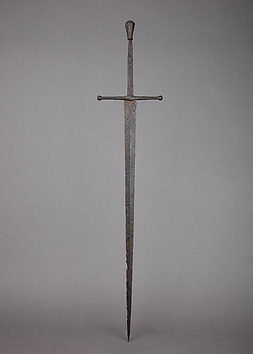
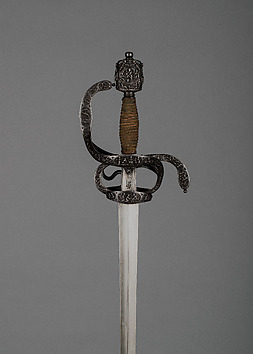
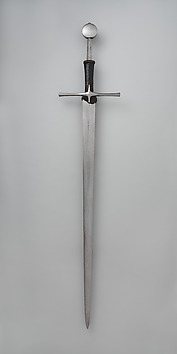
Hand-and-a-Half Sword, Steel, leather, wood, copper alloy, European or possibly British
European or possibly British
15th century
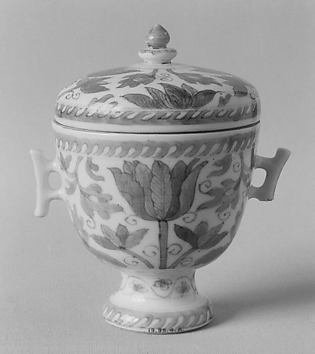
Cup with cover, Hard-paste porcelain, Chinese, for European or possibly British market
Chinese, for European or possibly British market
ca. 1700
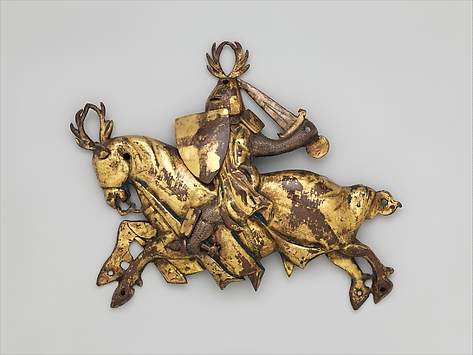
Ornamental Plaque of a Knight on Horseback, Copper alloy, gold, Western European, possibly British
Western European, possibly British
ca. 1300
Coverlet or Wall Hanging, Silk, embroidered with silk, Chinese, made for the European or American market
Chinese, made for the European or American market
ca. 1700–1800
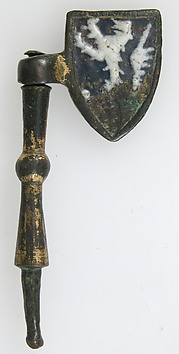
Harness Ornament, Copper, gold, enamel, possibly British
possibly British
14th century
Badge or Harness Pendant, Copper, possibly British
possibly British
14th century
Two-Handed Sword, Steel, latten or copper alloy, British or Western European
British or Western European
ca. 1400–1450
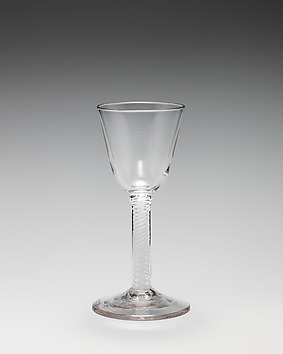
Wineglass or vase, Glass, possibly British
possibly British
late 18th–early 19th century
Smallsword, Steel, gold, silver, hilt, possibly India; blade, possibly European
hilt, possibly India; blade, possibly European
possibly 1790
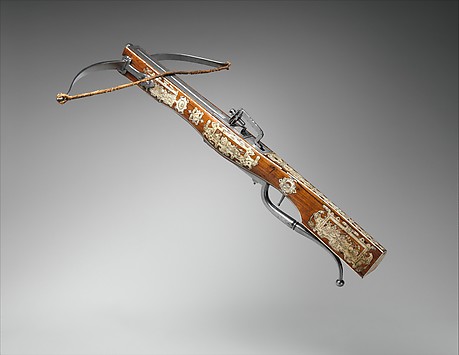
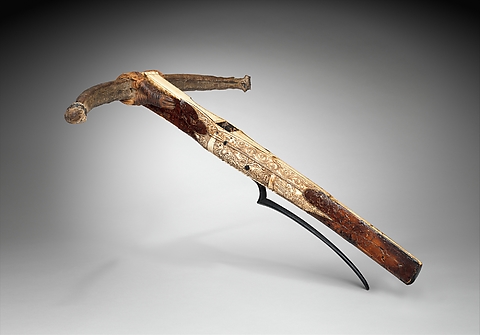
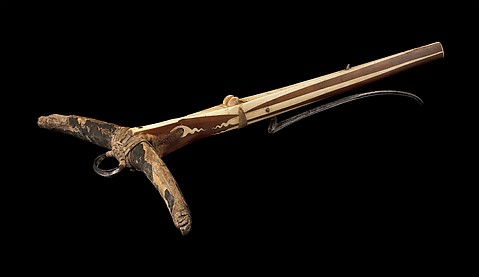
Crossbow, Wood (European hornbeam), horn, animal sinew, animal glue, birch bark, staghorn, iron alloy, hemp, leather, Central European, possibly Austria
Central European, possibly Austria
ca. 1425–75
possibly Thimble case, Enameled copper, British, possibly South Staffordshire, possibly Bilston
British, possibly South Staffordshire, possibly Bilston
ca. 1770–1780
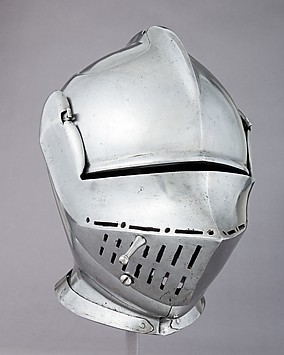
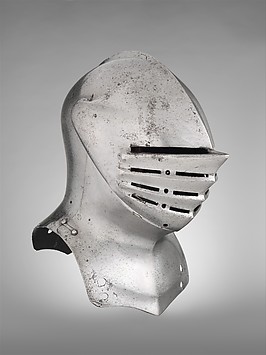
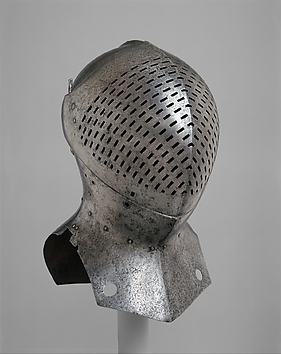
Armet, Steel, possibly British or Flemish
possibly British or Flemish
ca. 1510–15
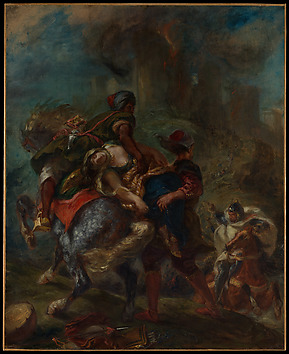
Quiver with Eleven Crossbow Bolts, Wood (oak, probably birch), tanned hide (possibly badger), paper, leather, steel, iron alloy, Western or Central European; quiver, possibly German
Western or Central European; quiver, possibly German
quiver, probably early 16th century; bolts, 14th–16th century
Anchor Plate from a Rope-and-Pulley System to Span a Crossbow, Steel, copper alloy, European, possibly British
European, possibly British
ca. 1475–1525
Neptune's head bonbonnière, Enameled copper, British, possibly Birmingham
British, possibly Birmingham
ca. 1760–70
Queen's head bonbonnière, Enameled copper, British, possibly Birmingham
British, possibly Birmingham
ca. 1760–70
Length of painted silk, Woven silk taffeta, painted with pigments, gilt and silver, Chinese, possibly Canton
Chinese, possibly Canton
mid-18th century
possibly Thimble case, Enameled copper, British, South Staffordshire
British, South Staffordshire
ca. 1765–1770
Snuffbox with Masonic symbols, Enamel on copper, British, possibly Birmingham
British, possibly Birmingham
1764
Six Crossbow Bolts, Steel, wood (oak), staghorn, pigment, Central European, possibly German
Central European, possibly German
early 16th century; 14.25.1576g, probably 17th or 18th century
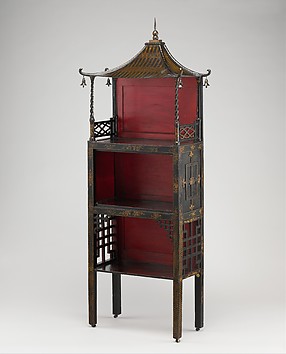
Rapier, Steel, gold, copper wire, wood, Northern European, possibly Flanders
Northern European, possibly Flanders
ca. 1620–30
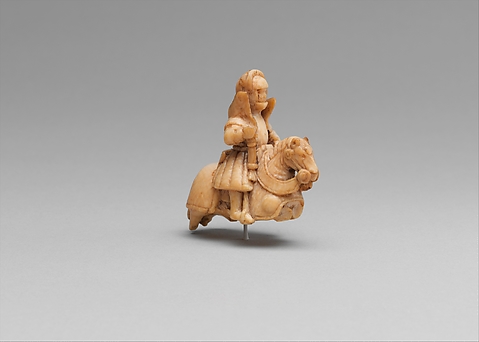
Chess Piece in the Form of a Knight, Ivory (elephant), Western European, possibly Germany or England
Western European, possibly Germany or England
ca. 1510–30
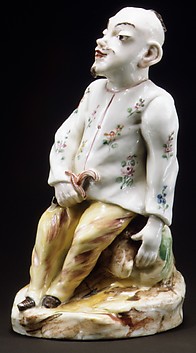
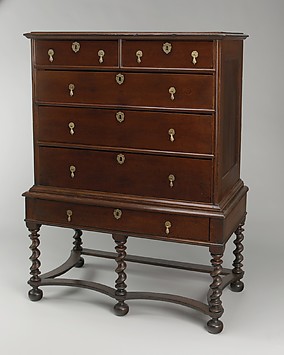
High chest of drawers, Sweet gum, yellow poplar, yellow pine, white oak, American or British
American or British
1695–1720
Cornet in B-flat, Silver-plated brass, Possibly European
Possibly European
ca. 1900
Secretary cabinet, Oak, pine, and walnut decorated in red, gold, and silver japanning; brass; mirror glass, British
British
ca. 1735
Cranequin from the Armory of Emperor Maximilan I (reigned 1493/1508–19), Steel, wood (fruitwood, possibly pear), copper alloy, Western or Central European, the Netherlands or Austria
Western or Central European, the Netherlands or Austria
ca. 1505–19
Prick Spur, Copper alloy, possibly British
possibly British
11th–12th century
Rapier of Ambrogio Spinola (1569–1630) with Scabbard Chape, M. I. F., Steel, Northern European, possibly France
Hilt Maker Hilt inscribed M. I. F.
ca. 1600
European, possibly German
probably 16th century
European, possibly German
probably 16th or 17th century
European, possibly German
probably 16th century
Kakiemon-style snuffbox, Enamel on copper, British, possibly London
British, possibly London
1750s
Bearing Cloth, Anonymous, Silk satin embroidered with silver and gilded silver metal-wrapped threads, British
Anonymous
ca. 1600
Coif, Linen embroidered with silk and silver-gilt wrapped thread and spangles, British
British
early 17th century