Search the collection

Filter By

Object Type / Material
Geographic Location
Department
Date
Show Only:
  • As part of the Met's Open Access policy, you can freely copy, modify and distribute this image, even for commercial purposes.
    APIPublic domain data for this object can also be accessed using the Met's Open Access API
More than 10,000 results for India (Deccan, Karnataka)
Sort by:
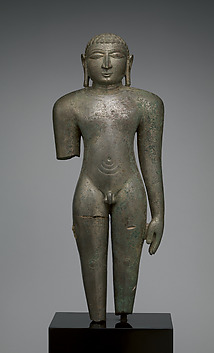
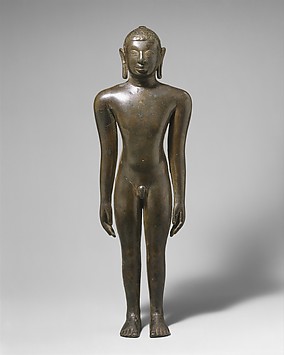
Jain Digambara Tirthanhara Standing in Kayotsarga Meditation Posture, Copper alloy, India (Deccan, Karnataka)
India (Deccan, Karnataka)
12th century
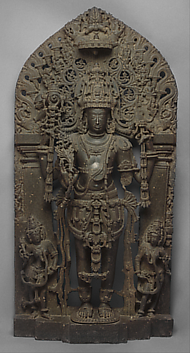
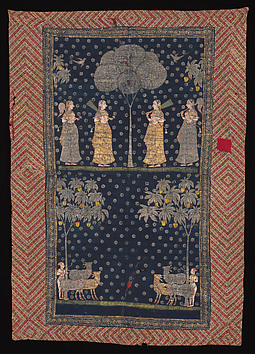
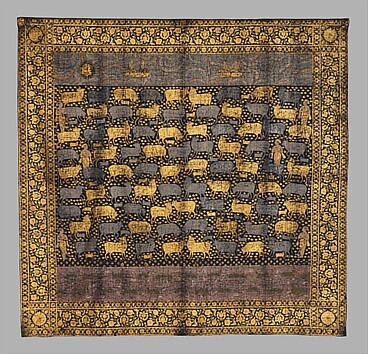
Pichhwai for the Festival of Cows, Painted and printed gold and silver leaf and opaque watercolor on indigo-dyed cotton, India, Deccan, Aurangabad (?)
India, Deccan, Aurangabad (?)
late 18th century
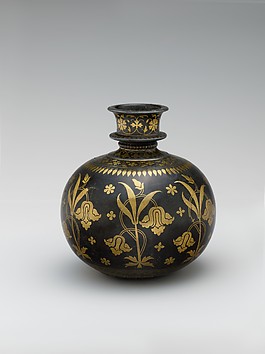
Base for a Water Pipe (Huqqa) with Irises, Zinc alloy; cast, engraved, inlaid with brass (bidri ware)
late 17th century
Standing Vishnu as Keshava, Dasoja of Balligrama, Stone, India (Karnataka, probably Belur)
Dasoja of Balligrama
first quarter of the 12th century
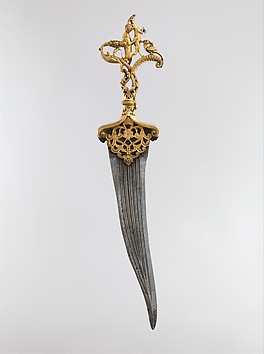
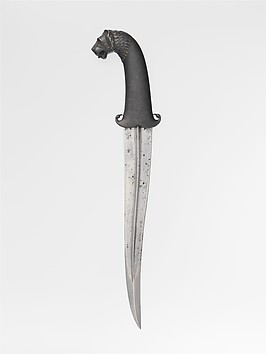
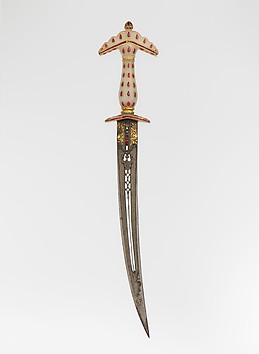
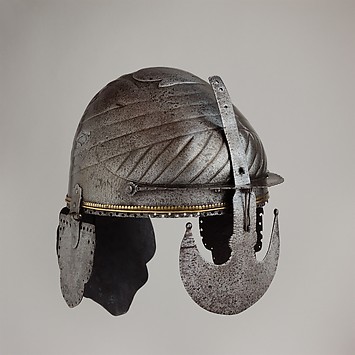
Dagger with Zoomorphic Hilt, Hilt: copper; cast, chased, gilded, and inlaid with rubies.<br/>Blade: steel; forged
second half 16th century
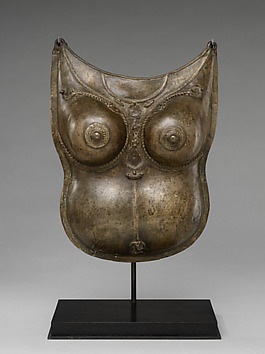
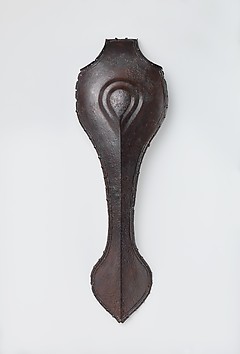
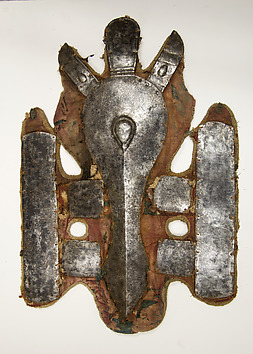
Breastplate of the Spirit Deity Jumadi, Copper alloy, Western India, Karnataka
Western India, Karnataka
early 20th century
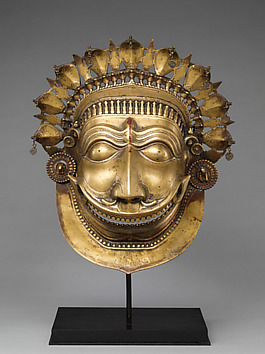
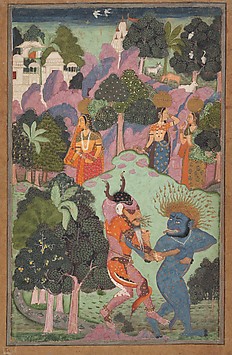
Mask of the Spirit Deity Jumadi, Copper alloy with silver pendants, Western India, Karnataka
Western India, Karnataka
early 20th century
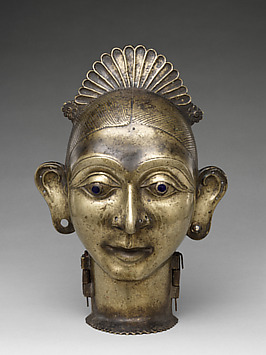
Processional image of the goddess Gauri, Brass with glass inlay and silver attachments, South India, Karnataka
South India, Karnataka
ca. 18th century
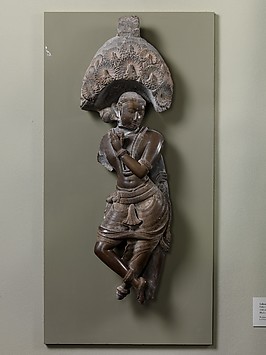
Celestial Musician (Gandharva), Slate, India (Karnataka, possibly Dharwar)
India (Karnataka, possibly Dharwar)
11th century
"Kai Khusrau Crosses the Sea", Folio from a Shahnama (Book of Kings) of Firdausi, Abu'l Qasim Firdausi  Iranian, Ink, opaque watercolor, and gold on paper
Abu'l Qasim Firdausi
ca. 1610
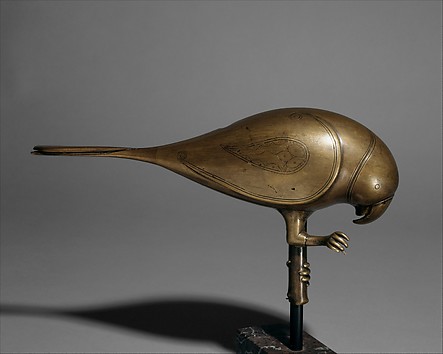
Finial in the Form of a Parrot, Brass
17th–18th century
Jain Digambara Tirthanhara Standing in Kayotsarga Meditation Posture, Copper alloy, India (Karnataka)
India (Karnataka)
9th century
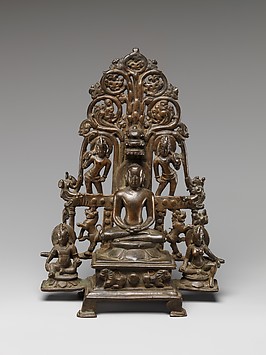
Enthroned Jina Attended by a Yaksha, a Yakshi, and Chauri-Bearers, Copper alloy, India (Karnataka)
India (Karnataka)
9th–10th century
Spittoon or Incense Burner, Brass; cast in sections, joined, engraved
late 16th–early 17th century
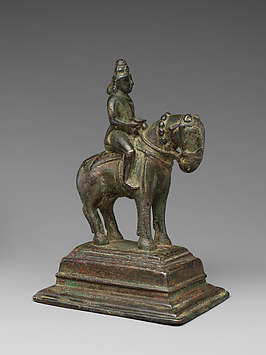
Emaciated Horse and Rider, Ink, opaque watercolor, and gold on paper; marbleized paper
ca. 1625
Calligraphic Roundel, inscribed "Ya 'Aziz" (Oh Mighty), Sandstone; carved, traces of pigment
late 16th–early 17th century
Garden Fountain, Brass; cast in sections, joined and engraved
early 17th century
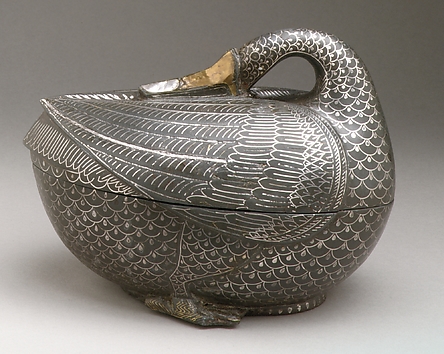
Pan Box in the Shape of a Duck, Bidri (zinc alloy with inlay of brass and silver), India (Deccan)
India (Deccan)
ca. 1700
Inscriptional Panel from a Mosque, Basalt
late 16th–17th century
Enthroned Vishnu, Granulite, India
India
second half of the 8th–early 9th century
Bidri Box for Holding Pan, Zinc alloy; cast, engraved, inlaid with silver and brass (bidri ware)
early–mid 17th century
Pilgrim Flask, Brass; cast
early 17th century
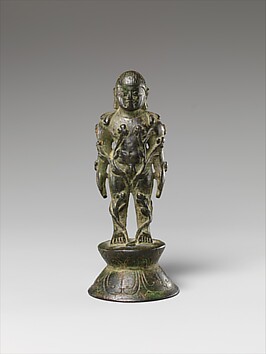
Jain Siddha Bahubali, Entwined with Forest Vines, Copper alloy, India (Karnataka)
India (Karnataka)
late 6th–7th century
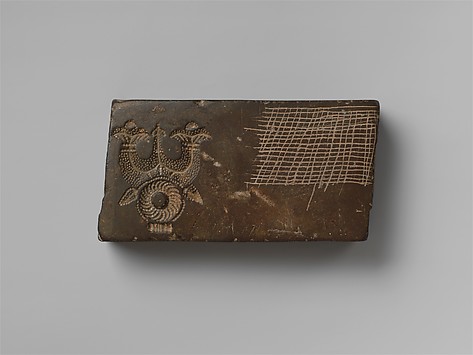
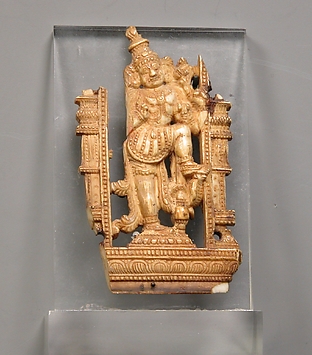
Jewelry Mold with Figures in a Temple, Argillite, India (Deccan Plateau)
India (Deccan Plateau)
ca. 1st century
The House of Bijapur, Kamal Muhammad, Ink, opaque watercolor, gold, and silver on paper
Kamal Muhammad
Chand Muhammad
ca. 1680
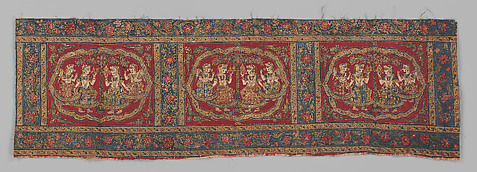
Temple cloth celebrating Krishna (pichhavai), Painted pigments (kalamkari) and glued gold on cotton, India, Deccan
India, Deccan
19th century
Futuh al-Haramayn (Description of the Holy Cities), Muhi al-Din Lari  Iranian or Indian, Ink, opaque watercolor, and gold on paper
Muhi al-Din Lari
dated 1089 AH/1678 CE
Dish with Peony, Glass, opalescent green; blown, shaped with mold, enameled, and gilded
late 17th–early 18th century
Nan va Halva (Breads and Sweets), Muhammad Baha' al-Din al-'Amili  Iranian, born Syria, Ink, opaque watercolor, and gold on paper<br/>Binding: leather
Muhammad Baha' al-Din al-'Amili
ca. 1690
Base for a Water Pipe (Huqqa) with Poetry and Flowers, Zinc alloy; cast, engraved, inlaid with silver and brass (bidri ware)
early 18th century
Calligraphic Dish, Copper alloy; cast
ca. 1600
"Suhrab Slain by Rustam", Folio from a Shahnama (Book of Kings) of Firdausi, Abu'l Qasim Firdausi  Iranian, Ink, opaque watercolor, and gold on paper
Abu'l Qasim Firdausi
ca. 1610
"Death of Farud", Folio from a Shahnama (Book of Kings) of Firdausi, Abu'l Qasim Firdausi  Iranian, Ink, opaque watercolor, and gold on paper
Abu'l Qasim Firdausi
ca. 1610
Panel of a Tent Lining, Cotton; plain weave, mordant painted and dyed, resist dyed
1700–1740
Ring, Gold
17th century
Locket Pendant, Possibly a Pomander, in Shape of Shell with Animal-Headed Cap Flanked by a Small Bird on Sides, Gold; cast, embossed and engraved, inlayed with turquoise and ruby
17th century
"Fairies Descend to the Chamber of Prince Manohar", Folio from a Gulshan-i 'Ishq (Rose Garden of Love), Ink, opaque watercolor, gold, and silver on paper
ca. 1700
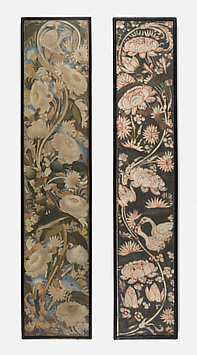
Panel from a Tent Lining (Qanat), Cotton; plain weave, mordant dyed and painted, resist-dyed
17th century
Chamunda, the Horrific Destroyer of Evil, Sandstone, India
India
10th–11th century
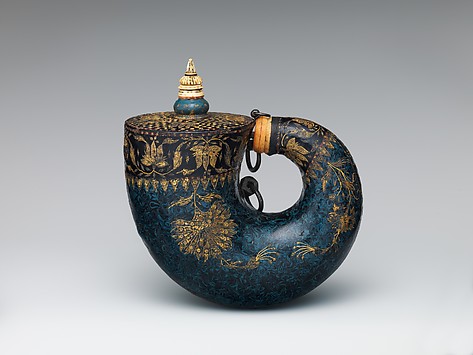
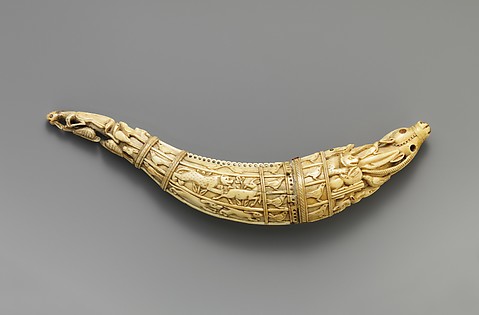
Priming Flask, Ivory, wood, pigment, resin, Indian, probably Deccan
Indian, probably Deccan
mid-17th century