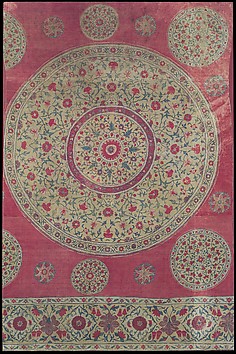
Search the collection

Filter By

Object Type / Material
Geographic Location
Department
Date
Show Only:
  • As part of the Met's Open Access policy, you can freely copy, modify and distribute this image, even for commercial purposes.
    APIPublic domain data for this object can also be accessed using the Met's Open Access API
  • Objects with changed or unknown ownership in continental Europe between 1933-1945. Learn more
More than 10,000 results for Indian, probably Deccan
Sort by:
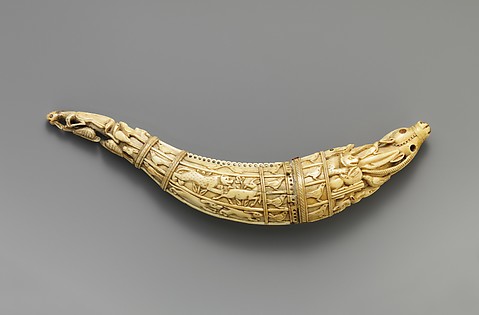
Priming Flask, Ivory, wood, pigment, resin, Indian, probably Deccan
Indian, probably Deccan
mid-17th century
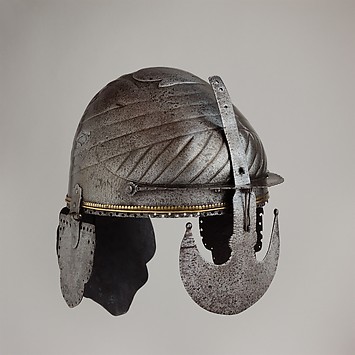
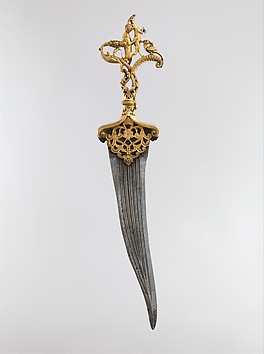
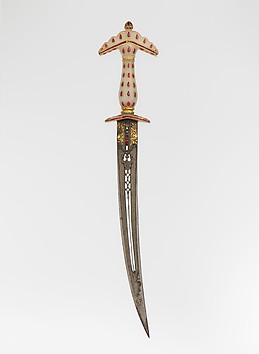
Dagger with Sheath, Steel, nephrite, gold, ruby, emerald, silver, wood, velvet, Indian, probably Deccan
Indian, probably Deccan
18th–19th century
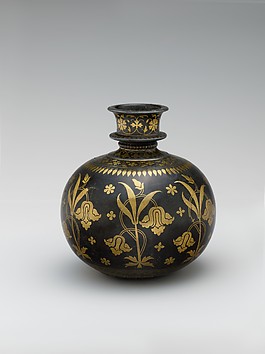
Base for a Water Pipe (Huqqa) with Irises, Zinc alloy; cast, engraved, inlaid with brass (bidri ware)
late 17th century
Dagger with Zoomorphic Hilt, Hilt: copper; cast, chased, gilded, and inlaid with rubies.<br/>Blade: steel; forged
second half 16th century
Taūs (mayuri), Wood, parchment, metal, feathers, Indian
Indian
19th century
Finial in the Form of a Parrot, Brass
17th–18th century
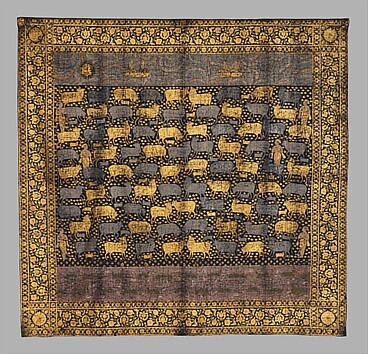
Pichhwai for the Festival of Cows, Painted and printed gold and silver leaf and opaque watercolor on indigo-dyed cotton, India, Deccan, Aurangabad (?)
India, Deccan, Aurangabad (?)
late 18th century
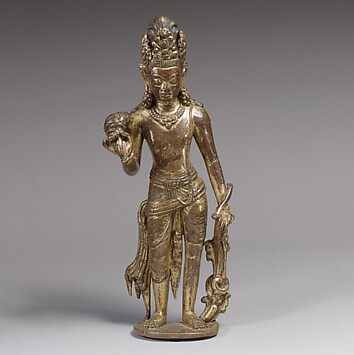
Bodhisattva, probably Padmapani Lokeshvara, Gilt copper alloy, Nepal (Kathmandu Valley)
Nepal (Kathmandu Valley)
10th–11th century
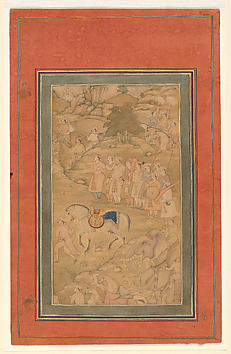
Emaciated Horse and Rider, Ink, opaque watercolor, and gold on paper; marbleized paper
ca. 1625
Great Indian Fruit Bat, Bhawani Das or a follower Indian, Pencil, ink, and opaque watercolor on paper
Bhawani Das
ca. 1777–82
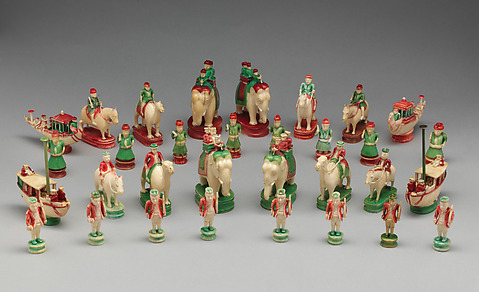
Chessmen (32), Ivory with polychrome lacquer and gilding, Indian
Indian
late 18th–early 19th century
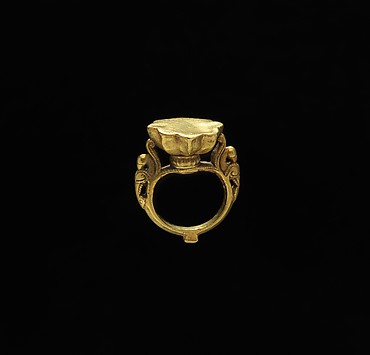
Ring, Gold
17th century
Helmet, Shield, and Arm Guard, Steel, gold, copper alloy, Deccan, Indian
Deccan, Indian
17th–19th century
Sarangi, Wood, ivory, parchment, metal, Indian
Indian
ca. 1900
Sitar, Murari Adhikari  Indian, Teak, ebony, metal, bone, various materials, Indian
Murari Adhikari
1997
Śankh, Shell (Turbinella pyrum), brass, wax, Indian
Indian
19th century
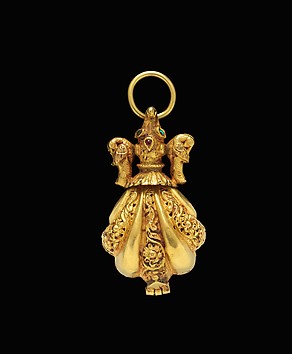
Locket Pendant, Possibly a Pomander, in Shape of Shell with Animal-Headed Cap Flanked by a Small Bird on Sides, Gold; cast, embossed and engraved, inlayed with turquoise and ruby
17th century
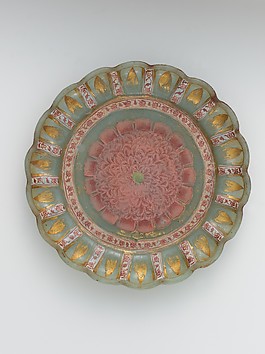
Dish with Peony, Glass, opalescent green; blown, shaped with mold, enameled, and gilded
late 17th–early 18th century
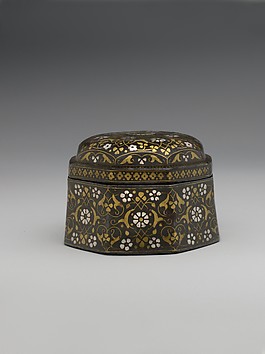
Bidri Box for Holding Pan, Zinc alloy; cast, engraved, inlaid with silver and brass (bidri ware)
early–mid 17th century
Helmet, Steel, iron, copper alloy, Indian, Deccan, probably Bijapur (Vijayapur)
Indian, Deccan, probably Bijapur (Vijayapur)
17th century
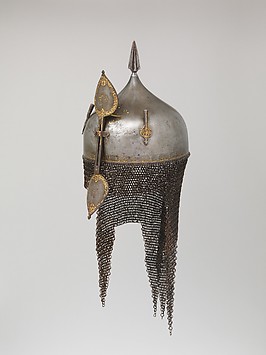
Spittoon or Incense Burner, Brass; cast in sections, joined, engraved
late 16th–early 17th century
Panel from a Tent Lining (Qanat), Cotton; plain weave, mordant dyed and painted, resist-dyed
17th century
Calligraphic Roundel, inscribed "Ya 'Aziz" (Oh Mighty), Sandstone; carved, traces of pigment
late 16th–early 17th century
"Kai Khusrau Crosses the Sea", Folio from a Shahnama (Book of Kings) of Firdausi, Abu'l Qasim Firdausi  Iranian, Ink, opaque watercolor, and gold on paper
Abu'l Qasim Firdausi
ca. 1610
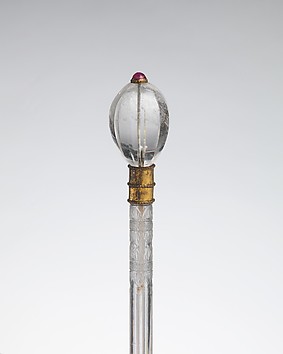
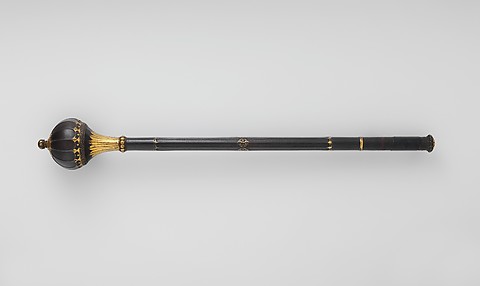
Ceremonial Mace, Rock crystal, gold, copper alloy, ruby, Indian
Indian
18th century
Bottle with European and Indian Figures, Glass, colorless with green tinge; mold blown, painted
18th century
Garden Fountain, Brass; cast in sections, joined and engraved
early 17th century
Inscriptional Panel from a Mosque, Basalt
late 16th–17th century
Panel of a Tent Lining, Cotton; plain weave, mordant painted and dyed, resist dyed
1700–1740
Dagger, Steel, iron, silver, copper alloy, Indian, Deccan
Indian, Deccan
second half 17th century
Indian Warrior, Alexander Phimister Proctor  American, Bronze, American
Alexander Phimister Proctor
Gorham Manufacturing Company
1898; cast 1913-by 1917
Indian
late 18th–early 19th century
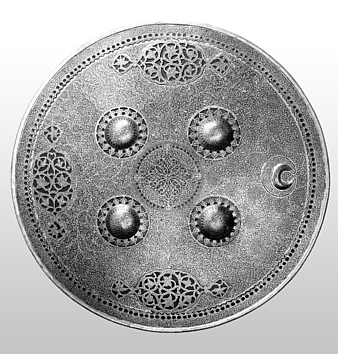
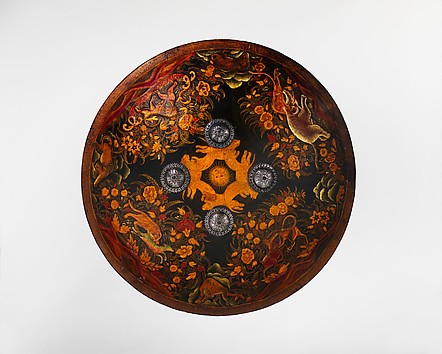
Shield (Dhál), Steel, gold, silk-velvet, Indian
Indian
19th century
Helmet, Steel, iron, gold, Indian, Deccan, possibly Golconda
Indian, Deccan, possibly Golconda
17th century and later
Ascetic Master, probably a Mahasiddha, Brass with pigment, Tibet
Tibet
17th century
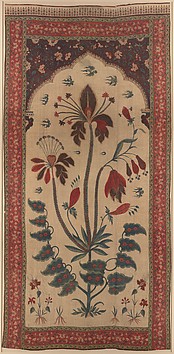
Kalamkari Panel with Niche, Cotton; plain weave, mordant painted and dyed, resist dyed
late 17th–early 18th century
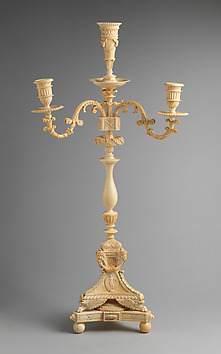
Four-light candelabrum, Ivory, probably Indian, Murshidabad
probably Indian, Murshidabad
ca. 1790
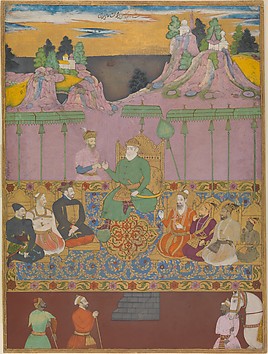
The House of Bijapur, Kamal Muhammad, Ink, opaque watercolor, gold, and silver on paper
Kamal Muhammad
Chand Muhammad
ca. 1680
Pan Box in the Shape of a Duck, Bidri (zinc alloy with inlay of brass and silver), India (Deccan)
India (Deccan)
ca. 1700
Temple cloth celebrating Krishna (pichhavai), Painted pigments (kalamkari) and glued gold on cotton, India, Deccan
India, Deccan
19th century