Search the collection

Filter By

Object Type / Material
Geographic Location
Department
Date
Show Only:
  • As part of the Met's Open Access policy, you can freely copy, modify and distribute this image, even for commercial purposes.
    APIPublic domain data for this object can also be accessed using the Met's Open Access API
Showing 3,892 results for Phoenix Indian School
Sort by:
Phoenix Indian School
1941, revised 1953
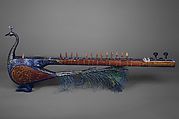
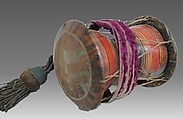
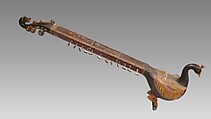
Taūs (mayuri), Wood, parchment, metal, feathers, Indian
Indian
19th century
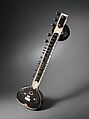
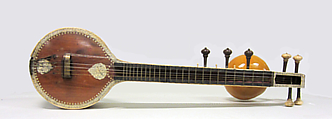
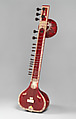
Sitar, Murari Adhikari  Indian, Teak, ebony, metal, bone, various materials, Indian
Murari Adhikari
1997
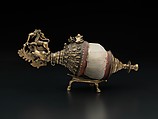
Śankh, Shell (Turbinella pyrum), brass, wax, Indian
Indian
19th century
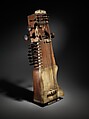
Sarangi, Wood, ivory, parchment, metal, Indian
Indian
ca. 1900
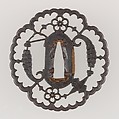
Sword Guard (Tsuba), Kyōsukashi School  Japanese, Iron, copper, Japanese
Kyōsukashi School
late 16th century
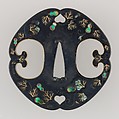
Sword Guard (Tsuba), Hirata School  Japanese, Copper-gold alloy (shakudō), gold, enameled cloisonné (shippō), copper, Japanese
Hirata School
ca. 1615–1868
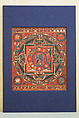
Hevajra Mandala, Sakya School, Ink and distemper on cloth, Tibet
Sakya School
16th century
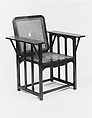
McKinley Armchair, David Wolcott Kendall  American, Oak, American
David Wolcott Kendall
Phoenix Furniture Company
1894–96
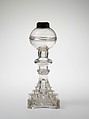
Whale-oil lamp, Thomas Cains, Free-blown and pressed glass, American
Thomas Cains
Phoenix Glass Works
1830–40
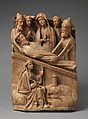
The Entombment, School of Nottingham  British, Alabaster, British
School of Nottingham
15th century
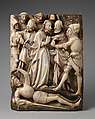
The Betrayal of Christ, School of Nottingham  British, Alabaster with paint and gilding, British
School of Nottingham
15th century
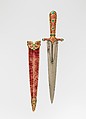
Dagger with Scabbard, Steel, iron, gold, rubies, emeralds, glass, wood, textile, Indian, Mughal
Indian, Mughal
1605–27
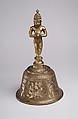
Ghanti (bell), Brass, Indian
Indian
last half 19th century
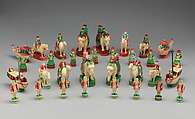
Chessmen (32), Ivory with polychrome lacquer and gilding, Indian
Indian
late 18th–early 19th century
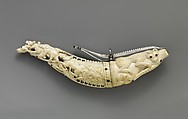
Priming Flask, Ivory, steel, pigment, resin, Indian
Indian
second half of the 17th century
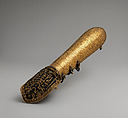
Arm Guard (Dastana), Steel, gold, textile (velvet), textile (silk), textile (linen), copper alloy, Indian
Indian
18th century
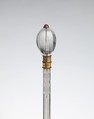
Ceremonial Mace, Rock crystal, gold, copper alloy, ruby, Indian
Indian
18th century
Lance, Steel, gold,  silver, Indian
Indian
18th century
Shield (Dhál), Steel, gold, silk-velvet, Indian
Indian
19th century
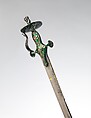
Saber (Talwar) with Scabbard, Steel, silver, diamonds enamel, leather, Indian
Indian
blade, dated A.H. 835/1673 CE; hilt, 19th century
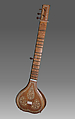
Sitar, Wood, Indian
Indian
mid-19th century
Turhā or Karnā, Brass, Indian
Indian
late 19th century
Udäkki, Wood, rope, skin, Indian
Indian
late 19th Century
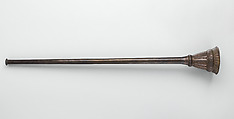
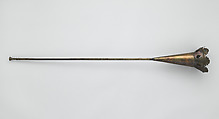
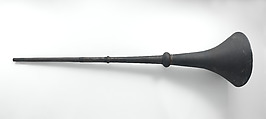
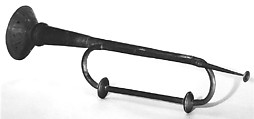
Karnā  (Trumpet), Brass, Indian
Indian
late 19th century
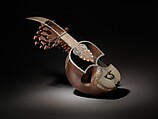
Sursanga, Wood, pearl, ivory, Indian
Indian
19th century
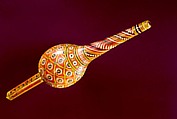
Pūngī, Gourd, reed, cane, paint, Indian
Indian
late 19th century
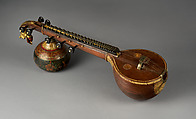
Vina (वीणा), jackwood, gold leaf, papier-mâché, bone, steel, brass, Indian
Indian
late 18th century
Ekadandi Vina, Jack wood, metal, bone, Indian
Indian
19th century
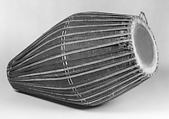
Khol, Wood, leather, tuning paste, Indian
Indian
20th century
Sārindā, Teak, parchment, ivory, horsehair, Indian
Indian
late 19th century
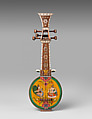
Taūs (mayuri), Wood, metal, wire, glass, hide, polychrome, Indian
Indian
late 19th century
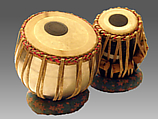
Tabla and Bhaya, Hide, wood, chromed copper, Indian
Indian
late 20th Century
Elephant Sword, Iron or steel, Indian
Indian
15th–17th century
Karana, Brass, Indian
Indian
19th century
Śrnga (trumpet), Brass, Indian
Indian
late 19th century
Sitar, Somabhai Mistry (B.C. Mistry and Sons), Wood, bone, plastic, gourd, Indian
Somabhai Mistry (B.C. Mistry and Sons)
1960
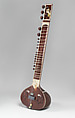
Sitar, Hiren Roy (Bangladeshi, East Bengal 1922-1992 Calcutta) Bangladeshi, Wood, bone, plastic, gourd, Indian
Hiren Roy
ca. 1990
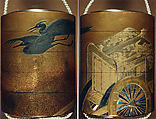
Case (Inrō) with Design of Imperial Cart and Flying Herons (obverse); Court Carriage and Flying Herons (reverse), Kajikawa School, Gold and silver maki-e with mother-of-pearl inlay and black lacquer; Ojime: agate bead; Netsuke: metal king of hell, Japan
Kajikawa School
19th century
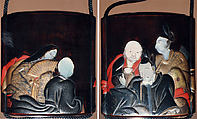
Case (Inrō) with Design of Six Immortal Poets, Kajikawa School, Gold and silver maki-e with black and red lacquer relief and mother-of-pearl inlay; Ojime: bronze Bodhidharma; Netsuke: carved lacquer Chinese children and auspicious symbols, Japan
Kajikawa School
19th century