Search the collection

Filter By

Object Type / Material
Geographic Location
Department
Date
Show Only:
  • As part of the Met's Open Access policy, you can freely copy, modify and distribute this image, even for commercial purposes.
    APIPublic domain data for this object can also be accessed using the Met's Open Access API
  • Objects with changed or unknown ownership in continental Europe between 1933-1945. Learn more
Showing 705 results for Yoshiko Kogo
Sort by:
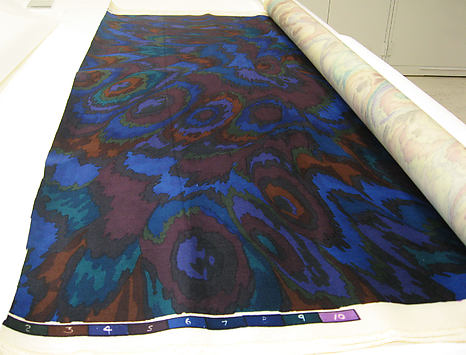
"Rapture" Textile, Yoshiko Kogo  American, Cotton
Yoshiko Kogo
1971
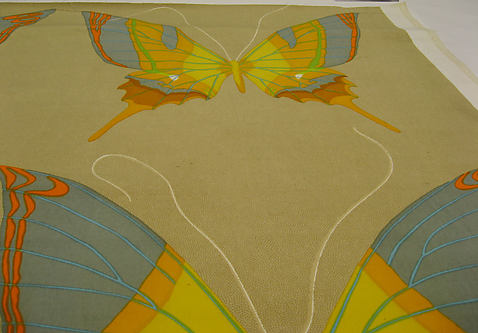
"Monarch" Textile, Yoshiko Kogo  American, Cotton
Yoshiko Kogo
1971
Wooden Kôgo with Rikyû's Kaô, Wood, iron, silver, lacquer, Japan
Japan
16th century
Incense Box (Kōgō) with Camellias

, Carved red lacquer, China
China
13th century
Treasure Boat-shaped Incense Box [Kōgō], Lacquered wood, gold and maki-e lacquer, Japan
Japan
17th century
Incense Box (Kogo) with Design of Autumn Grasses, Black lacquer with gold maki-e on gold nashiji ground, Japan
Japan
15th century
"Kogō" and "The Imperial Procession to Ōhara", from The Tale of the Heike (Heike monogatari), Pair of six-panel folding screens; ink, color, gold and gold leaf on paper, Japan
Japan
early 17th century
Incense Box (Kōgō) in the Shape of a Plum Blossom, Porcelain with polychrome overglaze enamels and overglaze gold (Kutani ware), Japan
Japan
first half 19th century
Incense Box (Kogo) with Design of Iris and Bridge (Yatsuhashi), Yamada Jōkasai (1681–1704)  Japanese, Gold-speckled aventurine (nashiji) lacquer with sprinkled and polished design (hiramakie), Japan
Yamada Jōkasai (1681–1704)
19th century
Incense Box (Kogo) with Pines and Plovers, Lacquered wood with gold togidashimaki-e on nashiji (“pear-skin” ground), Japan
Japan
early 14th century
Covered Incense Box (Kōgō) with Tree Peonies, Carved wood with red and black lacquer; Kamakura-bori ware, Japan
Japan
16th century
Incense Container (Kōgō) with Camellia and Mandarin Ducks, Lacquered wood with gold, silver takamaki-e, hiramaki-e, cut-out gold foil application, and coral and ivory inlay, Japan
Japan
18th century
Incense Box (Kōgō) with Cartwheels Submerged in Water, Lacquered wood with gold togidashimaki-e and hiramaki-e on nashiji (“pear-skin” ground), Japan
Japan
15th century
Incense Box (Kōgō) with Interlinked Circles (Shippō) Pattern, Carved wood with red and black lacquer layers (Kamakura-bori), Japan
Japan
early 17th century
Incense Box (Kōgō) in the Shape of a Peach
, Lacquered wood; gold, silver takamaki-e, hiramaki-e, togidashimaki-e, and cut-out gold foil application (kirikane), Japan
Japan
second half 19th century
Pair of Incense Boxes (Kōgō) in the Shape of Mandarin Ducks, Lacquered wood with gold and silver takamaki-e, hiramaki-e, and togidashimaki-e, cutout gold foil application, Japan
Japan
second half of the 19th century
Peach Blossom Spring Utopia, Tomita Keisen 冨田溪仙  Japanese, Hanging scroll; ink and color on silk, Japan
Tomita Keisen 冨田溪仙
Tomita Yoshiko 冨田芳子
early 20th century
Shisen (Eyes Meet), Hideo Yamakuchi  Japanese, Jacquard brocade
Hideo Yamakuchi
1997
Incense Container (Kōgō) in the Shape of a Bird, Miyagawa Chōzō  Japanese, Stoneware with polychrome enamels over a transparent glaze (Kyoto ware), Japan
Miyagawa Chōzō
first half of the 19th century
Incense Box (Kōgō) in the Shape of a Volume of The Tale of Genji, Lacquered wood with gold and silver togidashimaki-e, Japan
Japan
second half of the19th century
Incense Container (Kōgō) in the Shape of a Clamshell, with Cranes and Tortoise Motifs, Eiraku Hozen  Japanese, Porcelain painted with cobalt blue under (interior) and red and gold over (exterior) a transparent glaze (Kyoto ware, Eiraku type), Japan
Eiraku Hozen
first half of the 19th century
Incense box with guri pattern, Carved wood with red and black lacquer (Kamakura-bori), Japan
Japan
16th century
Long-sleeved Robe (Furisode) with Birds, Plain-weave crepe silk with paste-resist dyeing, Japan
Japan
1942
Man’s Under-Kimono (Nagajuban) with Scene of the Russo-Japanese War featuring General Nogi

, Resist-dyed, hand-painted plain-weave silk with traces of gold leaf, Japan
Japan
early 20th century
Japan
Japan
late 19th–early 20th century
Koto (箏), Various woods, ivory, metal, nylon, tortoiseshell, abalone, lacquerwork, Japanese
Japanese
20th century
Koto (箏), Metalwork by Goto Teijo, 9th generation Goto master, Japan  Japanese, Various woods, ivory and tortoiseshell inlays, gold and silver inlays, metalwork, cloth, laquer, paper,, Japanese
Metalwork by Goto Teijo, 9th generation Goto master, Japan
Gotō Yūjō
early 17th century
Nkisi (power figure), Kongo artist and nganga (ritual specialist), Wood, pigment, resin, iron, brass, tin, cloth, plant fiber cord, beads, cowrie shells, bone or ivory, arrows, leather, seeds, animal horn, Kongo
Kongo artist and nganga (ritual specialist)
19th–first half of 20th century
Mangaaka Power Figure (Nkisi N’Kondi), Yombe-Kongo artist and nganga (ritual specialist), Wood, iron, resin, ceramic, plant fiber, textile, pigment, Kongo
Yombe-Kongo artist and nganga (ritual specialist)
ca. 1880–1900
Kòmòkun or kònòkun (head of Kòmò or Kònò) helmet mask, Bamana or Senufo blacksmith, Wood, cloth, fiber, applied organic materials, Bamana peoples
Bamana or Senufo blacksmith
19th–mid-20th century
No. 43, Yoshio Sekine  Japanese, Oil on canvas
Yoshio Sekine
1965
Untitled (Makaha Blue), Toshiko Takaezu  American, Stoneware
Toshiko Takaezu
1995–97
Double Spouted Vase, Toshiko Takaezu  American, Glazed stoneware
Toshiko Takaezu
ca. 1958
Kòmòkun or kònòkun (head of Kòmò or Kònò) helmet mask, Bamana or Senufo blacksmith, Wood, bird skull, porcupine quills, horns, cotton cords, iron, plant fiber, applied organic materials, Bamana or Senufo peoples
Bamana or Senufo blacksmith
19th–mid-20th century
Kòmò trumpet, Wood, Bamana
Bamana
20th century
Hikō kannō, Onchi Koshiro  Japanese
Onchi Koshiro
1934
Miniature mask, Kono artist, Wood, metal, Kono peoples
Kono artist
late 19th–mid-20th century
Staff with Saint Anthony of Padua, Kongo artist, Brass, wood, iron, Kongo peoples
Kongo artist
19th century
Crucifix with Saint Anthony of Padua, Kongo artist, Brass, wood, lead-tin alloy sheet, plant fiber cord, Kongo
Kongo artist
16th–18th century (pendant figure); 19th century (cross)