Search the collection

Filter By

Object Type / Material
Geographic Location
Department
Date
Show Only:
  • As part of the Met's Open Access policy, you can freely copy, modify and distribute this image, even for commercial purposes.
    APIPublic domain data for this object can also be accessed using the Met's Open Access API
  • Objects with changed or unknown ownership in continental Europe between 1933-1945. Learn more
More than 10,000 results for stone rubbing
Sort by:
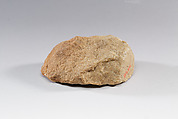
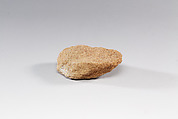
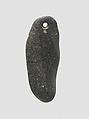
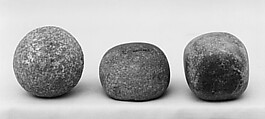
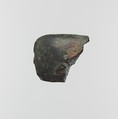
Rubbing Stone (?), Gritstone
ca. 1479–1458 B.C.
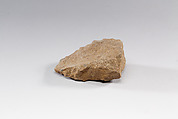
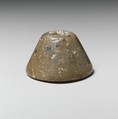
Rubbing Stone (?), Gritstone
ca. 1479–1458 B.C.
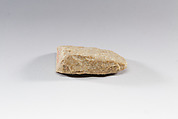
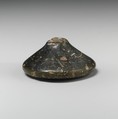
Rubbing Stone (?), Gritstone
ca. 1479–1458 B.C.
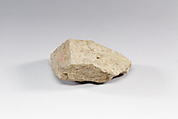
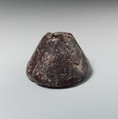
Rubbing Stone (?), Gritstone
ca. 1479–1458 B.C.
Rubbing Stone (?), Gritstone
ca. 1479–1458 B.C.
Rubbing Stone (?), Gritstone
ca. 1479–1458 B.C.
Rubbing Stone (?), Gritstone
ca. 1479–1458 B.C.
Rubbing Stone (?), Gritstone
ca. 1479–1458 B.C.
Rubbing Stone (?), Gritstone
ca. 1479–1458 B.C.
Rubbing stone, Stone, Iran
Iran
5th–3rd millennium BCE
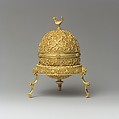
Goa Stone and Gold Case, Container: gold; pierced, repoussé, with cast legs and finials<br/>Goa stone: compound of organic and inorganic materials
late 17th–early 18th century
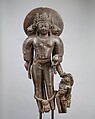
Vaikuntha Vishnu, Stone, India (Jammu & Kashmir, ancient kingdom of Kashmir)
India (Jammu & Kashmir, ancient kingdom of Kashmir)
last quarter of the 8th century
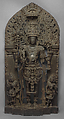
Standing Vishnu as Keshava, Dasoja of Balligrama, Stone, India (Karnataka, probably Belur)
Dasoja of Balligrama
first quarter of the 12th century
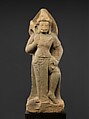
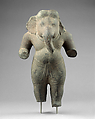
Standing Ganesha, Stone, Cambodia
Cambodia
second half 7th century
Guardian Deity (Rakshasa), Stone, Cambodia
Cambodia
ca. 921–945
Standing Shiva or Temple Guardian (Dvarapala), Stone, Vietnam (Champa)
Vietnam (Champa)
ca. first half of the 10th century
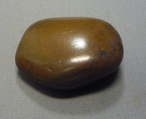
Polishing Stone, Stone
ca. 1479–1458 B.C.
Polishing stone, Stone
ca. 1981–1640 B.C.
Polishing stone, Stone
ca. 1981–1640 B.C.
Polishing stone, Stone
ca. 1981–1640 B.C.
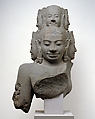
Bust of Hevajra, Stone, Cambodia
Cambodia
late 12th–early 13th century
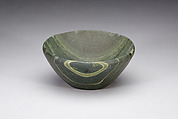
Stone bowl, Stone
ca. 2750–2650 B.C.
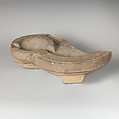
Fragmentary stone oil lamp, Stone, Minoan
Minoan
ca. 1750–1450 BCE
Ring Stone, Stone, India
India
ca. 1st–2nd century BCE
Fragmentary stone axe, Stone, Greek Neolithic
Greek Neolithic
5th–3rd millennium BCE
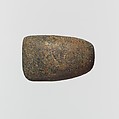
Small stone axe, Stone, Greek Neolithic
Greek Neolithic
5th–3rd millennium BCE
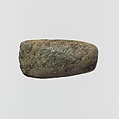
Small stone axe, Stone, Greek Neolithic
Greek Neolithic
5th–3rd millennium BCE
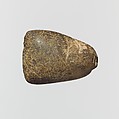
Small stone axe, Stone, Greek Neolithic
Greek Neolithic
5th–3rd millennium BCE
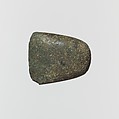
Small stone axe, Stone, Greek Neolithic
Greek Neolithic
5th–3rd millennium BCE
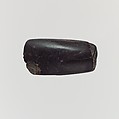
Small stone axe, Stone, Greek Neolithic
Greek Neolithic
5th–3rd millennium BCE
Stone spindle whorl, Stone, Minoan
Minoan
ca. 2400–1900 BCE
Stone spindle whorl, Stone ?, Minoan
Minoan
ca. 2400–1900 BCE
Stone spindle whorl, Stone ?, Minoan
Minoan
ca. 2400–1900 BCE
Stone spindle whorl, Stone, Minoan
Minoan
ca. 2400–1600 BCE
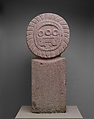
Stone marker, Teotihuacan artist(s), Stone, traces of red pigment, Teotihuacan
Teotihuacan artist(s)
350–450 CE
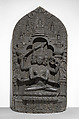
Shiva as Mrityunjaya, the Conquerer of Death, Black stone, Bangladesh or India (Bengal)
Bangladesh or India (Bengal)
12th century
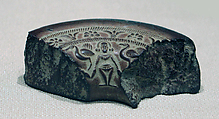
Manjuvajra Mandala, Black stone, Bangladesh or India (Bengal)
Bangladesh or India (Bengal)
11th century
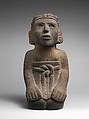
Kneeling female figure, Mexica artist(s), Stone, pigment, Mexica
Mexica artist(s)
1325–1521 CE
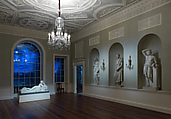
Dining room from Lansdowne House, Robert Adam  British, Scottish, Wood, plaster, stone, British
Multiple artists/makers
1766–69
Twenty-One Emanations of the Goddess Tara, Stone with polychrome, Tibet
Tibet
14th century