Search for Art
1-42 of 47,091 results for textiles
Sort by:
Show only
Images
Date
Artist / culture
Object type / material
Match
selected filters.
Geographic location
Match
selected filters.
Department
![[Japanese textiles]](https://images.metmuseum.org/CRDImages/li/web-additional/b1706529_001.jpg)
1920s
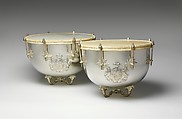
Franz Peter Bundsen
1780
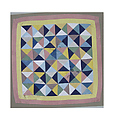
China
17th–18th century
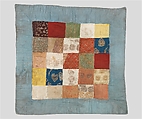
China
13th–14th century
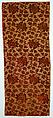
China
18th century
probably European
18th–19th century
Designer Nob+Non
Manufacturer Knoll Textiles
20th century
Old Assyrian Trading Colony
ca. 20th–19th century BCE
Ryūryūkyo Shinsai
19th century
Designer Marianne Strengell
Manufacturer Knoll Textiles
1947

Designer Nob+Non
1979
Anonymous, Alsatian, 19th century
1840
South Netherlandish
ca. 1400–1410
Vuokko Eskolin-Nurmesniemi
1973
ca. 1565–80
Abdoulaye Konaté
2014
Designer Nob+Non
Manufacturer Knoll
1979

Manufacturer D.B. Fuller & Co
1940s
Designer Anonymous, 16th century
With elements after a design on a woodcut by Jost Amman
Woven by Anonymous Flemish weavers
ca. 1575–95
16th century

ca. 1500
late 16th–early 17th century
second half 16th century
Upper Rhenish
ca. 1420–30
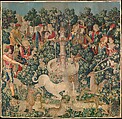
French (cartoon)/South Netherlandish (woven)
1495–1505
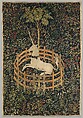
French (cartoon)/South Netherlandish (woven)
1495–1505
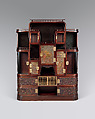
Herter Brothers
1879–82
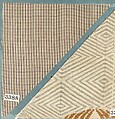
Japan
19th century
Philippine
ca. 1850
Russian
1700–1899
Designer Dorothy Liebes
December 1947
Doris Tillett
Late 1940s
Manufacturer The Herman Miller Furniture Company, Zeeland, Michigan
Designer Alexander Girard
1952–73
French
19th century
Manufacturer The Herman Miller Furniture Company, Zeeland, Michigan
Designer Alexander Girard
1952–73
Japan
19th century
Roman, Egyptian
late 2nd–3rd century CE
Designer Jhane Barnes
Manufacturer Knoll
1983
Designer Nob+Non
Manufacturer Knoll Textiles
20th century
Designer Nob+Non
Manufacturer Knoll Textiles
20th century
Designer Nob+Non
Manufacturer Knoll Textiles
19th century
Designer Nob+Non
Manufacturer Knoll Textiles
20th century
Content Notice
The Metropolitan Museum of Art presents over 5,000 years of art from around the world, and our online collection reflects ongoing work conducted over the course of our more than 150-year history. You may encounter objects or images that may be inappropriate for some viewers or information that may be outdated.