The Met Fifth Avenue and The Met Cloisters are open today. Some galleries may be closed and services may be limited.

Search the collection

Filter By

Object Type / Material
Geographic Location
Department
Date
Show Only:
  • As part of the Met's Open Access policy, you can freely copy, modify and distribute this image, even for commercial purposes.
    APIPublic domain data for this object can also be accessed using the Met's Open Access API
  • Objects with changed or unknown ownership in continental Europe between 1933-1945. Learn more
Showing 6,573 results for tomb urgell
Sort by:
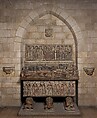
Tomb of Ermengol VII, Count of Urgell, Limestone, traces of paint, Catalan
Catalan
ca. 1300–1350
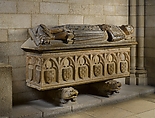
Tomb Effigy of a Boy, Probably Ermengol IX, Count of Urgell, Limestone, traces of paint, Catalan
Catalan
first half 14th century
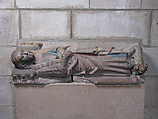
Tomb of Ermengol X, Count of Urgell, Limestone with traces of paint, Catalan
Catalan
ca. 1300–1350
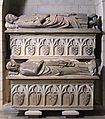
Double Tomb of Don Àlvar Rodrigo de Cabrera, Count of Urgell and His Wife Cecília of Foix, Limestone, traces of paint, Catalan
Catalan
ca. 1300–1350
Mastaba Tomb of Perneb, Limestone, paint
ca. 2381–2323 B.C.
Corbel from the Double Sepulchral Monument of Don Àlvar Rodrigo de Cabrera, Count of Urgell and His Wife Cecília of Foix, Limestone, Catalan
Catalan
ca. 1300–1350
Jar from the tomb of Sennedjem, Painted red pottery
ca. 1279–1213 B.C.
Relief from the Tomb of Nespekashuty, Limestone, paint
656–650 BC
Corbel from the Double Sepulchral Monument of Don Àlvar Rodrigo de Cabrera, Count of Urgell and Viscount of Ager and his wife Cecilia of Foix, Limestone, Catalan
Catalan
ca. 1300–1350
Virgil's Tomb by Moonlight, with Silius Italicus Declaiming, Joseph Wright (Wright of Derby)  British, Oil on canvas
Joseph Wright (Wright of Derby)
1779
Tomb Slab of a Monk (Father Louis), Stone, French
French
14th century
Terracotta Tomb Plaque, Terracotta, Spanish
Spanish
400–800
Virgil's Tomb, Naples, Franz Ludwig Catel  German, Oil on paper, laid down on canvas
Franz Ludwig Catel
ca. 1818
Tomb Effigy of Jacquelin de Ferrière, Limestone, wood, North French
North French
ca. 1275–1300
Tomb Chapel of Raemkai, Limestone, paint
ca. 2446–2389 B.C.
Tomb of Antonio Canova, Antonio Fabris  Italian, Bronze, Italian, Venice
Antonio Fabris
1827
Funeral Procession, Tomb of Pairy, Nina de Garis Davies, Tempera on paper
Nina de Garis Davies
ca. 1390–1352 B.C.
Ceiling Pattern, Tomb of Qenamun, Nina de Garis Davies, Tempera on Paper
Nina de Garis Davies
ca. 1479–1400 B.C.
Jar from Neferkhawet's Tomb, Jar: pottery, paint. Lid: travertine (Egyptian alabaster)
ca. 1504–1447 B.C.
Nenfro tomb-slab fragment, Nenfro, Etruscan, probably Tarquinian
Etruscan, probably Tarquinian
ca. 600–550 BCE
Uninscribed shabti from tomb of Nespekashuty, Faience
664–610 B.C.
Uninscribed shabti from tomb of Nespekashuty, Faience
664–610 B.C.
Uninscribed shabti from tomb of Nespekashuty, Faience
664–610 B.C.
Uninscribed shabti from tomb of Nespekashuty, Faience
664–610 B.C.
Unguent Jar from Neferkhawet's Tomb, Serpentine
ca. 1504–1447 B.C.
Fragment from a tomb door, Wood, paint
ca. 2150–1981 B.C.
Fragment from a tomb door, Wood, paint
ca. 2150–1981 B.C.
Fragment from a tomb door, Wood, paint
ca. 2150–1981 B.C.
Fragment from a tomb door, Wood, paint
ca. 2150–1981 B.C.
Fragment from a tomb door, Wood, paint
ca. 2150–1981 B.C.
Fragment from a tomb door, Wood, paint
ca. 2150–1981 B.C.
Jar from the tomb of Sennedjem, Pottery, paint
ca. 1279–1213 B.C.
Funeral Boat, Tomb of Haremhab, Norman de Garis Davies, Tempera on paper
Norman de Garis Davies
1912; original ca. 1295–1070 BC
Conical Gaming Piece from Neferkhawet's Tomb, Faience
ca. 1504–1447 B.C.
Conical Gaming Piece from Neferkhawet's Tomb, Faience
ca. 1504–1447 B.C.
Conical Gaming Piece from Neferkhawet's Tomb, Faience
ca. 1504–1447 B.C.
Conical Gaming Piece from Neferkhawet's Tomb, Faience
ca. 1504–1447 B.C.
Conical Gaming Piece from Neferkhawet's Tomb, Faience
ca. 1504–1447 B.C.
Model for the Tomb of Géricault, Antoine Etex  French, Patinated plaster, French
Antoine Etex
after 1840
Uninscribed shabti from the tomb of Nespekashuty(?), Faience
664–610 B.C.