English
DonateMembershipTickets

House Post (Tomok)

19th–early 20th century
Not on view
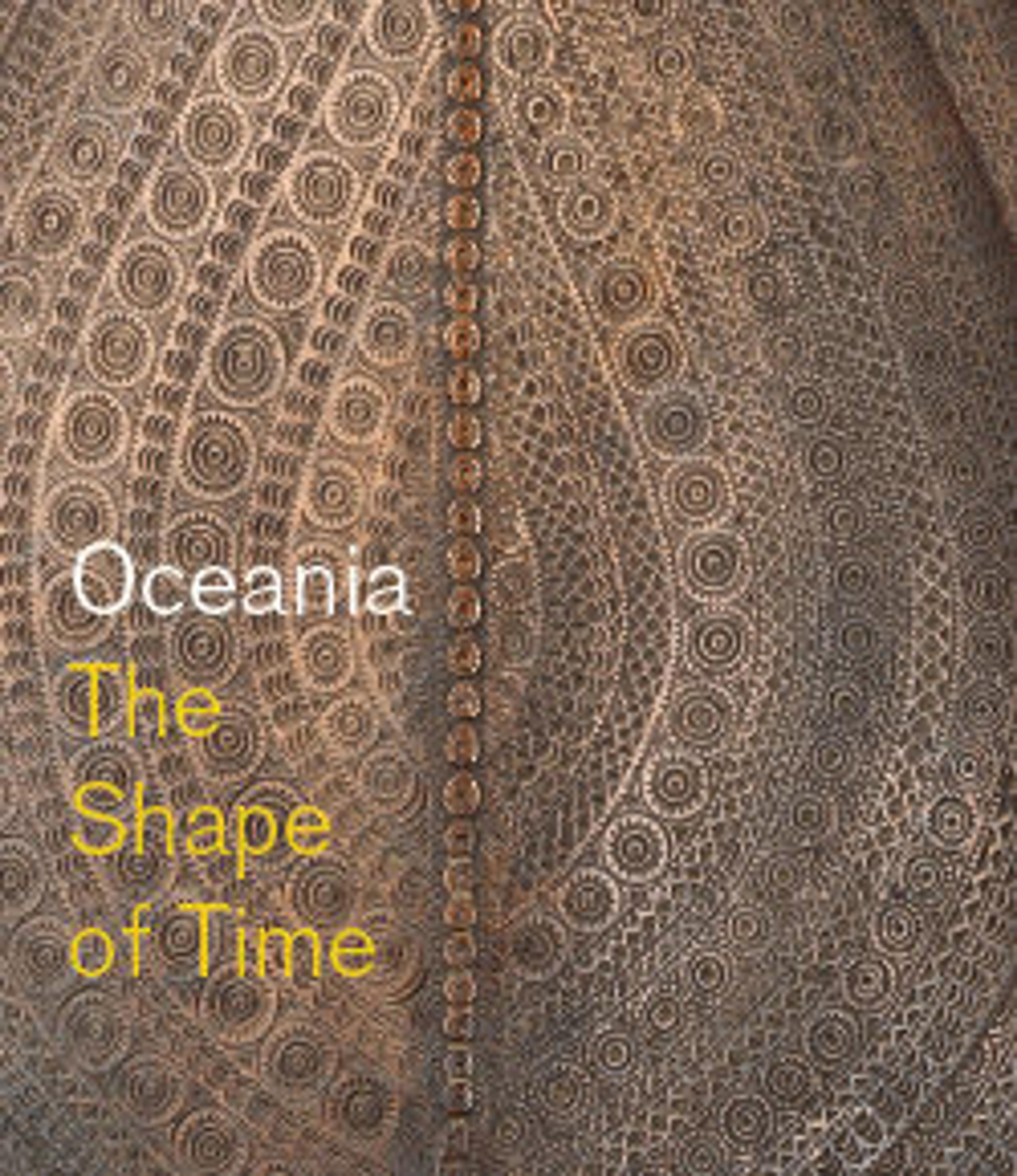
The Yami people live in several villages along the shores of Botel Tobago Island, off the southeast coast of Taiwan. This large housepost, or tomok, once acted as the central roof support in a Yami dwelling. Preserved and reused for generations, houseposts were highly valued and passed by inheritance from fathers to their eldest sons. They were decorated with motifs similar to those that formerly adorned the large fishing canoes on which the Yami depended for their livelihood. The circular motifs at the center of this example are known as mata-no-tatara, or "eyes of the canoe," and depict the eyelike designs found on the bows and sterns of fishing vessels. The insectlike figures at the bottom represent Magamoag, an important ancestor credited with bringing the arts of agriculture and boat building to the Yami. Images of Magamoag might have acted, in part, to protect the household from anito, the malevolent souls of the dead. The remaining sections of the post depict more informal scenes of fish and fishing.

Artwork Details

Object Information
  • Title: House Post (Tomok)
  • Date: 19th–early 20th century
  • Geography: Taiwan, Botel Tobago Island
  • Culture: Yami people
  • Medium: Wood, paint
  • Dimensions: H. 81 1/2 × W. 37 × D. 1 1/2 in. (207 × 94 × 3.8 cm)
    H. (with mount) 85 in. (215.9 cm)
  • Classification: Wood-Architectural
  • Credit Line: From the Collection of Nina and Gordon Bunshaft, Bequest of Nina Bunshaft, 1994
  • Object Number: 1995.65.2
  • Curatorial Department: The Michael C. Rockefeller Wing
More Artwork
Architectural Ornament, Wood, paint, horn, Yami people
Yami people
mid to late 20th century
Armchair (Fauteuil à la reine) (one of a pair) (part of a set), Georges Jacob  French, Carved and gilded walnut; embroidered silk satin, French, Paris
Georges Jacob
Possibly embroidered by Joseph-François-Xavier Baudoin
ca. 1780–85
Padrarulj (ancestor figure), Paiwan artist, Wood, porcelain, Paiwan peoples
Paiwan artist
19th–early 20th century
Mechanical table, Jean-François Oeben  French, born Germany, Oak veneered with mahogany, kingwood, and tulipwood, with marquetry of mahogany, rosewood, holly, and various other woods; gilt-bronze mounts; imitation Japanese lacquer; replaced silk, French
Jean-François Oeben
and Roger Vandercruse, called Lacroix
ca. 1761–63
Ornamental Comb, Wood, Paiwan people
Paiwan people
late 19th–early 20th century

Research Resources

The Met provides unparalleled resources for research and welcomes an international community of students and scholars. The Met's Open Access API is where creators and researchers can connect to the The Met collection. Open Access data and public domain images are available for unrestricted commercial and noncommercial use without permission or fee.

To request images under copyright and other restrictions, please use this Image Request form.

Feedback

We continue to research and examine historical and cultural context for objects in The Met collection. If you have comments or questions about this object record, please contact us using the form below. The Museum looks forward to receiving your comments.

Send feedback

Content Notice

The Metropolitan Museum of Art presents over 5,000 years of art from around the world, and our online collection reflects ongoing work conducted over the course of our more than 150-year history. You may encounter objects or images that may be inappropriate for some viewers or information that may be outdated.