All Essays
Select...

For centuries, the cross was the foundational emblem of Kongo’s Christian encounter.
Carlos Almeida
June 30

While this was an art made for burial, to be seen by the dead, these sculptures were at the epicenter of liturgical acts carried out by the living.
Martha Lorenza López Mestas Camberos
June 22
Aunque se trataba de un arte creado para enterrarse, para ser visto por los muertos, estas esculturas se situaban en el epicentro de los actos litúrgicos llevados a cabo por los vivos.
Martha Lorenza López Mestas Camberos
June 22

Más allá del valor alimenticio de estas criaturas, en la antigüedad los caparazones de moluscos se empleaban para producir objetos de adorno personal y para actividades religiosas.
Adrián Velázquez Castro
February 24
Mollusk shells were transported as precious materials throughout the Americas and used to craft objects for religious activity and personal adornment.
Adrián Velázquez Castro
February 24

Early South Asian art depicted nature as divine—yakshas, yakshis, and nagas embodied fertility, water, and sacred power in human and hybrid form.
Harsha Gautam
February 18

Throughout Island Southeast Asia, skilled artisans craft textiles that weave together identity, ancestry, harmony, and cosmology.
Sylvia Cockburn
January 5

In Solomon Islands, personal adornment conveys status, transforms the body, enhances ancestral communication, and protects the wearer.
Sylvia Cockburn
December 18, 2025
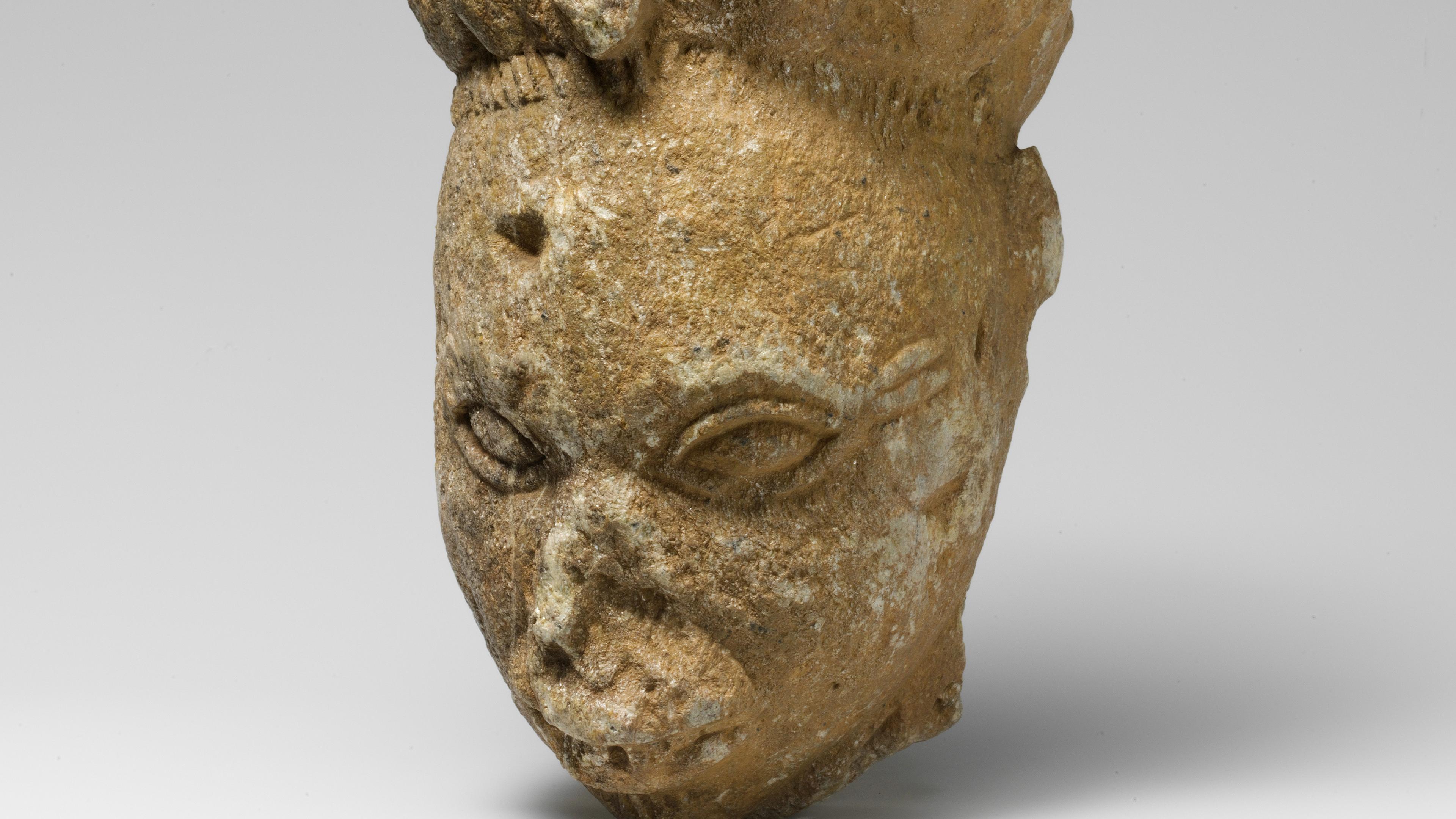
The Èṣìẹ sculptures offer a window into a sophisticated precolonial West African society and maintain an enduring spiritual and historical significance today.
Adekunle Temilade Adeniji
October 24, 2025
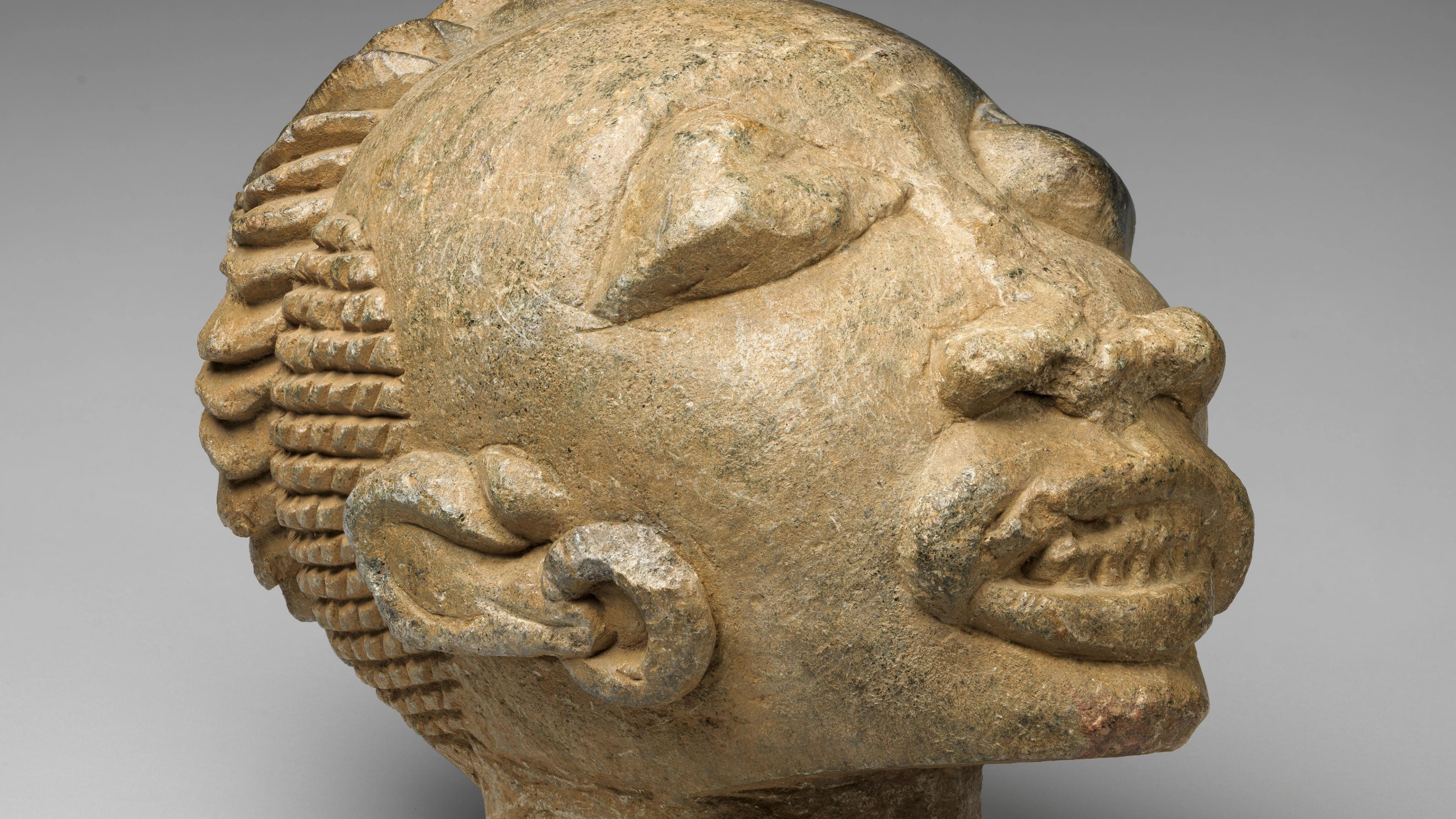
The stone figures of the Upper Guinea coast speak to the complexity, technical skill, hierarchical societies, and spiritual beliefs of the Sapi world.
Adekunle Temilade Adeniji
October 2, 2025