Мы работаем над переводом этой страницы как можно скорее. Спасибо за понимание.

All Essays

Select...
Series
Ceramic female figure adorned with jewelry and face markings, holding up a cup in one hand.
While this was an art made for burial, to be seen by the dead, these sculptures were at the epicenter of liturgical acts carried out by the living.
Martha Lorenza López Mestas Camberos
June 22
Ceramic female figure adorned with jewelry and face markings, holding up a cup in one hand.
Aunque se trataba de un arte creado para enterrarse, para ser visto por los muertos, estas esculturas se situaban en el epicentro de los actos litúrgicos llevados a cabo por los vivos.
Martha Lorenza López Mestas Camberos
June 22
A display case in a large gallery holds several gold cups, bowls, and plates
Curators, scholars, and communities work together to reimagine the Museum’s Byzantine galleries.
Andrea Myers Achi, Earnestine Qiu, Quinn R. Bolte, Mary Kupelian, and Suzana DeRosa-Farag
June 12
Image of Thorvald Hellesen, Peinture, 1920
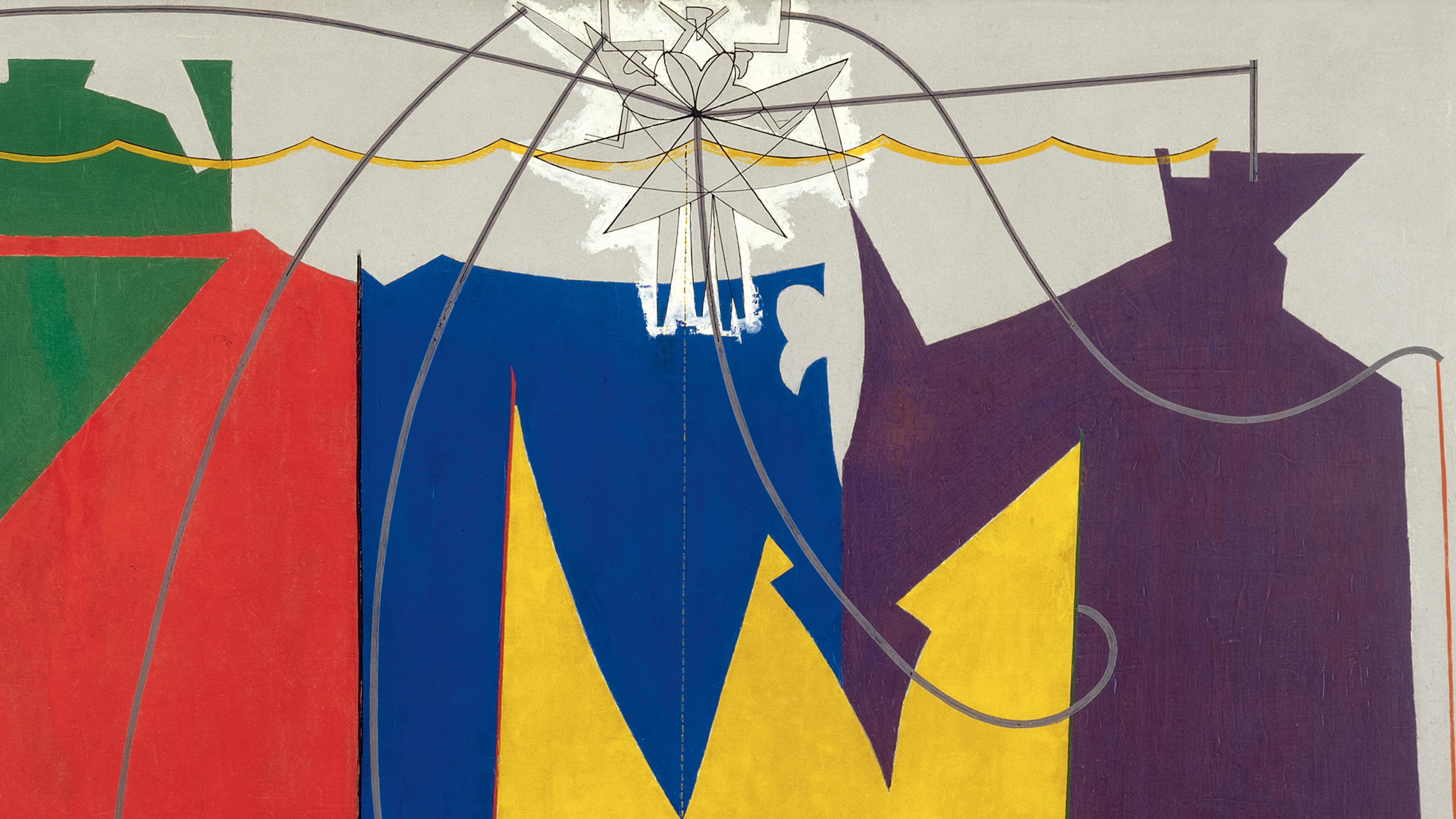
Christopher Green considers the geopolitical and cultural factors that influenced La Fin du monde.
Christopher Green
June 3
Image of spread 24 of La Fin du monde.
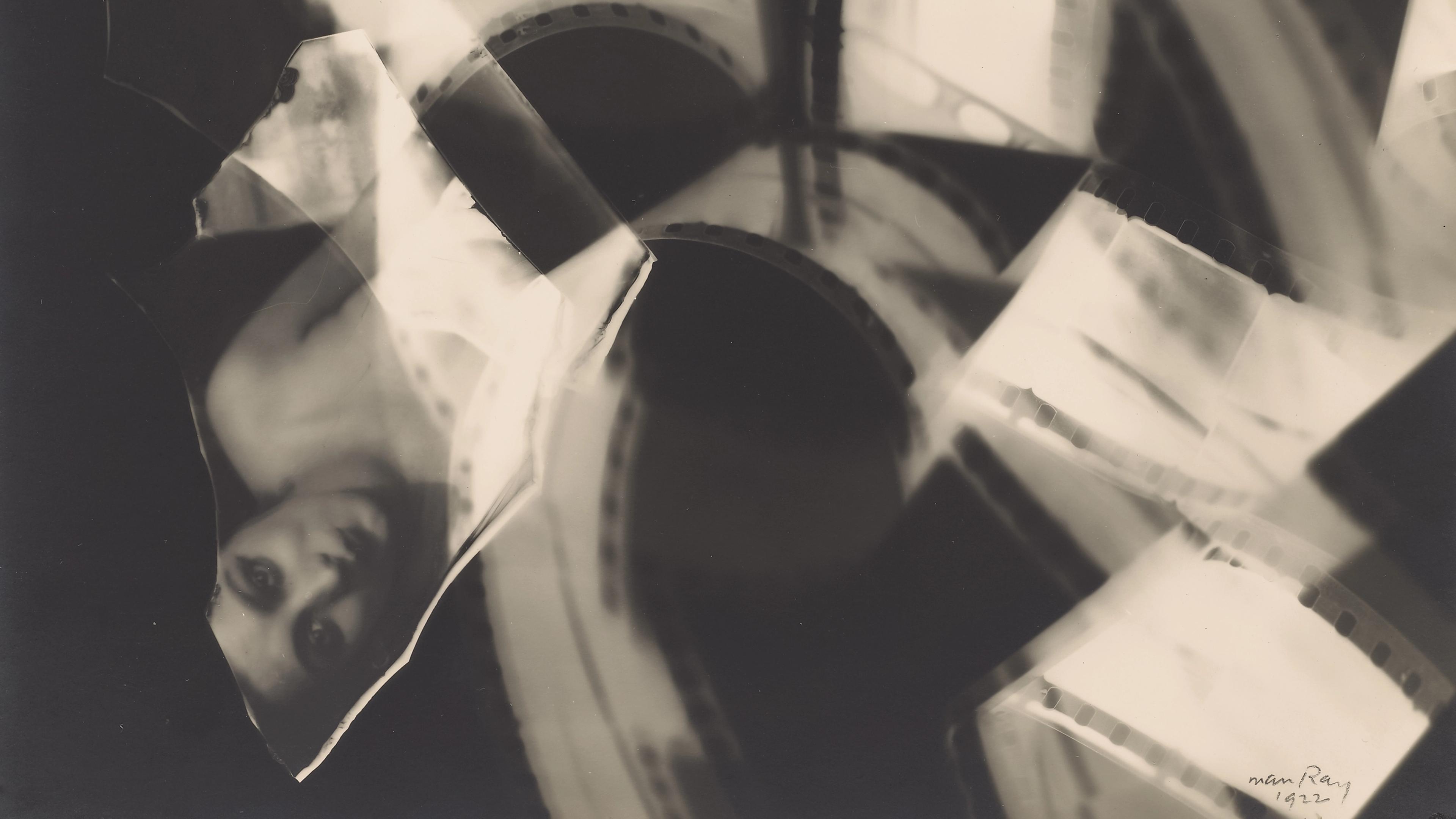
The first ever English translation of La Fin du monde, The End of the World, as Filmed by the Angel of Notre-Dame.
Mark Polizzotti
June 3
Image of Pablo Picasso, Mlle Léonie from Max Jacob, Saint Matorel, 1910/11
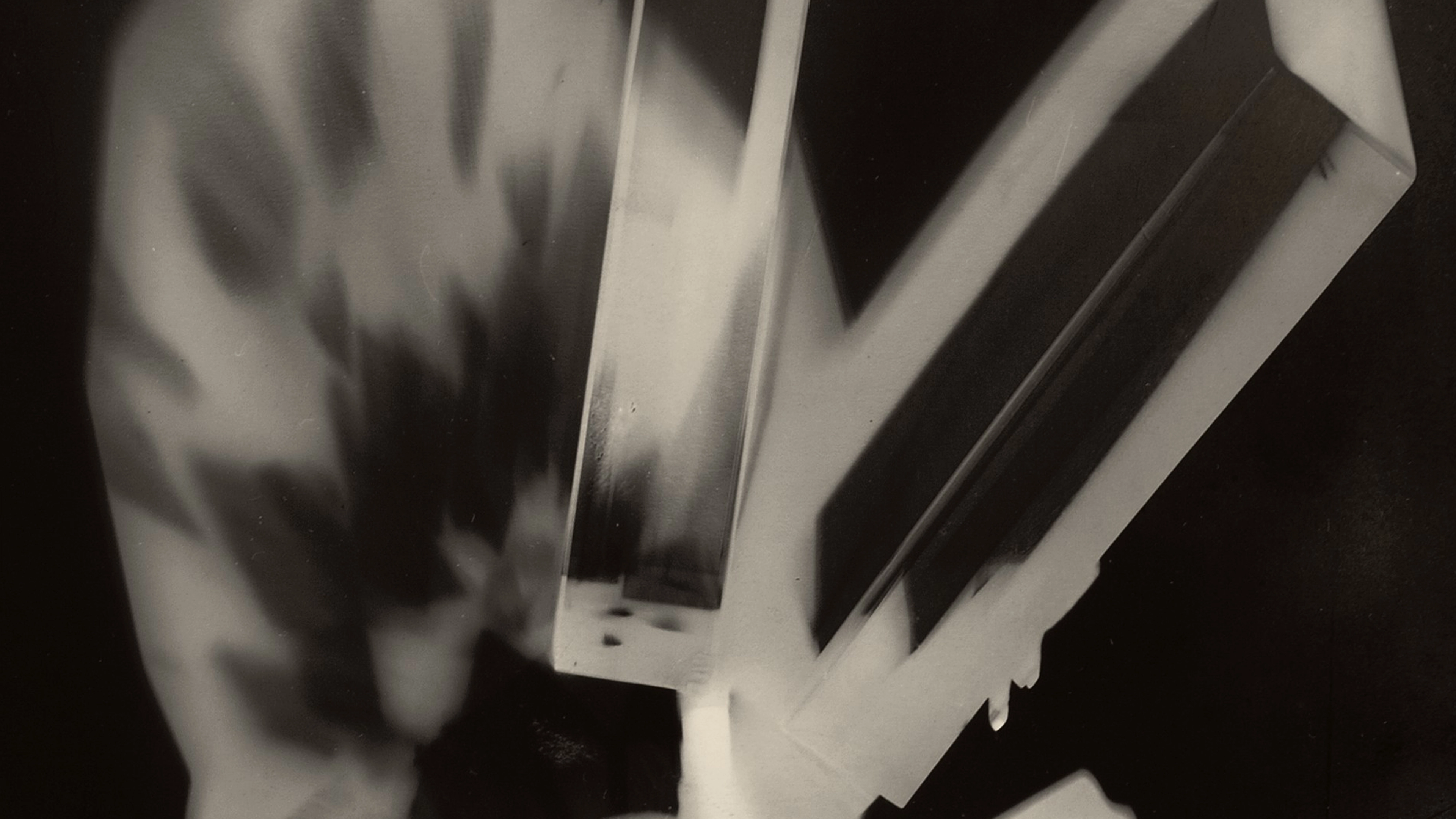
Caroline Levitt examines La Fin du monde within the broader tradition of modernist artist’s books.
Caroline Levitt
June 3
Image of spread 21 of La Fin du monde, an illustration by Fernand Leger.
Christopher Green explores the narrative and illustrations of La Fin du monde.
Christopher Green
June 3
Image of Untitled, Mechanical Composition, Ploughing Motion, around 1918-1920, gouache; India ink on paper, height: 34 cm, width: 45 cm. Photo (C) Adrien Didierjean.
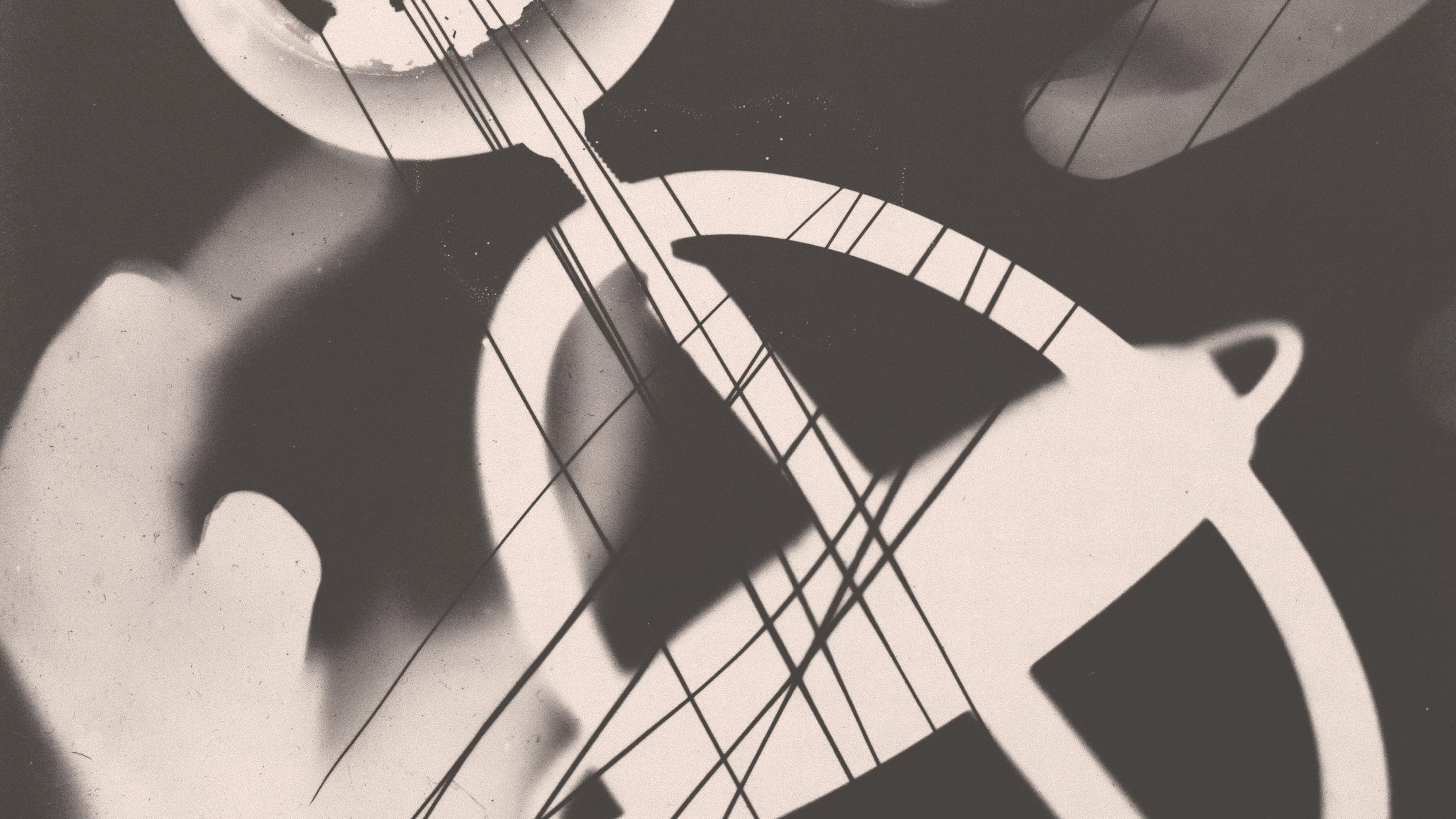
Lauren Rosati looks at the visual program of La Fin du monde in the context of film and cinematic space in the early 1920s.
Lauren Rosati
June 3
Gallery view of colorful stained glass windows, two vitrines with gold figures and a central, large-scale stone sculpture.
Conservators have embarked on a multiyear study and treatment of two large, 16th-century sculptural groups from the chapel of the castle of Biron in Dordogne, France.
May 19
In-gallery view of a large, faded mural of the Buddha.
Conservators are undertaking a two-year project to reverse discoloration and correct infill on this 14th century Buddha of Medicine from a monastery in northern China.
April 30